Escrow & Impound Accounts Explained
Navigating the world of homeownership can feel like a labyrinth of unfamiliar terms and unexpected costs, and few things cause more confusion and frustration than the mysterious "escrow" or "impound" account. Many homeowners find themselves scratching their heads when their mortgage payment suddenly changes, only to be told it's due to an escrow adjustment they barely understand. This comprehensive guide is here to demystify these accounts, explain how they work, why they're necessary, and how you can better manage this critical part of your home finances.
What Exactly Are Escrow and Impound Accounts?
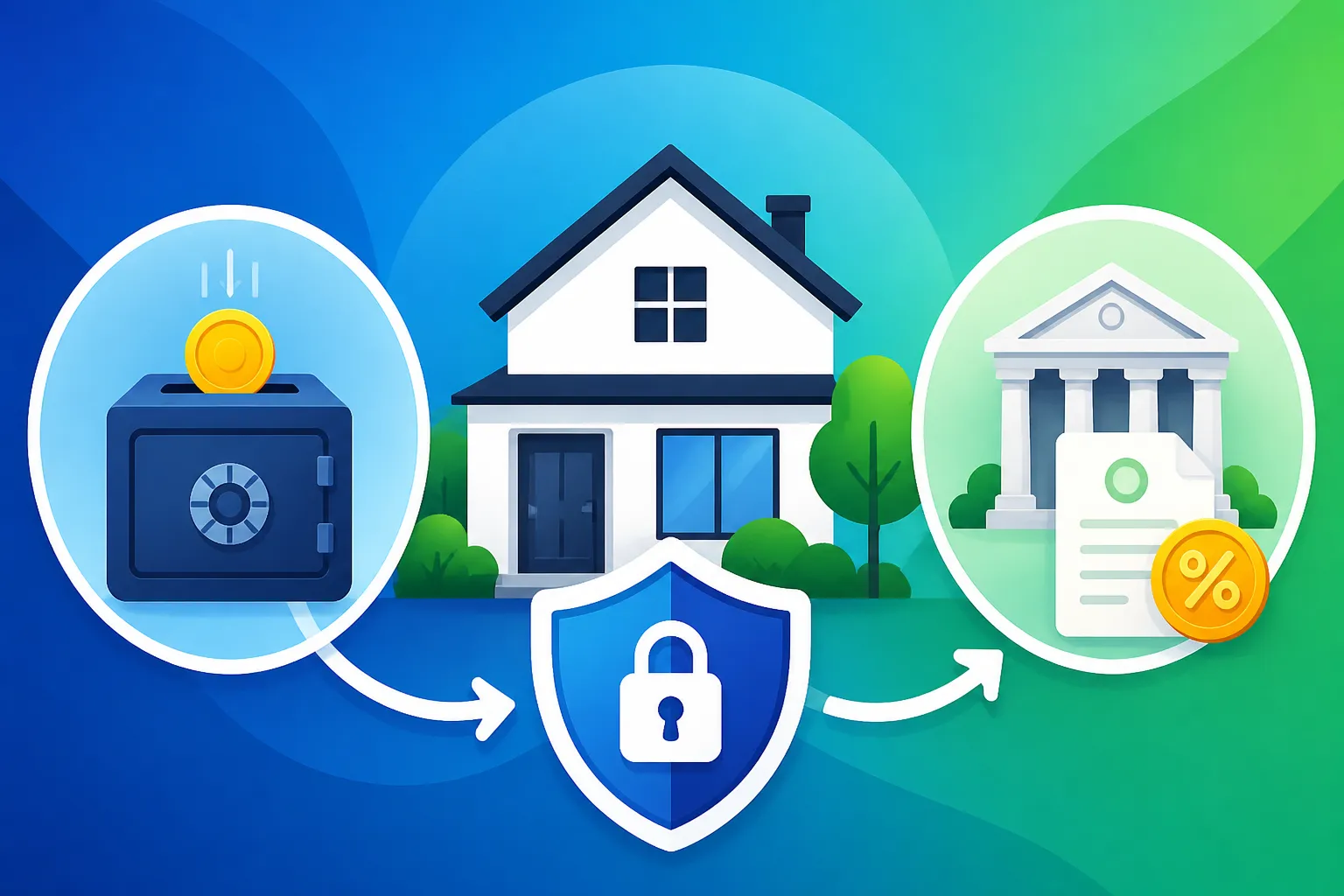
Let's cut to the chase: an escrow account, often called an impound account in some regions, is essentially a savings account managed by your mortgage lender. It's set up to collect and hold funds specifically for your property taxes and homeowner's insurance premiums. Instead of you having to remember to pay these large, often annual or semi-annual bills yourself, your lender collects a portion of these costs with your monthly mortgage payment and then pays them on your behalf when they come due. Think of it as a forced savings plan for your home's most essential, non-mortgage related expenses.
The Core Purpose: Simplifying Property Tax and Insurance Payments
The primary goal of an escrow account is to simplify the payment process for two of the most significant recurring costs of homeownership: property taxes and homeowner's insurance. Imagine having to save up a lump sum of several thousand dollars every six months for property taxes and then another large amount annually for your insurance premium. It can be a huge burden and a source of stress for many families. Escrow smooths this out.
Instead, your lender estimates these annual costs, divides them by twelve, and adds that amount to your principal and interest payment. So, instead of two or three massive bills, you have one predictable payment that covers everything. This approach can be a real lifesaver for budgeting, especially for first-time homebuyers who might not be accustomed to these substantial, infrequent expenses. It prevents the panic of realizing a huge tax bill is due next month when you haven't set aside the funds.
Key Players: Who Manages Your Escrow Account?
While it might feel like your escrow account is a separate entity, it's actually intertwined with your mortgage loan. The key players involved in its management are typically your mortgage lender and, indirectly, your loan servicer. The original lender who approved your mortgage might be the one managing your escrow, or more commonly, your loan could be sold to a different servicer who then takes over all aspects of collecting payments and disbursing funds.
This loan servicer is responsible for collecting your monthly escrow contributions, holding the funds in a non-interest-bearing account (usually, though some states like New York require interest on escrow), and then making the property tax and insurance payments on time. They receive the tax bills from your local county assessor's office and insurance invoices directly from your carrier, ensuring that these critical obligations are met without you having to lift a finger. This structure provides peace of mind that your home's taxes are paid, avoiding potential issues like a property tax lien.
Escrow vs. Impound: Is There a Difference?
The terms "escrow account" and "impound account" are often used interchangeably, and for the most part, they refer to the exact same thing: an account managed by your lender to pay property taxes and homeowner's insurance. However, there can be some subtle regional differences in terminology. In certain states, particularly those in the western U.S. like California, the term "impound account" is more prevalent, while in the eastern U and other areas, "escrow account" is the common parlance.
Historically, "escrow" has a broader meaning in real estate, referring to a neutral third party holding funds or documents until certain conditions are met, such as during the closing process of buying a home. The escrow company involved in your home purchase is distinct from the escrow account held by your mortgage lender. For the purpose of managing your ongoing property taxes and insurance, whether your lender calls it an "escrow" or "impound" account, the function remains precisely the same. Don't let the different names confuse you; the underlying mechanism is identical.
Why Do Lenders Require Escrow Accounts?
It might seem like an intrusion into your personal finances, but there's a very good reason why lenders often insist on escrow accounts, especially when you're taking out a conventional loan, FHA loan, or VA loan. It's not about making your life easier (though it often does); it's fundamentally about protecting their investment in your property. When you take out a mortgage, the lender has a significant financial stake in your home, and they need to ensure that their asset is secure.
Mitigating Risk for Financial Institutions
From a lender's perspective, your home is collateral for the loan. If property taxes go unpaid, the local taxing authority can place a lien on the property, which takes precedence over the mortgage lien. In extreme cases, unpaid property taxes can even lead to a tax foreclosure, where the property is sold to satisfy the tax debt. Similarly, if homeowner's insurance premiums aren't paid, the property could be uninsured, leaving it vulnerable to damage from fire, storms, or other hazards.
Either of these scenarios represents a significant risk to the lender's investment. By mandating an escrow account, they gain control over these crucial payments, ensuring they are always made on time. This protection is especially critical for loans with higher loan-to-value ratios or those that require private mortgage insurance (PMI). It acts as a safety net, guaranteeing that the property remains insured and free of tax liens, thereby safeguarding the collateral.
Ensuring Timely Payments and Avoiding Liens
The consequences of unpaid property taxes can be severe. Each state has its own rules for when property taxes are due by state, but falling behind can quickly lead to penalties, interest, and eventually, a tax lien. A property tax lien gives the government the right to seize and sell your property to recover the unpaid taxes. This process can be slow, but it is inexorable. Similarly, a lapse in homeowner's insurance could mean you're on the hook for repairs if your home is damaged, or worse, the lender could force-place expensive insurance on you to cover their interest.
An escrow account eliminates this concern for both you and the lender. When you make your monthly payment, a portion is immediately earmarked for taxes and insurance. The lender’s system tracks due dates and automatically disburses funds, ensuring that these critical bills are paid without fail. This systematic approach shields the homeowner from the immediate burden and the lender from the long-term risk associated with delinquent payments or uninsured properties. It’s a mechanism designed to prevent you from ever having to ask, "What happens if you don't pay property taxes?" because the payments are handled for you.
Borrower Protection: A Double-Edged Sword
While primarily a lender protection, escrow accounts do offer a significant benefit to borrowers: convenience and peace of mind. As mentioned, avoiding large, infrequent lump-sum payments simplifies budgeting immensely. For many homeowners, especially those on a fixed income or who aren't meticulous savers, having the lender handle these payments is a huge relief. You don't have to worry about missing a due date or forgetting to set aside enough money.
However, it's also a double-edged sword. The downside is that you lose direct control over these funds. The money in your escrow account typically doesn't earn interest (unless mandated by state law), and you're relying on your loan servicer to correctly calculate and disburse the funds. This can lead to unexpected escrow shortages or surpluses, which we'll delve into later. For some homeowners, the lack of control and transparency can be a source of frustration, making them feel less empowered over their own finances.
How Your Escrow Account is Calculated and Funded
Understanding how your escrow account is calculated and funded is key to demystifying your mortgage payment. It's not just a random number; there's a specific formula and process involved. When you first get your mortgage, and then annually thereafter, your lender performs an escrow analysis to determine your monthly contribution. This analysis considers your estimated property taxes and insurance premiums for the coming year, along with any cushion they're legally allowed to hold.
Initial Setup: The "Cushion" and Monthly Contributions
When you close on your home loan, your initial escrow setup involves collecting an upfront amount to establish a reserve, often called a "cushion." This cushion is usually equivalent to about two months' worth of escrow payments. Federal regulations, specifically the Real Estate Settlement Procedures Act (RESPA), generally limit the amount lenders can require to a maximum of one-sixth (or two months) of the total annual disbursements. This cushion acts as a buffer in case your taxes or insurance unexpectedly increase slightly, or if a payment is due before you've had time to build up sufficient funds in the account through monthly contributions.
Your monthly escrow contribution is then calculated by taking the total estimated annual property tax and insurance costs, dividing that by twelve, and adding any amount needed to replenish the cushion over time if it falls below the minimum required. For example, if your annual property taxes are $3,600 and your insurance is $1,200, your total annual escrow need is $4,800. Divided by 12, that's $400 per month. Plus, they might collect an initial two-month cushion (in this case, $800) at closing. This systematic approach ensures funds are available when those big bills like property tax due dates by state arrive.
What Goes Into the Calculation: PITI Explained
Your complete monthly housing payment is often referred to by the acronym PITI, which stands for Principal, Interest, Taxes, and Insurance. The "T" and "I" portions are what make up your escrow payment.
- Principal: This is the amount that goes directly towards reducing the outstanding balance of your loan.
- Interest: This is the cost of borrowing the money, paid to your lender.
- Taxes: This refers to your annual property taxes, which are assessed by your local county or municipality based on the value of your home. Understanding how property taxes are calculated is essential here. These funds support local services like schools, police, and roads.
- Insurance: This is your homeowner's insurance premium, which protects your home against damage from perils like fire, theft, and natural disasters.
So, when your lender performs the escrow calculation, they are specifically focused on accurately estimating the "T" and "I" components for the upcoming year. They gather information from your local taxing authority to project your property tax bill and from your insurance provider for your premium. Any changes to either of these will directly impact your escrow portion of the PITI payment.
Annual Escrow Analysis: The Good, the Bad, and the Ugly
Every year, usually around the same time, your loan servicer will conduct an annual escrow analysis. This is a review of your escrow account to compare the amount of money collected over the past year with the actual payments made for your taxes and insurance. The purpose is to ensure that you're contributing enough to cover the upcoming year's expenses and maintain the required cushion.
Based on this analysis, one of three things typically happens:
- Surplus: If you've paid in too much and there's more money in your escrow account than needed to cover the previous year's expenses and the required cushion, you have an escrow surplus. The lender is usually required to refund this surplus to you if it exceeds a certain amount (often $50 or more, depending on regulations).
- Shortage: If you haven't paid in enough and there's less money in your account than needed, you have an escrow shortage. This is often the "ugly" part for homeowners, as it typically means your monthly mortgage payment will increase significantly to cover the deficit and ensure enough funds for the next year. This is a common reason why your escrow payment went up.
- Deficiency: A deficiency is a more significant shortage, where the account balance is negative. The rules for addressing deficiencies are similar to shortages but might involve larger payment increases or a request for a lump-sum payment to catch up.
The servicer will send you an escrow analysis statement detailing their calculations, the past year's activity, and any adjustments to your monthly payment. It's crucial to read this document carefully to understand why your payment might be changing.
The Ups and Downs of Escrow: Pros and Cons
Like most financial tools, escrow accounts come with their own set of advantages and disadvantages. What's a "pro" for one homeowner might be a "con" for another, depending on their financial habits and comfort level with managing large bills. Understanding both sides of the coin can help you decide if an escrow account is truly serving your best interests or if you might be better off without one (if your loan terms allow).
The Benefits: Convenience and Budgeting Made Easier
For many, the sheer convenience of an escrow account is its biggest selling point.
- Simplified Budgeting: Instead of saving up for unpredictable, large lump-sum payments, your taxes and insurance are spread out into manageable monthly installments. This eliminates the stress of finding several thousand dollars for a property tax bill twice a year or a hefty insurance premium once a year. It integrates these costs seamlessly into one single mortgage payment, making monthly financial planning much more straightforward.
- No Missed Payments: Your lender is responsible for making these payments on time. This means you don't have to worry about forgetting a due date, incurring late fees, or, worst-case scenario, facing severe consequences like a property tax lien. It's a hands-off approach that guarantees these essential obligations are met.
- Peace of Mind: Knowing that these critical expenses are taken care of by a professional entity can significantly reduce financial anxiety. You can rest assured that your property taxes are paid and your home is insured, protecting your investment without constant vigilance on your part.
- Mandatory for Many Loans: For certain types of loans, especially FHA and VA loans, and conventional loans with less than 20% down payment, escrow accounts are often mandatory. In these cases, it's not a choice but a condition of financing, and the benefits of compliance outweigh the alternatives.
The Drawbacks: Lack of Control and Potential Surprises
While convenient, escrow accounts aren't without their downsides, which can be a source of frustration for some homeowners.
- Lack of Control Over Funds: The money in your escrow account is managed by your lender, not you. This means you can't invest it or earn interest on it (unless state law explicitly requires it, which is rare). For those who are disciplined savers and prefer to keep their money working for them, this can feel like a missed opportunity.
- Unexpected Payment Increases: The annual escrow analysis can sometimes bring unpleasant surprises. If your property taxes or insurance premiums increase significantly, or if the previous year's estimates were off, you could face an escrow shortage. To cover this shortage and ensure enough funds for the next year, your monthly mortgage payment will jump, sometimes quite dramatically. This is a common reason for "Why did my escrow payment go up?" complaints.
- Errors and Inaccuracies: While rare, mistakes can happen. Your lender might miscalculate, fail to pay a bill on time, or use outdated information for your taxes or insurance. Rectifying these errors can be a bureaucratic headache and may require significant effort on your part to track down and correct.
- Minimum Balance Requirements: Lenders are legally allowed to maintain a cushion in your escrow account, typically up to two months' worth of payments. This means your money is sitting there, often not earning interest, beyond what is strictly necessary to cover the immediate bills.
When Escrow Might Not Be For You
Given the pros and cons, an escrow account might not be the best fit for every homeowner. If you are financially disciplined, have a strong understanding of your local property tax system (including how to read your property tax bill), and prefer to have complete control over your money, you might consider waiving escrow if your loan terms allow. This is often an option if you have a conventional loan and a substantial amount of equity in your home (typically 20% or more down payment).
Homeowners who have historically managed their finances effectively, have emergency savings, and are comfortable tracking tax due dates and insurance renewals might find the lack of control inherent in escrow accounts more of a burden than a benefit. They might prefer to keep those funds in an interest-bearing savings account until the bills are due.
Navigating Escrow Shortages and Surpluses
The annual escrow analysis can feel like a roll of the dice. Will you get a refund, or will your payment skyrocket? Understanding why shortages and surpluses occur and how they're handled can help you better prepare and even take proactive steps to manage your account.
Understanding an Escrow Shortage: Why Your Payment Jumps
An escrow shortage occurs when the amount of money collected and held in your escrow account over the past year was less than the actual amount disbursed for your property taxes and homeowner's insurance. Simply put, your lender underestimated the costs.
Several factors can lead to an escrow shortage:
- Increase in Property Taxes: This is perhaps the most common reason. If your property's assessed value increases, or if the local tax rate (mill rate) goes up, your property tax bill will be higher than anticipated. This is especially prevalent in areas with rapidly appreciating home values or where local governments need more revenue for schools or infrastructure. For example, if you live in Texas, rising property values can often lead to "Why are Texas property taxes so high?" conversations, directly impacting your escrow.
- Increase in Homeowner's Insurance Premiums: Insurance rates can fluctuate due to many factors, including the number of claims in your area, changes in weather patterns (like increased hurricane activity in Florida), the age of your home, or general inflation. If your insurer raises your premium, your escrow account will need more money to cover it.
- Incorrect Initial Estimate: Sometimes, the initial estimate at closing was simply too low. This can happen if tax assessments weren't finalized or if property values were in flux during your home purchase.
- New or Increased Assessments: Sometimes, new local levies or special assessments are introduced that weren't accounted for in the original estimate. These could be for local improvements like new sewers or roads.
When a shortage is identified, your lender typically offers two options: pay the shortage in a lump sum, or spread the shortage amount over the next 12 months, which will increase your monthly mortgage payment. Many homeowners opt for the latter, leading to that sudden jump in their payment.
Dealing with an Escrow Surplus: What Happens to Extra Funds?
An escrow surplus is the opposite of a shortage: you've paid in more money than was actually needed to cover your property taxes and insurance over the past year, and there's extra cash left in your account. This is usually the "good" outcome of an escrow analysis!
Surpluses typically happen because:
- Decreased Property Taxes: While less common than increases, property tax assessments can sometimes go down, or a homestead exemption you applied for might have kicked in and reduced your bill.
- Decreased Insurance Premiums: You might have shopped around for a better insurance rate, or your insurer might have lowered your premium for some reason.
- Overestimation: Your lender might have simply overestimated the anticipated costs for the prior year.
Federal law generally mandates that if an escrow surplus exceeds $50 (though some states set a lower threshold), the lender must refund the excess amount to you within 30 days of completing the annual analysis. If the surplus is less than $50, the lender can either refund it or apply it to your escrow account for the following year. While a surplus is welcome, it also means your money was sitting in a non-interest-bearing account for longer than necessary.
Proactive Steps to Manage Your Escrow Balance
You don't have to be entirely passive when it comes to your escrow account. There are several proactive steps you can take to better manage it and minimize surprises:
- Review Your Property Tax Bill: Always review your annual property tax bill as soon as you receive it (even if your lender pays it). Understand how your property taxes are calculated and whether there have been any significant changes. If you believe your assessment is too high, you might consider how to appeal property taxes.
- Monitor Your Insurance Premiums: Stay on top of your homeowner's insurance policy. Review your renewal notices and shop around for better rates regularly. Services like LendingTree can help you compare insurance quotes from various providers, potentially leading to savings that impact your escrow. If you switch insurers, notify your lender immediately so they can adjust your escrow payments.
- Track Local Tax Changes: Pay attention to local news regarding property tax rates and reassessments. Taxing authorities often announce planned increases or reassessment schedules well in advance. Understanding your area's property tax assessment & reassessment explained processes can give you a heads-up.
- Keep Your Own Records: While your lender manages the account, keep your own simple spreadsheet or file of your monthly mortgage statements, property tax bills, and insurance declarations. This allows you to verify the annual escrow analysis against your own records.
- Communicate with Your Lender: If you notice a significant change in your property taxes or insurance, proactively contact your loan servicer. Don't wait for the annual analysis; inform them of the change so they can adjust your monthly payments accordingly.
Can You Waive or Cancel Your Escrow Account?
The thought of taking control of your property tax and insurance payments yourself is appealing to many, offering a sense of financial independence. But is it even an option? The answer is "maybe." Whether you can waive or cancel your escrow account depends on several factors, including your loan type, your equity, and your lender's specific policies.
Requirements for Waiving Escrow at Loan Origination
When you're first getting a mortgage, the ability to waive escrow typically hinges on the type of loan you're taking out and the size of your down payment.
- Conventional Loans: This is where you have the most flexibility. If you put down a substantial down payment, typically 20% or more of the home's purchase price, many conventional lenders will allow you to waive the escrow requirement. This is because a higher down payment means the lender has less financial risk, as you have more equity in the home from day one. You might be required to pay a one-time fee, sometimes called an "escrow waiver fee," at closing for this privilege.
- Government-Backed Loans (FHA, VA, USDA): Generally, escrow accounts are mandatory for FHA and USDA loans, regardless of your down payment. For VA loans, escrow is typically required if your down payment is less than 20%, but some lenders may allow you to waive it even with less equity if you have a strong credit history and specific loan terms. Always check with your specific lender regarding VA loan escrow policies.
- Lender Discretion: Even with a conventional loan and a large down payment, some lenders simply have a blanket policy that requires escrow on all loans. Others might allow it but with specific credit score requirements or stricter underwriting standards. It's always best to discuss your options with potential lenders like LendingTree when you are shopping for a mortgage.
Removing Escrow After Your Loan is Established
What if you already have an escrow account but now want to manage your payments independently? This is often possible, but again, there are conditions.
- Build Sufficient Equity: The most common requirement is that you must have a certain amount of equity in your home. Many lenders require you to have at least 20% to 25% equity (meaning your loan balance is 75-80% or less of your home's current market value) before they will consider removing escrow.
- Good Payment History: Lenders want to see a solid track record of on-time mortgage payments, typically for at least 1-2 years. They need assurance that you are a reliable borrower before entrusting you with direct payment of taxes and insurance.
- Formal Request: You'll need to formally request the removal of escrow from your loan servicer. They will likely have an application process, require documentation to prove your equity (like a recent appraisal), and review your payment history.
- Fees: Similar to waiving escrow at origination, your lender might charge a fee to remove the escrow account, covering their administrative costs and the perceived increase in risk.
Considerations Before Taking Over Your Own Payments
Deciding to self-manage your property taxes and insurance is a big step that requires discipline. Before you cancel your escrow, ask yourself these questions:
- Are you a disciplined saver? You'll need to consistently set aside enough money each month to cover these large, upcoming bills. This means creating a dedicated savings account and ensuring those funds are untouched.
- Do you understand your tax schedule and insurance policy? You'll be responsible for tracking due dates, reviewing bills for accuracy, and ensuring payments are made promptly. Familiarize yourself with your local property tax due dates by state and your insurance policy terms.
- Can you handle unexpected increases? If property taxes or insurance premiums go up significantly, you'll need to absorb those increases directly. Do you have an emergency fund that can handle such fluctuations?
- Are you willing to do the legwork? It means actively engaging with your county assessor's office and insurance provider, and potentially challenging assessments if they seem incorrect. This is what many property tax appeal companies specialize in, but if you self-manage, it's on you.
For homeowners who are organized and financially savvy, self-managing can provide more control and the opportunity to earn interest on funds before they're disbursed. But for others, the convenience and safety net of an escrow account are invaluable.
Best Practices for Managing Your Property Taxes and Insurance Independently
If you've decided to waive or remove your escrow account and take on the responsibility of paying your property taxes and homeowner's insurance yourself, congratulations! You're taking a significant step towards greater financial control. However, with this freedom comes responsibility. Here's how to set yourself up for success.
Setting Up Your Own System: Budgeting and Savings
The most critical step in self-managing your property taxes and insurance is establishing a robust system for budgeting and saving.
- Dedicated Savings Account: Open a separate, interest-bearing savings account specifically for these expenses. Label it clearly as your "Property Tax & Insurance Fund." This prevents you from accidentally dipping into these funds for other purposes. Even a small amount of interest earned is better than none in a non-interest-bearing escrow account.
- Calculate Your Monthly Contribution: Find your most recent property tax bill and homeowner's insurance declaration page. Add the total annual property tax amount to the total annual insurance premium. Divide this sum by 12. This is the amount you must transfer into your dedicated savings account every single month, without fail. For instance, if your annual property taxes are $4,000 and your insurance is $1,500, you need to save ($4,000 + $1,500) / 12 = $458.33 per month.
- Automate Transfers: Set up an automatic monthly transfer from your checking account to your "Property Tax & Insurance Fund" on the same day you typically get paid or when your mortgage payment would usually be due. Automation removes the need for manual effort and reduces the risk of forgetting to save.
- Review and Adjust Annually: Just like a lender's escrow analysis, you should conduct your own annual review. When you receive your new tax assessment or insurance renewal, recalculate your monthly savings amount and adjust your automatic transfers as needed. This helps avoid shortages in your own fund.
Platforms like Stessa, often used by rental property owners, can be adapted for homeowners to track income and expenses, helping you monitor your savings progress for these crucial payments. While it's typically for investment properties, its robust expense tracking can be a great tool for personal home finances too.
Staying Informed About Tax and Insurance Changes
One of the biggest advantages of an escrow account is that the lender handles all the communication and monitoring. When you self-manage, that responsibility shifts to you.
- Know Your Due Dates: Mark your property tax due dates by state and insurance renewal dates clearly on your calendar. Many counties have specific payment deadlines (e.g., November 1st and February 1st in California for property taxes). Missing these can lead to penalties.
- Sign Up for Notifications: Many local tax assessors' offices and insurance companies offer email or text notifications for bill issuance and payment reminders. Sign up for these services to ensure you don't miss anything.
- Review All Correspondence: Don't just toss mail from your tax assessor or insurance company. Carefully review any notices of assessed value, tax bills, or insurance renewal statements. These documents contain critical information about your liabilities and any changes in rates or valuations. If you receive a notice of appraised value that seems incorrect, researching how to protest property taxes in your area could save you money.
- Understand Tax & Insurance Trends: Be aware of broader trends affecting property taxes and insurance premiums in your area. For example, if your region has experienced significant natural disasters, expect insurance premiums to rise. If there's a local bond measure on the ballot, consider its impact on your property tax bill.
Resources and Tools for Self-Management
You don't have to go it alone. There are resources available to help you manage these payments effectively.
- Online Tax Portals: Most county tax assessor websites now offer online portals where you can look up your property's assessed value, tax history, and even pay your taxes directly. These are invaluable tools for staying informed and making payments.
- Insurance Brokers: Working with an independent insurance broker can be beneficial. They can shop multiple carriers for you annually, helping you find the best rates and ensuring you have adequate coverage, which directly impacts your insurance premium portion.
- Budgeting Software/Apps: Tools like Mint, YNAB (You Need A Budget), or even simple spreadsheets can help you track your savings and ensure you're on target for your tax and insurance payments.
- Financial Advisors: If you find yourself overwhelmed or need personalized advice, a financial advisor can help you integrate these large payments into your overall financial plan and suggest strategies for saving and managing your money. They can also help you understand the broader implications of your decisions, like prepaying property taxes and its pros and cons.
By actively engaging with your financial responsibilities and utilizing available resources, you can successfully manage your property taxes and insurance payments independently, gaining a deeper understanding and control over your home's finances.
Common Misconceptions About Escrow Accounts
Because escrow accounts often operate behind the scenes, a lot of myths and misunderstandings can circulate. Clearing up these common misconceptions can help you better understand how your account truly functions and avoid unnecessary worry or incorrect assumptions.
Is Escrow Money Earning Interest?
This is one of the most frequently asked questions about escrow accounts, and the answer, for the vast majority of homeowners, is no. In most states, mortgage lenders are not required to pay interest on the funds held in your escrow account. This means that the money you contribute each month simply sits in a non-interest-bearing account until it's disbursed for your property taxes and insurance.
There are a few exceptions, though. Some states, like New York, do have laws mandating that lenders pay interest on escrow accounts, albeit usually at a low rate. If you live in a state where interest on escrow is required, your annual escrow analysis statement will typically show any interest credited to your account. However, for most of the country, that money is just sitting there, not growing. This is one of the primary reasons why some financially savvy homeowners prefer to waive escrow and keep their funds in their own high-yield savings account, earning interest until the bills are due.
Does Escrow Affect Your Credit Score?
Another common concern is whether your escrow account or issues with it can impact your credit score. The good news is that the escrow account itself has no direct bearing on your credit score. It's simply a holding account managed by your lender.
However, there's an indirect connection:
- On-time Mortgage Payments: Your mortgage payment, which includes your escrow portion, is reported to credit bureaus. Making your full PITI payment on time every month is crucial for a healthy credit score. If you consistently miss or are late on your full mortgage payment, your credit score will suffer significantly.
- Unpaid Taxes/Insurance (if self-managing): If you choose to self-manage your property taxes and insurance (without an escrow account) and then fail to pay them, this could indirectly affect your credit. Unpaid property taxes can lead to liens, and while property tax liens are not typically reported to credit bureaus directly, they are public record and can make it difficult to refinance or sell your home, which could lead to credit issues down the line. Similarly, if your home is uninsured due to missed payments and then suffers damage, forcing you to take on significant debt for repairs, that debt would affect your credit.
So, while the escrow account itself is neutral for your credit, your diligence in ensuring that taxes and insurance are paid, whether through escrow or self-management, is vital for your overall financial health.
The Myth of Escrow Being "Free"
Some homeowners mistakenly believe that having an escrow account is a "free" service provided by their lender. While there aren't typically direct monthly fees explicitly labeled "escrow fee" added to your payment, it's not entirely without cost or implications.
- Opportunity Cost: As discussed, the biggest "cost" is the opportunity cost of not earning interest on your money. If you're contributing several hundred dollars a month into a non-interest-bearing account, that's money that could be sitting in your own savings account, earning a small return. Over the years, this can add up to a noticeable sum.
- Escrow Waiver Fees: If you opt to waive escrow at the time of closing or later remove it from an existing loan, many lenders will charge a one-time fee for this privilege. This indicates that managing escrow has a value to the lender, and they might charge you for taking on that risk/responsibility yourself.
- Administrative Burden (for the lender): While you don't pay a direct fee, the lender incurs administrative costs to manage thousands of escrow accounts, track tax and insurance due dates, disburse payments, and conduct annual analyses. These costs are implicitly built into the overall cost of your mortgage, even if not itemized.
So, while you're not paying a direct monthly fee, understanding the opportunity cost and potential waiver fees helps paint a more realistic picture of the "cost" of escrow. It's a convenience that comes with trade-offs.
Disclaimer
Please note that the information provided in this guide is for general informational purposes only and does not constitute financial, legal, or tax advice. Property tax laws, insurance regulations, and lender requirements can vary significantly by state, county, and specific loan terms. It is essential to consult with a qualified financial advisor, real estate professional, tax expert, or your specific mortgage lender or servicer for advice tailored to your individual situation. Always verify local regulations and deadlines directly with your municipal tax assessor's office and insurance provider.