Homestead Exemption in New York
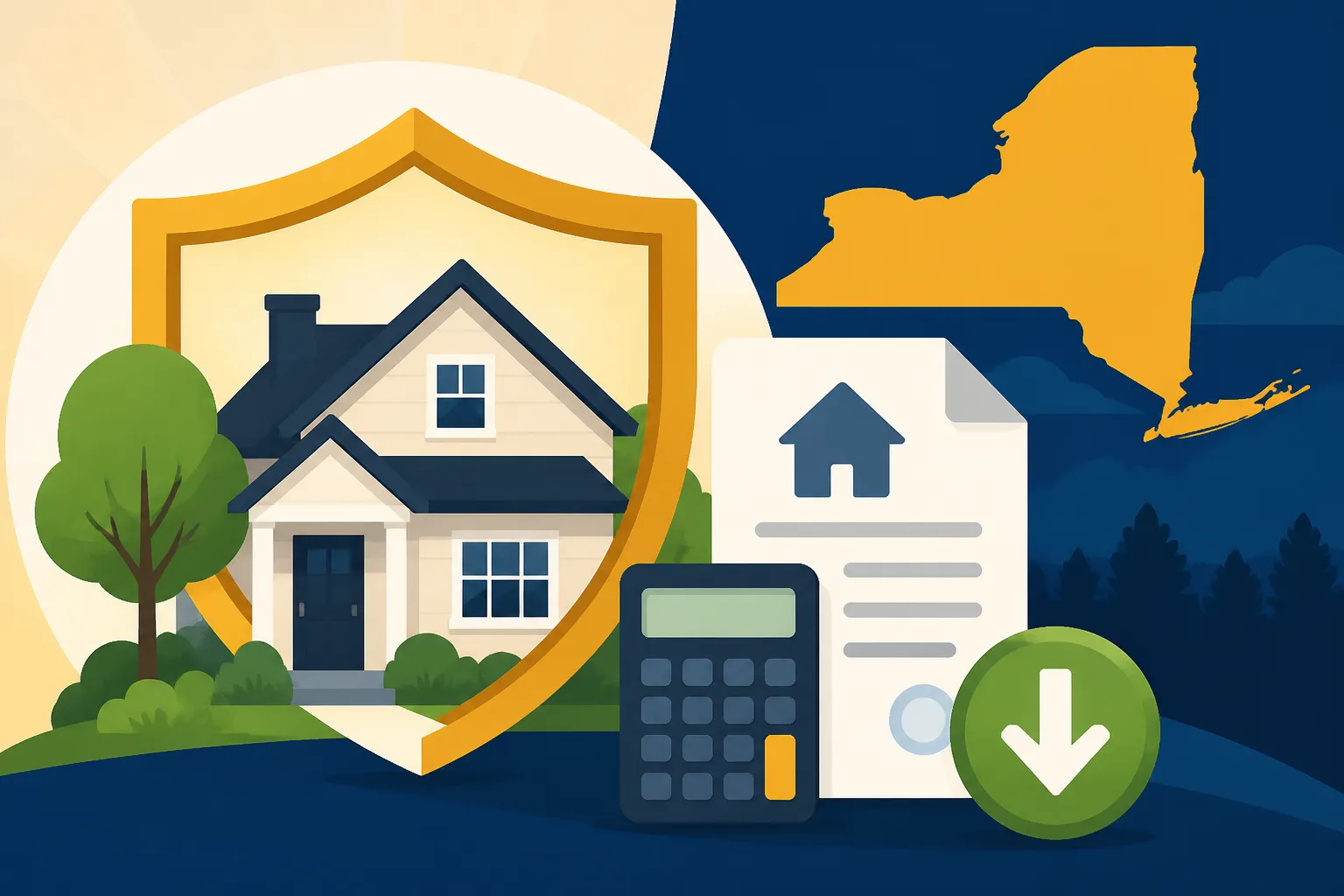
Navigating the labyrinth of property taxes in New York can feel like a constant uphill battle, especially when you’re just trying to understand how to keep your hard-earned money in your own pocket. Many homeowners find themselves overwhelmed by annual increases and confusing jargon, wondering if there’s any relief in sight. This comprehensive guide is here to shed light on New York’s version of the "homestead exemption," specifically the STAR program, detailing who qualifies, how to apply, and how it can significantly reduce your property tax burden.
Understanding New York's "Homestead Exemption": The STAR Program
When people talk about a "homestead exemption," they're often referring to a program that reduces the taxable value of a primary residence, thereby lowering property taxes. While many states have a straightforward "homestead exemption," New York has its own unique approach: the School Tax Relief (STAR) program. It's not a direct exemption on the full property tax bill, but rather a reduction specifically for school taxes, which often make up a significant portion of your overall property tax liability. This distinction is crucial to understand from the outset, as it shapes how you apply and what benefits you can expect.
The STAR program is a lifeline for many New York homeowners, providing a welcome deduction on those notoriously high school tax bills. It recognizes that your primary residence should offer some financial shelter, not just physical. Instead of a blanket homestead exemption that might apply to all levies, STAR focuses on school taxes, directly addressing one of the biggest components of your annual property tax bill. It's designed to make homeownership more affordable for eligible residents, allowing them to keep more of their money rather than seeing it disappear into ever-increasing school budgets.
Basic STAR vs. Enhanced STAR: Who Qualifies and What They Offer
The STAR program isn't a one-size-fits-all benefit; it comes in two main flavors, each with its own set of eligibility requirements and levels of relief. Understanding the differences between Basic STAR and Enhanced STAR is the first step in determining which benefit you might qualify for and how much you can save.
The Basic STAR benefit is available to homeowners who own and live in their home as their primary residence and whose total household income is $250,000 or less. This isn't just about the primary homeowner's income; it considers the income of all owners and their spouses who reside at the property. The benefit provides an exemption on a portion of the home's assessed value from school taxes. For instance, in some areas, the Basic STAR exemption might reduce your assessed value by $30,000 for school tax purposes, leading to a noticeable drop in your school tax bill. This program is essentially a baseline relief offered to most qualifying homeowners across the state, acknowledging the general burden of school taxes.
The Enhanced STAR benefit offers even greater savings, but with stricter eligibility criteria. To qualify for Enhanced STAR, you must meet all the requirements for Basic STAR, and all owners of the property (and their spouses) must be at least 65 years old by December 31st of the year for which the exemption will be granted. Additionally, the total household income for Enhanced STAR is significantly lower, typically $98,000 or less for the 2024-2025 school year (income thresholds can change annually, so always check the latest figures from the New York State Department of Taxation and Finance). The Enhanced STAR exemption subtracts a larger amount from your home's assessed value than Basic STAR, translating to more substantial savings on your school tax bill. This tiered approach ensures that those most in need, particularly seniors on fixed incomes, receive a greater degree of property tax relief. If you're wondering, "Do Seniors Get a Property Tax Break?", Enhanced STAR is definitely the answer in New York.
Understanding the STAR Credit vs. STAR Exemption
Another important distinction within the STAR program is between the "STAR credit" and the "STAR exemption." While both deliver the same monetary benefit, they do so through different mechanisms, and your eligibility for one over the other depends on when you originally applied for STAR.
The STAR exemption is the traditional way the benefit was delivered. If you have been receiving STAR benefits since 2015 or earlier, you likely have the STAR exemption. This means that your local tax assessor applies the STAR benefit directly to your property tax bill, reducing the amount you owe. When you receive your annual tax bill, you'll see the STAR exemption listed as a deduction, and the net amount due will be lower. This method requires your local assessor to process and track your eligibility directly. For those curious about How to Read Your Property Tax Bill, recognizing this line item is key.
However, since 2016, New York State implemented a new system for most new STAR applicants: the STAR credit. If you applied for STAR for the first time after 2015, you're most likely receiving the STAR credit. With the STAR credit, you pay your full property tax bill to your local municipality, and then the state sends you a check in the mail (or a direct deposit) for the amount of your STAR benefit. This system centralizes the administration of the STAR program at the state level, streamlining the process and ensuring the benefit is applied consistently. The amount of the credit is generally the same as the exemption you would have received, but the delivery mechanism is different. It’s important not to be alarmed if your property tax bill doesn't show a STAR reduction if you're a STAR credit recipient; your relief will come directly from the state. Both methods are designed to provide the same financial relief, but knowing which one applies to you will help you understand your tax statements and expected benefit delivery.
Eligibility Requirements for New York's STAR Program
To qualify for New York's STAR program, you need to meet several key criteria. These aren't just minor details; they are strict requirements that ensure the benefit goes to those it's intended for. Missing even one piece of the puzzle can mean the difference between getting a significant tax break and paying full price.
The state's Department of Taxation and Finance rigorously checks applications to ensure compliance. It's not enough to simply think you qualify; you need to genuinely fit all the parameters. These rules are put in place to maintain the integrity of the program and ensure fair distribution of the tax relief, so understanding them thoroughly is paramount.
Residency and Ownership Rules
The cornerstone of STAR eligibility lies in where you live and how you own your property. First and foremost, the property must be your primary residence. This means it's the home you live in most of the time, where you receive mail, and where you're registered to vote. You can only claim STAR on one property, so if you own multiple homes, you must designate which one is your primary residence. For example, if you own a home in Albany and a vacation home in the Hamptons, only your Albany residence, where you spend the majority of your time, would be eligible for STAR. This prevents individuals from claiming multiple benefits across different properties.
Furthermore, the property must be owner-occupied. This means that at least one of the owners of the property must also reside there. If you own a rental property where you do not live, it does not qualify for STAR, even if you are a New York resident. The program is specifically designed to provide relief to homeowners living in their own homes, not to landlords or investors. This also includes properties held in certain trusts; typically, the trust must be revocable, and the beneficiary must be the resident homeowner to qualify. The title holder of the property must match the resident homeowner. You can learn more about how different property types are assessed for tax purposes in our guide on How Property Type Affects Your Tax Assessment.
Income Thresholds and Age for Enhanced STAR
Income is a critical factor for both Basic and Enhanced STAR, and age plays a significant role for Enhanced STAR. For Basic STAR, the total household income for all owners and their spouses residing on the property must be $250,000 or less. This income threshold is typically based on your federal adjusted gross income (AGI) from two years prior to the school tax year. For example, for the 2024-2025 school year, eligibility would be based on your 2022 federal AGI. This can sometimes be a point of confusion, as people might look at their most recent income, but the state usually looks back a couple of years.
For Enhanced STAR, the income threshold is much lower, typically $98,000 or less (again, based on federal AGI from two years prior). In addition to this stricter income limit, all owners of the property and their spouses must be at least 65 years old by December 31st of the year for which the benefit is being applied. This age requirement is firm. For example, if a married couple owns a home and one spouse turns 65 on January 1st of the following year, they would not qualify for Enhanced STAR for the current tax year. The program aims to support seniors who might be living on fixed incomes, where every bit of property tax relief can make a substantial difference. To delve deeper into age-related benefits, you might find our guide on Senior & Over-65 Property Tax Exemptions and Freezes helpful.
It's vital to gather all necessary income documentation, such as federal tax returns, to accurately determine your eligibility. The state is rigorous in verifying income, and misrepresentation can lead to disqualification or even penalties.
How to Apply for the STAR Program
Applying for the STAR program in New York isn't overly complicated, but it does require attention to detail and adherence to specific timelines. Missing a deadline or submitting incomplete information can mean delaying your benefit for a year, which is a frustration no homeowner wants. This section will walk you through the typical application process and what you need to do to keep your benefit active.
The process has become more centralized over the years, aiming for efficiency, but it still requires homeowners to be proactive. Whether you're a first-time applicant or an existing recipient, knowing the steps ensures you get the relief you deserve. For a broader understanding of how these applications work, our general guide on How to Apply for Property Tax Exemptions can be a good starting point.
Initial Application Process
If you're applying for STAR for the first time, or if you previously had the STAR exemption and are now switching to the STAR credit, you'll generally apply directly to the New York State Department of Taxation and Finance, not your local assessor. This is a key change that took effect in 2016 for new applicants. You can apply online through the Department's website, which is often the quickest and most convenient method. You'll need information like your property address, school district, the names and social security numbers of all owners and their spouses residing at the property, and your federal adjusted gross income.
When applying for the Basic STAR credit, you’ll provide your income information and confirm your primary residency. For the Enhanced STAR credit, you'll also need to provide proof of age for all owners and their spouses (if applicable) and meet the lower income threshold. Be prepared to upload or mail copies of supporting documents if requested, such as driver's licenses or federal tax returns. The state will then verify your eligibility and, if approved, will send you a STAR credit check (or direct deposit) after your school tax bill is issued.
The deadline for applying for the STAR credit is typically July 1st of the year for which the school tax bill applies, but it's always best to apply as early as possible to avoid any delays. If you're still on the traditional STAR exemption (meaning you've been receiving it since 2015 or earlier), you would have applied through your local assessor, and the exemption typically renews automatically, though you might need to re-verify income for Enhanced STAR.
Keeping Your STAR Exemption Active
For those who receive the STAR exemption (meaning you applied before 2016 and the benefit is directly applied to your tax bill), maintaining your eligibility primarily involves periodic income verification, especially for Enhanced STAR. The state often requires eligible homeowners to re-register or re-verify their income every few years to ensure they still meet the program's criteria. You will typically receive a letter from the Department of Taxation and Finance requesting this information. It's crucial to respond to these requests promptly to avoid losing your benefit. If you miss the re-verification deadline, your STAR exemption might be removed from your tax bill.
For those receiving the STAR credit (new applicants since 2016), the process is generally simpler after the initial application. The state's Department of Taxation and Finance will typically verify your income eligibility automatically each year by cross-referencing with your federal income tax returns. This means that for most STAR credit recipients, you won't need to reapply annually unless there's a significant change in ownership, residency, or if the state specifically requests updated information. However, it’s always a good practice to keep an eye on official communications from the state regarding your STAR benefit. Knowing whether you have the STAR credit or exemption is vital for understanding your ongoing responsibilities. Our detailed article on New York STAR vs Enhanced STAR further clarifies these differences.
Maximizing Your Property Tax Savings with STAR
While the STAR program is a fantastic benefit on its own, understanding how it interacts with other potential property tax relief measures and avoiding common mistakes can help you truly maximize your savings. New York's property tax landscape is complex, and every dollar saved makes a difference. Don't leave money on the table by not fully grasping all available options.
It's not just about getting the STAR benefit; it's about making sure you're getting all the benefits you're entitled to and preventing any missteps that could jeopardize your savings. Being informed is your best defense against high property taxes.
Combining STAR with Other Exemptions
Many New York homeowners don't realize that the STAR benefit can often be combined with other property tax exemptions they may qualify for, further reducing their overall tax burden. This is particularly true for seniors, veterans, and individuals with disabilities.
For seniors, beyond the Enhanced STAR, there's often a separate Senior Citizens Exemption (also known as the "senior freeze" or "circuit breaker" in some areas, though not a true circuit breaker in NY). This exemption, administered locally, can provide an additional reduction in assessed value for eligible seniors whose income falls below a certain local threshold (which can be lower than the Enhanced STAR limit). If you qualify for both Enhanced STAR and the Senior Citizens Exemption, you receive both benefits. These programs work in conjunction, offering a layered approach to senior property tax relief. Our guide to Property Tax Exemptions in New York (2026) offers more details on these local programs.
Veterans, including those with disabilities, may also qualify for a Veterans Exemption which reduces the assessed value of their primary residence. This exemption is based on wartime service, combat veteran status, and disability ratings. Similarly, individuals with certain disabilities might be eligible for a Persons with Disabilities and Limited Incomes Exemption. These exemptions are typically applied by your local assessor and are distinct from STAR. When combined, these multiple layers of relief can lead to significant reductions in your total property tax bill. It's crucial to check with your local assessor's office in your specific town or city (e.g., in Suffolk County, or if you live in Rochester) to understand all the local exemptions available and how they interact with the state-administered STAR program.
Common Pitfalls and How to Avoid Them
Even with the best intentions, homeowners can sometimes fall into traps that jeopardize their STAR benefits. Being aware of these common pitfalls can help you avoid unnecessary headaches and ensure your savings remain intact.
One of the most frequent issues arises from changes in primary residence or ownership. If you sell your home, buy a new one, or transfer ownership (even to family members), you must notify the Department of Taxation and Finance. Your STAR benefit does not automatically transfer to a new property. You'll need to reapply for STAR at your new primary residence. Similarly, if your home is no longer your primary residence (e.g., you move out and rent it), you become ineligible for STAR, and continuing to receive the benefit could lead to penalties. The state periodically checks residency records, so it's vital to keep your information updated.
Another common pitfall involves income reporting, especially for Enhanced STAR. The income thresholds are strict, and providing inaccurate information, even by mistake, can lead to disqualification. Always refer to your federal adjusted gross income from the specified tax year (usually two years prior) and ensure all owners and their spouses' incomes are included. If your income increases above the threshold, you might lose eligibility for Enhanced STAR and revert to Basic STAR, or lose STAR entirely. It's a good idea to monitor your income and plan accordingly.
Finally, missing deadlines is a straightforward way to lose your benefit. Whether it's the initial application deadline for new STAR credit recipients or a re-verification request for existing STAR exemption holders, timely action is critical. Keep an eye on your mail for official notices from the New York State Department of Taxation and Finance or your local assessor. By staying informed and proactive, you can ensure your STAR benefits continue to provide much-needed property tax relief. If you feel your assessment is unfair even after exemptions, you may want to look into Property Tax Appeal in New York.
The Future of Property Tax Relief in New York
New York's property tax system is constantly evolving, with ongoing discussions and potential reforms aimed at making homeownership more affordable. While the STAR program remains the cornerstone of homestead-like relief, understanding the broader context of property tax trends and future policy changes can help homeowners plan ahead. Lawmakers and local governments are continually evaluating programs and rates in response to economic conditions, community needs, and voter concerns.
The challenge in New York, particularly in high-tax areas like Westchester County and Long Island, is balancing the need for robust public services (especially schools) with the financial burden placed on homeowners. This often leads to debates about how property taxes are calculated and whether enough relief is truly reaching those who need it most. Keeping an eye on these developments means you'll be better prepared for any changes that might affect your future tax bills.
Potential Changes and Program Updates
New York State regularly reviews and occasionally updates its property tax relief programs. This means that income thresholds for Enhanced STAR can shift, administrative processes might be refined, or entirely new initiatives could be introduced. For example, there have been discussions in various municipalities about additional local tax caps or freezes for certain demographics beyond what the state currently offers. Always refer to the official New York State Department of Taxation and Finance website for the most current information regarding STAR and other statewide programs. Your local assessor's office is also an invaluable resource for town- or county-specific exemptions.
Legislative bodies are always looking for ways to address the ongoing challenge of rising property taxes. You might hear about proposals for Property Tax Circuit Breaker Programs (Income-Based) or changes to Property Tax Assessment Caps (Prop 13, Save Our Homes, Texas 10%) that could someday impact New York. While these are not currently enacted in the same way as in other states, the conversation about property tax reform is constant. Stay informed by reading local news, attending town hall meetings, or subscribing to updates from state and local tax authorities. Being proactive and informed is the best way to leverage existing benefits and prepare for future changes in the property tax landscape.
Local Property Tax Context in New York
It's important to remember that while STAR is a state-administered program, property taxes themselves are largely local. The effective property tax rate can vary wildly from one town to the next, and even within the same county. Factors like school district budgets, municipal spending, and property values all play a role in determining your annual bill. For instance, homeowners in Nassau County might face a different overall property tax burden than those in upstate New York, even with the same STAR benefit, due to variations in What Is a Mill Rate? (Millage Explained) and assessed values.
Counties and towns across New York have their own unique mix of local exemptions and assessment practices. Some municipalities might offer additional veteran benefits, volunteer firefighter/ambulance worker exemptions, or even specific local senior benefits that go beyond the state-level programs. Understanding your local context is key. Your Property Tax Assessment & Reassessment Explained process is handled at the local level, and understanding how your home's value is determined by your town or city assessor is fundamental. Local assessors are your direct point of contact for details on how your specific property is valued and what local exemptions might apply, giving you a more complete picture of your property tax situation.
Disclaimer
Please note that property tax laws and exemption programs can change. The information provided in this guide is for general informational purposes only and does not constitute professional tax or legal advice. Always consult with the official New York State Department of Taxation and Finance website, your local tax assessor's office, or a qualified tax professional for the most current and accurate information pertaining to your specific situation.