Disabled Veteran Property Tax Exemption in Florida
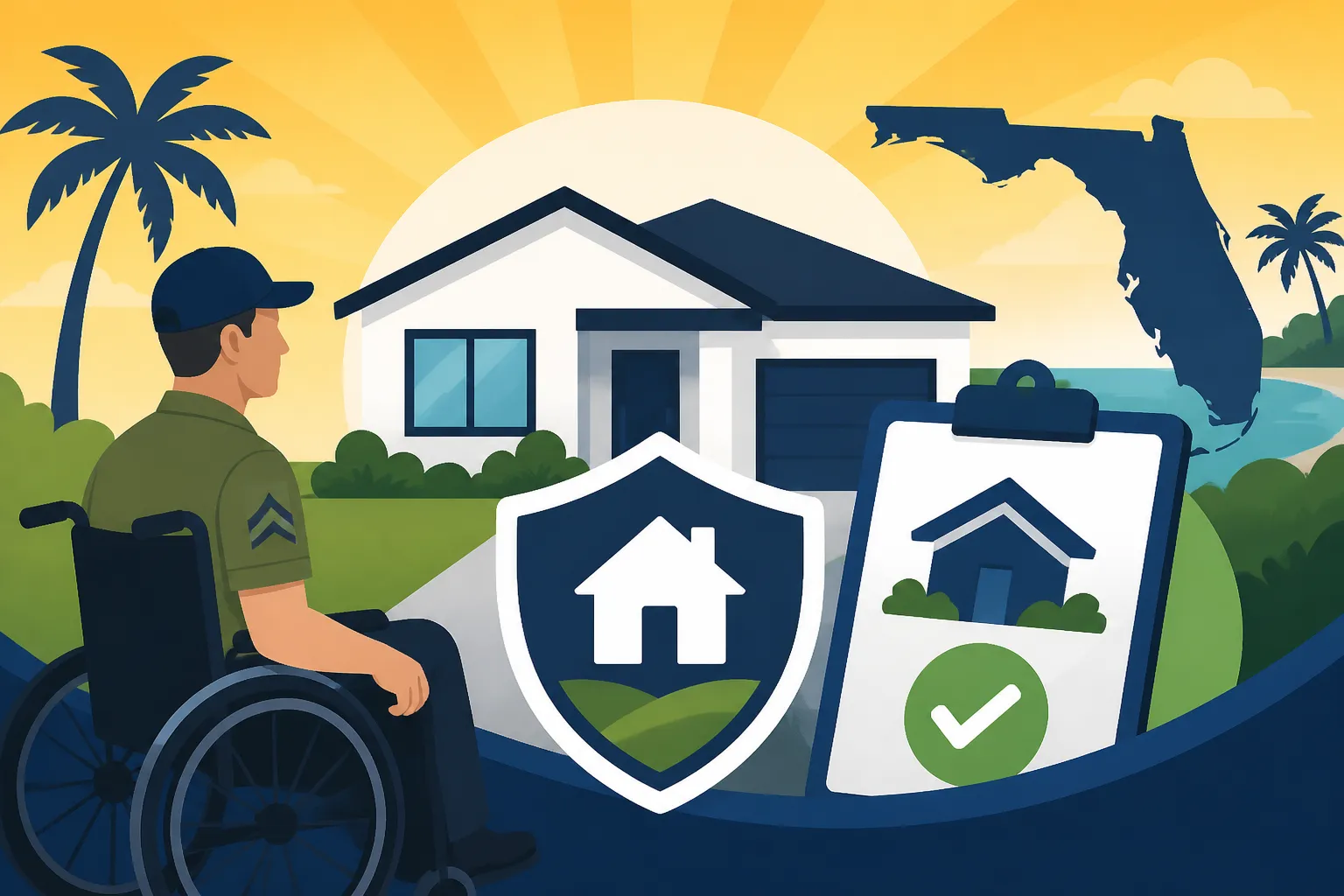
Facing the rising tide of property taxes can feel like a constant battle, especially when you've already sacrificed so much for our country. For disabled veterans living in Florida, the financial weight of property taxes can be particularly burdensome, despite the immense gratitude and respect our communities hold for your service. This guide is here to cut through the confusion, clearly explaining Florida's disabled veteran property tax exemptions and how you can secure the relief you so rightly deserve.
Understanding Florida's Disabled Veteran Property Tax Exemption Structure
Florida has long recognized the immense sacrifices made by its veterans, offering crucial property tax exemptions designed to ease the financial burden on those with service-connected disabilities. It's not just a gesture; it's a vital support system that can make a real difference in your monthly budget and overall quality of life. However, it's easy to get lost in the details, as there isn't just one blanket exemption. Instead, Florida provides a tiered system, each with its own set of criteria and benefits.
The Core Benefit for Service-Connected Disabilities (10% or More)
Let's start with the foundation. If you're a veteran who has a service-connected disability rating of at least 10%, you may be eligible for a significant property tax exemption in Florida. This isn't a full exemption, but it's a very helpful reduction. Specifically, the state offers a $5,000 exemption from the assessed value of your homestead property.
Think of it this way: when your local property appraiser calculates your property's value for tax purposes, they'll essentially subtract $5,000 from that value before applying the tax rate. While $5,000 might not sound like a huge sum on a high-value home, it translates into real savings on your annual property tax bill. For instance, if your local millage rate (which is how property tax rates are often expressed) is 20 mills ($20 per $1,000 of assessed value), that $5,000 exemption would save you $100 per year. Over a decade, that's $1,000 – money that could go towards home repairs, utilities, or simply enjoying your well-deserved retirement. This exemption is tied directly to the degree of your service-connected disability and acts as a thank you for your enduring contributions.
The 100% Permanent and Total Disability Exemption: A Full Waiver
Now, this is where the major relief comes in for many. Florida offers an even more substantial exemption for veterans who have been certified by the U.S. Department of Veterans Affairs (VA) as having a 100% service-connected permanent and total disability. This isn't just a reduction; it's a total exemption from property taxes on your homestead property.
Imagine waking up knowing that your primary residence, the place you call home, is entirely free from the burden of property taxes. For many veterans and their families, this isn't just a financial relief, it's a profound peace of mind. This exemption acknowledges the profound impact that a 100% permanent and total service-connected disability has on a veteran's life and financial well-being. It means that the portion of your property value that would normally be taxed is reduced to zero, resulting in a $0 property tax bill. This exemption can also extend to a surviving spouse under specific circumstances, allowing them to continue to benefit from the tax relief after the veteran's passing, provided they remain a Florida resident and meet other criteria. This crucial detail helps provide long-term stability for military families who have already faced so much. It’s also worth noting that this particular exemption is one of the most generous in the nation, making Florida an attractive place for many disabled veterans to settle.
Eligibility Requirements and Documentation
Navigating the application process for property tax exemptions can feel like trying to solve a puzzle, especially when you're dealing with bureaucracy. But don't worry, once you understand the core eligibility requirements and precisely what documents you'll need, the path forward becomes much clearer. The key is to be meticulous and proactive, ensuring you have all your ducks in a row well before the application deadlines. This meticulousness can make all the difference in securing the relief you're entitled to.
Who Qualifies for the Exemption?
Eligibility for Florida's disabled veteran property tax exemptions hinges on a few critical factors that are designed to ensure the benefits go to those who have truly earned them through their service and sacrifice. Let's break down the two main categories of qualifications:
First, for the $5,000 exemption, you must be a veteran who served during a period of wartime or conflict, as defined by Florida Statutes. More importantly, you need to have a service-connected disability of at least 10%, as certified by the U.S. Department of Veterans Affairs (VA) or its predecessor. This means that a medical condition or injury directly resulted from or was aggravated by your time in service. You must also be a permanent resident of Florida and own and reside on the property as your primary homestead. This is not for investment properties or vacation homes; it's for the place you truly live.
Second, for the 100% permanent and total disability exemption, the criteria are naturally more stringent, reflecting the comprehensive nature of the benefit. You must be a veteran who is honorably discharged from military service and has been certified by the VA as having a 100% service-connected permanent and total disability. "Permanent and total" is key here, indicating that the disability is not expected to improve and significantly impacts your ability to work. Similar to the $5,000 exemption, you must own and reside on the property as your primary homestead in Florida. This exemption is especially impactful, as it completely eliminates the property tax burden, offering profound financial stability for those facing severe service-related challenges. Understanding these distinctions is crucial, as misinterpreting your eligibility could lead to delays or rejection. For a broader look at available benefits, you might want to check out our guide on Disabled Veteran Property Tax Exemption by State.
Essential Documents You'll Need
Gathering the right paperwork is often the biggest hurdle, but it's absolutely essential. The local property appraiser's office needs concrete proof to process your exemption, and they can't make exceptions for missing items. Having these documents ready before you even start the application process will save you a lot of headaches and potential delays.
Here's a checklist of the crucial documents you'll typically need:
- Proof of Honorable Discharge: This is usually your DD214, Certificate of Release or Discharge from Active Duty. This document verifies your military service and discharge status. If you don't have it, you can request it from the National Archives.
- Official VA Disability Letter: This is perhaps the most critical document. You need a recent, official letter from the U.S. Department of Veterans Affairs (VA) that clearly states your service-connected disability rating and, if applicable, confirms your 100% permanent and total disability status. The letter must explicitly use the term "service-connected" and specify the percentage. A general doctor's note or a letter simply stating you have a disability won't suffice.
- Proof of Florida Residency: The homestead exemption is for Florida residents. You'll typically need to provide documents like your Florida driver's license, Florida voter registration card, or other official documents that establish your permanent residency in the state.
- Proof of Property Ownership: This is usually your property deed, which demonstrates that you are the legal owner of the homestead property for which you are seeking the exemption.
- Application Form: Each county's property appraiser's office will have a specific application form (often Florida Department of Revenue Form DR-501DV, or a similar local version). You'll fill this out with your personal and property details.
Make multiple copies of everything before you submit, and keep the originals in a safe place. You never know when you might need them again, and having a personal archive can be a real lifesaver if anything goes amiss during the application process.
The Application Process: Step-by-Step
Applying for property tax exemptions can sometimes feel like navigating a bureaucratic maze, but I promise, it's a navigable one with the right roadmap. Florida's system is designed to be accessible, though it requires attention to detail and adherence to deadlines. Knowing each step will empower you to move through the process confidently and successfully secure your much-deserved relief. It's about taking one manageable step at a time, and before you know it, you'll be on the other side.
Finding Your Local Property Appraiser's Office
The journey to securing your property tax exemption begins at your local property appraiser's office. Unlike some state-level programs, property tax exemptions in Florida are administered at the county level. This means you won't be dealing with a statewide agency for the application itself, but rather the office responsible for assessing property values in your specific county.
For example, if you reside in the Tampa Bay area, you'll contact the Hillsborough County Property Appraiser. If you're down in South Florida, the Miami-Dade Property Appraiser's office will be your point of contact. Every county in Florida has one of these offices, and their websites are typically a treasure trove of information. You can usually find the application forms, detailed instructions, contact information, and even online portals for submitting documentation. A quick search for "[Your County Name] Property Appraiser" will typically lead you straight to their official site. It's crucial to interact with your county's office, as procedures can vary slightly from one jurisdiction to another, even though the state laws governing the exemptions are uniform. They are the experts on local property tax matters and can offer personalized guidance. You can also gain insight into how valuations work by exploring our guide on Property Tax Assessment & Reassessment Explained.
Completing and Submitting the Application
Once you've identified your local property appraiser's office, the next step is to get your hands on the right application form and fill it out meticulously. The primary form for disabled veteran exemptions in Florida is typically Form DR-501DV, Application for Veteran's Exemption. You can often download this directly from your county property appraiser's website or the Florida Department of Revenue website.
Take your time filling out the form. Ensure all information is accurate and matches your supporting documents. Any discrepancies could lead to delays. You'll need to provide your personal details, property information, and, crucially, attach all the required documentation we discussed earlier, such as your DD214 and the official VA disability rating letter. The most critical aspect of submission is the deadline. In Florida, the deadline to apply for any property tax exemption for the current tax year is March 1st. Missing this date means you'll likely have to wait until the next tax cycle to receive the benefit, which can be incredibly frustrating. While some counties might offer limited provisions for late filing under very specific circumstances, it's always best practice to submit well in advance of the March 1st cut-off. Some counties even allow for online submission, which can streamline the process significantly. Always keep a copy of your submitted application and any confirmation receipts. This record-keeping habit is your best friend when dealing with important financial matters.
Maintaining Your Exemption and Surviving Spouses
Securing your exemption is fantastic, but it's equally important to understand how to keep it and what happens if circumstances change. Thankfully, in Florida, once you are granted the disabled veteran property tax exemption, you generally do not need to reapply every single year unless there's a change in your eligibility or property ownership. Your local property appraiser's office will typically carry the exemption forward automatically. However, it's always wise to review your annual Notice of Proposed Property Taxes (TRIM notice) to ensure the exemption is still applied correctly. If you sell your homestead and purchase a new one, you will need to reapply for the exemption for your new residence. Similarly, if there's a change in your disability rating from the VA, you should inform your property appraiser's office.
For surviving spouses, the continuity of this benefit is a significant relief. If a veteran who qualified for the 100% service-connected permanent and total disability exemption passes away, their unremarried surviving spouse may continue to receive the full exemption on the homestead property. To qualify, the surviving spouse must:
- Have been a Florida resident at the time of the veteran's death.
- Continue to reside on the property as their primary homestead.
- Remain unremarried.
The surviving spouse will need to provide documentation to the property appraiser's office to confirm their eligibility and maintain the exemption. This includes proof of the veteran's exemption and a death certificate. This provision offers invaluable financial security to families who have already endured profound loss. It’s a powerful testament to Florida’s commitment to its military families. For more details on related benefits, you might consider reading about Property Tax Exemptions for Surviving Spouse.
Common Pitfalls and Expert Tips for Disabled Veterans
Even with the best intentions, the process of applying for property tax exemptions can have its stumbling blocks. It’s not about making mistakes; it’s about being aware of potential pitfalls beforehand and knowing how to avoid them. Drawing on years of seeing folks navigate these waters, I’ve got some insights that can smooth your journey considerably. These aren’t just rules; they’re practical pieces of advice born from real-life experiences.
Don't Miss the Deadline!
I cannot stress this enough: the March 1st deadline in Florida is paramount. This isn't a suggestion; it's a hard and fast rule set by the state. Every year, I hear stories of veterans who, for one reason or another, miss this crucial date, only to find themselves paying a full property tax bill they didn't have to. The local property appraiser's office, while sympathetic, is bound by law and generally cannot grant an exemption for a missed deadline for the current tax year.
What does this mean for you? Plan ahead. If you're a new Florida resident or a veteran who recently received your VA disability rating, make it a priority to get your application submitted well before March 1st. Don't wait until February 28th! Gather your documents, complete your form, and submit it, allowing for any unforeseen delays. Some counties might offer a limited window for late filing (up to early September) if you can demonstrate "extenuating circumstances," but these are rare and often require substantial proof. It's far better to be early and avoid the stress and the potential financial hit. This date is as important as remembering your Property Tax Due Dates by State so mark it on every calendar you own!
Ensure Your Documentation is Accurate and Complete
This might seem obvious, but incomplete or inaccurate documentation is one of the leading causes of application delays or rejections. The property appraiser's office needs clear, undeniable proof of your eligibility. They can't assume; they must verify.
The most common issue I see revolves around the VA disability letter. It must clearly state your service-connected disability rating and specify the exact percentage. For the 100% exemption, it needs to explicitly say "100% permanent and total service-connected disability." A letter that simply says you have a "disability" or mentions a rating without explicitly stating it's "service-connected" will likely cause problems. Double-check every field on your application form for accuracy, too. A simple typo in your address or veteran ID number could create a hurdle. Before submitting, create a folder with copies of everything you send. This way, if there's ever a question, you have your own records to refer to instantly, saving you time and frustration. Taking these extra steps ensures your application moves through the system as smoothly as possible.
Understanding How the Exemption Reduces Your Bill
It's easy to get an exemption and just assume the tax bill will be lower, but truly understanding how it reduces your bill gives you a clearer picture of your financial situation and can prevent surprises. Property taxes in Florida, like in most places, are calculated based on your property's assessed value multiplied by the local millage rate (or tax rate).
The disabled veteran exemptions work by reducing your property's assessed value before that rate is applied. For example, if your home is assessed at $300,000 and you qualify for the $5,000 exemption, your taxable value becomes $295,000. Your tax bill will then be calculated using that lower $295,000 figure. If you qualify for the 100% permanent and total disability exemption, your taxable value drops to $0, meaning no property taxes are owed on your homestead. This is distinct from other potential benefits like the standard Florida Homestead Exemption (March 1 Deadline), which also reduces your assessed value. These exemptions stack, meaning you can benefit from both if you qualify for each. Knowing these nuances can help you accurately estimate your property tax burden and understand your How to Read Your Property Tax Bill thoroughly. Don't just look at the bottom line; understand how it got there.
| Exemption Type | Eligibility Criteria | Benefit | Key Documents |
|---|---|---|---|
| Service-Connected Disability ($5,000 Exemption) | Florida resident, veteran with at least 10% service-connected disability from VA, homestead property. | $5,000 reduction from assessed value of homestead. | DD214, VA letter (10%+ service-connected), Proof of Residency, Deed. |
| 100% Permanent & Total Service-Connected Disability | Florida resident, veteran with 100% service-connected permanent & total disability from VA, homestead property. | Full property tax exemption on homestead. | DD214, VA letter (100% P&T service-connected), Proof of Residency, Deed. |
| Surviving Spouse (of 100% P&T Veteran) | Unremarried, Florida resident, resided with veteran at death, continues to reside on homestead. | Continues veteran's 100% property tax exemption. | Veteran's VA letter, Death Certificate, Proof of Residency. |
Disclaimer
The information provided in this guide is for general informational purposes only and does not constitute legal, financial, or tax advice. Property tax laws and exemptions can be complex and are subject to change. Always consult with your local property appraiser's office, a qualified attorney, or a tax professional for advice tailored to your specific situation.