Ownwell Review: Property Tax Appeal Service
That annual property tax bill can feel like a punch to the gut, especially when your home's assessed value seems out of whack. It’s a common frustration, leaving many homeowners wondering if there's anything they can do to challenge what feels like an unfair burden. This comprehensive guide will take a deep dive into Ownwell, a property tax appeal service designed to help you navigate the often-confusing world of property tax protests and potentially save you money.
Understanding the Property Tax Appeal Landscape
Let's face it, property taxes are rarely simple. They're determined by a complex interplay of local government needs, assessed property values, and various rates set by different taxing entities, from your school district to the county. When your assessment comes in higher than you expect, or higher than comparable homes in your neighborhood, it can feel overwhelming to even know where to begin to challenge it.
The Challenge of DIY Property Tax Appeals
Many homeowners initially consider tackling a property tax appeal on their own. And honestly, I get it! No one wants to spend money on something they think they can do themselves. The idea is to save money on the appeal itself to maximize your potential tax savings. However, the reality of a DIY appeal often involves hours of meticulous research, digging through public records for comparable sales, understanding complex legal jargon, and preparing a compelling case. You need to know your local Property Tax Assessment & Reassessment Explained processes, understand What Is a Mill Rate? (Millage Explained), and be aware of specific Property Tax Appeal Deadlines by State. For someone juggling work, family, and life in general, finding that kind of dedicated time and expertise can be a huge hurdle. Plus, knowing exactly what evidence truly sways an appraisal review board is a skill in itself.
The Role of Property Tax Appeal Services
This is where professional property tax appeal services come into play. These companies specialize in handling the entire protest process on behalf of homeowners. They typically have access to specialized data, experienced analysts, and often, licensed agents who understand the nuances of local appraisal districts and the best strategies for a successful appeal. Their goal is to streamline the process, taking the burden off your shoulders while maximizing your chances of a reduction. They know the ins and outs of both Informal vs Formal Property Tax Hearings and how to effectively present an argument.
What is Ownwell and How Does it Work?
Ownwell is one such property tax appeal service that has gained significant traction by leveraging technology and a data-driven approach. They aim to simplify the process of protesting your property taxes, making it more accessible and less intimidating for the average homeowner. Instead of you spending countless hours on research and paperwork, Ownwell steps in to manage the heavy lifting, from initial analysis to representing your case during a hearing.
Ownwell's Core Service Offering
At its heart, Ownwell provides a service where they analyze your property's assessment, identify potential grounds for an appeal, gather the necessary evidence, and then either negotiate with the appraisal district or represent you at a formal hearing. Their business model is often built on a contingency fee, meaning they only get paid a percentage of the savings they achieve for you. This structure can be incredibly appealing to homeowners because there's no upfront cost, aligning Ownwell's success directly with yours. They take on the financial risk, which can be a huge relief if you're already feeling the pinch from high property taxes.
The Technology Behind Ownwell's Approach
Ownwell differentiates itself by leaning heavily on technology and data analytics. When you sign up, you provide them with your property address, and their systems get to work. They pull publicly available data on your property, surrounding comparable sales, and assessment trends in your area. This digital legwork allows them to quickly identify discrepancies or overvaluations that might be missed by a less sophisticated approach. They analyze things like the Assessed Value vs Market Value vs Taxable Value of comparable homes, looking for evidence of unequal appraisal or an overinflated market valuation that doesn't quite reflect reality. This tech-driven efficiency helps them process a large volume of appeals, offering a scalable solution to property tax woes.
The Ownwell Process: A Step-by-Step Breakdown
When you decide to work with a service like Ownwell, understanding the journey your appeal will take can help alleviate some of the stress. It’s not just a "set it and forget it" process, though it certainly feels that way from the homeowner’s perspective. There are distinct stages that Ownwell manages diligently.
Step 1: Initial Assessment and Data Collection
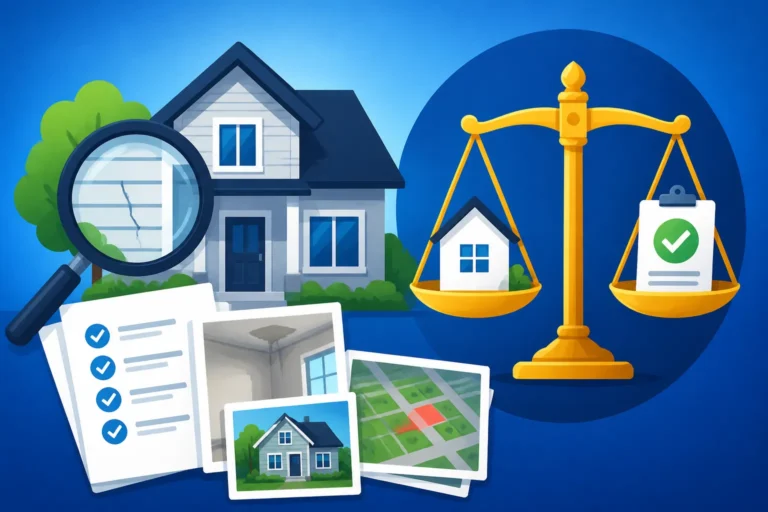
The very first step with Ownwell is typically a free assessment to see if you even have a viable case. You simply provide your address and some basic information about your property. Ownwell then utilizes its proprietary algorithms and data systems to compare your property's assessed value with that of similar homes in your neighborhood that have recently sold. They look for strong indicators of overvaluation or unequal appraisal. If their analysis suggests a good chance of success, they'll present you with their findings and a proposal for their service. This initial stage is crucial because it helps homeowners understand if Is It Worth Appealing Property Taxes? in their specific situation.
Once you agree to proceed, Ownwell will gather all necessary documentation and officially file a protest on your behalf with the local appraisal district. This usually involves submitting a formal "Notice of Protest," which kickstarts the official appeal timeline. They’ll ensure all forms are correctly filled out and submitted before the local Texas Property Tax Protest Deadline & ARB Process or other state-specific deadlines, which can be surprisingly tight.
Step 2: Evidence Gathering and Case Building
After the protest is filed, Ownwell's team of property tax experts and data analysts gets down to business, compiling a robust case. This isn't just about throwing numbers at the wall; it's about crafting a persuasive argument based on solid evidence. They'll delve deeper into comparable sales, identifying properties that are truly similar in terms of size, age, condition, and location that have sold for less than your property's assessed value. They also consider things like recent market trends, any damage to your property not reflected in its assessment, or even unique characteristics that might negatively impact its value compared to others.
This involves looking for what appraisers call "unequal appraisal" evidence, where similar properties are valued lower, or "market value" evidence, where the assessed value exceeds what your home would likely sell for on the open market. They understand the difference between Assessed Value vs Market Value vs Taxable Value and how to leverage those distinctions. They aim to gather all the compelling data needed to make your case undeniable, whether it's through negotiation or a formal hearing. This level of detail and expert insight is often what sets a professional service apart from a DIY attempt.
Step 3: Representation at Informal and Formal Hearings
Once the evidence is compiled, Ownwell takes on the role of your representative. Most property tax appeals start with an informal review with the appraisal district. This is often a discussion between the property owner (or their agent) and an appraiser from the district. Ownwell's agents are skilled negotiators who will present your case, share their compiled evidence, and attempt to reach a settlement. They understand the district's valuation methods and how to effectively challenge them.
If an agreement isn't reached at the informal stage, the case proceeds to a formal hearing before an Appraisal Review Board (ARB) or a similar body, depending on your state. This is where the service truly shines, as having an experienced representative who understands the formal procedures, knows how to present Evidence & Comps for a Property Tax Appeal, and can answer questions articulately is invaluable. They handle all the communication and appearance, sparing you the time and stress of attending these potentially intimidating meetings yourself. They might even prepare arguments related to Unequal Appraisal vs Market Value Arguments, which are key in many states like Texas.
Key Benefits and Potential Drawbacks of Using Ownwell
Like any service, especially one dealing with something as personal as your home and finances, Ownwell comes with its own set of advantages and considerations. It's important to weigh these before making a decision.
Advantages of Partnering with Ownwell
One of the biggest advantages is the sheer convenience and time-saving aspect. Imagine not having to spend your evenings and weekends poring over county records, calling agents, or navigating bureaucratic websites. Ownwell handles all of that, freeing up your valuable time. Their expertise also means they are more likely to uncover opportunities for reduction that you might miss. They understand the intricacies of local tax codes and assessment methodologies, which can be incredibly complex.
Another significant benefit is the contingency-fee model. This "no win, no fee" approach is very attractive. If Ownwell doesn't save you money, you don't pay them a cent. This significantly reduces your financial risk and gives you peace of mind that their incentives are perfectly aligned with yours. This also applies to services like O'Connor, which operates on a similar basis, providing accessible relief to many homeowners. They're motivated to get you the best possible reduction. Furthermore, their data-driven approach provides a strong, evidence-backed argument, increasing your chances of a successful appeal compared to a less informed DIY effort. Their technology allows for a broader and deeper analysis than most individuals could undertake alone.
Potential Drawbacks and Considerations
While the contingency fee is a major plus, it also means that if you do win your appeal, Ownwell will take a percentage of your savings. For some, this might feel like a drawback—you're paying for a service you might have been able to do yourself (if you had the time, knowledge, and patience!). It's a trade-off: convenience and expertise for a share of the savings. You'll need to consider if the percentage they charge is worth the value they provide in terms of time saved and increased likelihood of success.
Another point to consider is the personal touch. While Ownwell does have agents, the initial process is highly automated. Some homeowners prefer a more traditional, face-to-face interaction with an agent or consultant from the very beginning. If you have very specific, unique circumstances about your property that might require extensive personalized attention beyond what their data models initially flag, you might feel a slightly less bespoke experience. However, once your case is deemed viable, their team does step in with personalized representation. Also, while Ownwell works across many states, ensure they operate effectively in your specific county and understand its unique nuances, such as Los Angeles County Property Tax Assessment Guide or Cook County Property Tax Assessment Guide.
Who is Ownwell Best Suited For?
Understanding whether Ownwell is the right fit for your situation can save you time and potential frustration. Not every property owner has the same needs or priorities when it comes to property tax appeals.
Homeowners Seeking Convenience and Expertise
If you're a homeowner who feels overwhelmed by the property tax appeal process, doesn't have the time to research comparables, or simply wants a professional to handle it from start to finish, Ownwell is definitely worth considering. This service is ideal for busy individuals or those who find legal and bureaucratic processes intimidating. They excel at simplifying complex tasks. Imagine the relief of not having to gather documentation, track deadlines, or prepare for a hearing yourself. Ownwell takes that entire workload off your plate. This convenience is a primary driver for many of their clients, allowing them to focus on other aspects of their lives rather than stress over their property taxes.
Properties with Clear Overvaluation Potential
Ownwell's data-driven model thrives when there's clear evidence of overvaluation or unequal appraisal. If homes similar to yours in terms of size, condition, and location have recently sold for significantly less than your assessed value, or if you know your property has condition issues that haven't been reflected in the assessment, you're likely a strong candidate for their service. Their algorithms are designed to spot these discrepancies quickly and efficiently. For example, if you live in a neighborhood where property values have dipped, but your assessment hasn't caught up, Ownwell's system would likely flag this as a strong appeal opportunity. Their focus is on finding these clear-cut cases where data can make a compelling argument, often leading to successful outcomes that can reduce your Property Tax vs Home Value: What Drives Your Bill.
When Ownwell Might Not Be the Best Fit
Conversely, if you're someone who genuinely enjoys diving deep into research, gathering your own evidence, and representing yourself, a service like Ownwell might not be necessary. The potential savings percentage they take could feel like an unnecessary expense if you're confident in your ability to manage the appeal yourself. For those who are retired or have ample free time and a keen interest in the process, a DIY approach could be more cost-effective.
Furthermore, if your property has highly unique characteristics that make direct comparisons difficult, or if your case hinges on very specific, nuanced arguments that aren't easily quantifiable by data algorithms (e.g., a specific environmental issue affecting your property alone), a traditional, local property tax consultant with deep hyper-local knowledge might provide a more tailored service. While Ownwell’s agents are experienced, the initial data analysis is broad, so highly specialized cases might require more direct human investigation from the outset.
Ownwell vs. Other Property Tax Appeal Services
The landscape of property tax appeal services has grown, offering homeowners a few different options. It's helpful to understand how Ownwell stacks up against other popular choices, such as O'Connor, especially when making an informed decision.
Comparing Business Models and Approaches
Most reputable property tax appeal services, including Ownwell and O'Connor, operate on a contingency fee basis. This is a standard and consumer-friendly model where the service only earns money if they successfully reduce your property taxes, taking a percentage of the savings. This approach largely removes the upfront financial risk for the homeowner. However, the percentage they charge can vary, so it's always wise to clarify this detail.
Where they often differ is in their operational approach. Ownwell prides itself on its technology-driven, streamlined process. Their initial analysis is highly automated, using algorithms to quickly identify potential appeal opportunities. This allows them to scale their services and potentially offer faster initial feedback. O'Connor, on the other hand, also has a significant online presence and uses technology, but their model historically has a strong emphasis on experienced property tax consultants and localized market expertise, particularly in Texas where they are well-established. They might have a more traditional client intake process, or a stronger emphasis on in-person agent interactions for certain types of properties or complex cases, though they also offer robust online tools.
Reach and Specialization
Both Ownwell and O'Connor operate in numerous states, but their specific strengths and depth of local coverage can vary. Ownwell has expanded rapidly, offering services in many key markets across the U.S. Their scalable technology allows them to cast a wide net.
O'Connor, particularly in Texas (where they're often branded as "Cut My Taxes"), has a deeply entrenched presence and local expertise, often protesting hundreds of thousands of properties each year. This means they have an extensive understanding of specific county appraisal districts, their processes, and even individual appraisers. If you're in a market where one service has a historically dominant and deeply local presence, that might be a factor to consider. For example, knowing the intricacies of Harris County (HCAD) Property Tax Protest versus Dallas County (DCAD) Property Tax Protest can make a difference.
Here's a quick comparison table to illustrate some key differences:
| Feature | Ownwell | O'Connor (Cut My Taxes) | DIY Approach |
|---|---|---|---|
| Business Model | Contingency fee (percentage of savings) | Contingency fee (percentage of savings) | No direct service fee (your time is the cost) |
| Technology Focus | High (data-driven algorithms for initial analysis) | High (robust online tools, established data) | Low (manual research required) |
| Convenience | Very High (handles everything) | High (handles everything) | Low (requires significant time and effort) |
| Expertise | Professional agents, data analysts | Professional agents, local market experts | Varies by homeowner's research and understanding |
| Risk to Homeowner | Low (no win, no fee) | Low (no win, no fee) | Low (time investment, potential for no reduction) |
| Personalized Attention | Good (agents for hearings) | Good (local agents, in-depth market knowledge) | High (you control every aspect) |
| Reach | Growing national presence | Strong national presence, deeply rooted in Texas | Dependent on homeowner's location and resources |
| Ideal For | Busy homeowners, clear overvaluation cases | Homeowners wanting professional help, complex cases | Time-rich, detail-oriented homeowners |
Which One is Right for You?
The "best" service really depends on your individual needs and location. If you value a modern, tech-forward approach with a strong track record and are comfortable with a largely online interaction until formal representation, Ownwell could be an excellent choice. If you're in a market like Texas and appreciate a service with a deep, long-standing local footprint, O'Connor might resonate more. Ultimately, both aim to achieve the same goal: lowering your property tax bill. It's often a good idea to check out reviews and compare specific offerings, including their fee percentages, in your particular area before deciding. Services like Ownwell and O'Connor often offer free consultations or assessments, which is a great way to get a feel for their approach without commitment.
What to Consider Before Choosing a Property Tax Appeal Service
Choosing a service to handle your property tax appeal is a significant decision. You're entrusting them with a part of your financial well-being, so it's wise to do your homework. Beyond just comparing companies like Ownwell and O'Connor, there are broader factors to keep in mind.
Understanding Fee Structures and Transparency
Always, always start by understanding the fee structure. As mentioned, most services like Ownwell operate on a contingency basis, meaning they take a percentage of your saved property taxes. This is generally preferred over upfront fees because it aligns their success with yours. However, inquire about the exact percentage. Is it 25%, 30%, or more? Also, ask if there are any hidden fees, administrative charges, or if the percentage applies to the first year's savings only or multiple years if the reduction carries over. A reputable company will be completely transparent about their costs upfront. Be wary of any service that demands payment before any savings are realized or isn't clear about their pricing model.
It's also important to understand how savings are calculated. Is it just the county tax, or does it include school and city taxes too? A full How to Read Your Property Tax Bill will show you the various taxing entities, and your savings should ideally apply across the board.
Checking Track Record and Reputation
Before committing to any service, take the time to research their track record and reputation. Look for online reviews on independent platforms, check with your local Better Business Bureau, and see if they have any complaints filed against them. How long have they been in business? Do they specialize in residential property appeals, or do they also handle commercial properties? A service with a consistent history of client satisfaction and successful appeals is a good sign.
Consider asking about their success rates or at least what percentage of their cases result in some form of reduction. While no one can guarantee a specific outcome, a company that consistently achieves reductions for its clients speaks volumes. Remember, services like Ownwell thrive on volume and positive outcomes, so a good reputation is essential to their business model.
Local Expertise and Representation
While national services like Ownwell leverage broad data, the nuances of property tax laws can vary significantly from state to state and even county to county. For instance, the rules for a California Property Tax Rate Under Prop 13 appeal are very different from those governing a Texas Homestead 10% Cap Explained protest. Ensure the service you choose has actual expertise in your specific local appraisal district. Do they have agents who are familiar with the local appraisers and review boards? Have they successfully protested properties in your specific city or county before?
This local insight can be crucial. An agent who understands the typical arguments used by your county's appraisal district or knows the tendencies of your Appraisal Review Board can tailor their approach for a higher chance of success. Ask if their representatives attend hearings in person (if applicable to your state's process) or if all communication is handled remotely. While remote efficiency is good, sometimes a local presence makes a tangible difference.
Disclaimer
The information provided in this guide regarding property tax appeal services, including Ownwell and O'Connor, is for general informational purposes only and does not constitute financial, legal, or tax advice. Property tax laws and assessment procedures vary significantly by state and local jurisdiction. We strongly recommend consulting with a qualified tax professional, attorney, or the respective appraisal district for advice tailored to your specific situation.