What Happens If You Don’t Pay Property Taxes in New York?
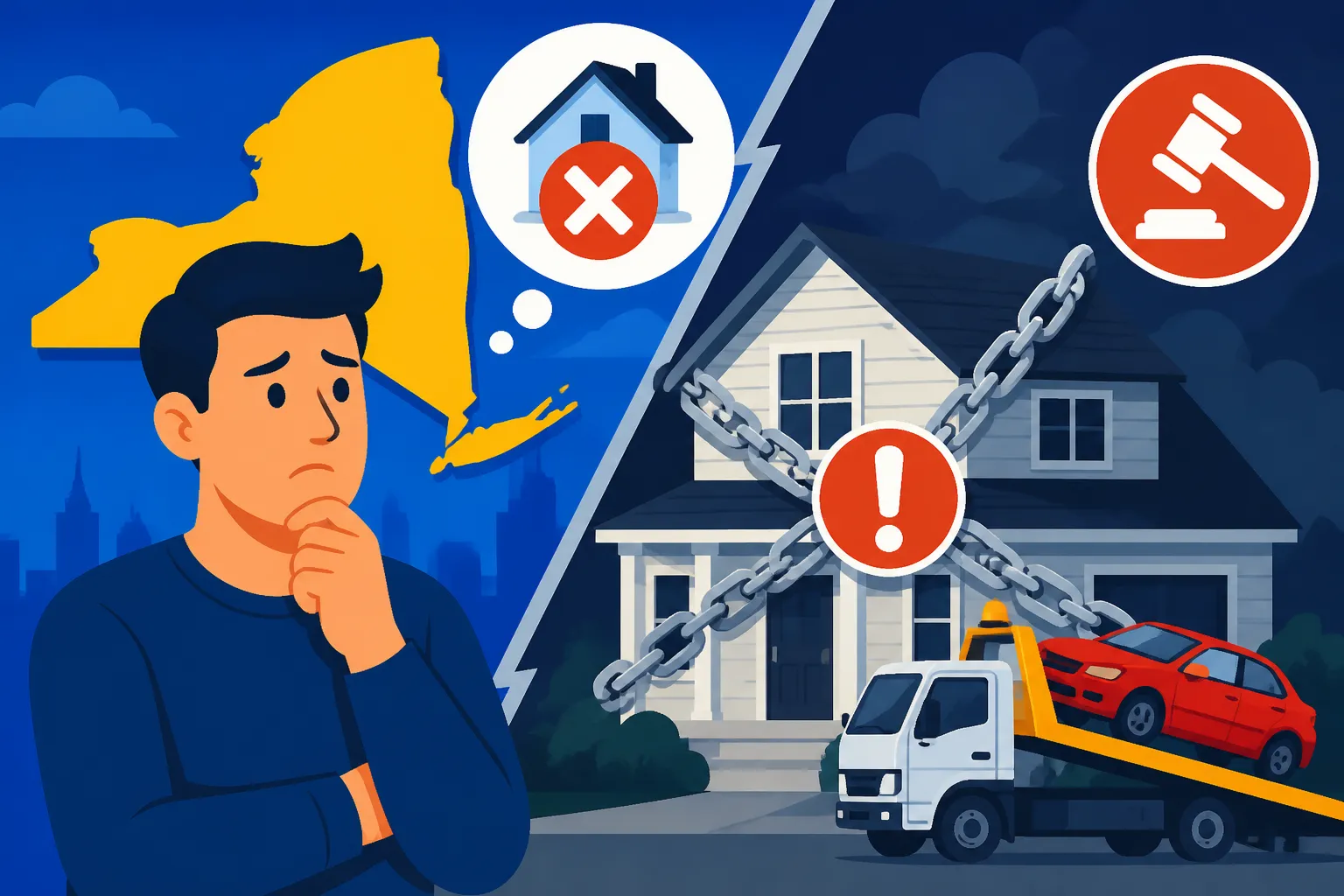
It's a terrifying thought, isn't it? That nagging worry about falling behind on your property taxes, and what that truly means for your home here in New York. You're not alone in that anxiety. Many homeowners find themselves in a tough spot, and the state's property tax system can feel like a labyrinth. This guide is here to unravel what exactly happens if those property tax payments in New York aren't made, detailing the steps from initial penalties to the most serious outcomes, and crucially, what you can do about it.
The Initial Shock: Penalties and Interest Accumulate
When life throws curveballs, sometimes property tax bills are the first things to get pushed aside. It's easy to think you'll catch up next month, but in New York, that delay can start a snowball effect of additional charges. Understanding these initial penalties is the first step in grasping the seriousness of the situation.
Understanding New York's Penalty Structure
In New York, property taxes are generally administered at the local level by counties, cities, towns, and villages, and each municipality can have slight variations in its specific penalty schedule. However, a common thread across the state is that once a payment deadline is missed, interest and penalties begin to accrue almost immediately. For example, in many areas, a monthly interest rate of 1% to 1.5% might be added to the unpaid balance, sometimes compounding. This might not sound like a lot at first glance, but if you have a significant tax bill of, say, $5,000, that's an extra $50 to $75 every single month just in interest, not to mention any additional late fees or administrative charges that the specific municipality might impose.
Consider a homeowner in Albany County who misses their January 31st deadline for the first installment of their town and county taxes. The town might immediately add a 1% penalty for February, and then an additional 1% for each subsequent month the payment remains outstanding. Over several months, these small percentages quickly add up, turning an already difficult situation into an even bigger financial burden. It’s not just about the tax itself; it’s about the escalating cost of inaction.
When Does the Clock Start Ticking?
The precise timing for when the "clock starts ticking" on penalties depends entirely on your specific taxing authority within New York. Generally, property tax bills in New York are issued annually, often in late December or early January, with payment due dates sometimes split into two installments. For instance, in many parts of upstate New York, the first half might be due in late January, and the second half by the end of May. Cities like New York City, however, have different schedules, often quarterly, with due dates varying based on the fiscal year.
A common scenario is that if a payment isn't received by the stated due date, a grace period might or might not be granted, depending on the local rules. Once past this (often non-existent) grace period, the initial penalty is applied. For example, if your property taxes in a town in Erie County are due by February 15th, and you mail your check on February 16th, you could already be subject to a late penalty. It's crucial to check your specific tax bill or contact your local tax assessor's office for the exact deadlines and penalty structures. Ignoring these deadlines doesn't just mean a minor inconvenience; it signals the start of a formal collection process that can have severe implications down the line. You can learn more about specific due dates in our guide on Property Tax Due Dates by State.
The Serious Step: Property Tax Liens
If those initial penalties and interest don't prompt payment, the taxing authority will escalate its collection efforts. The next significant step in New York's process is typically the placement of a property tax lien. This is a far more serious matter than just late fees and can have profound effects on your homeownership.
How a Property Tax Lien Works in New York
A property tax lien is essentially a legal claim against your property due to unpaid taxes. When your local municipality (county, city, town, or village) determines that your property taxes are delinquent, they can file this lien. This isn't just a note on a piece of paper; it's a publicly recorded document that officially attaches to your property's title. This lien serves as notice to the world that the government has a claim on your home until those outstanding taxes, along with any accrued penalties and interest, are paid in full.
In New York, the process for filing a lien can vary. In some larger jurisdictions like New York City, delinquent taxes automatically become a lien on the property. In other counties, there might be a more formal step where the county treasurer or tax enforcement officer files a notice of tax lien in the county clerk's office. This lien gives the taxing authority the right to eventually force a sale of the property to satisfy the debt, though this is usually a last resort after other attempts to collect have failed. The crucial thing to understand is that this lien has priority over almost all other claims on your property, including your mortgage. This means that if your home were to be sold, the property taxes would be paid off first.
The Impact of a Tax Lien on Your Home and Finances
The presence of a property tax lien on your home's title can create a cascade of negative financial consequences. First and foremost, it significantly impacts your ability to sell or refinance your property. No buyer or lender will typically proceed with a transaction if there's an outstanding tax lien, as it clouds the title and presents a risk. You would almost certainly need to pay off the lien before you could complete any sale or refinancing.
Beyond that, a tax lien can negatively affect your credit score. While property tax payments aren't typically reported to credit bureaus directly, a lien is a public record and can be picked up by credit reporting agencies, signaling financial distress. This can make it harder to secure other loans or lines of credit in the future. Furthermore, your mortgage lender will likely be notified of the lien, as it jeopardizes their collateral. Most mortgage agreements include clauses that require you to keep your property taxes current, and a lien could trigger a default on your mortgage, leading to additional fees or even foreclosure proceedings initiated by your lender, separate from the tax authority's actions. It's a severe blow to your financial stability and your home's marketability. For more on this, check out our piece on Property Tax Liens Explained.
The Dire Consequences: Tax Lien Sales and Foreclosure
If the property tax lien remains unpaid after a certain period, the taxing authority in New York will pursue more aggressive measures to collect the debt. This typically involves either a tax lien sale or a tax deed foreclosure, both of which can ultimately lead to the loss of your home.
Navigating New York's Tax Enforcement Options
New York State employs a few different mechanisms for collecting delinquent property taxes, with the specific method often depending on the county or municipality. Generally, the state leans towards either tax lien sales or tax deed foreclosures.
In a tax lien sale, which is common in larger municipalities like New York City, Buffalo, Rochester, and Syracuse, as well as some counties like Erie County and Nassau County, the local government doesn't sell the property itself, but rather sells the lien on the property to private investors. These investors essentially pay the delinquent taxes, penalties, and interest to the municipality, and in return, they acquire the right to collect that debt from you, plus additional interest, often at a high rate. The hope is that the homeowner will then pay the investor to redeem the lien.
Conversely, many other New York counties, particularly outside of the major urban centers, use a tax deed foreclosure process. In this method, if taxes remain unpaid, the county will directly move to foreclose on the property, eventually taking ownership of the property outright. Once the county has possession, they can then sell the property at a public auction. The proceeds from this sale are used to cover the outstanding taxes and any associated costs. This process typically involves a court proceeding where the county proves the taxes are owed and seeks an order to convey the property to them. This is a much more direct path to losing your home.
The Redemption Period: Your Window to Act
No matter which enforcement route your New York taxing authority takes, there is typically a redemption period—a crucial window of time during which you, the property owner, can pay off the delinquent taxes, penalties, interest, and any associated fees to reclaim your property. The length of this redemption period can vary significantly across New York, depending on the specific municipality and the type of enforcement action.
For example, in a tax lien sale scenario, the lien certificate holder (the investor) usually cannot begin foreclosure proceedings until a certain amount of time has passed, which could be anywhere from one to three years, sometimes even longer, depending on local rules and specific programs. During this time, you have the right to "redeem" the lien by paying the investor everything you owe. If you fail to redeem, the investor can then initiate a strict foreclosure action, which is a judicial process to extinguish your ownership rights.
In the case of a tax deed foreclosure by a county, the redemption period might be shorter, sometimes a year or less from the initial filing of the lien or the commencement of foreclosure proceedings. Once this period expires and if the taxes aren't paid, the county can take full title to the property, and you lose all ownership. It's vital to understand these precise timelines, as missing the redemption deadline means permanent loss of your home. The Supreme Court's Tyler v. Hennepin County decision in 2023 highlighted that homeowners have a right to the surplus equity (the difference between the sale price and the tax debt) in a tax foreclosure, a development that could impact future tax deed sales in New York, ensuring property owners aren't unjustly deprived of their home equity. However, this doesn't prevent the loss of the property itself. For more details on this, you might explore our resource on Redemption Periods & Tax Foreclosure.
Strategies to Avoid Losing Your Home
Facing the threat of a tax lien or foreclosure is incredibly stressful, but it's not a lost cause. There are proactive steps you can take to try and resolve the situation and protect your home in New York. The key is to act quickly and communicate openly.
Communication is Key: Working with Your Taxing Authority
The absolute first thing you should do when you realize you're falling behind, or have already fallen behind, on your property taxes is to contact your local taxing authority. This means reaching out to your county treasurer's office, city tax collector, or town assessor. Do not avoid their calls or letters. Ignoring the problem will only make it worse.
When you contact them, be honest about your situation and explain why you're having difficulty paying. Many municipalities in New York are willing to work with homeowners who show a genuine effort to resolve their debt. They might offer payment plans, allowing you to pay your overdue taxes in installments over a set period. This can break down a large, overwhelming sum into more manageable payments. In some cases, they might even be able to temporarily defer collection efforts if you meet certain criteria or are actively trying to sell the property. Remember, their primary goal is to collect the taxes, not necessarily to take your home. Open communication significantly increases your chances of finding a workable solution.
Exploring Financial Assistance and Property Tax Relief
Beyond direct negotiations with the taxing authority, there are often various programs and exemptions available in New York that could reduce your overall tax burden or provide direct financial assistance. It's worth thoroughly investigating these options.
For example, New York State has the STAR (School Tax Relief) program, which offers property tax reductions to eligible homeowners. There's a basic STAR exemption for owner-occupied primary residences and an enhanced STAR exemption for seniors (age 65 and older) who meet income requirements. If you haven't applied for these and you qualify, doing so could significantly lower your future tax bills, making it easier to catch up on past-due amounts. Additionally, many counties and cities offer specific exemptions for seniors, veterans, disabled homeowners, or those with limited incomes. For example, some jurisdictions offer an "Over 65" exemption or an agricultural exemption if you own farmland.
It's also worth looking into broader financial assistance programs. While less common for direct property tax payments, some local non-profits or state programs might offer aid to homeowners facing severe financial hardship. Services like Stessa, while primarily an income/expense tracking tool for landlords, can still provide a robust system for managing all your property-related finances, ensuring you have a clear picture of your cash flow and preventing future delinquency. By meticulously tracking your income and expenses, you can better allocate funds for property tax payments and avoid falling behind. A diligent approach to your finances can often prevent these problems before they become critical.
The Role of Professional Help
When the situation with unpaid property taxes becomes complex, or when you're facing imminent foreclosure, it's often wise to seek professional guidance. This isn't a sign of weakness; it's a strategic move to protect your most valuable asset.
When to Consult a Property Tax Attorney or Advisor
There are several scenarios where bringing in a property tax attorney or a specialized advisor becomes not just helpful, but absolutely crucial. If you've received a formal notice of foreclosure, a notice of tax lien sale, or if the redemption period is nearing its end, a legal professional is your best bet. An attorney specializing in real estate and property tax law can review all the documents, identify any procedural errors made by the taxing authority (which could potentially invalidate the lien or sale), and advise you on your legal rights.
They can also represent you in negotiations with the county or the lienholder, potentially securing a more favorable payment plan or even challenging the validity of the assessment itself. For instance, if you believe your property's assessed value is too high, an attorney can help you understand How to Lower Your Property Tax Assessment through an appeal, which could reduce future bills. Trying to navigate the complexities of tax law and court proceedings on your own, especially under stress, can lead to costly mistakes. An expert can ensure you understand every step and make informed decisions to protect your home.
Understanding Property Tax Loans and Their Risks
While not as prevalent for residential properties in New York as in some other states like Texas, "property tax loans" are a concept some homeowners might encounter, particularly if they're desperate to avoid foreclosure. These are typically private loans designed to pay off delinquent property taxes, often marketed as a quick solution to stop a tax lien sale or foreclosure. The private lender pays your outstanding tax bill, and in return, you owe them back the principal plus interest and fees, usually at a much higher rate than traditional loans.
While a property tax loan can provide immediate relief by stopping the tax enforcement process, they come with significant risks. The interest rates can be exorbitant, and the fees can pile up quickly. You essentially trade one debt (to the government) for another (to a private lender), often under less favorable terms. If you fail to make payments on this new loan, you could face foreclosure from the private lender, which can sometimes be an even faster and less forgiving process than a government-led tax foreclosure. Before considering such a loan, it's essential to explore all other options thoroughly, including payment plans with the county, state assistance programs, or even a home equity loan from a reputable financial institution. If you're looking for various lending options, platforms like LendingTree can connect you with different lenders, but always exercise extreme caution and seek independent financial advice when considering specific property tax loans. They should truly be a last resort.
New York Property Tax Enforcement Summary
To give you a clearer picture of the general process and the critical junctures, here's a simplified overview of what typically happens when property taxes go unpaid in New York:
| Stage | Typical Timeline (Approximate) | Key Action/Event | Potential Consequences | What You Can Do |
|---|---|---|---|---|
| Delinquency | 1-3 months after due date | Missed payment, penalties/interest accrue | Increasing debt, impact on credit (indirect) | Contact taxing authority, seek payment plan |
| Tax Lien Placement | 6-12 months after delinquency | Municipality files a legal claim on property | Clouded title, difficulty selling/refinancing | Pay off lien, negotiate payment plan |
| Notice of Enforcement | 12-24 months after delinquency | Notice of Tax Lien Sale or Foreclosure | Risk of losing property | Seek legal advice, explore all options |
| Redemption Period | Varies (e.g., 1-3 years) | Time to pay off all owed amounts | If missed, loss of property is imminent | Pay lienholder, negotiate, seek assistance |
| Tax Lien Sale / Foreclosure | After redemption period expires | Property sold or county takes ownership | Loss of your home | Very limited options, potentially surplus equity claim |
Important Disclaimer
The information provided in this guide is for general informational purposes only and does not constitute financial, legal, or tax advice. Property tax laws and procedures in New York are complex and can vary significantly by county, city, town, and village. You should consult with a qualified legal professional, tax advisor, or financial expert who is knowledgeable about your specific local regulations and personal circumstances before making any decisions. We are not responsible for any actions taken based on the information presented here.