How to Invest in Tax Liens for Beginners
It can feel overwhelming to navigate the world of investments, especially when traditional options like stocks and bonds seem so volatile or yield minimal returns. Many people are searching for alternative avenues to grow their wealth, and the concept of "tax lien investing" often surfaces as a potentially lucrative, yet often misunderstood, strategy. This comprehensive guide is here to demystify tax lien investing, breaking down what it is, how it works, and what you need to consider before diving in, all specifically tailored for beginners.
What Exactly Are Tax Liens, Anyway?
Let's start at the very beginning, because the phrase "tax lien" can sound intimidating and conjure up images of government seizure. In its simplest form, a tax lien is a legal claim against a property for unpaid property taxes. When a homeowner doesn't pay their annual property taxes – perhaps due to financial hardship, an oversight, or simply abandonment – the local government unit (like a county or municipality) is left in a bind. They rely on these tax revenues to fund essential public services such as schools, roads, police, and fire departments. To recover these crucial funds, many states have enacted laws that allow the local government to sell the tax lien to private investors.
The Problem of Unpaid Property Taxes
Every year, property owners across the country face the obligation of paying their property taxes. For many, this is a routine bill, often handled automatically through a mortgage escrow account. However, for others, especially those on fixed incomes, facing unexpected expenses, or experiencing economic downturns, paying property taxes can become a significant burden. When these taxes go unpaid, the local taxing authority, whether it's the county in Texas or a specific town in New Jersey, needs to ensure they can still operate. They can't just let the money disappear.
This is where the concept of a tax lien comes into play. Instead of immediately seizing and selling the property – which is a lengthy, costly, and often politically sensitive process – the government creates a lien against the property. This lien represents the outstanding tax debt, including penalties and interest. It effectively tells the world, "Hey, this property owes money for taxes." It's a way to ensure the government eventually gets its funds, one way or another.
Tax Lien Certificates vs. Tax Deed States
Here's where it gets really important for beginners: not all states handle delinquent property taxes in the same way, and understanding the difference between "tax lien states" and "tax deed states" is absolutely crucial. You don't want to mistakenly think you're buying a property when you're only buying a debt, or vice versa.
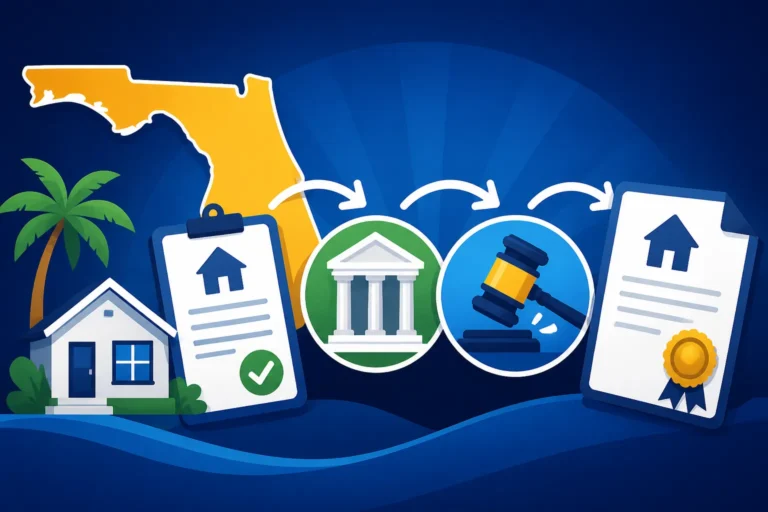
- Tax Lien States: In these states, the local government sells the lien itself, usually in the form of a tax lien certificate, to investors. When you buy a tax lien certificate, you are essentially paying the homeowner's delinquent property taxes to the government. In return, you receive the right to collect the original tax amount plus a statutory interest rate from the property owner. The property owner then has a specific period, known as the "redemption period," to pay back the taxes, penalties, and the interest to you. If they fail to do so, you, as the tax lien holder, may have the right to initiate foreclosure proceedings to take ownership of the property. This is the exception, not the rule.
- Tax Deed States: In these states, after property taxes go unpaid for a certain period, the local government itself forecloses on the property and then sells the actual deed to the property (meaning, the property itself) at a public auction. When you participate in a tax deed sale, you are bidding directly on the property, not just a lien. The goal here is to acquire the property, often at a potentially reduced price, but these sales usually come with no guarantees about clear title, and the former owner's right to redeem is often very limited or nonexistent post-sale.
It's vital to research the specific laws of any state or county you're considering for investment. You can learn more about this crucial distinction in our detailed guide on Tax Lien States vs Tax Deed States.
The Process: How Does Tax Lien Investing Actually Work?
So, you've grasped the core concept. Now, let's walk through the actual mechanics of how tax lien investing unfolds. It's not as simple as just showing up and buying something; there's a definite process involved that requires due diligence and patience.
Finding Properties with Delinquent Taxes
The first step for any aspiring tax lien investor is identifying properties with outstanding tax bills. This information is public record and typically managed by the county tax collector's office or assessor's office. Many counties now list these properties online, often months before an auction takes place. You might find lists on county websites for places like Maricopa County, Arizona, or Miami-Dade County, Florida. These lists will usually detail the property address, the amount of delinquent taxes owed, and sometimes even the assessed value of the property.
As a beginner, you'll want to focus your search on properties that seem like good candidates for eventual redemption (meaning the homeowner will likely pay you back) or, in rarer cases, properties you'd be comfortable owning if it came to that. This involves a good deal of research beyond just the tax bill. You need to look at the property's condition, its location, potential environmental issues, and importantly, any other liens that might exist on the property, such as mortgages. This is where tools or services that provide property data can become incredibly valuable.
Participating in Tax Lien Auctions
Once you've identified potential properties, the next step is participating in the auction where tax lien certificates are sold. These auctions are typically held annually or semi-annually, and they can be conducted in several ways:
- In-Person Auctions: Traditional auctions held at the county courthouse or another designated venue. Bidding can be competitive, and you'll need to be present or have a representative.
- Online Auctions: Increasingly common, these auctions allow investors to bid from anywhere with an internet connection. Websites like GovEase or SRI Tax Lien Sales often host these online events for various counties. This opens up opportunities for investors who don't live near their target investment areas.
- Mail-in Bids: Some smaller counties might still accept bids via mail.
The bidding process itself varies by state and even by county. Some states use a "bid-down the interest rate" system, where investors bid for the lowest interest rate they are willing to accept on the lien. The investor who bids the lowest interest rate (which must be at or above a state-mandated minimum) wins the lien. Other states use a "premium bid" system, where investors bid up on the price of the certificate, effectively paying more than the outstanding tax amount, and the premium may or may not be returned if the lien redeems. Understanding the specific auction rules of the county you're targeting is non-negotiable.
The Redemption Period and What Comes Next
After you've successfully purchased a tax lien certificate, the ball is back in the homeowner's court, at least for a while. This is the "redemption period," which is a legally defined timeframe during which the original property owner (or sometimes another interested party, like a mortgage lender) can pay off the delinquent taxes, penalties, and the interest owed to you, the tax lien holder.
Redemption periods vary significantly by state, ranging from as short as six months to as long as three years, or even longer for certain types of properties or owners (e.g., seniors, disabled veterans). During this period, you essentially wait. If the homeowner redeems the lien, you get your initial investment back, plus the statutory interest rate. This is usually the desired outcome for most tax lien investors, as it provides a predictable return. You can learn more about these timeframes in our guide on Redemption Periods & Tax Foreclosure.
What happens if the property owner doesn't redeem the lien? This is where the process can become more complicated. If the redemption period expires and the taxes haven't been paid, you generally have the right to begin a tax foreclosure process to take ownership of the property. However, this is rarely a simple affair. It involves legal proceedings, additional costs (attorney fees, court costs), and can be a lengthy endeavor. It’s important for beginners to understand that while acquiring property can be a potential outcome, the primary return on investment in tax lien states usually comes from the interest earned during the redemption period. Most investors are looking for that consistent interest income, not necessarily to become property owners.
Benefits and Risks: Is Tax Lien Investing Right for You?
Like any investment strategy, tax lien investing comes with its own set of advantages and disadvantages. It's crucial for beginners to weigh these carefully and decide if this particular path aligns with their financial goals and risk tolerance.
The Appeal of Tax Lien Investing
For many, the benefits of tax lien investing are quite attractive, especially when compared to more traditional, lower-yield options.
- High Interest Rates: This is often the biggest draw. States offer statutory interest rates on tax liens that can be significantly higher than what you'd typically find in a savings account or even some bonds. Rates can range from 8% to as high as 36% annually in some locales, though the average is often closer to 10-18%. These rates are set by state law and represent a powerful incentive for investors.
- Security Backed by Real Estate: Your investment is secured by the underlying real estate. This means that if the property owner doesn't pay, you have a claim against the physical asset. This can feel much safer than an unsecured loan or a volatile stock. This security is often seen as a significant advantage over other forms of debt investing.
- Passive Income Potential: Once you've purchased a tax lien, especially if you win the bid at a fair price, it can be a relatively passive investment during the redemption period. You wait for the homeowner to pay the taxes plus interest. This can be an excellent way to diversify an existing portfolio, perhaps supplementing returns from more traditional avenues tracked with financial tools.
- Potential for Property Acquisition (Rare): While not the primary goal for most, the possibility of acquiring a property for the cost of the back taxes (plus legal fees) if the lien is not redeemed is a significant, albeit rare, upside. It's a "bonus" that can lead to substantial equity if handled correctly. However, a beginner should never go into tax lien investing with the sole aim of property acquisition, as it's a complex and uncertain path.
The Realities and Risks You Need to Know
No investment is without risk, and tax lien investing certainly has its share of complexities that beginners must understand and respect.
- Intensive Research Required: This isn't a "set it and forget it" type of investment. You need to thoroughly research each property, including its market value, condition, potential environmental issues, and crucially, any other senior liens (like primary mortgages) that might exist. A tax lien is generally senior to all other liens except other government liens (e.g., federal tax liens), but understanding existing debt is still crucial. Ignorance here can lead to significant losses.
- Illiquidity: Tax lien certificates are not easily sold or traded. Once you buy one, your money is tied up for the entire redemption period. If you need cash quickly, you can't just sell your certificate on a whim like you might with a stock. This lack of liquidity is a major consideration, especially for beginners who might need access to their funds.
- Complex Legal Processes: If a lien is not redeemed, initiating foreclosure proceedings to take ownership of the property is a legal undertaking. It requires hiring attorneys, navigating court systems, and adhering to strict deadlines. These costs can quickly eat into any potential profits, and the process can be lengthy and stressful.
- Competition and Overpaying: Tax lien auctions can be highly competitive, especially for attractive properties with high interest rates. It's easy for an inexperienced investor to get caught up in the bidding process and overpay, either by bidding down the interest rate too low or by paying too high a premium. Overpaying can drastically reduce your actual returns.
- Junior Liens and Encumbrances: While a property tax lien usually has priority over private liens like mortgages, issues can still arise. For example, if you acquire a property through foreclosure, you might still be responsible for removing certain other government liens or clearing up title defects. This is why thorough title research is paramount.
- Redemption Risk (Lower Returns): While high redemption rates mean you get your money back with interest, it also means you might spend a lot of time and effort researching properties only to get a relatively small, albeit solid, return on an investment that was tied up for months or years. If your goal was property acquisition, frequent redemptions can be a frustration.
Using Technology to Your Advantage
In today's digital age, even tax lien investing has tools to help. Before committing, consider platforms that provide property data analytics or portfolio management. For example, some investors use a platform like Stessa to track the performance of their real estate assets, which could include properties eventually acquired through tax liens, or to manage the cash flow from redeemed certificates. For initial financial assessments or even exploring financing options for larger investments, resources like LendingTree can provide insights into current market rates or help you understand a property's existing debt load.
Getting Started: Tips for the Aspiring Tax Lien Investor
If, after weighing the benefits and risks, you're still keen on exploring tax lien investing, here are some actionable tips to help you get started on the right foot. This isn't a get-rich-quick scheme; it requires education, patience, and a methodical approach.
Start Small and Understand Local Laws
The biggest mistake a beginner can make is jumping in with both feet without understanding the nuances.
- Educational Dive: Before you spend a single dollar, immerse yourself in learning. Read books, attend webinars (many counties offer free informational sessions before their auctions), and understand the specific statutes for the states you're interested in. For instance, the process in Florida can be quite different from that in New Jersey. Understanding "How to Buy Tax Lien Certificates" in your target state is a must.
- Identify Target States/Counties: Some states are generally considered more "investor-friendly" for tax liens due to their interest rates or clear processes. Arizona, Florida, and Maryland are often cited as popular tax lien states. Research their specific laws, redemption periods, and auction formats. Remember, the rules can vary even from county to county within a state. You can often find a full list of "Property Tax Due Dates by State" which will give you a sense of the annual cycle.
- Begin with Smaller Liens: Don't put all your eggs in one basket or invest a large sum in your first few attempts. Start with smaller lien amounts. This allows you to learn the process, experience an auction, and see a redemption through without risking significant capital. Think of it as an educational investment.
Due Diligence is Non-Negotiable
This point cannot be stressed enough. Your success (or failure) in tax lien investing hinges on the quality of your research.
- Property Inspection: Whenever possible, drive by and visually inspect the property. Is it a vacant lot in the middle of nowhere? Is it a dilapidated house? Is it in a desirable neighborhood? The physical condition and location are key indicators of future value and redemption likelihood.
- Title Search (Crucial!): Before bidding on a lien, you must perform a thorough title search. This will reveal any other existing liens, especially senior mortgages, federal tax liens, or other encumbrances that could complicate matters if you eventually proceed to foreclosure. While property tax liens typically have priority, knowing what else is attached to the property is essential. Imagine investing in a tax lien only to find out there's a $500,000 mortgage that would still exist if you foreclosed!
- Market Value Assessment: Understand the property's current market value. Compare it to similar properties (comps) that have recently sold in the area. This helps you gauge the equity in the property, which increases the likelihood of redemption by the homeowner or their mortgage holder. Sites that provide real estate data can be incredibly useful for this step.
Budgeting and Knowing Your Limits
It’s easy to get caught up in the excitement of an auction or the allure of high interest rates, but responsible investing requires discipline.
- Set a Clear Budget: Determine how much capital you are comfortable allocating to tax lien investments. Stick to this budget, especially when you're starting out. Don't chase a lien if it goes beyond your financial comfort zone.
- Factor in Additional Costs: Remember that your initial bid isn't the only potential cost. If a lien doesn't redeem, you'll incur legal fees, court costs, and potentially property maintenance costs during the foreclosure process. You might also have to pay subsequent property taxes to protect your lien position. These can add up quickly.
- Patience is a Virtue: Tax lien investing is a long-term strategy. Your money will be tied up for the duration of the redemption period, and if foreclosure becomes necessary, it will be tied up for even longer. Ensure your investment horizon aligns with this reality.
Leveraging Resources and Networking
You don't have to go it alone. There are resources and communities that can support your journey.
- Join Investor Groups: Connect with other tax lien investors, both online and in person. Forums, local real estate investor associations, and social media groups can provide invaluable insights, tips, and even warnings about specific counties or types of properties.
- Consider Professional Help: For larger investments or if you find the legal aspects daunting, consider consulting with a real estate attorney specializing in tax liens or a reputable tax lien investment company. While these services come with a fee, their expertise can save you from costly mistakes down the road. Some companies like Ownwell or O'Connor (Cut My Taxes) focus on appeals, but for pure tax lien investing, finding legal counsel who understands the process is key.
Investing in tax liens for beginners offers an intriguing opportunity for those looking to diversify their portfolio and earn potentially higher returns. However, it's a field that demands meticulous research, a solid understanding of varying state laws, and a disciplined approach. Approach it with caution, educate yourself thoroughly, and start small to build your experience and confidence.
| Feature | Tax Lien States (e.g., Arizona, Florida) | Tax Deed States (e.g., California, Georgia) |
|---|---|---|
| What You Buy | A lien on the property, representing unpaid taxes plus interest. | The actual property deed itself. |
| Primary Goal | Earn high interest on your investment when the owner redeems the lien. | Acquire the property, often at a potentially reduced price. |
| Redemption Period | Owner has a statutory period to pay back taxes and interest to the investor. | Redemption period is typically much shorter or nonexistent after the sale. |
| Path to Ownership | If not redeemed, investor must initiate foreclosure proceedings (complex). | Investor typically takes immediate ownership upon purchase. |
| Risk Profile | Generally lower risk due to the priority of the lien and interest return. | Higher risk due to no title guarantees and potential for existing liens. |
| Investor's Role | Creditor, holding a debt secured by real estate. | Owner, taking possession of the real estate. |
| Key Advantage | Predictable, high-yield interest income. | Potential to acquire real estate at a discount. |
Disclaimer
The information provided in this guide is for general informational purposes only and does not constitute financial, legal, or investment advice. Property tax laws and regulations vary significantly by state and local jurisdiction and are subject to change. Always consult with a qualified financial advisor, real estate attorney, or tax professional before making any investment decisions related to tax liens or tax deeds. Investing in tax liens carries inherent risks, and there is no guarantee of returns or property acquisition.