South Carolina Vehicle Property Tax (Car Tax)
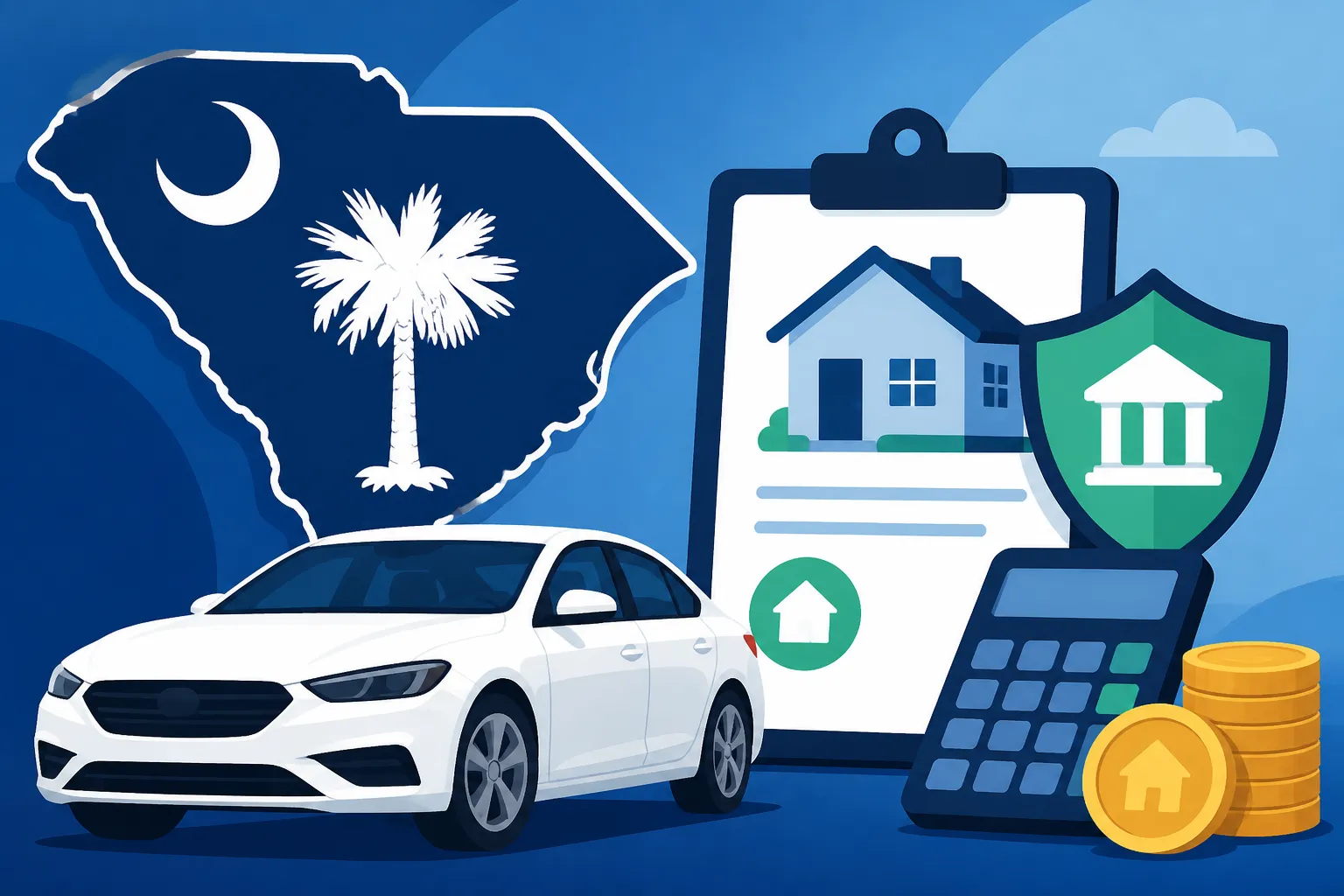
Oh, the dreaded "car tax" in South Carolina! If you're scratching your head wondering why you're paying property taxes on your vehicle every year, you are absolutely not alone. It's a source of confusion and frustration for many residents, often feeling like an extra, unexpected bill that just adds to the cost of owning a car. This guide is here to unravel the mystery of South Carolina's vehicle property tax, explaining what it is, how it's calculated, and what you can do about it, so you can navigate this annual payment with a lot more clarity.
Understanding South Carolina's Vehicle Property Tax
Let's cut through the jargon and get to the heart of what this "car tax" truly means in the Palmetto State. It’s not a sales tax, nor is it merely your annual registration fee. It's an annual personal property tax that every vehicle owner in South Carolina must pay. This might seem a bit unusual if you've moved from a state where cars aren't considered "property" in the same way for tax purposes, but here, it's a fundamental part of local government funding.
What Exactly is the "Car Tax"?
In South Carolina, a motor vehicle is legally classified as "personal property." Just like real estate is considered "real property" and taxed based on its value, your car, truck, motorcycle, or RV is also assessed and taxed annually. This isn't a one-time charge; it's a recurring yearly obligation that comes due before you can renew your vehicle's registration. Think of it as your contribution to local services that aren't exclusively tied to real estate ownership. It’s distinct from the sales tax you paid when you purchased the car, and separate from the registration fees you pay to the Department of Motor Vehicles (DMV).
The vehicle personal property tax is levied by your county government. Each county in South Carolina has its own set of rules and specific deadlines, though the underlying state laws govern how the value is determined. This local control means that while the general concept is the same statewide, the exact amount you pay can vary significantly depending on where you live within South Carolina, even for the same make and model of car.
Who Administers and Collects It?
The administration and collection of this tax are primarily handled at the county level. Typically, the County Auditor is responsible for assessing the value of your vehicle, while the County Treasurer is in charge of collecting the actual tax payment. When you first register a vehicle in South Carolina, the DMV will notify your county auditor, who then adds your vehicle to the tax rolls. From that point on, you'll generally receive a tax notice annually from your county's treasurer.
It’s crucial to understand these roles because if you have questions about your vehicle's assessed value, you'd contact the Auditor's office. If you have questions about the payment process, due dates, or payment plans, the Treasurer's office is your go-to. This decentralized system means that familiarity with your specific county's processes is incredibly helpful. For instance, residents in Charleston County might have slightly different procedures or forms than those in Greenville County or Richland County, even if the core state laws are the same.
The Rationale Behind the Tax
You might wonder, "Why do I have to pay this tax year after year?" The revenue generated from vehicle property taxes is a vital source of funding for local government services. Just like property taxes on homes contribute to schools and municipal services, your car tax plays a similar role. These funds often go towards supporting public education, maintaining local roads and infrastructure, funding emergency services like fire and police departments, and contributing to other essential county-level programs.
While no one enjoys paying taxes, understanding where the money goes can sometimes ease the sting a little. Local governments rely on these funds to provide the services that residents use daily. Without these various revenue streams, counties would struggle to maintain the quality of life and public services that we often take for granted. It's part of the broader system that funds communities across South Carolina, ensuring that everything from libraries to public health initiatives can continue to operate.
How Your South Carolina Vehicle Property Tax is Calculated
This is where many people start to feel overwhelmed, but breaking down the calculation makes it much clearer. Your vehicle property tax bill isn't just a random number; it's the result of a specific formula involving your vehicle's value, an assessment ratio, and your local millage rate. Understanding these components is key to deciphering your bill and potentially even identifying errors.
Key Factors: Assessed Value and Millage Rate
There are two primary factors that determine your vehicle property tax: the assessed value of your vehicle and the millage rate in your taxing district.
First, let's talk about assessed value. This isn't necessarily what you could sell your car for tomorrow, but rather the value the county assigns to your vehicle for tax purposes. County auditors typically use industry standard guides, like the National Automobile Dealers Association (NADA) guide, to determine the market value of your vehicle. They'll consider factors such as the make, model, year, and condition of your vehicle. Unlike real estate, where a property's assessed value vs market value can sometimes be a complex distinction, for vehicles, it's usually more straightforward, often directly tied to published depreciation schedules.
Once the market value is determined, it's multiplied by an assessment ratio. For personal passenger vehicles in South Carolina, this ratio is set by state law at 6%. So, if your car has a market value of $20,000, its assessed value for tax purposes would be $20,000 * 0.06 = $1,200. This 6% is a constant for personal vehicles across the state, ensuring fairness in how different vehicles are initially valued for tax purposes. If you're curious about how these values are determined for real estate, you might find our guide on Assessed Value vs Market Value vs Taxable Value helpful.
The second crucial factor is the millage rate. A "mill" is a unit of taxation equivalent to one-tenth of one cent ($0.001) or $1 per $1,000 of assessed value. Millage rates are set annually by local taxing authorities – your county council, school districts, and other special districts. These rates can vary significantly even within the same county, as different areas might be part of different school districts or special service districts. For example, a home in a specific part of Columbia, South Carolina, might have a different millage rate than one just a few miles away if they fall into different school zones. For a deeper dive, check out our explanation of What Is a Mill Rate? (Millage Explained).
The Calculation Formula in Practice
Let's put it all together with a hypothetical example to make it concrete.
Example Calculation:
- Vehicle: A 2020 sedan
- County Determined Market Value: $15,000 (based on NADA guide)
- State Assessment Ratio: 6%
- Assessed Value: $15,000 * 0.06 = $900
- Local Millage Rate: Let's say your specific taxing district has a combined millage rate of 250 mills (which translates to 0.250).
Calculation:
(Assessed Value / 1,000) * Millage Rate (in mills) = Property Tax Bill
($900 / 1,000) * 250 = $225
So, in this scenario, your annual vehicle property tax bill would be $225.
It's important to remember that the millage rate changes annually, and sometimes the market value assessment can be adjusted based on depreciation or changes in the NADA guide. This is why your bill might fluctuate slightly year to year. Keeping good records of your vehicle's condition can sometimes be beneficial, especially if you ever need to challenge the assessed value. General guides like How Are Property Taxes Calculated? can offer broader context on these methodologies.
When and How to Pay
The timing for vehicle property tax payments in South Carolina is tied to your vehicle's registration renewal. You must pay your property tax bill before you can renew your vehicle's registration with the South Carolina DMV. Your county treasurer's office will typically send out a tax notice a few months before your registration is due. This notice will detail the assessed value, the calculation, the total amount due, and the deadline.
Payment methods generally include:
- Online: Most county treasurers' offices now offer online payment portals, often allowing credit/debit card payments (sometimes with a convenience fee).
- Mail: You can typically mail a check or money order.
- In Person: You can visit your county treasurer's office to pay in person.
Penalties for late payment are common and can add up. If you miss the deadline, you'll usually be assessed penalties, and your registration renewal will be delayed. Operating a vehicle with an expired registration can lead to fines and other legal issues, so it's always best to pay on time. If you find yourself in a bind, some counties may offer Property Tax Payment Plans: How to Set One Up, but it's best to inquire directly with your local treasurer.
Exemptions, Reductions, and Special Circumstances
While vehicle property tax is a standard annual charge, there are certain situations, exemptions, and reductions that can affect your bill. It’s worth exploring these to see if you qualify for any relief, as every little bit helps.
Residency and Proration
Moving into or out of South Carolina can significantly impact your vehicle property tax obligations.
- Moving into South Carolina: If you've just moved to South Carolina, you generally have 45 days to register your vehicle in the state. Once you do, the county auditor will assess your vehicle, and you'll receive a property tax bill. This bill will often be prorated from the date you registered your vehicle through the end of the year, or until your next registration renewal date. For example, if you register your car in July, your first tax bill will only cover the portion of the year from July to your next renewal.
- Moving out of South Carolina: This is a common point of confusion. If you move out of South Carolina and register your vehicle in another state, you might be eligible for a refund of the unused portion of your vehicle property tax. You'll need to provide proof that you've registered your vehicle elsewhere and that you've paid taxes (or will pay taxes) in your new state. The exact process and eligibility for a refund will vary by county, so contact your county treasurer's office directly for details. Don't just assume it happens automatically!
Understanding these proration rules is critical to avoid paying more than you owe or incurring penalties. Keep good records of your move dates, new registrations, and any communications with the DMV or county offices. Financial tools, even those primarily for real estate like Stessa, can sometimes offer organizational features that help you keep all your important documents and dates in one digital place, which is invaluable when dealing with taxes and relocations.
Discounts and Exemptions (Homestead, Military, etc.)
While the widespread Homestead Exemption that applies to real estate property taxes in South Carolina generally does not apply to personal vehicles, there are specific exemptions available for certain groups.
- Military Personnel: South Carolina offers significant property tax relief for active-duty military personnel and their spouses. If you are an active-duty military member who is a legal resident of another state (a "non-resident military member") but stationed in South Carolina, your personal vehicles may be exempt from the state's property tax. You will typically need to file an affidavit each year with your county auditor, certifying your non-resident status and active-duty military service. This is a huge benefit for those serving our country and can result in substantial savings. Our guide on Veteran & Disabled Veteran Property Tax Exemptions by State offers a comprehensive look at these programs, though it's important to verify the specifics for vehicles in SC.
- Disabled Veterans: In some cases, permanently and totally disabled veterans (and sometimes their surviving spouses) may also qualify for exemptions, not just on their homes but potentially on vehicles as well. The criteria are usually strict, requiring certification from the Department of Veterans Affairs. Again, check with your county auditor for the specific requirements and application process.
- Other Limited Exemptions: There might be very specific, less common exemptions for certain types of vehicles (e.g., some public service vehicles, certain farm equipment, or vehicles owned by specific charitable organizations). These are typically highly specialized, so unless you fall into a unique category, the military exemptions are the most likely ones to impact personal vehicle owners.
Always contact your county auditor's office to inquire about any exemptions you believe you might qualify for. They can provide the necessary forms and guidance to apply.
Lease Vehicles and Business Vehicles
The way vehicle property tax is handled can also differ for leased vehicles and vehicles used for business purposes.
- Leased Vehicles: If you lease a vehicle, the property tax is typically the responsibility of the leasing company. However, they almost always pass this cost on to you, the lessee, as part of your monthly lease payment or as a separate annual charge. You'll want to review your lease agreement carefully to understand exactly how and when you are billed for the South Carolina vehicle property tax. The tax bill itself often goes directly to the leasing company, which then collects from you.
- Business Vehicles: Vehicles owned by a business and used for commercial purposes are also subject to personal property tax. The assessment and taxation process is similar to personal vehicles, but businesses have additional considerations. They may be able to deduct these property tax payments as a business expense. Furthermore, keeping meticulous records of business vehicle usage, depreciation, and expenses is crucial for accurate tax reporting. Tools that assist with property management or general business accounting, even something like Stessa which is primarily for real estate, can be adapted to keep track of these financial details for business vehicles, ensuring you have all the data you need come tax season. Understanding the broader context of Personal Property Tax: Business Equipment & Vehicle 'Car Tax' can be beneficial here, as SC is one of many states that levy this tax.
Common Frustrations and What You Can Do
It's completely normal to feel a bit of frustration when dealing with vehicle property taxes. The feeling that your "car tax" keeps rising, or that your vehicle's value isn't fairly assessed, are common complaints. Let's address some of these and discuss avenues for recourse.
Why Does My Tax Seem High?
Several factors can contribute to a vehicle property tax bill that feels surprisingly high, especially if it seems to increase when you expect your car to depreciate.
- Lag in Depreciation Assessment: While your vehicle's market value generally declines each year, the county's assessment schedule might not perfectly align with real-time market depreciation. Some assessment cycles might cause the tax value to drop slower than you anticipate, especially for popular models that hold their value well. This can lead to the feeling that you're paying too much for an older car.
- Rising Millage Rates: As we discussed, millage rates are set annually by local taxing authorities to fund public services. If your county, school district, or other special districts need more revenue, they might increase millage rates. Even if your vehicle's assessed value goes down, a significant increase in the millage rate can lead to a higher overall tax bill. This is a common reason for property tax increases across the board, not just for vehicles. For general insights into Why Do Property Taxes Increase?, that resource might offer some context.
- Improvements or Condition Misrepresentation: While less common for vehicles than real estate, if information about your vehicle's condition, mileage, or features is incorrect in the county's records, it could lead to an over-assessment. Ensure the information the county has on file accurately reflects your vehicle.
It's also worth noting that South Carolina doesn't have assessment caps for personal property like some states do for real property (e.g., California's Prop 13 or Florida's Save Our Homes). This means the assessed value can fluctuate more freely each year based on market conditions and depreciation schedules.
Challenging Your Assessment
If you genuinely believe your vehicle's assessed value is incorrect or unfairly high, you have the right to challenge it. This process is similar in principle to appealing real estate property taxes, though the specifics for vehicles might be simpler.
- Review Your Tax Notice Carefully: Before anything else, examine your tax notice. Does it list the correct make, model, year, and Vehicle Identification Number (VIN) for your car? Is the market value listed truly reflective of your vehicle's condition?
- Gather Evidence: If you think the value is too high, collect evidence to support a lower valuation. This might include:
- Printouts from online valuation tools (like Kelley Blue Book or NADA Guides) for vehicles of the same make, model, year, and similar mileage/condition.
- Receipts for significant repairs needed that would reduce its value.
- Photographs illustrating any damage or unusual wear and tear.
- Appraisal from an independent mechanic or dealer (though this might cost more than you save).
- Contact the County Auditor: Your first step should always be to contact your county auditor's office. Explain why you believe the assessment is incorrect and present your evidence. They can often review the valuation and make adjustments if warranted. Be polite, prepared, and persistent.
- Formal Appeal Process: If an informal discussion with the auditor doesn't resolve the issue, you may have the option to file a formal appeal. Each county will have a specific process and deadline for these appeals, often involving a review board. Make sure you understand these deadlines, as missing them can prevent you from challenging your bill for the current year. Our comprehensive guide on How to Appeal Property Taxes: Complete Guide provides general advice that can often be adapted for vehicle assessments.
Keeping Records for Accuracy
Good record-keeping is your best friend when it comes to managing vehicle property taxes, especially if you ever need to challenge an assessment or claim an exemption.
- Organize Your Documents: Keep all your vehicle-related documents in one place. This includes your original purchase agreement, title, previous tax notices, registration renewals, and any receipts for major repairs or upgrades.
- Track Mileage and Condition: While not always explicitly requested, having a record of your vehicle's mileage over time and notes on its general condition can bolster your case if you argue for a lower assessed value due to wear and tear.
- Digital Tools: Consider using digital tools for financial management. While programs like Stessa are primarily designed for tracking rental property income and expenses, the principles of organized record-keeping apply across the board. You can adapt such tools or use general spreadsheet software to log vehicle expenses, tax payments, and assessment details, making it much easier to find information when you need it and to ensure accuracy in your financial reporting. Staying organized can save you headaches and potentially money down the line.
Ultimately, the South Carolina vehicle property tax is a necessary part of funding local communities. While it can be an unwelcome annual expense, understanding how it works and knowing your rights can empower you to manage it effectively.
Disclaimer
Please remember that this article provides general information about South Carolina vehicle property tax and is not intended as financial, legal, or tax advice. Property tax laws and regulations can change, and specific situations may vary. Always consult with a qualified tax professional or your local county tax assessor's office for personalized advice regarding your specific circumstances.