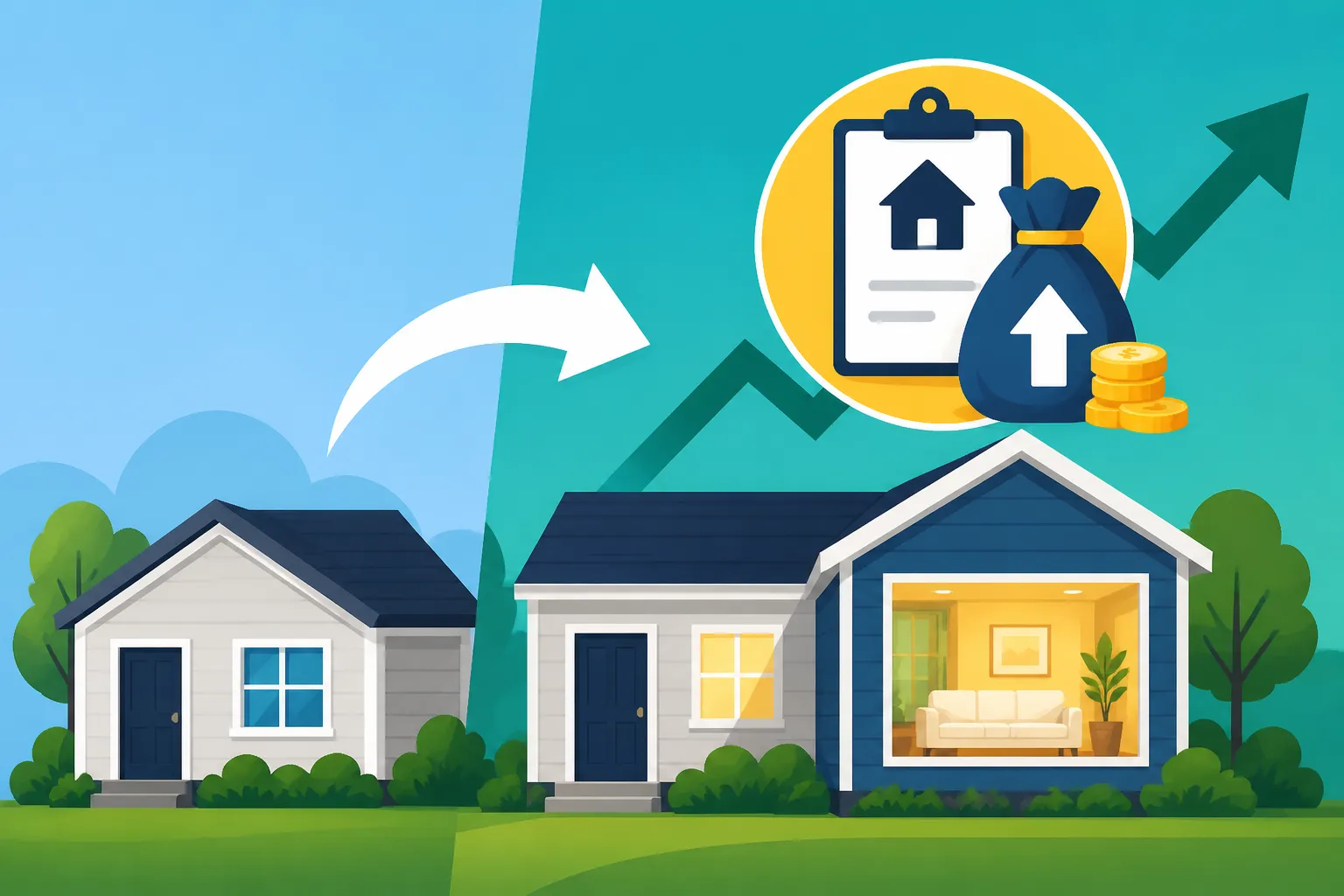
Does Adding a Room Increase Property Taxes?
It's a common dream, isn't it? Adding that extra bedroom, expanding the kitchen, or finally getting that home office you've always wanted. You picture the finished space, the increased comfort, maybe even the bump in your home's value. But then, a nagging question creeps in: "Does adding a room increase property taxes?" It's a valid concern that can make homeowners hesitate, and for good reason. Understanding how your property taxes are affected by home improvements, especially significant ones like adding a room, is crucial for smart financial planning. This guide will walk you through the ins and outs of how additions impact your property tax bill, helping you anticipate potential changes and navigate the process with confidence.
The Core Connection: Home Improvements and Assessed Value
Let's get right to it: yes, generally speaking, adding a room or making significant improvements that increase your home's market value will likely lead to an increase in your property taxes. This isn't just about local governments trying to get more money; it's fundamental to how property taxation works in most places. Property taxes are typically based on the "assessed value" of your home, and when you enhance that home, its value naturally goes up.
How Property Assessments Work
At its heart, property tax is a levy imposed by local governments to fund public services like schools, police, fire departments, roads, and parks. The amount you pay is determined by two main factors: the local tax rate (often expressed as a mill rate) and your property's assessed value. Assessors, whether from the county, city, or a special assessment district, are tasked with estimating the value of your property for tax purposes. This isn't always the same as its market value—the price it would fetch if you sold it today—but it's usually closely related.
The process involves mass appraisal techniques, where similar properties are grouped and valued, or individual appraisals for unique properties. They look at things like square footage, number of bedrooms and bathrooms, lot size, construction quality, age, and recent sales of comparable homes in your area. For a deeper dive, understanding concepts like Assessed Value vs Market Value vs Taxable Value can really clarify how these figures are used in calculating your annual bill. The goal is to ensure a fair and equitable distribution of the tax burden. When you add a room, you're directly impacting several of the key metrics assessors use to determine that value.
What Constitutes a Taxable Improvement
Not every hammer swing or paint brush stroke will trigger a property tax increase. Assessors are generally looking for improvements that add significant market value to your property. A full room addition, such as building a new bedroom, a family room, or even enclosing a porch to make it a livable, conditioned space, almost certainly falls into this category. Why? Because these types of projects increase the overall square footage of your home, add functional living space, and often include new features like plumbing or electrical systems.
However, the definition can extend beyond just adding a whole new room. Major renovations that significantly upgrade existing spaces, like a complete kitchen overhaul with high-end appliances, new cabinetry, and countertops, or a bathroom renovation that adds significant value, can also prompt a reassessment. Even adding a substantial deck, a new garage, or an inground swimming pool might be considered a taxable improvement. On the other hand, routine maintenance, cosmetic changes like painting, or replacing old fixtures with new ones of similar quality usually won't lead to a tax hike. It's the enhancement of the property's utility and marketability that assessors focus on.
Triggers for Property Tax Reassessment After an Addition
So, you've decided to add that sunroom or build out the attic. How exactly does the local tax authority find out about it, and what kicks off the reassessment process? It's not always as mysterious as it might seem. There are a few primary ways that your property tax assessment can be triggered or adjusted after a home addition.
The Role of Building Permits
This is perhaps the most direct and common trigger. In almost every municipality, any significant structural change or addition to your home requires a building permit. When you apply for and receive a permit from your city or county building department, that information often finds its way to the local property tax assessor's office. It creates a record that a change is underway. Once the work is completed and passes final inspection, the assessor is typically notified that the project is done and ready for review.
Think of it this way: the permit process is designed to ensure safety and compliance with local building codes, but it also serves as a crucial communication channel for the tax authorities. If you're building an addition in a place like Phoenix, Arizona, or Miami-Dade County, Florida, you'll definitely need permits for major structural changes, and these permits will flag your property for review. Trying to avoid permits to fly under the radar is not only risky from a safety and legal standpoint but also rarely successful in the long run. Unpermitted work can lead to fines, difficulties selling your home, and even forced demolition, making it a far more expensive gamble than simply paying the appropriate taxes.
When Local Assessors Discover Improvements
Even if a permit wasn't pulled (which, again, we don't recommend), there are several ways assessors might discover new additions or significant improvements. Sometimes, it's as simple as an assessor driving by during their routine rounds and noticing a new structure or a significantly altered home. Aerial photography, satellite imagery, and even drone technology are increasingly being used by assessment districts to identify changes to properties over time. For example, a new addition might be visible from the sky, contrasting with older images of your property.
Another common scenario involves sales of nearby homes. When a comparable property sells, assessors often review all similar homes in the vicinity to ensure their assessments are still accurate and equitable. If your neighbor's home, which previously mirrored yours, now sells for significantly more because they added a room, and your property shows a new addition that justifies a similar value, it could trigger a closer look. They may even schedule a physical visit or request updated property information from you. It’s also worth noting that certain jurisdictions conduct regular, scheduled reassessments of all properties, regardless of recent improvements. If you're wondering How Often Is Property Reassessed? in your area, it's a good idea to check with your local assessor's office.
Impact of Increased Square Footage and Features
The most straightforward way an addition impacts your taxes is by increasing your home's total assessed value. Assessors typically assign a value per square foot based on construction quality, materials, and local market conditions. When you add 300 square feet to your home, that's 300 more square feet that will be assessed for tax purposes. Beyond just square footage, new features that come with an addition also add value.
Consider a master suite addition: not only does it add living space, but it also likely includes a new bathroom, which is a significant value driver. Kitchen additions or remodels bring in new appliances, upgraded countertops, and custom cabinetry. Even a finished basement or attic conversion, which might not technically be "adding a room" in the traditional sense but rather converting existing space, often results in a higher assessment because previously unfinished, non-living space is now functional, heated/cooled living area. These types of projects are often captured in discussions around Does Renovating Increase Property Taxes?, highlighting that even within existing footprints, significant changes can have an impact. Each of these improvements contributes to the overall "highest and best use" valuation of your property, directly influencing your property tax bill.
Navigating the Tax Implications of Your Home Addition
Knowing that your taxes will likely go up is one thing, but understanding the practical steps and potential financial impact is another. It's about being prepared and making informed decisions throughout the process.
Estimating the Potential Tax Increase
Before you even break ground, it’s smart to get a rough idea of how much your property taxes might increase. This requires a bit of detective work and some math. Start by finding out your current assessed value and your local property tax rate. You can usually find this information on your county or city assessor's website, often through a property tax search portal. Many jurisdictions provide tools like a Property Tax Calculator: How to Estimate Your Bill that can give you a ballpark figure.
Next, research recent sales of homes in your area that are comparable to what your home will be after the addition. Look for homes with similar square footage, number of beds/baths, and features, ideally those that have recently sold. This can give you a good sense of the potential new market value. Your local assessor's office might also provide guidance on average per-square-foot values for new construction or additions. For instance, if homes similar to yours but with an extra bedroom sell for $50,000 more, you can estimate that your home's value might increase by a similar amount. Then, apply your local tax rate to this estimated increase in assessed value to get a rough idea of your new annual property tax liability. It's an estimate, of course, but a crucial one for budgeting.
Understanding Different Types of Additions
Not all additions are created equal in the eyes of the tax assessor. The type of addition makes a big difference in the magnitude of the tax increase.
- Minor Remodels: These typically involve cosmetic updates or replacing existing elements without changing the footprint or structural integrity. Think new flooring, paint, updated light fixtures, or a basic appliance upgrade. These are usually considered maintenance and rarely trigger a reassessment or significant tax increase.
- Major Renovations: These go beyond cosmetic and might include gutting a kitchen or bathroom, reconfiguring interior walls, or upgrading major systems like HVAC. If these significantly enhance the home's value, particularly if they require permits and inspections, they can lead to a reassessment. For instance, a high-end kitchen remodel that boosts your home's appeal and functionality could add substantial value, leading to higher taxes.
- Full Room Additions: This is where the biggest impact occurs. Adding heated, finished square footage to your home—whether it's an extra bedroom, a second story, a sunroom, or a home office—will almost certainly increase your assessed value. This is because it directly increases the size and utility of your living space. The increase will be proportional to the value of the new space and its features (e.g., adding a bathroom to the new room will further boost value).
- External Structures: Even detached structures like a new garage, a large shed, or an extensive patio cover can be considered taxable improvements if they add significant value and are permanent fixtures.
The key takeaway is that changes that expand your living area, improve structural integrity, or add substantial new amenities are the most likely to result in higher property taxes.
Considerations for Investment Properties and Rental Units
If you're adding a room to a rental property or a property you plan to use for investment, the property tax implications are even more nuanced. For an investment property, increasing the square footage or adding features can make the property more attractive to tenants, potentially allowing you to charge higher rent. While this is good for your income, it also further justifies a higher assessed value for tax purposes. Assessors consider the income-producing potential of rental properties when determining their value, so an improvement that boosts rental income could directly influence your assessment.
Managing the finances of an investment property can be complex, especially when accounting for both increased revenue and increased expenses like property taxes. Tools like Stessa can be incredibly helpful here. They allow landlords and real estate investors to track income and expenses, monitor property performance, and keep tabs on things like property tax payments, ensuring you have a clear picture of your property's profitability after an addition. Keeping detailed records of your improvement costs can also be beneficial, as these costs might be added to your property's basis for capital gains tax purposes when you eventually sell, even though they directly impact current property taxes.
Strategies to Manage Property Tax Increases
Facing a higher property tax bill after investing in your home can be disheartening, but there are proactive steps you can take to manage these costs and even potentially reduce them.
Budgeting for Higher Tax Bills
The best strategy is always preparedness. As soon as you begin planning your home addition, factor in the likely increase in your property taxes into your long-term budget. Don't wait for the new bill to arrive. Consider setting aside extra funds each month, just as you would for your mortgage principal and interest payments. If your mortgage includes an escrow account for property taxes, your lender will likely adjust your monthly payment after a reassessment to account for the increase. It’s always a good idea to contact your lender or mortgage servicer if you have an escrow account to discuss how they'll handle the change.
By proactively estimating the increase (as discussed earlier) and adjusting your budget, you avoid being caught off guard. Remember, property taxes are an ongoing expense, and a significant increase can impact your household's financial health if not planned for. This also applies to income-generating properties where the additional tax burden needs to be factored into your cash flow analysis and rental pricing.
Exploring Exemptions and Appeals
Even after an addition, you might still have avenues to mitigate your property tax burden. Many states and local jurisdictions offer various property tax exemptions that can reduce your taxable value. For instance, a Homestead Exemption: Complete State-by-State Guide details how qualifying as a primary residence owner can reduce your assessed value by a fixed amount or percentage. If you haven't already applied for any exemptions you qualify for, now is a good time to ensure you're getting all available relief. Other exemptions might be available for seniors, veterans, or individuals with disabilities, depending on where you live. For example, the Texas Over-65 Property Tax Exemption & School Tax Freeze can provide significant relief for older homeowners.
If you receive a new assessment that you believe is too high, especially after an addition, you also have the right to appeal it. The appeal process typically involves presenting evidence that your property's assessed value is higher than its true market value or is unequal compared to similar properties. This often means gathering comparable sales data for homes in your neighborhood that are similar to your newly improved home, but were assessed at a lower value. Understanding How to Appeal Property Taxes: Complete Guide or finding out Property Tax Appeal Deadlines by State for your area can empower you to challenge an unfair assessment. While an addition should increase your value, sometimes the assessor's estimate might still be higher than what the market truly bears.
Table: Common Home Improvements and Property Tax Impact
| Type of Improvement | Typical Impact on Property Taxes | Examples | Key Considerations |
|---|---|---|---|
| Cosmetic Updates | Low to None | Painting, new wallpaper, minor landscaping, replacing existing light fixtures | Usually considered maintenance; does not add significant assessed value. |
| Minor Repairs/Replacements | Low to None | Replacing a worn roof with similar materials, new water heater, furnace repair | Maintaining existing value, not adding new assessed value. |
| Major Renovations (Interior) | Moderate to Significant | Full kitchen remodel, major bathroom overhaul, reconfiguring interior walls | Increases value if it significantly upgrades quality/functionality, often requires permits. |
| New Room Addition | Significant | Adding a bedroom, family room, sunroom, enclosing a porch, second story addition | Directly increases heated/cooled square footage and amenities; almost always triggers reassessment. |
| New Detached Structures | Moderate to Significant | Building a new garage, large shed, guesthouse, extensive deck, swimming pool | Adds new taxable features to the property. Permits usually required. |
| Energy Efficiency Upgrades | Low (sometimes exemptions) | Solar panels, high-efficiency windows, insulation (may have specific tax incentives) | Can increase value but sometimes offset by state/local incentives or exemptions. |
This table provides a general overview, but always remember to check with your local assessor's office for specific guidelines in your area, as rules can vary widely.
Disclaimer
The information provided in this guide is for general educational purposes only and should not be considered professional tax, legal, or financial advice. Property tax laws and assessment methodologies vary significantly by state and local jurisdiction. It is essential to consult with your local property tax assessor's office, a qualified tax professional, or a real estate attorney for advice tailored to your specific situation and location.