Denton County Property Tax Rate
Opening your mailbox to find a property tax notice can be an anxiety-inducing experience, especially in a fast-growing region like North Texas. If you live in Denton County, you have likely watched your home value skyrocket while wondering why your tax bill seems to follow the same upward trajectory. This guide breaks down how the Denton County property tax rate is determined, which local entities are collecting your hard-earned money, and how you can manage these costs effectively.
Understanding Your Denton County Tax Bill
When you look at your annual statement from the Denton Central Appraisal District (DCAD), it is easy to feel overwhelmed by the sea of numbers and acronyms. It is important to realize that there isn't just one single property tax rate. Instead, your total bill is a "stacked" combination of several different rates from various local jurisdictions that have the authority to levy taxes on your specific property.
The Multiple Taxing Entities
In Denton County, your property sits within the boundaries of several taxing units. For example, if you live in a suburban neighborhood in Lewisville, you are likely paying taxes to Denton County, the City of Lewisville, and the Lewisville Independent School District. If you are in an unincorporated area or a specialized development, you might also see entries for a Fresh Water Supply District (FWSD) or a Municipal Management District (MMD). Each of these entities holds its own public hearings and votes on its own specific rate. Understanding How Are Property Taxes Calculated in Texas? requires looking at these entities individually rather than as a monolithic tax bill.
How Rates Are Set Annually
Every year, usually between August and September, the governing bodies of these entities—such as the Denton County Commissioners Court or the local school board—meet to adopt a budget. They calculate the "No-New-Revenue Tax Rate," which is the rate that would produce the same amount of revenue as the previous year based on current property values. If they propose a rate higher than this, they must hold public hearings. This process is often a source of local political friction, as residents in booming areas like Little Elm or Northlake often see their "taxable value" rise even if the "tax rate" stays the same or slightly decreases. This is a primary reason Why Do Property Taxes Increase? even when local politicians claim they haven't raised rates.
The Role of the Denton Central Appraisal District
While the county and cities set the rates, the Denton Central Appraisal District (DCAD) is responsible for determining the "market value" of your home. They look at comparable sales in your specific neighborhood—say, Robson Ranch or Lantana—to decide what your home would likely sell for on January 1st of that year. Many homeowners get frustrated because the appraisal district's value feels disconnected from the reality of their home's condition. If your roof is leaking or your foundation is cracked, the DCAD might not know that until you provide evidence during a protest.
Breaking Down the Components: ISD, City, and County
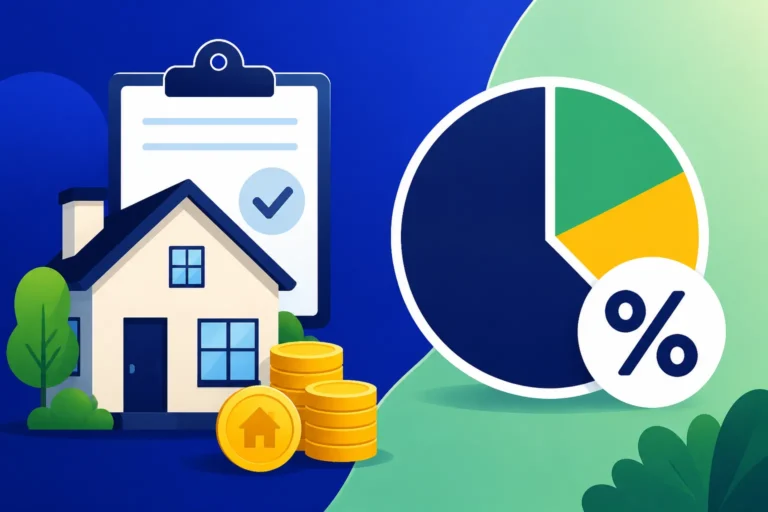
To truly understand your bill, you have to look at the pie chart of where your money goes. In Denton County, the largest slice of that pie almost always goes to the school district. It is not uncommon for school taxes to make up 50% to 60% of your total property tax obligation.
School District Impact (ISD)
Denton County is home to some of the fastest-growing school districts in the nation, including Denton ISD, Lewisville ISD, and Northwest ISD. As more families move into the area, these districts must build new schools and hire more staff, which is funded through property taxes. When voters approve a school bond for a new football stadium or a high school wing, they are essentially voting to maintain or increase the debt service portion of the school tax rate. Because school funding in Texas is complex, understanding the Texas Property Tax Rate Explained is often a matter of tracking how much your local ISD is levying for "Maintenance and Operations" versus "Interest and Sinking" (debt).
City and Special District Levies
The city tax rate covers services like police, fire protection, and road maintenance. Cities like Flower Mound or Highland Village often have different tax priorities than the county at large. Furthermore, some residents in Denton County live in "Special Districts." If you live in a master-planned community, you might be paying an additional tax to a Water District that helped fund the initial infrastructure for the neighborhood. While these rates can eventually drop as the debt is paid off, they often make the initial years of homeownership in new construction significantly more expensive. For those coming from out of state, the terminology can be confusing, so it helps to understand What Is a Mill Rate? (Millage Explained), even though Texas technically expresses rates as a dollar amount per $100 of value.
County-Wide Taxes and the Health Department
A smaller but still significant portion of your bill goes to Denton County itself. This funds the county court system, the Sheriff’s Department, and the county health department. Compared to the school district or city rates, the county rate is generally lower. However, because it applies to every property owner in the county, it generates a massive amount of revenue that must be managed by the County Commissioners. Even a small increase in the county rate can result in millions of dollars in additional tax burden spread across the population.
| Taxing Entity Type | Average Percentage of Bill | Primary Services Funded |
|---|---|---|
| Independent School District (ISD) | 55% – 65% | Teacher salaries, school buildings, buses |
| City / Municipality | 15% – 25% | Police, Fire, Parks, Local Roads |
| Denton County | 10% – 15% | County courts, Sheriff, Jail, Records |
| Special Districts (MUD/FWSD) | 5% – 15% | Neighborhood water, sewer, drainage |
The Difference Between Appraised Value and Taxable Value
One of the biggest points of confusion for Denton County residents is why their "Market Value" is so much higher than the amount they are actually taxed on. This gap exists because of various legal protections and exemptions available to Texas homeowners.
The 10% Homestead Cap
If you have filed a homestead exemption on your primary residence in Denton County, you are protected by a "cap" on how much your assessed value can increase each year for tax purposes. Under Texas law, the appraised value for your taxes cannot increase by more than 10% per year, regardless of how much the market has moved. For example, if you bought a home in Argyle for $400,000 and the market value jumps to $500,000 the next year, your taxable value can only rise to $440,000. This Texas Homestead 10% Cap Explained is a vital shield for long-term residents against the rapid gentrification and rising prices seen in North Texas.
Market Value vs. Assessed Value
It is critical to distinguish between what your home is worth on Zillow and what the government says it is worth for tax purposes. The "Market Value" is the DCAD’s estimate of a sales price. The "Assessed Value" is that market value minus any limitations like the 10% cap. Finally, the "Taxable Value" is the assessed value minus any exemptions you qualify for. To make sense of your bill, you must look at Assessed Value vs Market Value vs Taxable Value to ensure you aren't paying more than the law requires. If your taxable value is higher than your neighbors' for a similar house, you might have a case for an "unequal appraisal" protest.
The Impact of New Construction
If you are moving into a new build in a community like Union Park or Harvest, be prepared for a "supplemental" shock. In the first year, you might only pay taxes on the value of the vacant land. However, once the house is completed, the appraisal district will reassess the property to include the full value of the structure. Many new homeowners fail to budget for this jump, leading to a massive escrow shortage the following year. It is always wise to estimate your future taxes based on the full expected value of the home and land combined, rather than the initial land-only bill.
Practical Ways to Lower Your Denton County Taxes
You do not have to simply accept the bill the county sends you. There are several proactive steps you can take to reduce your tax liability, ranging from filing paperwork to actively protesting your valuation.
Applying for Exemptions
The most effective way to lower your bill is to ensure you have every exemption you are entitled to. The General Residence Homestead Exemption is the most common, but there are others. If you are a veteran with a service-connected disability, you may qualify for significant reductions. Furthermore, residents over the age of 65 can receive a "ceiling" or freeze on their school taxes. This means that once you turn 65 and file the paperwork, your school tax amount will never increase as long as you live in that home, even if the value continues to climb. You can find more details on Senior & Over-65 Property Tax Exemptions and Freezes to see if you or a family member qualify for this vital relief.
Protesting Your Value
Every spring, Denton County residents receive their Notice of Appraised Value. You have until May 15th (or 30 days after the notice is mailed) to file a protest. Many people find the process intimidating, but it is often worth the effort. You can protest based on "Market Value" (your home is worth less than they say) or "Equity" (your home is valued higher than comparable homes in your neighborhood). Gathering evidence like photos of damage, repair estimates, or a recent independent appraisal can be very persuasive. If you aren't comfortable doing it yourself, you can learn How to Protest Property Taxes in Denton County (Denton CAD) by hiring a consultant who works on a contingency fee.
Verifying Your Records
Mistakes happen more often than you might think. Sometimes the appraisal district has the wrong square footage for your home, or they think you have a finished basement when you don't. Sometimes they fail to remove a "pool" value after a pool has been filled in. Periodically checking your property's "pro-card" on the DCAD website is a smart move. If you find a factual error, you can often get it corrected with a simple phone call or a "Section 25.25" motion later in the year. Taking the time to learn How to Lower Your Property Tax Assessment through these administrative checks can save you hundreds of dollars over the lifespan of your homeownership.
Seeking Targeted Relief
Beyond standard exemptions, some residents may qualify for a "circuit breaker" or income-based relief depending on current state legislative changes. In recent years, the Texas Legislature has worked to increase the Homestead Exemption in Texas from $40,000 to $100,000 for school districts, providing a much-needed buffer for middle-class families. Staying informed about these statewide changes is just as important as watching your local city council meetings, as state-level buy-downs can significantly lower the "effective" rate you pay at the end of the year.
Disclaimer
The information provided in this guide is for educational and informational purposes only and does not constitute legal, financial, or tax advice. Property tax laws and rates in Denton County and the State of Texas are subject to change annually based on legislative actions and local government decisions. Always consult with a qualified tax professional or the Denton Central Appraisal District for the most current and specific information regarding your property.