Senior Property Tax Exemption in Georgia
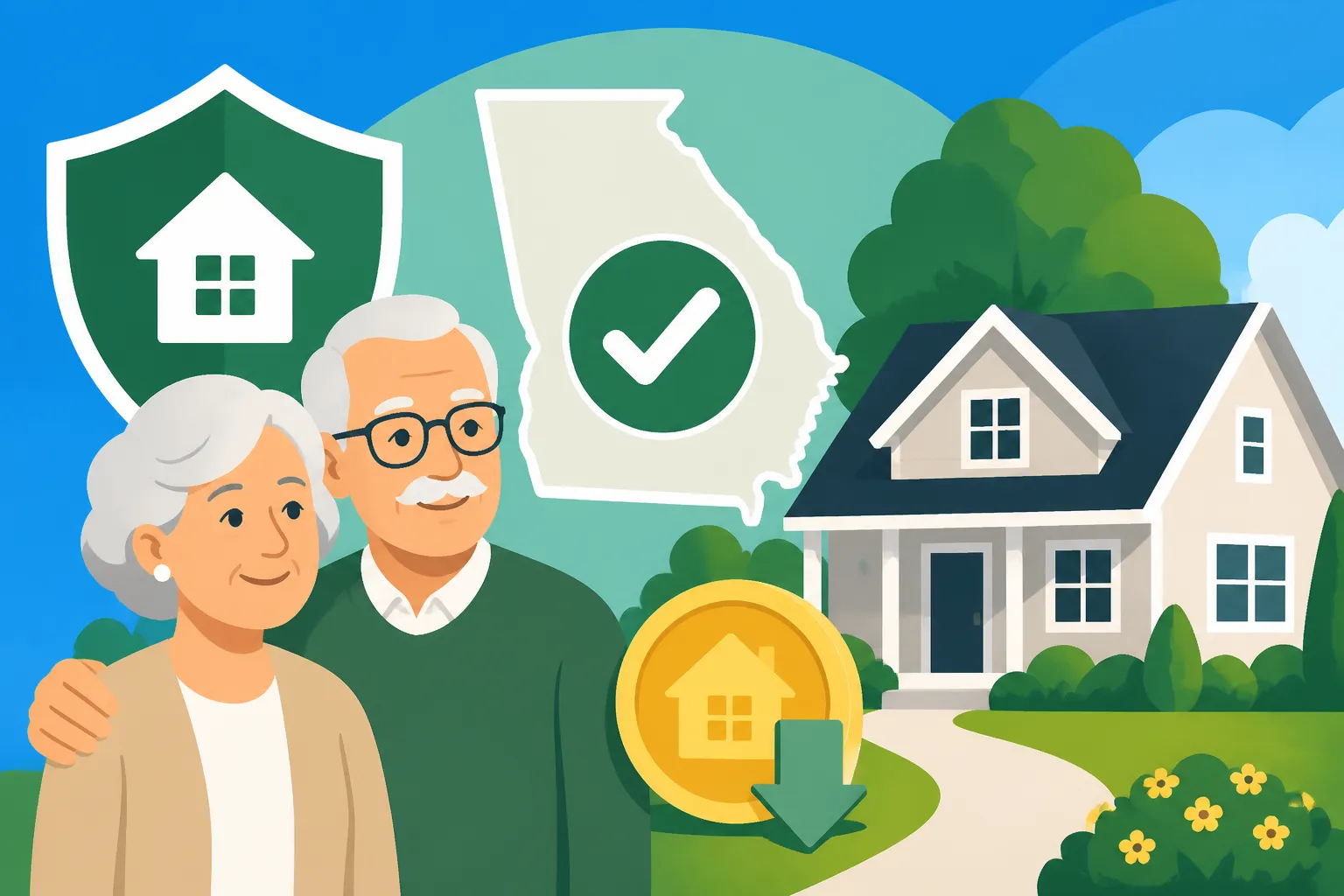
Navigating property taxes can feel like a labyrinth, and for seniors living in Georgia, the stakes are often even higher. Many older homeowners find themselves on fixed incomes, watching their property values – and subsequently their tax bills – creep up year after year, sometimes wondering if they can even afford to stay in the homes they've cherished for decades. It's a real and pressing concern, and thankfully, Georgia offers several property tax exemptions specifically designed to provide relief for its senior residents. This guide will walk you through these vital programs, explaining who qualifies, how to apply, and what you need to know to potentially lighten your annual tax burden.
Understanding Georgia's Senior Property Tax Exemptions
Property taxes in Georgia can be a significant financial obligation, funding everything from local schools and libraries to roads and public safety. For seniors, especially those living on a fixed retirement income, these rising costs can create immense pressure. Recognizing this, the state of Georgia, along with various local jurisdictions, has implemented a range of exemptions aimed at helping older residents maintain their financial stability and remain in their homes. These aren't just minor deductions; they can significantly reduce the taxable value of your property, leading to substantial savings.
Statewide vs. Local Exemptions
One of the first things to understand about Georgia's property tax system, particularly when it comes to exemptions, is its dual nature: you'll encounter both statewide provisions and a patchwork of local county and city exemptions. The State of Georgia mandates certain exemptions, which apply uniformly across all counties. However, local governments — your individual county, city, and school districts — have the power to enact additional, more generous exemptions. This means that while some senior benefits are consistent statewide, the exact amount of relief you receive can vary dramatically depending on where your home is located within Georgia. For instance, a senior in Fulton County might qualify for different additional exemptions than someone in Hall County, even if both meet the basic state criteria. This localized approach makes it critical to investigate what your specific county and city offer, not just what the state provides. It’s a key reason why Georgia’s system can feel so intricate compared to other states, and why understanding the nuances of how Who Sets Property Tax Rates? (County, School, City Levies) is so important.
The Homestead Exemption Foundation
At the heart of nearly all property tax relief in Georgia, including those for seniors, is the standard homestead exemption. This isn't just for older residents; it's a foundational exemption available to any Georgia homeowner who occupies the property as their primary legal residence. To qualify, you must own and occupy the home on January 1st of the tax year for which you are applying. The basic statewide homestead exemption typically reduces your home’s assessed value by $2,000 for county taxes and $2,000 for school taxes. While this might seem modest, it's the gateway to most other, more significant, exemptions. Think of it as the first step on the ladder to greater savings. Without securing your basic homestead exemption, you won't be eligible for the additional senior-specific benefits that often build upon this foundation. If you're looking for broader context, our guide on Homestead Exemption: Complete State-by-State Guide offers a comprehensive overview of how this vital program works across the nation.
Key Senior Exemptions in Georgia
Georgia offers several distinct property tax exemptions tailored for seniors, each with its own specific eligibility requirements and benefits. Understanding these different categories is crucial to ensure you're taking advantage of every possible saving.
Age 65 and Older Exemption (School Tax)
This is arguably one of the most impactful exemptions for many seniors in Georgia. Once you turn 65, you become eligible for a substantial exemption from the portion of your property taxes that funds local schools. This specific exemption is primarily aimed at school tax because school levies often represent the largest chunk of a homeowner's property tax bill in Georgia. The state provides a base exemption for seniors 65 and older that shields a certain amount of your home's value from school taxes. For example, a common statewide exemption for seniors 65 and older offers an exemption from school taxes for the value of the homestead up to $10,000 or the amount received as retirement benefits. However, many counties and school districts in Georgia have voted to significantly expand upon this, often exempting seniors from all local school taxes, or a very large portion of them, once they reach age 65 (or sometimes 70, depending on the county).
Imagine Mrs. Eleanor Vance, who lives in DeKalb County. She turned 65 last year. Prior to her 65th birthday, her annual property tax bill included a significant amount for DeKalb County School District taxes. After applying for her senior exemption, she now benefits from a full exemption on her school taxes, drastically reducing her overall bill. This kind of relief is a game-changer for many seniors on fixed incomes, allowing them to redirect those funds towards healthcare, daily expenses, or even home maintenance. It’s always best to check with your local tax assessor’s office to understand the exact scope of this benefit in your specific area, as local enhancements can be incredibly generous. Many seniors wonder about broad relief options, and our article on Senior & Over-65 Property Tax Exemptions and Freezes provides a national perspective.
Age 62 and Older Low-Income Exemption
While the 65+ school tax exemption is widely utilized, Georgia also provides a critical exemption for seniors aged 62 and older who meet specific low-income criteria. This particular exemption is designed to assist those seniors who might be struggling the most financially. The primary benefit of this exemption is a reduction in the assessed value of your home for county and municipal taxes, not just school taxes.
To qualify for this exemption, you must be at least 62 years old by January 1st of the tax year and your net income (often defined as income from all sources, excluding Social Security and certain retirement income up to a cap, or sometimes total gross income from all sources) must fall below a certain threshold. This threshold is typically tied to federal poverty levels or specific state/local income limits, which can change annually. For instance, a common state-level provision for this exemption is for homeowners aged 62 or older whose annual income does not exceed $10,000 from all sources, excluding up to $10,000 in retirement income. Some counties, however, have even more generous income limits or provide additional relief. Mr. and Mrs. Rodriguez in Cobb County, both over 62 and living solely on a modest pension and Social Security, qualified for this exemption last year, which helped reduce their county and municipal tax bill by a measurable amount, providing much-needed breathing room in their budget. Our guide on Property Tax Exemption Income Limits 2026 can give you a better idea of how these thresholds are determined and what to expect. This exemption, combined with others, helps ensure that property taxes don't become an insurmountable barrier for those with limited financial resources.
Other Local Senior Exemptions and Variations
As mentioned, Georgia's local control over property taxes means that counties, cities, and school districts often layer their own unique exemptions on top of the state-mandated ones. This creates a diverse landscape of potential savings for seniors. These local exemptions can vary widely and might include:
- Higher Dollar Amount Exemptions: Some counties offer a flat dollar amount reduction from the assessed value of a senior's home that goes beyond the state minimum. For example, a county might provide an additional $20,000 exemption from county taxes for homeowners over 65, on top of any state exemption.
- Property Tax Freezes: Certain local jurisdictions offer property tax freezes for seniors. This means that once a senior qualifies, the assessed value of their home for tax purposes is frozen at the value it held in the year they became eligible, preventing future increases in valuation from driving up their taxes. This is a powerful form of relief, especially in rapidly appreciating real estate markets. For a deeper dive into this concept, check out What Is a Senior Property Tax Freeze?.
- Age and Income Combinations: Many counties create their own specific exemptions that combine age and income requirements, sometimes with different thresholds than the state's low-income exemption. These might target specific age groups (e.g., 70 and older) with slightly higher income allowances.
- Specific County Examples:
- Fulton County: Offers additional exemptions for seniors over 65 based on income, often providing an exemption from all county school taxes, county general, and county bond taxes for qualifying residents.
- Gwinnett County: Provides an increased homestead exemption for those 62 and over and often a full exemption from school taxes for seniors 65 and older.
- Cobb County: Offers various senior exemptions, including those for age 62+ with income limitations and more comprehensive exemptions for those 65 and older.
- Chatham County (Savannah): Similarly, provides additional senior exemptions beyond the state minimum, often tied to age and specific income thresholds.
Because of this incredible variability, it is absolutely essential to contact your specific county tax assessor's office and sometimes your city tax office. Their websites are usually the best places to find a comprehensive list of all exemptions available in your area. Don't rely solely on what you hear from a neighbor or find in a general article; local rules are king here. A quick call or visit can clarify all available options and ensure you're not leaving any money on the table.
Eligibility Requirements and Application Process
Understanding the various senior exemptions is one thing, but knowing how to qualify and successfully apply is where the rubber meets the road. It can seem daunting, but breaking it down into steps makes it manageable.
General Eligibility Criteria
While the specific details can vary by exemption and locality, there are common threads that run through all senior property tax exemptions in Georgia:
- Age: This is usually the most straightforward requirement. You must meet the specified age (e.g., 62 or 65) by January 1st of the tax year for which you are applying. So, if you turn 65 on January 15th, you might have to wait until the next tax year to claim the 65+ exemption.
- Residency: The property must be your primary legal residence. This means it's the home where you live most of the time, where you receive mail, and which is listed on your driver's license. You cannot claim a homestead exemption, and by extension, a senior exemption, on a second home, vacation home, or rental property.
- Ownership: You must legally own the property. This is typically verified by your deed. If the property is held in a trust, the specific terms of the trust may affect eligibility, so it's wise to consult with your tax assessor's office in such cases.
- Occupancy: You must occupy the property as your home. If you've moved out or are renting it to someone else, you generally won't qualify.
- Income (for certain exemptions): As discussed, some exemptions, particularly for those 62 and older, have income limitations. This income is usually calculated on a household basis and can include income from all sources (Social Security, pensions, investments, etc.), though some programs specifically exclude certain types or amounts of income. You'll typically need to provide proof of income, such as federal tax returns, Social Security statements, or pension statements.
It's crucial to have clear documentation for all these criteria. Your county tax assessor's office will require proof, and having it ready will streamline the application process.
Navigating the Application Process
Applying for property tax exemptions in Georgia typically follows a consistent path, but paying attention to deadlines and required documents is key:
- Where to Apply: The primary point of contact for applying for all property tax exemptions, including senior ones, is your County Tax Assessor's Office. They are the gatekeepers of these benefits and have the most up-to-date information for your specific jurisdiction. Some cities also have their own property tax systems and might require separate applications for city-specific exemptions, so it's worth checking with your city hall if you live within city limits.
- When to Apply: This is perhaps the most critical detail. The annual deadline for applying for all homestead exemptions, including senior-specific ones, is typically April 1st of the tax year for which you are seeking the exemption. If you miss this deadline, you usually have to wait until the next year to apply. It’s not uncommon for seniors to turn 65 mid-year and assume they can apply then, but the January 1st age requirement and April 1st application deadline are firm. However, many counties allow you to file your application at any time during the year for the following tax year. For a full breakdown of these crucial dates, refer to our article on Homestead Exemption Deadlines by State.
- Required Documentation: When you apply, be prepared to provide:
- Proof of Age: A valid driver's license, state ID card, or birth certificate.
- Proof of Residency/Ownership: A copy of your property deed, a recent utility bill with your name and address, and your Georgia driver's license showing the property address.
- Proof of Income (if applicable): Copies of your federal income tax returns (e.g., Form 1040) from the previous year, Social Security benefit statements, pension statements, or other income verification documents.
- First-Time vs. Subsequent Applications: Generally, you only need to apply for a homestead exemption and any senior exemptions once. Once granted, these exemptions typically remain in effect for as long as you own and occupy the property as your primary residence and continue to meet the eligibility criteria (e.g., income limits, if applicable). You usually don't need to reapply annually unless there's a change in ownership, occupancy, or your eligibility for an income-based exemption. However, if your income changes significantly and you have an income-based exemption, you must notify the tax assessor.
- Online Application Options: Many larger counties in Georgia, such as Fulton, Gwinnett, Cobb, and DeKalb, now offer online portals for filing homestead exemptions. This can be a convenient option, but ensure you upload all required documentation correctly.
Our detailed guide on How to Apply for Property Tax Exemptions can offer additional tips and a broader understanding of the process. Remember, the county tax assessor's staff are there to help, so don't hesitate to call or visit with any questions.
| Exemption Type | Age Requirement | Income Requirement | Primary Benefit | Where It Applies |
|---|---|---|---|---|
| Basic Homestead Exemption | N/A | N/A | Reduces assessed value by $2,000 for state/county/school taxes. | Statewide |
| Age 65+ Exemption (School Tax) | 65 by Jan 1 of tax year | Generally N/A for the state portion; local limits vary | Exempts a portion (often all) of school tax levy. | Statewide (enhanced by many local jurisdictions) |
| Age 62+ Low-Income Exemption | 62 by Jan 1 of tax year | Net income below state/local thresholds (e.g., ~$10,000) | Reduces assessed value for county/municipal taxes (beyond basic homestead). | Statewide (may be enhanced locally) |
| Specific County/City Exemptions | Varies (e.g., 65+, 70+) | Varies (e.g., different income limits, higher caps) | Additional fixed dollar exemptions, value freezes, or broader tax reductions. | Specific to county, city, or school district |
Note: Income limits and specific dollar amounts for local exemptions are subject to change and vary significantly by jurisdiction. Always confirm with your local County Tax Assessor's Office.
Practical Tips and What to Watch Out For
Even with all the information at your fingertips, applying for property tax exemptions can still feel like a hurdle. Here are some practical tips to make the process smoother and avoid common pitfalls.
Don't Assume Automatic Enrollment
This is perhaps the single most important piece of advice for seniors in Georgia: your property tax exemptions are NOT automatic when you reach the qualifying age. Many seniors mistakenly believe that once they turn 62 or 65, the county will automatically apply the relevant exemptions to their property tax bill. This is a myth that unfortunately costs many eligible homeowners significant savings each year. The burden is entirely on the homeowner to proactively apply for these exemptions.
Let's say Mr. Peterson, a lifelong resident of Glynn County, turned 65 last year. He figured the county would somehow know and adjust his bill. He continued to pay the same amount as before, missing out on hundreds of dollars in school tax relief he was eligible for. It wasn't until a friend mentioned their own tax savings that he realized his mistake. By that point, the deadline for the previous tax year had passed. To avoid Mr. Peterson's predicament, make a note on your calendar when you or a loved one are approaching the qualifying age. Then, reach out to your County Tax Assessor's Office to understand the application requirements and deadlines. A little proactive effort can lead to substantial, long-term savings.
Review Your Tax Bill Annually
Once you've applied and been granted your exemptions, your job isn't entirely over. It's vital to review your property tax bill every single year with a careful eye. Tax bills can be complex documents, but understanding how to read your property tax bill can help you verify that all the exemptions you're entitled to have been properly applied. Look for sections detailing your assessed value, any exemptions applied (they'll often be listed by type, like "Homestead," "Age 65+ School Exemption," etc.), and the resulting taxable value.
Sometimes, errors happen. A data entry mistake, a missed update, or a change in local ordinances could inadvertently cause an exemption to be removed or incorrectly calculated. If you notice an exemption is missing, or the amount seems incorrect, contact your County Tax Assessor's Office immediately. Don't wait until the payment deadline is looming. Addressing it early gives them time to investigate and correct any errors, potentially saving you from overpaying or having to go through a more complex appeal process later.
Staying Informed About Local Changes
Georgia's property tax laws, particularly at the local level, are not static. They can change due to new state legislation, local county commission decisions, or even successful ballot initiatives and referendums. What was true for senior exemptions last year might have slight modifications this year. New exemptions might be introduced, or existing ones could be altered in terms of age, income limits, or the amount of relief provided.
To stay informed, consider these proactive steps:
- Check your County Tax Assessor's website regularly: Many offices update their websites with annual changes to exemptions, deadlines, and application forms.
- Subscribe to local government newsletters or alerts: Some counties and cities offer email newsletters that include updates on tax policies.
- Attend local county commission or school board meetings (or read minutes): Major changes to property tax policy, especially those affecting seniors, are often discussed and voted on in public forums.
- Be aware of upcoming elections: Local referendums related to property taxes and exemptions for seniors often appear on ballots. Educate yourself on these proposals, as they can directly impact your tax burden.
For example, a number of Georgia counties have periodically adjusted their Senior Homestead Exemption amounts based on local funding needs and voter initiatives. By staying informed, you can ensure you're always aware of any new opportunities for relief or changes to existing programs. It's a bit of work, but keeping your finger on the pulse of local governance can directly translate into real savings for your household budget.
Disclaimer
This article is for general informational purposes only and does not constitute professional advice. Laws and regulations vary by location and change over time. Consult a qualified professional for guidance on your specific situation.