King County Property Tax Payment & Due Dates
Navigating property tax payments can feel like deciphering a cryptic code, especially when you're trying to keep track of local nuances like those in King County, Washington. It's easy to get confused by due dates, acceptable payment methods, and what actually happens if you miss a deadline, which can lead to unnecessary stress and penalties. This comprehensive guide is here to clear up all that confusion, giving you a crystal-clear roadmap to understanding and managing your King County property tax payments effectively.
Understanding King County Property Tax Due Dates
For homeowners in King County, Washington, keeping track of property tax due dates is absolutely essential to avoid penalties and ensure you're meeting your obligations. Unlike some other regions that might have a single annual due date, King County typically splits its property tax payments into two installments, which can be a relief for budgeting but also a point of confusion if you're not careful.
Primary Installment Deadlines
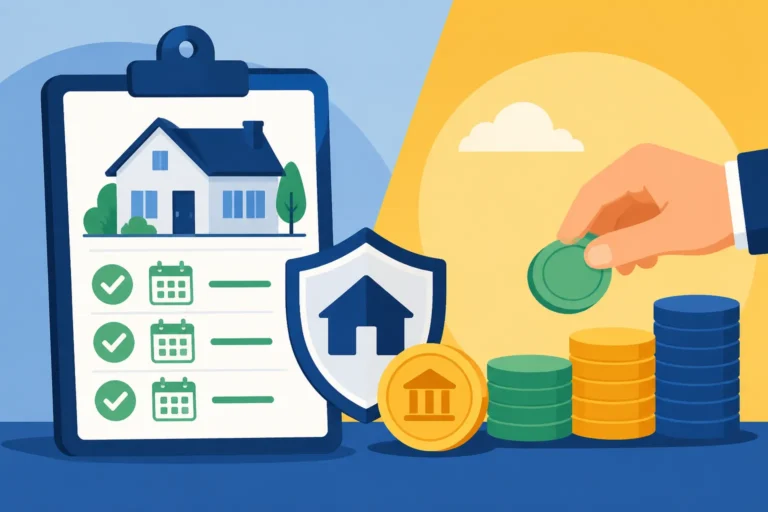
The general rule of thumb in King County is that your annual property tax bill is divided into two equal halves. The first installment is usually due by April 30th, and the second installment typically follows by October 31st. These dates are firm, and it's crucial to mark them on your calendar.
For example, if you own a home in Seattle or Bellevue, your tax bill for the entire year 2026 will be split. You'll need to pay half of that amount by April 30, 2026, and the remaining half by October 31, 2026. This staggered approach helps many households manage their finances better, preventing a single, large lump sum payment. However, it also means you have two distinct deadlines to remember. If either of these dates falls on a weekend or a holiday, the due date is usually extended to the next business day. It’s always a good idea to double-check the exact dates on your official tax statement from the King County Treasury Operations, as those documents will have the definitive information for that tax year.
Penalties for Late Payments
Missing a property tax deadline, even by a day, can unfortunately trigger penalties and interest. King County, like many jurisdictions, imposes statutory interest rates on delinquent property taxes.
Initially, if you miss the April 30th deadline, a penalty and interest will be applied to the unpaid first half. If you then miss the October 31st deadline, an additional penalty and interest will accrue on the remaining unpaid balance, including any penalties from the first half. These charges can add up surprisingly quickly, making a small oversight turn into a much larger bill. For instance, if you miss both deadlines, the cumulative interest and penalty can be substantial, adding significant burden to your finances. The goal of these penalties isn't to punish but to encourage timely payment, as property taxes fund vital local services. You can learn more about specific state-by-state due dates in our guide on Property Tax Due Dates by State.
How to Pay Your King County Property Taxes
Paying your property taxes in King County offers several convenient options, catering to different preferences and situations. Whether you prefer the ease of online transactions or the traditional method of mailing a check, King County has a system in place.
Online Payment Methods
One of the most popular and convenient ways to pay your King County property taxes is online. The King County Department of Assessments and Treasurer's Office provides an online portal where property owners can look up their tax information and make payments.
You typically have the option to pay with a credit or debit card, or directly from your bank account via an e-check. While e-check payments are often free, be aware that credit and debit card payments usually incur a convenience fee charged by the third-party payment processor. This fee can vary, so it's wise to check it before completing your transaction, especially if you're trying to avoid extra costs. Paying online allows for instant confirmation, giving you peace of mind that your payment has been received on time. This method is particularly useful for those who travel frequently or prefer managing their finances digitally.
Payment by Mail or In-Person
For those who prefer traditional methods, mailing your payment is still a viable option. You'll typically send a check or money order, made payable to the King County Treasury Operations, along with the payment stub from your tax statement. It’s absolutely critical to mail your payment well in advance of the deadline, as the postmark date is usually what counts for timely submission. If your payment is postmarked after the due date, it will be considered late, even if it arrives only a day later.
If you like the personal touch or need assistance, you can also pay your property taxes in person at the King County Treasury Operations office. This option allows you to get a direct receipt and ask any questions you might have about your bill or payment. This can be especially helpful if you're dealing with a complex situation or need to make a payment close to the deadline and want to ensure it's recorded immediately. Always check the operating hours of the office before you go to ensure they are open for tax payments.
Using Escrow Accounts for Payments
Many homeowners, especially those with a mortgage, pay their property taxes through an escrow account. When you have an escrow account, your mortgage lender collects a portion of your estimated annual property taxes with each monthly mortgage payment.
The lender then holds these funds in the escrow account and pays your property tax bill directly to King County when it's due. This system can be incredibly convenient, as it automates the process and spreads the cost over 12 months, preventing you from having to remember large lump-sum payments. Services and financial platforms like LendingTree often provide resources that explain how escrow accounts work and how they impact your overall mortgage payment. However, it's still crucial to review your annual escrow statement from your lender to ensure they're collecting enough funds and that your taxes are being paid correctly and on time. An escrow shortage can occur if your property taxes increase, leading to a higher monthly payment or a lump-sum shortage payment. Our guide on Escrow & Impound Accounts Explained offers a deeper dive into this topic.
What Happens When You Don't Pay Your Property Taxes
Ignoring your property tax obligations in King County, or anywhere else for that matter, can lead to serious consequences that extend far beyond simple late fees. The government relies heavily on property tax revenue to fund local services, and they have established clear processes to ensure these funds are collected.
Delinquent Taxes and Statutory Interest
When property taxes go unpaid past their due dates, they become delinquent. The initial consequence is the application of statutory interest and penalties, as mentioned earlier. In King County, this interest rate is set by state law and can increase the amount you owe quite significantly over time.
Imagine you miss both the April and October deadlines. Not only will you owe the original tax amount, but also the compounded interest and penalties on both installments. This can quickly turn a manageable debt into a much larger financial burden. The King County Treasurer's Office will send out notices regarding delinquent taxes, urging you to pay. These notices aren't just polite reminders; they're legal communications signaling the escalating seriousness of the situation. Understanding What Happens If You Don't Pay Property Taxes? is critical for any homeowner.
Property Tax Liens and Foreclosure Process
If property taxes remain delinquent for an extended period, King County can place a tax lien on your property. A property tax lien is a legal claim against your home, indicating that the government has a right to your property if the debt is not settled.
The duration before a lien is placed and the subsequent foreclosure process can vary, but generally, if taxes are delinquent for three consecutive years in Washington state, the county treasurer can initiate foreclosure proceedings. This means the county can sell your property at a public auction to recover the unpaid taxes. This is a very serious outcome, and it’s a situation no homeowner wants to face. Before it reaches this point, the county will usually send several warning notices and provide opportunities for you to pay the outstanding balance or enter into a payment plan. If you are struggling, contacting the King County Treasury Operations directly is always the best first step. They may be able to guide you through options like Property Tax Installment & Deferral Plans to help you get back on track.
The Impact on Your Credit and Future Finances
Beyond the risk of losing your home, delinquent property taxes can severely impact your financial health. While property tax liens themselves aren't typically reported to credit bureaus in the same way consumer debts are, the public record of a tax lien or a tax foreclosure can still negatively affect your credit score and your ability to secure future loans or mortgages.
When lenders assess your creditworthiness, they often look at public records for any judgments or liens against you. A property tax lien signals financial distress and can make it difficult to refinance your home, take out a home equity loan, or even qualify for other forms of credit. This can have long-lasting repercussions, making it harder to achieve other financial goals. Property tax liens are serious claims against your home’s equity, and they can hinder any attempts to sell or transfer ownership of the property until the lien is satisfied. For landlords or those with investment properties, tracking all expenses, including property taxes, is made easier with tools like Stessa, which helps monitor financial performance and ensures no deadlines are missed.
Resources for King County Homeowners
Understanding your property tax obligations and managing them effectively is a crucial part of homeownership. Fortunately, King County provides several resources to help you stay informed and on top of your payments.
King County Department of Assessments and Treasurer's Office
The King County Department of Assessments is responsible for valuing properties, while the King County Treasury Operations (which is part of the Department of Finance and Business Management) handles the collection of property taxes. These are your primary contacts for anything related to your property tax bill.
Their websites are invaluable resources where you can look up your property's assessed value, view your current and past tax statements, and find detailed information on payment options and due dates. If you ever find yourself questioning your property’s valuation, the Department of Assessments is where you would start to understand Property Tax Assessment & Reassessment Explained. Their public records sections also allow you to see how your property stacks up against others, which can be useful if you're considering an appeal. Don't hesitate to reach out to them directly via phone or email if you have specific questions about your property or need clarification on any aspect of your tax bill.
Accessing Your Property Tax Statement
Your annual property tax statement is more than just a bill; it's a comprehensive document detailing how your taxes are calculated and where your money goes. In King County, these statements are typically mailed out annually, but you can also access them online through the King County Treasury's website.
This statement will show your property's assessed value, the various levy rates applied by different taxing districts (like school districts, cities, and special districts), the total amount due, and the specific due dates for each installment. It also often includes contact information for the respective departments if you have questions. Learning How to Read Your Property Tax Bill is a valuable skill that empowers you to understand exactly what you're paying for and identify any potential discrepancies. For owners of rental properties, it's also important to factor these taxes into your operational costs and track them accurately.
Seeking Help with Property Tax Appeals or Exemptions
Sometimes, you might feel that your property's assessed value is incorrect, or you might be eligible for certain exemptions that could lower your tax burden. King County provides pathways for homeowners to appeal their property assessments.
If you believe your property has been overvalued, you have the right to file an appeal with the King County Board of Equalization. This process typically requires you to provide evidence supporting your claim, such as comparable sales data for similar properties in your neighborhood. There are also various property tax exemptions available to eligible homeowners, such as those for seniors, disabled persons, or veterans. For example, Washington state offers exemptions for seniors and people with disabilities who meet certain income and ownership requirements. Exploring these options could lead to significant savings. Make sure you understand the criteria and application deadlines for any exemptions you might qualify for, as these are often strict. Our guides on Senior & Over-65 Property Tax Exemptions and Freezes or Veteran & Disabled Veteran Property Tax Exemptions might be helpful places to start researching.
Important Considerations for King County Homeowners
Beyond the mechanics of payment and due dates, there are a few broader considerations that every homeowner in King County should keep in mind to manage their property taxes effectively.
Understanding Taxing Districts and Levies
Your property tax bill in King County isn't just one lump sum; it's a compilation of levies from various taxing districts. These can include your county, city, school district, fire district, library district, and other special purpose districts.
Each of these entities sets its own levy rate, which is then applied to your property's assessed value. For example, a homeowner in Renton will have different city levies than someone in Kirkland, even though both are in King County. The largest portion of your property tax bill often goes to local school districts, highlighting how essential these taxes are for funding education. Understanding Who Sets Property Tax Rates? can give you a clearer picture of where your money is going and why the total amount might seem high. It’s a complex system, but knowing the different components can help you understand your overall tax burden.
Monitoring Property Value Fluctuations
Property values in King County, particularly in competitive markets like Seattle, Bellevue, and Redmond, can fluctuate significantly. While an increase in your home's market value might feel good, it often translates to a higher assessed value and, consequently, a higher property tax bill.
The King County Department of Assessments typically reassesses properties periodically to reflect current market conditions. It's important to monitor these reassessments and understand how they impact your taxes. For example, if your neighborhood experiences a surge in home sales at high prices, your assessed value might increase dramatically even if you haven't done any improvements. This is why it's so important to review your annual assessment notice carefully. If you believe your property's new assessed value is out of sync with comparable homes, that's precisely when you should consider an appeal. A guide like Assessed Value vs Market Value vs Taxable Value can help clarify these terms.
Planning for Future Tax Increases
Given the dynamic nature of property values and the ongoing needs of local services, it's prudent to anticipate that your property taxes in King County might increase over time. While there are some limitations on how much property taxes can increase annually in Washington State (generally capped at 1% plus new construction), reassessments can still lead to higher bills.
Homeowners should ideally factor potential property tax increases into their long-term financial planning. If you pay through an escrow account, your lender will typically adjust your monthly payments to account for these changes, which can lead to unwelcome surprises if you're not prepared. For those who pay directly, setting aside a little extra each month can help cushion the blow of a larger-than-expected bill. Staying informed about local budget discussions and proposed levy changes can also give you an early heads-up about potential increases.
| Payment Method | Due Date (Typically) | Processing Time | Potential Fees | Notes |
|---|---|---|---|---|
| Online (E-check) | April 30 & October 31 | Immediate | None | Requires bank account info, instant confirmation. |
| Online (Credit/Debit Card) | April 30 & October 31 | Immediate | Varies (3rd party fee) | Convenient but incurs a processing fee. |
| April 30 & October 31 | Varies (postmark matters) | None | Send well in advance; include payment stub. | |
| In-Person | April 30 & October 31 | Immediate | None | Visit King County Treasury Operations during business hours. |
| Escrow (via mortgage) | Varies (monthly) | Lender manages | None (part of mortgage) | Automated, spreads cost, but verify annual statements. |
Disclaimer
The information provided in this guide is for general informational purposes only and does not constitute financial, legal, or tax advice. Property tax laws and procedures are complex and can change. Always consult with the King County Department of Assessments, the King County Treasury Operations, or a qualified financial or tax professional for advice tailored to your specific situation.