Pay Collin County Property Tax Online
Navigating the world of property taxes can often feel like deciphering a secret code, and for homeowners in Collin County, Texas, the process of figuring out how to pay your annual dues can be particularly confusing amidst the different governmental entities and payment options. This comprehensive guide is designed to cut through that complexity, providing you with a clear, step-by-step roadmap to understanding your bill and seamlessly paying your Collin County property taxes online.
Decoding Your Collin County Property Tax Bill
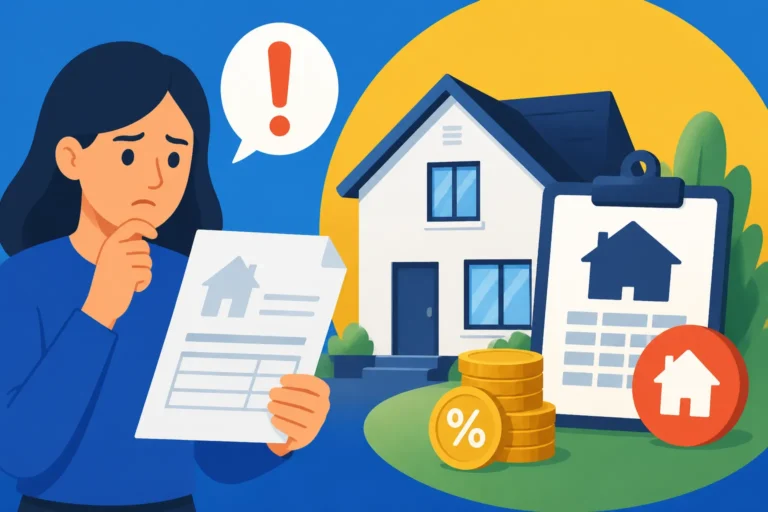
When that annual property tax statement arrives in your mailbox, it can often feel like a jumbled mess of numbers and official jargon. Many Collin County residents feel a surge of anxiety or frustration, wondering what exactly they’re looking at and why their bill is what it is. It's not just a single tax; your total bill is actually a sum of taxes levied by various taxing units that serve your property, including the county itself, your local school district, any city you reside in, and potentially other special districts like hospital or community college districts. Understanding each component is the first step toward gaining control and peace of mind.
Key Components and Important Information
Your property tax bill isn't just a request for money; it's a detailed breakdown of how your property’s value contributes to local services. You'll typically find your property account number, which is essential for looking up your information online. Then there's the taxable value, which is the appraised value of your home as determined by the Collin Central Appraisal District (CAD), minus any exemptions you might have. This value is crucial because it’s the figure upon which all the various tax rates are applied.
Each taxing entity—be it the City of Plano, the Frisco Independent School District, or Collin County itself—will have its own distinct tax rate, often expressed as a "per $100 valuation." For example, a rate of $0.50 per $100 means you pay 50 cents for every $100 of your home's taxable value. The bill will list these rates and show you exactly how much you owe to each entity. It's incredibly important to review your bill thoroughly to ensure all information, especially your exemptions, is accurate. If you need a deeper dive into what all those figures mean, our guide on How to Read Your Property Tax Bill can offer more clarity.
The Role of the Collin Central Appraisal District and Tax Assessor-Collector
It's easy to get the Collin Central Appraisal District (CAD) and the Collin County Tax Assessor-Collector confused, but they have very distinct roles in your property tax journey. The CAD is responsible for appraising the value of all properties in the county, essentially determining how much your home is worth for tax purposes. This appraisal is what often drives the initial numbers on your bill. If you feel your property's value is too high, your interaction would typically be with the CAD during the protest period. Our resource on Property Tax Assessment & Reassessment Explained can shed more light on this process.
On the other hand, the Collin County Tax Assessor-Collector's office is the entity responsible for collecting the property taxes, distributing them to the various taxing units, and managing exemptions. When you’re ready to pay your bill, this is the office you’ll be interacting with. They also handle things like applying your homestead exemption or providing information on payment plans. Understanding this distinction is key to knowing who to contact for specific questions or issues.
Step-by-Step Guide to Online Property Tax Payment in Collin County
The convenience of paying your property taxes online can be a huge relief, saving you a trip to the tax office and ensuring your payment is processed quickly. For many Collin County residents, the online system provided by the Collin County Tax Assessor-Collector’s office is the most straightforward and secure way to handle this annual obligation. Let's walk through the process, so you know exactly what to expect.
Navigating the Official Online Portal
To begin, you'll need to head to the official Collin County Tax Assessor-Collector website. It's crucial to ensure you're on the legitimate government site to protect your personal and financial information. Once there, look for a prominent link or section dedicated to "Property Tax Payments" or "Pay Your Taxes Online." Most government websites prioritize this information during tax season, so it shouldn't be too hard to find.
Once you click through, you'll typically be prompted to search for your property. This is where your property account number, found on your tax bill, comes in handy. If you don't have it readily available, you can usually search by owner name or property address. Be precise with your spelling and house numbers to ensure you pull up the correct property information. This online lookup feature is a lifesaver, especially if your physical bill has gone missing.
Selecting Your Payment Method
After successfully locating your property, the system will display your current tax balance, including any outstanding amounts, penalties, or interest if you're paying past the initial deadline. You’ll then be given a choice of payment methods. The most common options for online payments in Collin County, like many other jurisdictions, include e-check (or electronic check) and credit/debit card. Each has its own benefits and considerations, particularly concerning processing fees.
- E-Check (ACH): This method allows you to pay directly from your checking or savings account. It generally involves entering your bank routing number and account number. The big advantage here is that e-check payments often come with a much lower, or sometimes even no, processing fee compared to credit cards. This can be a significant saving, especially on a large property tax bill. It's similar to setting up an automatic bill payment for utilities.
- Credit/Debit Card: Paying with a credit or debit card offers the convenience of instant payment and, for credit cards, the potential to earn rewards points. However, it’s important to be aware that a convenience fee, usually a percentage of your total payment, will be added by the third-party processor. This fee can sometimes be substantial, so always check the exact amount before confirming your payment. While it offers flexibility, especially if you're working with a tight budget, the added cost is a definite factor to consider. For those looking to manage their overall financial picture, understanding how property tax payments fit into your budget is key, and resources like LendingTree can offer tools for financial planning.
| Payment Method | Processing Fee (Approx.) | Pros | Cons |
|---|---|---|---|
| E-Check (ACH) | Low flat fee or free | Cost-effective, direct from bank account | Requires bank account and routing number |
| Credit/Debit Card | 2.25% – 2.5% of payment | Instant processing, potential rewards | Higher cost due to percentage-based convenience fee |
Once you've chosen your method and entered the necessary details, the system will present a summary of your payment, including any applicable fees. Review this carefully before clicking "submit" to avoid any errors.
Confirmation and Record Keeping
After your payment is submitted, you should immediately receive a confirmation number or receipt. This is incredibly important to save! Print it out, take a screenshot, and/or save the email confirmation. This serves as your proof of payment and can be invaluable if any discrepancies arise later. Many county systems also allow you to create an account where you can view your payment history, which is another excellent way to keep tabs on your property tax obligations.
For those who manage rental or investment properties in Collin County, keeping meticulous records of property tax payments is even more critical for accounting and tax purposes. Tools like Stessa can be incredibly helpful for tracking all your property expenses, including property taxes, making tax season a breeze. Whether you own your primary residence or multiple investment properties, good record-keeping practices will save you headaches down the line.
Alternative Payment Methods and Important Deadlines
While online payments offer unparalleled convenience, it's good to know that the Collin County Tax Assessor-Collector's office provides several other ways to settle your property tax bill. These options can be especially useful if you prefer traditional methods, don't have internet access, or need to discuss your payment directly with staff. Knowing all your options, as well as the critical deadlines, will help you stay on top of your property tax responsibilities.
Traditional Payment Avenues
For those who prefer not to pay online, or who might need an immediate, in-person receipt, the Collin County Tax Assessor-Collector offers a few other robust options:
- In-Person Payments: You can visit one of the Collin County Tax Assessor-Collector's office locations to pay your taxes directly. These offices are typically found in major county hubs like McKinney, Plano, and Frisco. Paying in person allows you to get immediate assistance if you have questions about your bill, and you'll receive a physical receipt right away. Always check their official website for current office hours and locations before you head out, as these can change, especially around holidays.
- Mail Payments: Sending your payment via postal mail is another common method. You simply detach the payment stub from your tax statement, write a check or money order payable to the Collin County Tax Assessor-Collector, and send it to the address provided on your bill. Be sure to mail your payment well in advance of the deadline, as the postmark date is usually what counts for timely submission. Using certified mail with a return receipt can provide extra peace of mind, proving when your payment was sent and received.
- Phone Payments: Many tax assessor offices, including Collin County’s, offer a phone payment option. This typically involves calling a dedicated number and using a credit or debit card. Similar to online credit card payments, these often incur a convenience fee. This method can be great if you’re short on time but still want to use a card without navigating the website.
Understanding Property Tax Due Dates and Penalties
In Texas, property taxes are generally due by January 31st of the year following the tax year for which they were assessed. So, your 2025 property taxes would be due on January 31, 2026. This is a statewide standard, and Collin County adheres to it. Missing this deadline can lead to significant penalties and interest, which start accruing on February 1st. The longer you delay, the more these charges can add up, so it's critical to mark this date on your calendar. You can dive deeper into specific deadlines with our article on Property Tax Due Dates in Texas.
If you find yourself unable to pay the full amount by the deadline, don't despair! You might be eligible for a payment plan. For instance, Texans often have the option to enter into an installment agreement with the tax office if certain conditions are met, such as being over 65, disabled, or a disabled veteran. These plans typically allow you to pay your taxes in four equal installments, usually in January, March, May, and July. While interest still applies, it can significantly ease the financial burden compared to facing the full brunt of penalties for a single late payment. You can learn more about these arrangements by checking out our guide on Property Tax Installment & Deferral Plans.
Resources and Support for Collin County Taxpayers
Dealing with property taxes can sometimes feel like a solo mission, but you're not alone. Collin County offers various resources and support systems designed to help taxpayers understand their obligations, manage their payments, and even potentially reduce their tax burden. Knowing where to turn for assistance can make a huge difference, whether you have a simple question or a complex issue.
Leveraging Property Tax Exemptions
One of the most impactful ways to lower your property tax bill is by utilizing available exemptions. Many Collin County homeowners are eligible for a homestead exemption on their primary residence, which reduces the taxable value of their home. This isn't a deduction from your payment; it's a reduction in the value upon which your tax is calculated, meaning you pay less overall. If you live in your home, you almost certainly qualify, and applying for it is generally a straightforward process through the Collin Central Appraisal District. Our comprehensive guide to the Homestead Exemption in Texas provides all the details you need to apply.
Beyond the general homestead exemption, other significant exemptions exist for specific groups of taxpayers. For instance, seniors over 65 and disabled homeowners are often eligible for additional exemptions that can further reduce their taxable value, and in Texas, these groups also benefit from a school tax freeze, meaning their school district taxes won't increase beyond a certain point regardless of rising property values. There are also generous exemptions for disabled veterans. It's crucial to apply for these exemptions if you qualify, as they are not automatically applied. Explore topics like Texas Over-65 Property Tax Exemption & School Tax Freeze or Do You Stop Paying Property Taxes at 65? to see if you qualify for these valuable benefits.
Understanding Property Value Protests and Appeals
Even with exemptions applied, you might still feel that your property tax bill is too high because the Collin Central Appraisal District has assessed your home at a value higher than its true market value, or higher than comparable properties in your neighborhood. This is where the property tax protest process comes in. In Texas, you have the right to formally protest your property's appraised value annually, typically by May 15th or within 30 days of receiving your notice of appraised value, whichever is later.
Filing a protest can potentially lead to a reduction in your property's assessed value, and consequently, a lower tax bill. This process usually involves gathering evidence, such as comparable sales in your area or photos of damage to your property, and presenting your case to the Appraisal Review Board (ARB). While it can seem daunting, many homeowners successfully protest their values each year. For a deep dive into how this process works and what evidence you need, check out our guide on How to Appeal Property Taxes. Additionally, understanding mechanisms like the Texas Homestead 10% Cap Explained can help you grasp how much your value can increase year-over-year.
Direct Contact with the Collin County Tax Assessor-Collector
Sometimes, the best resource is direct communication. If you have specific questions about your bill, your payment, or any other property tax-related matter in Collin County, don't hesitate to reach out to the Collin County Tax Assessor-Collector's office. They have staff trained to assist taxpayers with various inquiries, provide clarification on complex issues, and help you navigate the payment process. You can typically find their contact information, including phone numbers and email addresses, on their official website. Having a specific question ready, along with your property account number, will help them assist you more efficiently. They are there to serve you and provide the most accurate and up-to-date information for your unique situation.
Disclaimer
Please remember that this guide provides general information about paying property taxes in Collin County, Texas. While we strive for accuracy, property tax laws and procedures can change. It is always recommended to consult the official Collin County Tax Assessor-Collector website, the Collin Central Appraisal District, or a qualified tax professional for the most current and personalized advice regarding your specific property tax situation.