Pay Maricopa County Property Tax Online
Paying property taxes can feel like a yearly puzzle, especially when you're trying to navigate county websites or remember deadlines that seem to sneak up on you. For homeowners in Maricopa County, Arizona, understanding the ins and outs of your property tax bill and, more importantly, knowing the most efficient ways to pay it can save you a ton of stress and even potential penalties. This guide is designed to cut through the confusion, offering a comprehensive look at how you can conveniently and securely pay your Maricopa County property taxes online, along with other essential tips for managing this significant homeowner responsibility.
Understanding Your Maricopa County Property Tax Bill
Before you can even think about hitting that "pay now" button, it's absolutely crucial to understand what you're actually paying for. Your Maricopa County property tax bill isn't just a random number; it's a carefully calculated assessment based on various factors. Taking the time to read through it will demystify the process and ensure you know exactly what your obligations are.
Decoding Key Sections of Your Bill
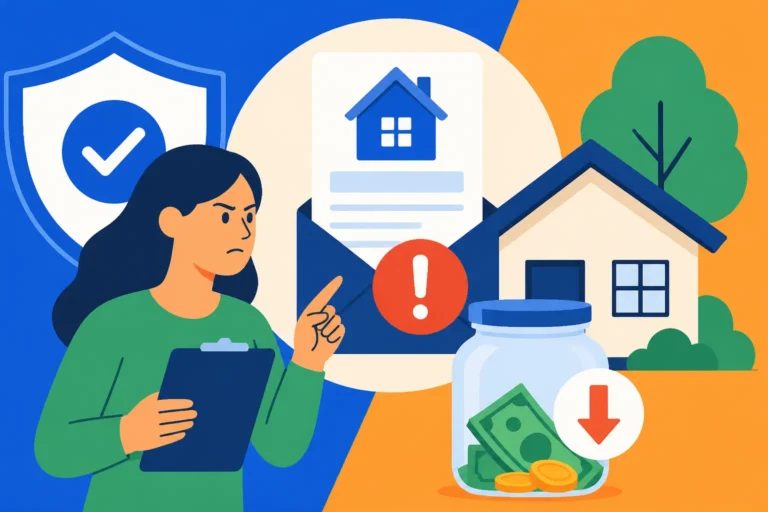
When that official envelope arrives from the Maricopa County Treasurer's Office, it can look a bit daunting with all its numbers and jargon. However, breaking it down into manageable sections makes it much clearer. The first thing you'll want to locate is your Parcel Number (sometimes called an APN or Assessor's Parcel Number). This unique identifier is tied directly to your specific property and is essential for any inquiry or payment you make. Think of it as your property's social security number.
Next, pay close attention to the Assessed Value of your property. In Arizona, this isn't necessarily the same as what your home would sell for on the open market. Instead, it's a value determined by the Maricopa County Assessor's Office for tax purposes. They use a specific ratio and valuation method, which you can learn more about in our guide on Property Tax Assessment & Reassessment Explained. The assessed value is the foundation upon which your tax bill is built. You’ll also see the Tax Rate (often expressed in dollars per $100 of assessed value or as a mill rate) applied to your property, which is set by various taxing jurisdictions such as school districts, cities, and the county itself. Finally, your bill will clearly outline the total amount due, broken down into two equal installments. Understanding these core components will empower you to How to Read Your Property Tax Bill and verify the charges.
Important Dates and Deadlines
Missing a property tax deadline is one of the quickest ways to incur penalties and interest, which no one wants. In Maricopa County, property taxes are typically paid in two installments. The first installment is usually due on October 1st, becoming delinquent if not paid by November 1st. The second installment is then due on March 1st of the following calendar year, becoming delinquent if not paid by May 1st. It's important to remember that these dates refer to the tax year for which the taxes are assessed. For example, the taxes for the year 2023 would have their first installment due October 1, 2023, and the second installment due March 1, 2024.
These deadlines are not suggestions; they are firm dates set by law. While the county often sends out reminders, it is ultimately the homeowner's responsibility to ensure payments are made on time. If you’re ever unsure, the Maricopa County Treasurer's website is the best resource for the most current information. Keep these dates marked on your calendar, set digital reminders, or even consider signing up for email notifications from the Treasurer's office to avoid any last-minute scramble or unwelcome surprises. For a broader overview of payment schedules across the country, check out our guide on Property Tax Due Dates by State.
Why Choose Online Property Tax Payments in Maricopa County?
In today's fast-paced world, convenience is king, and paying bills online has become the norm for most people. Property taxes are no exception, and Maricopa County has embraced digital solutions to make this annual obligation much more manageable for its residents. There are several compelling reasons why choosing to pay your property taxes online is often the best approach.
The Convenience Factor
Let's be real: who enjoys spending their precious time searching for stamps, envelopes, or, even worse, sitting in line at a government office? The beauty of paying your Maricopa County property tax online is the unparalleled convenience it offers. You can complete the entire transaction from the comfort of your home, at your kitchen table, or even on your lunch break at work – as long as you have an internet connection. This 24/7 accessibility means you're not constrained by office hours or geographical location.
Imagine it's late October, and you suddenly realize the first installment deadline is looming. Instead of panicking about getting to the post office or rushing downtown, you can simply log onto the Maricopa County Treasurer's website, enter your details, and complete your payment in a matter of minutes. This eliminates the stress of mail delays, lost checks, or trying to squeeze a trip to the county office into an already busy schedule. For many, this time-saving aspect alone makes the online payment option invaluable. It frees you up to focus on more enjoyable aspects of life rather than administrative tasks.
Enhanced Security and Record Keeping
When you mail a check or carry a large sum of money to a government office, there's always a lingering concern about security. With online payments through the official Maricopa County Treasurer's website, you benefit from secure, encrypted transactions that protect your financial information. The county's portals are designed with robust security measures to safeguard your data, often mirroring the security protocols used by major financial institutions.
Beyond security, online payments provide an excellent, immediate record-keeping system. Once your payment is processed, you'll receive an instant digital confirmation or receipt via email. This digital paper trail is invaluable for your personal financial records, especially when it comes time to file your taxes or if you ever need to verify a payment. Tools like Stessa, designed for property owners, can help you effortlessly track these digital receipts and other property-related expenses, creating a centralized system for all your financial documentation. This not only keeps you organized but also provides peace of mind, knowing you have undeniable proof of payment should any questions arise down the line.
A Step-by-Step Walkthrough for Paying Maricopa County Property Tax Online
If you're new to online property tax payments or just want a clear guide, you're in the right place. The process is designed to be user-friendly, but having a roadmap always helps. Let's walk through how to pay your Maricopa County property tax bill without a hitch.
Locating Your Account on the Treasurer's Website
Your first stop will be the official website for the Maricopa County Treasurer. A quick search for "Maricopa County Treasurer" will typically lead you directly to their portal. Once there, you'll usually find a prominent section or link for "Property Tax Search & Pay" or something similar. This is where you'll begin the process of pulling up your specific tax bill.
To locate your property, you'll generally need one of a few key pieces of information. The most reliable is your Parcel Number, which we discussed earlier. You can usually find this number prominently displayed on your physical tax bill. If you don't have your bill handy, you might be able to search using your property address or even your name, though the parcel number is often the most direct route. Once you input the required information, the system should display your property details, including your outstanding tax balance for the current and any previous years. This is also a great time to ensure all the displayed information is accurate. If you need to search for your property tax records more broadly, our guide on Maricopa County Property Tax Search & Lookup offers further assistance.
Understanding Payment Options and Associated Fees
Once you've located your bill, you'll be presented with various payment options. The Maricopa County Treasurer's Office typically offers two main ways to pay online:
- E-Check (ACH Payment): This option allows you to pay directly from your checking or savings account. You'll need your bank's routing number and your account number. This method is usually free or comes with a very minimal processing fee, making it the most cost-effective choice for many homeowners.
- Credit/Debit Card: You can use a major credit or debit card (like Visa, MasterCard, Discover, or American Express) to make your payment. While convenient, it's important to be aware that there is almost always a convenience fee associated with credit and debit card payments. This fee is charged by the third-party payment processor, not the county, and it usually ranges from 2% to 2.5% of your total payment.
Before you proceed, carefully review the fees associated with your chosen payment method. A 2.5% fee on a $3,000 property tax bill, for instance, adds an extra $75 to your payment. It's a good idea to consider whether the convenience is worth the extra cost for you. If you're on a tight budget or trying to optimize your finances, the e-check option is generally preferable. For broader financial advice, especially concerning managing expenses and debt, resources like LendingTree can provide insights into various financial products and budgeting strategies, helping you make informed decisions about how to best handle large payments like property taxes. Don't forget to double-check all your payment details before finalizing the transaction to prevent any issues.
Confirmation and Record Keeping
After you've selected your payment method and entered all the necessary information, you'll usually get a chance to review your payment details one last time before submitting. This is your final opportunity to ensure the amount is correct, the parcel number matches, and your banking or card information is accurate. Once submitted, the system will process your payment.
The most critical step immediately after submission is to save your confirmation. You'll typically receive an on-screen confirmation number and an email receipt. Print a copy of the confirmation page or save it as a PDF on your computer. Also, keep the email receipt in a dedicated "property tax" folder in your inbox. This confirmation is your official proof that the payment was successfully initiated and is critical should any discrepancies arise later. It’s not uncommon for folks to forget this step and then scramble when they need to verify. Having these records readily available helps you stay organized and provides peace of mind, knowing you have documented proof that you met your tax obligations.
Navigating Common Challenges with Online Property Tax Payments
While paying your property taxes online is generally a smooth process, like any digital transaction, you might occasionally encounter a hiccup or two. Knowing what to do when things don't go perfectly can save you a lot of frustration and potential penalties.
Dealing with Technical Issues
It's happened to the best of us: you're trying to complete an important online transaction, and suddenly the website freezes, your internet connection drops, or you get an error message you don't understand. When paying your Maricopa County property tax online, technical issues can be particularly nerve-wracking because of the financial implications.
One common issue relates to browser compatibility. Older browsers or those with outdated settings might struggle to correctly display or process secure payment pages. If you're encountering problems, try switching to a different web browser (e.g., if you're using Chrome, try Firefox or Edge) or ensure your current browser is updated to the latest version. Clearing your browser's cache and cookies can also resolve minor glitches. Sometimes, pop-up blockers can interfere with the payment portal, so temporarily disabling them might be necessary. If the website seems to be down entirely or you're getting consistent error messages, it's possible the county's system is undergoing maintenance or experiencing a temporary outage. In such cases, waiting an hour or two and trying again is often the best course of action. If the problem persists, don't hesitate to contact the Maricopa County Treasurer's office directly during business hours. They can often guide you through specific technical issues or inform you of any known system problems.
Handling Payment Errors or Delays
Another set of challenges revolves around the actual payment processing itself. You might submit a payment and then worry if it actually went through, or worse, receive a notification that there was an issue. A common scenario is when an e-check (ACH) payment fails due to incorrect bank account numbers or insufficient funds. If this happens, you'll typically receive an email notification from the county or their payment processor. It's critical to act on these notifications immediately. A failed payment means your tax bill remains unpaid, and you could start accruing penalties.
If you suspect a payment hasn't gone through, or if you received an error message during the process but didn't get an immediate confirmation, the first step is to check your bank or credit card statement online to see if the transaction is pending or posted. If it's not there after a day or two, or if you're still uncertain, contact the Maricopa County Treasurer's office right away. Be prepared to provide your parcel number and the date and time you attempted to make the payment. They can check their records to see if the payment was received or if there's a problem on their end. Remember, the clock is ticking on deadlines, so prompt action is essential to avoid Delinquent Property Taxes: What to Do. Always keep your confirmation numbers handy, as they are invaluable for troubleshooting any payment discrepancies.
Exploring Alternative Ways to Pay Your Maricopa County Property Tax
While paying online offers unparalleled convenience, it's not the only option available for Maricopa County homeowners. Understanding the full spectrum of payment methods can be helpful, especially if you prefer traditional approaches or encounter issues with digital platforms.
Traditional Payment Methods
For those who appreciate a more traditional approach, or simply need an alternative, Maricopa County provides several well-established payment channels. The most common is paying by mail. You'll typically receive a payment coupon with your tax bill, which you can detach and send along with a check or money order. It's crucial to mail your payment well in advance of the deadline, as the postmark date is usually what counts for timely submission. Using certified mail with a return receipt can provide extra peace of mind, offering proof of mailing and delivery, especially for large payments.
Another option is to pay in person at the Maricopa County Treasurer's office. This allows you to hand over your payment directly and receive an immediate, physical receipt. This can be particularly useful if you have questions about your bill that you'd like to address with a representative, or if you prefer to deal with cash payments. Check the Treasurer's website for office hours and locations before you go. Some county offices also offer secure drop boxes for after-hours payments, which can be a convenient middle ground between mailing and in-person visits. Remember that any payment made in person should still include your payment coupon or parcel number to ensure it's correctly applied to your account. For a comprehensive look at all the various ways you can fulfill this obligation, our guide on How to Pay Property Taxes: Complete Guide provides a broad overview.
Escrow Accounts and Third-Party Services
Many homeowners don't actually pay their property taxes directly, especially if they have a mortgage. In these cases, property taxes are typically handled through an escrow or impound account. This means that a portion of your monthly mortgage payment goes into a separate account managed by your mortgage lender or servicer. The lender then uses these funds to pay your property tax bill on your behalf when it comes due. This method offers extreme convenience as you don't have to worry about remembering deadlines or making lump-sum payments.
However, it's still essential to monitor your escrow account and your property tax bill, even if your lender is handling it. Sometimes, your escrow payment can increase due to rising property values or changes in tax rates, leading to an escrow shortage. Our article on Escrow & Impound Accounts Explained delves deeper into how these accounts work. If you find yourself needing to pay a large tax bill outside of escrow, or perhaps you're considering a property tax loan as a last resort, it's vital to research all your financial options thoroughly. Companies like LendingTree can be a resource for comparing different loan products or financial advice, though property tax loans often come with high interest rates and should be approached with extreme caution, typically only after exhausting other options or consulting a financial advisor. Always understand the terms and conditions before committing to any third-party payment service or loan.
Proactive Strategies for Managing Your Property Tax Bill
Being a homeowner means more than just paying your property taxes; it means understanding the factors that influence them and exploring ways to potentially reduce your burden. Taking a proactive approach can lead to significant savings and greater peace of mind.
Understanding Property Assessments and Appeals
One of the most impactful ways to manage your property tax bill is to understand how your property is assessed. In Maricopa County, like many jurisdictions, the county assessor determines the value of your property for tax purposes. This "assessed value" is what your tax rate is applied to. When market values fluctuate, so too can your assessed value, sometimes leading to unexpected increases in your tax bill. Regularly reviewing your Property Tax Assessment & Reassessment Explained is a critical first step.
If you believe your property's assessed value is higher than its fair market value, or if it's assessed unfairly compared to similar properties in your neighborhood, you have the right to appeal. The appeals process typically involves gathering evidence, such as recent sales of comparable homes (comps) in your area, or documentation of any damage or issues with your property that might decrease its value. Each year, Maricopa County sends out a Notice of Valuation, and this is your window to file a petition to appeal if you disagree with their assessment. Missing this deadline means you'll likely have to wait until the next tax cycle. Taking the time to understand the assessment process and being prepared to challenge an overvaluation can be a powerful way to reduce your future tax obligations. For detailed strategies on how to do this, explore our article on How to Lower Your Property Tax Assessment.
Exploring Exemptions and Payment Plans
Beyond appealing an assessment, there are often various exemptions and relief programs available that can reduce your property tax liability. These are typically designed to assist specific groups of homeowners, such as seniors, veterans, or those with disabilities. In Arizona, for example, there are programs like the Arizona Property Tax Refund Program (often referred to as a "circuit breaker") for low-income seniors and disabled residents. There are also specific exemptions that can lower the taxable value of your primary residence, known as homestead exemptions.
It's crucial to research what exemptions you might qualify for and apply for them diligently, as they are not automatically applied. The Maricopa County Assessor's Office or Treasurer's Office websites are excellent places to start researching eligibility requirements and application deadlines. Our comprehensive Homestead Exemption: Complete State-by-State Guide can give you an idea of what might be available in Arizona and how it compares elsewhere. Furthermore, if you find yourself struggling to pay a large lump sum, many counties offer property tax installment or deferral plans. These programs allow you to break your total bill into smaller, more manageable payments or, in some cases, postpone payment under certain conditions. While these plans might involve fees or interest, they can provide a vital safety net to prevent delinquency and avoid severe penalties. Our guide on Property Tax Installment & Deferral Plans provides more insight into these options. Being proactive about exploring these avenues can make a significant difference in your annual property tax burden.
Disclaimer
The information provided in this guide is for general informational purposes only and should not be considered legal, financial, or tax advice. Property tax laws and regulations are complex and can change frequently. Always consult with a qualified professional, such as a tax advisor, attorney, or the official Maricopa County Treasurer's Office, for advice tailored to your specific situation.