Personal Property Tax (Car Tax) in North Carolina
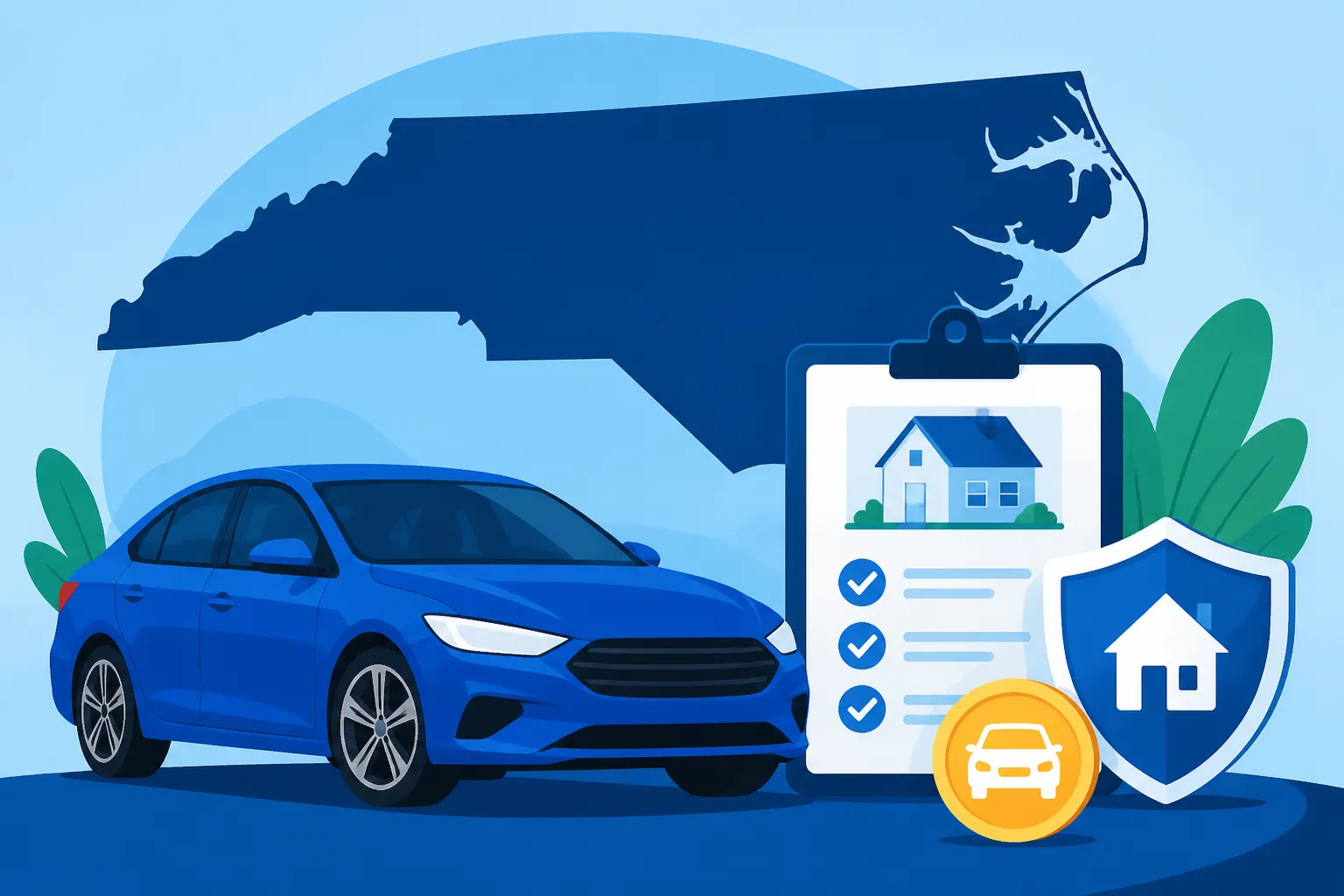
That annual vehicle registration renewal in North Carolina can often come with a surprise: the personal property tax bill. It's not just the license plate fee; it's a separate charge based on the value of your car, truck, or even motorcycle. This guide is here to demystify North Carolina's "car tax," explaining exactly what it is, how it's calculated, and when you need to pay it so you can avoid any unwelcome financial surprises and budget effectively.
Understanding North Carolina's Personal Property Tax for Vehicles
For many folks moving to North Carolina, or even long-time residents, the concept of a "car tax" can be a bit confusing. It's not a sales tax you pay when you buy the car, nor is it merely your annual registration fee. Instead, it's an annual tax levied on the value of your personal property, and in North Carolina, that prominently includes motor vehicles.
Defining Personal Property Tax in NC
In North Carolina, personal property tax is an ad valorem tax, meaning it's based on the value of the item. While most people think of "property tax" in terms of their home or land, many states also tax other valuable assets. North Carolina is one of those states where your vehicles fall under this umbrella. Essentially, if it's tangible, movable property with significant value, the state and local governments might consider it taxable personal property. Vehicles are the most common example of this for the average homeowner, but it can also include things like boats, aircraft, or even some types of business equipment.
It’s crucial to understand that this isn't a statewide flat fee. Each of North Carolina’s 100 counties, along with many municipalities and special districts within those counties, sets its own tax rate. This means that the amount you pay can differ significantly if you live in Raleigh (Wake County) compared to Charlotte (Mecklenburg County), or even if you live in a smaller town versus the unincorporated areas of the same county. This local variation is why it's so important to know the specific rules for your particular area.
Why Vehicles Are Included
The rationale behind including vehicles in personal property tax stems from the idea that these assets contribute to the overall economic activity and infrastructure of the community. The revenue collected from personal property taxes, just like real estate property taxes, goes toward funding essential local services. Think about the roads your vehicle drives on, the emergency services that respond to accidents, the public schools that educate the children of your community, and the parks and libraries that everyone enjoys.
Prior to 2013, vehicle owners in North Carolina received two separate bills: one from the Division of Motor Vehicles (DMV) for their registration renewal and another from their county tax office for the personal property tax. This system was often a source of frustration and confusion, leading to missed payments and penalties. To streamline the process and make it more convenient for taxpayers, North Carolina implemented the "Tag & Tax Together" program. This initiative, which became effective in 2013, integrated the collection of vehicle property taxes with the vehicle registration renewal process, meaning you now receive a single bill for both. While more convenient, it doesn't change the fact that you're still paying a personal property tax on your vehicle; it just makes the payment process simpler.
How North Carolina Calculates Your Vehicle's Personal Property Tax
Understanding how your vehicle's personal property tax is calculated can feel like trying to decipher a secret code. But once you break it down, it's fairly straightforward. The core elements are the vehicle's assessed value and the local tax rate in your specific jurisdiction.
Understanding the Assessment Value
The first step in calculating your car tax is determining its assessed value. Unlike real property, which might require an onsite appraisal, vehicle assessments typically rely on standardized valuation guides. North Carolina counties generally use the values published in the NADA Official Used Car Guide or other similar recognized guides, such as Kelley Blue Book. These guides provide a base value for vehicles based on their make, model, year, and trim level.
However, it's not just a blind application of the guide price. County tax assessors will also consider several factors to adjust this base value:
- Mileage: High mileage can decrease the value, while unusually low mileage for the vehicle's age might increase it.
- Condition: Significant damage, major repairs needed, or excessive wear and tear can lead to a lower assessment. Conversely, a vehicle in pristine condition might be assessed higher.
- Optional Equipment: Any factory-installed options or significant aftermarket upgrades (like a custom lift kit on a truck) can influence the value.
- Region: While the guides are national, assessors might make slight adjustments based on local market conditions, although this is less common for standard passenger vehicles.
For example, if you own a five-year-old Honda Civic in Wake County, the assessor's office will look up its value in the NADA guide for that year, make, and model. Then, they'll factor in your reported mileage and general condition. They aren't looking to assess your vehicle at its original purchase price, but rather its current fair market value, which generally depreciates over time. This method ensures a relatively consistent and objective valuation across all similar vehicles within the county. If you believe your vehicle's assessed value is significantly off, perhaps due to accident history or mechanical issues, understanding the basis of the assessment is your first step in questioning it.
Applying the Local Tax Rate Millage Rate
Once your vehicle's assessed value is determined, the local tax rate is applied. This is where the variation across North Carolina truly comes into play. Each county, and sometimes the cities and towns within that county, sets its own unique tax rate, often expressed as a "mill rate" or a dollar amount per $100 of assessed value. If you want to understand more about these rates, you might find our guide on What Is a Mill Rate? Millage Explained to be incredibly helpful.
Let's look at a hypothetical scenario to illustrate this:
- County A: Has a tax rate of $0.60 per $100 of assessed value.
- City B (within County A): Has a city tax rate of an additional $0.35 per $100 of assessed value.
- Vehicle Assessed Value: $15,000
If you live in unincorporated County A, your tax would be ($15,000 / $100) * $0.60 = $90.00.
If you live within City B, your total tax would be ($15,000 / $100) * ($0.60 + $0.35) = $15,000 / $100 * $0.95 = $142.50.
As you can see, simply moving from the county to a city or town can change your bill significantly. These rates are usually set annually by the local governing bodies (county commissioners, city councils) and can fluctuate based on budgetary needs for services like schools, public safety, and infrastructure. Understanding Who Sets Property Tax Rates? County, School, City Levies can shed more light on this process.
Impact of Vehicle Age and Condition
The age and condition of your vehicle play a huge role in its assessed value, and therefore, your tax bill. Cars, unlike homes, almost always depreciate over time. A brand-new vehicle will have a high assessed value and thus a higher initial personal property tax bill. As the vehicle ages, its market value typically declines, leading to lower assessed values in subsequent years, and consequently, a lower tax bill (assuming the tax rate remains constant).
However, "condition" can also significantly impact this. If you have a classic car that's impeccably maintained or restored, its value might not depreciate in the same way a daily driver does. Conversely, a newer vehicle that has been in a major accident and carries a salvage title would be assessed at a much lower value than a similar model without such a history. The tax assessor relies on information from the DMV and sometimes self-reported information to make these adjustments. It's in your best interest to ensure the county has accurate information about your vehicle's true condition.
When and How to Pay Your North Carolina Car Tax
Navigating the payment process for your North Carolina car tax is thankfully much simpler now thanks to the integrated "Tag & Tax Together" system. No more juggling separate bills!
Initial Registration and Annual Renewals
For most North Carolina residents, your personal property tax on your vehicle is paid at the same time you renew your vehicle's registration. When you receive your vehicle registration renewal notice from the N.C. DMV, it will include both your annual license plate fee and the assessed personal property tax for your vehicle. This combined statement is sent out a few months before your registration is set to expire.
If you're registering a vehicle for the very first time in North Carolina, or if you've recently purchased a used vehicle and are transferring the title and registration, you will pay a prorated personal property tax at the time of registration. This prorated tax covers the period from the registration date until the end of that tax year. Subsequent renewals will then follow the standard annual "Tag & Tax Together" process. It's a system designed for convenience, ensuring that you don't miss a separate tax bill. For details on various state timelines, check out our guide on Property Tax Due Dates by State.
Payment Methods and Deadlines
The combined registration and property tax bill will clearly state the due date, which is typically tied to your vehicle's registration expiration. You generally have several convenient ways to pay:
- Online: The easiest and most common method is paying online through the N.C. DMV website. You can usually pay with a credit card, debit card, or electronic check. Be aware that credit/debit card payments often incur a small processing fee.
- By Mail: You can mail a check or money order along with the payment coupon from your renewal notice.
- In Person: Many county tax offices and N.C. DMV license plate agencies allow in-person payments. This can be useful if you have questions or need immediate verification of your payment.
It's essential to mark your calendar or set a digital reminder for your vehicle's renewal month. Missing the deadline can lead to penalties and even vehicle registration suspension, which nobody wants. Your renewal notice typically arrives a few months before the due date, giving you ample time to plan and pay.
Consequences of Late Payment
Ignoring your North Carolina car tax bill isn't advisable, as there are clear consequences for late payment.
- Penalties and Interest: If you miss the due date, your county tax office will typically assess penalties and interest on the unpaid property tax portion of your bill. These can accumulate quickly, making your total payment significantly higher.
- Registration Suspension: The most immediate and impactful consequence is the suspension of your vehicle's registration. If your registration expires and the personal property tax hasn't been paid, your license plate will be suspended by the N.C. DMV. Driving with a suspended registration can lead to fines, traffic tickets, and even having your vehicle towed.
- Collections: Persistent non-payment can lead to further collection actions by the county. This could include turning your account over to collection agencies, garnishing wages, or even placing liens on other property you own.
Because the system is integrated, paying your registration fee without the property tax is not an option. The two are linked. Therefore, always ensure you're paying the full amount listed on your "Tag & Tax Together" notice by the deadline to avoid any unnecessary hassle or financial burden.
Strategies for Understanding and Potentially Lowering Your North Carolina Car Tax Bill
While you can't escape your obligation to pay property taxes, understanding the system and knowing your rights can help you ensure you're not paying more than your fair share.
Reviewing Your Assessment
The most common way to address your vehicle's personal property tax is by reviewing its assessed value. Remember, the county assesses your vehicle based on standardized guides, but they can't always know every nuance of your specific car's condition.
Here's how to approach it:
- Examine Your Bill: When you receive your "Tag & Tax Together" renewal notice, locate the section detailing your vehicle's assessed value.
- Do Your Own Research: Use online valuation tools like the NADA Guide, Kelley Blue Book, or Edmunds to look up the approximate market value of your specific year, make, model, and trim level vehicle. Be honest about its condition and mileage.
- Compare and Document: If your county's assessed value is significantly higher than what independent guides suggest, especially considering your vehicle's actual condition, mileage, or any damage history, you may have grounds for an appeal. Gather documentation such as photos of damage, repair estimates, mileage records, or even professional appraisals if it's a higher-value vehicle.
- Contact Your County Assessor: Most counties have a process for informal appeals or adjustments. Contact your county's tax assessor's office directly, usually by phone or through their website, to discuss your assessment. Be prepared to provide the documentation you gathered. In some cases, a simple phone call with supporting evidence is all it takes to get an adjustment. If that doesn't work, you might need to explore a more formal appeal, as outlined in our comprehensive guide on How to Appeal Property Taxes: Complete Guide.
Understanding Exemptions
When it comes to personal vehicles, exemptions for personal property tax are much less common than for real estate (like homestead exemptions for primary residences). For the average private citizen owning a standard car, truck, or motorcycle for personal use, there are generally no broad exemptions that apply.
However, there are a few very specific situations where an exemption might exist:
- Military Personnel: Non-resident military personnel stationed in North Carolina may be exempt from personal property taxes on their vehicles if those vehicles are registered in their home state and they maintain legal residency elsewhere. This is usually covered by the federal Servicemembers Civil Relief Act (SCRA).
- Certain Disabled Veterans: In some cases, specific types of vehicles owned by 100% disabled veterans or their surviving spouses might qualify for an exemption. This is highly specific and requires verification of the veteran's disability status.
- Government or Non-Profit Owned Vehicles: Vehicles owned by government agencies or certain qualified non-profit organizations for official use are typically exempt.
It's crucial to check with your specific county tax office if you believe you might qualify for one of these narrow exemptions, as the criteria are strict and require proper documentation. Don't assume; always verify.
Record Keeping for Vehicle Value
Maintaining diligent records might not directly lower your tax bill this year, but it can be invaluable if you ever need to dispute an assessment or justify a lower valuation. Keeping good records of your vehicle's maintenance, any significant damage history (with repair invoices, if applicable), or aftermarket upgrades could be beneficial. For instance, if your car was in an accident and its market value decreased, having the repair documentation or insurance claim information ready can support your claim for a lower assessed value.
While tools like Stessa are primarily designed for real estate investors to meticulously track property performance, income, and expenses, the underlying principle of detailed financial record-keeping applies universally to managing all your valuable assets. Applying a similar meticulous approach to your personal property can help you stay organized for all your financial obligations, making it easier to pull up relevant information if you ever need to challenge an assessment or just want a clear picture of your asset's journey. Understanding How Property Type Affects Your Tax Assessment can further illustrate the importance of these details.
| Category | Description | Impact on Tax |
|---|---|---|
| Assessed Value | County's determination of your vehicle's current fair market value, primarily using NADA Guide and considering mileage/condition. | Directly proportional: Higher assessed value means higher tax. |
| Local Tax Rate | Mill rate or dollar per $100 value set by your specific county and any applicable municipality. | Directly proportional: Higher local rate means higher tax. Varies significantly by location (e.g., New Jersey Property Tax Rate vs. NC). |
| Vehicle Age | Generally, older vehicles depreciate, leading to lower assessed values. | Lower assessed value, leading to lower tax bill over time. |
| Vehicle Condition | Significant damage or excessive wear can lower value; pristine condition or major upgrades can maintain or increase value. | Can adjust assessed value up or down. |
| Prorated Tax | For new registrations or purchases, tax is calculated only for the portion of the year you own and register the vehicle. | Initial bill reflects partial year; full annual tax on subsequent renewals. |
Ultimately, while North Carolina's personal property tax on vehicles is a routine annual expense, being informed empowers you. Knowing how the tax is calculated, understanding your payment obligations, and being prepared to question an assessment can save you stress and money in the long run.
Disclaimer
This article is for general informational purposes only and does not constitute professional advice. Laws and regulations vary by location and change over time. Consult a qualified professional for guidance on your specific situation.