Senior Property Tax Exemption in New Jersey
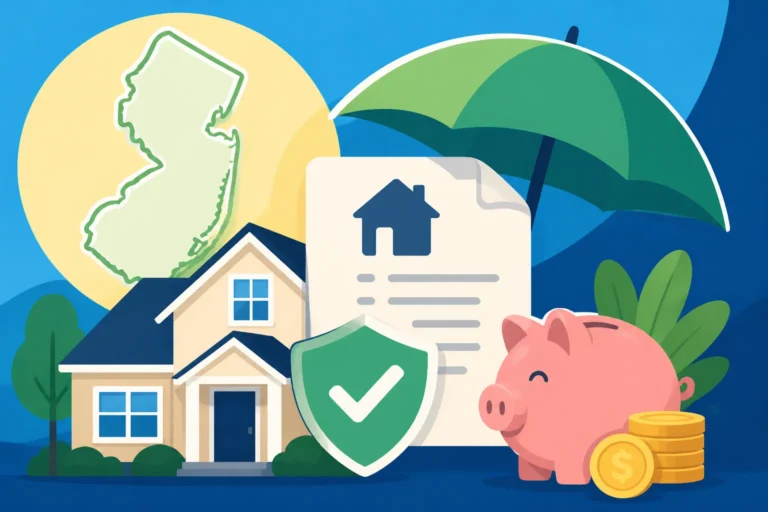
For many seniors in New Jersey, the burden of rising property taxes can feel overwhelming, threatening the ability to comfortably stay in the homes they've built their lives in. The Garden State is notorious for its high property tax rates, which can make fixed-income living incredibly challenging. This comprehensive guide is here to unravel the complexities of New Jersey's senior property tax exemption and relief programs, helping you understand what's available and how to navigate the application process to claim the financial relief you deserve.
Understanding New Jersey's Property Tax Landscape for Seniors
New Jersey consistently ranks among the states with the highest property taxes in the nation, a reality that often hits senior citizens particularly hard. When you're living on a fixed income, those ever-increasing tax bills can feel like an impossible hurdle, leading to tough choices between essential expenses and keeping your home. It's a frustrating situation, but thankfully, New Jersey has several programs specifically designed to ease this burden for its older residents. These aren't just minor adjustments; for many, they can provide substantial relief, allowing them to remain in their homes and communities. It's crucial for every eligible senior to explore these options, as they can make a real difference in your financial well-being. To get a broader understanding of why these taxes are so high, you might want to look into topics like Why Are New Jersey Property Taxes So High?.
The Challenge of Fixed Incomes and Rising Costs
Imagine you've worked hard your entire life, paid off your mortgage, and are looking forward to enjoying your golden years in the home you love. Then, year after year, your property tax bill inches up, sometimes significantly. This isn't a hypothetical scenario for many New Jersey seniors; it's a harsh reality. Pension incomes and social security benefits, while stable, rarely keep pace with the accelerating cost of living, especially when it comes to property taxes. This financial squeeze can force difficult decisions, like cutting back on healthcare, groceries, or even considering selling a cherished home. The state's relief programs are a direct response to this challenge, aiming to provide a safety net for those who need it most.
Overview of Key Senior Property Tax Relief Programs
New Jersey offers a suite of property tax relief programs, some specifically for seniors, that homeowners should be aware of. While the specific eligibility criteria vary for each, they generally aim to reduce the overall tax burden or provide a direct reimbursement. The main players you'll hear about are the Property Tax Reimbursement Program (often called the Senior Freeze), the ANCHOR program, and the newer Stay NJ initiative. Each program has its own unique structure and benefits, making it essential to understand the nuances. Knowing about Property Tax Relief Programs in New Jersey can give you a broader context for these specific senior benefits.
Deep Dive: The Senior Freeze Property Tax Reimbursement Program
The New Jersey Senior Freeze, officially known as the Property Tax Reimbursement Program, is a critical lifeline for many long-time senior homeowners in the state. It's designed to literally "freeze" the amount of property taxes you pay on your primary residence, preventing future increases from impacting your budget. This isn't a reduction in your current taxes, but rather a reimbursement for any increase in property taxes from a set base year. Think of it as a protective shield against the relentless climb of property values and tax rates.
How the Senior Freeze Works
The core idea behind the Senior Freeze is fairly straightforward: once you qualify, the state will reimburse you for the difference between the amount of property taxes you paid in your base year and the amount you paid for the current year, provided your property taxes increased. For example, if your base year property tax was $7,000 and your current year's tax is $7,500, the state could send you a check for $500. This means you effectively pay the same amount of property tax each year as you did in your base year, insulating you from subsequent increases. It's important to remember that this is a reimbursement program, meaning you pay your full property tax bill first, and then apply to get money back. This is a common form of Senior & Over-65 Property Tax Exemptions and Freezes found in many states.
Eligibility Requirements for the Senior Freeze
Qualifying for the Senior Freeze involves meeting several specific criteria. These aren't just "nice-to-haves"; you must meet every single one.
-
Age and Residency:
- You must be 65 or older, or disabled, as of December 31st of the year prior to the current application year.
- You must have lived in New Jersey continuously for at least 10 years as a homeowner or renter.
- You must have lived in your current home (the one you're claiming the freeze on) for at least the past 5 years. This residency requirement is crucial, as the program targets long-term residents.
-
Income Limits:
- The income limits are set annually by the state and are strictly enforced. For example, for the 2022 tax year (which you'd apply for in 2023), the income limit was $99,735 for single filers and married couples filing jointly. It's vital to check the most current income thresholds for the year you are applying, as these numbers are adjusted periodically. All income, including Social Security benefits, pensions, and interest, is typically counted.
-
Property Tax Status:
- You must have paid your full property taxes on your home for the base year and the current year. Any delinquent taxes could disqualify you. This reinforces the "reimbursement" aspect of the program.
It's a lot to keep track of, but if you meet these conditions, the Senior Freeze can provide significant financial relief. You can learn more about general application processes for such programs in our guide on How to Apply for Property Tax Exemptions.
Another Key Program: The ANCHOR Property Tax Relief Program
The ANCHOR (Affordable New Jersey Communities for Homeowners and Renters) program is another vital component of New Jersey's efforts to provide property tax relief. This program replaced the Homestead Benefit program and significantly expanded eligibility, providing direct property tax relief to many homeowners and renters who might not qualify for other programs. Unlike the Senior Freeze, ANCHOR isn't just for seniors, but older residents are certainly major beneficiaries.
Who Benefits from ANCHOR?
The ANCHOR program is designed to provide property tax relief in the form of a direct payment or credit on your property tax bill. It covers a broader range of New Jersey residents than the Senior Freeze.
-
Homeowners:
- If you owned and occupied a home in New Jersey that was your principal residence on October 1 of the application year, you are likely eligible. There are no age requirements, but income limits apply. For instance, for the 2020 tax year (which you applied for in 2022-2023), homeowners with income up to $150,000 received a benefit, and those with income between $150,000 and $250,000 received a lesser benefit.
- The benefit amount varies based on your income bracket and age (seniors often receive a higher benefit). For example, homeowners aged 65 or older with income up to $150,000 received more than younger homeowners in the same income bracket.
-
Renters:
- This is a significant difference from the Senior Freeze. If you rented and occupied a residential unit in New Jersey as your principal residence on October 1 of the application year, and your income was $150,000 or less, you could also be eligible for a benefit. This acknowledges that property taxes are often passed on to renters in the form of higher rents.
The ANCHOR program is generally applied for annually, and the deadlines are crucial. Missing the deadline means missing out on potential relief. Keep an eye on announcements from the New Jersey Division of Taxation for specific dates and income thresholds each year.
Distinguishing ANCHOR from Senior Freeze
It's easy to get these programs confused, but they serve different purposes and have distinct eligibility criteria.
- Target Audience: ANCHOR is for a broad range of homeowners and renters (income-based), while Senior Freeze is specifically for long-term homeowners aged 65+ or disabled, focusing on freezing their property tax base.
- Mechanism: ANCHOR provides a direct benefit payment or credit, whereas the Senior Freeze is a reimbursement for increases in property tax from a base year.
- Income Tiers: ANCHOR has different benefit tiers based on income and age, whereas Senior Freeze has a single, strict income limit.
- Residency: Senior Freeze has a very specific 10-year New Jersey residency and 5-year home occupancy requirement, which is generally more stringent than ANCHOR's.
Many seniors may qualify for both programs, receiving a direct ANCHOR benefit and a Senior Freeze reimbursement. It's crucial to apply for both if you meet the criteria, as they are not mutually exclusive.
Emerging Program: Stay NJ
New Jersey is always looking for new ways to address the property tax burden, and "Stay NJ" is the latest, and potentially most impactful, initiative specifically aimed at seniors. Signed into law in 2023, Stay NJ is poised to offer significant property tax relief for many older residents, with benefits expected to begin in 2026. This program represents a major commitment by the state to make New Jersey more affordable for seniors. It's a game-changer that has many homeowners eager for its implementation.
The Promise of Stay NJ
The Stay NJ program is designed to cut property tax bills for eligible seniors by 50% on up to $10,000 of their property tax bill. This means a potential saving of up to $5,000 annually. This is a substantial benefit that could dramatically reduce the financial strain for many elderly homeowners. The key difference here is that it's a direct reduction or credit on the bill itself, rather than a reimbursement after payment.
Eligibility and Implementation Timeline
While the full details and application process are still being finalized, here's what we know about Stay NJ:
- Age Requirement: Eligible homeowners must be 65 years or older. This program is exclusively for seniors.
- Income Limit: The program will have an income cap, likely aligning with or being slightly above the current ANCHOR program limits. The specific figures are still subject to legislative and administrative refinement.
- Primary Residence: The benefit applies to your primary residence only.
- Implementation: The program is scheduled to begin providing benefits in January 2026. This means that while you can't apply for it yet, it's something to definitely keep on your radar for future relief. The state is working on the infrastructure to support this significant rollout.
Stay NJ is being set up to work in conjunction with other programs, meaning eligible seniors could potentially receive benefits from ANCHOR, the Senior Freeze, and Stay NJ, maximizing their savings. This is a significant legislative effort to address New Jersey Property Tax Rate concerns for the senior demographic.
Anticipated Impact on Senior Homeowners
The introduction of Stay NJ is expected to have a profound positive impact on senior homeowners across the state. For example, a senior couple in Bergen County paying $15,000 in property taxes could see their bill effectively reduced by $5,000, bringing it down to $10,000, before any ANCHOR or Senior Freeze benefits are applied. This level of savings could be the difference between being able to afford to stay in their home or being forced to sell. It provides much-needed predictability and relief, allowing seniors to better budget and enjoy their retirement years without constant worry about escalating property tax bills.
How to Apply for Senior Property Tax Relief in New Jersey
Navigating the application process for property tax relief programs can feel daunting, especially with multiple programs and varying deadlines. However, the benefits are well worth the effort. Being prepared with the right information and understanding the key steps will streamline the process. You can find general information about Homestead Exemption: Complete State-by-State Guide, but New Jersey has its specific requirements.
Gathering Necessary Documents and Information
Before you even start filling out forms, compile all the documentation you'll need. This typically includes:
- Proof of Age/Disability: Driver's license, birth certificate, or disability award letter.
- Proof of Residency: Utility bills, voter registration, or other documents showing continuous residency in New Jersey and in your current home.
- Property Tax Records: Your official property tax bills for the current year and, for the Senior Freeze, your base year. This is where you'll find your How to Read Your Property Tax Bill for all the pertinent details.
- Income Documentation: W-2s, 1099s for pensions, Social Security statements, bank statements showing interest income, and any other relevant income statements for all members of your household. For the Senior Freeze, your gross income for both the base year and the current year is critical.
- Social Security Number: For all applicants.
Having these documents organized and readily available will save you a lot of time and stress during the application process.
Understanding Application Forms and Deadlines
Each program has its own specific application form and annual deadline.
- Senior Freeze (Property Tax Reimbursement): This program typically has an application period that opens early in the year (e.g., January/February) and often runs through October 31st. The forms are usually mailed to prior year's recipients, but you can also download them from the New Jersey Division of Taxation website. Be mindful of the Property Tax Appeal Deadlines by State for other programs, as missing these dates can lead to a forfeited benefit.
- ANCHOR Program: The application period for ANCHOR is typically announced in late summer or early fall, with deadlines often extending into December or January of the following year. Applications are typically submitted online through the state's taxpayer portal, though paper applications are available upon request.
- Stay NJ: As mentioned, this program's benefits begin in 2026, so application details will be released closer to that time. Stay informed through official state channels.
It's a good practice to sign up for email alerts from the New Jersey Division of Taxation or regularly check their website for the most up-to-date information on forms, eligibility changes, and deadlines. Tax professionals or community senior centers can often provide assistance with filling out these forms correctly.
Seeking Help and Resources
Don't feel like you have to navigate this alone! There are several resources available:
- New Jersey Division of Taxation: Their website is the official source for forms, instructions, and FAQs. They also have a helpline for direct assistance.
- County and Municipal Tax Offices: Your local tax assessor's office or county clerk's office might offer assistance or direct you to local resources.
- Senior Centers and Area Agencies on Aging: Many local senior centers or Area Agencies on Aging provide free tax counseling and assistance for seniors, including help with property tax relief applications.
- Tax Professionals: A qualified tax professional can help you understand your eligibility for various programs and assist with the application process, especially if your financial situation is complex.
Remember that proactively seeking information and applying correctly is key to unlocking these valuable savings. Many of these programs also offer options for Property Tax Payment Plans: How to Set One Up if you're struggling with current payments.
Comparative Overview of New Jersey Senior Property Tax Relief Programs
To help clarify the differences and potential stacking of these vital programs, here's a comparative overview. This table summarizes the main points of each, giving you a quick reference for understanding which programs might be right for you. Keep in mind that specific income limits and benefit amounts are subject to change year to year, so always confirm the latest details with the New Jersey Division of Taxation.
| Program | Primary Purpose | Eligibility (General) | Benefit Type | Age Requirement | Income Limits | Implementation/Status |
|---|---|---|---|---|---|---|
| Senior Freeze (PTR) | Reimburse property tax increases | Long-term NJ homeowner (5+ yrs in home) | Reimbursement check for increases | 65+ | Strict Annual Limit | Active, Annual Application |
| ANCHOR Program | Direct property tax relief | NJ homeowner/renter (principal residence) | Direct payment/credit | None (higher for seniors) | Tiered, up to $250K+ for homeowners | Active, Annual Application |
| Stay NJ | Reduce property tax bill by 50% | NJ homeowner (principal residence) | Direct credit/reduction on bill | 65+ | Income cap (TBD) | Effective January 2026 |
This table clearly illustrates that while distinct, these programs are designed to work together, offering multiple layers of financial relief to New Jersey's senior citizens. Eligibility for one does not preclude eligibility for another. For the most current information, including specific income thresholds for the upcoming year, always refer to the official New Jersey Division of Taxation website. For example, you can often find specific details on Property Tax Exemptions in New Jersey (2026) for the upcoming tax season.
Conclusion
Navigating the complexities of property taxes in New Jersey can be a significant challenge, especially for seniors on fixed incomes. However, understanding and utilizing the available relief programs – the Senior Freeze, ANCHOR, and the forthcoming Stay NJ – can provide much-needed financial breathing room. These programs represent a tangible commitment from the state to help its older residents remain comfortably in their homes, offsetting some of the highest property tax burdens in the country. Don't let the paperwork deter you; the savings can be substantial and truly impact your quality of life. Be proactive, gather your documents, mark your deadlines, and don't hesitate to reach out to the state's resources or local senior assistance programs for guidance. The relief you deserve is within reach.
Disclaimer
The information provided in this guide is for general informational purposes only and does not constitute financial, tax, or legal advice. Property tax laws and programs, especially those related to exemptions and relief, are subject to change and vary by state and local jurisdiction. Always consult with a qualified tax professional, financial advisor, or the official New Jersey Division of Taxation website for the most accurate, up-to-date information and personalized advice regarding your specific situation.