Tax Lien Investing in Illinois
Dealing with rising property tax burdens can be incredibly stressful for homeowners, and unfortunately, when taxes go unpaid, it opens up a unique avenue for investors: tax lien investing. While the thought of investing in someone else's delinquent taxes might sound complex or even a bit intimidating, Illinois offers a specific system of "tax sale certificates" that savvy investors can leverage. This comprehensive guide will walk you through the ins and outs of tax lien investing in Illinois, explaining the process, potential returns, and critical risks you need to understand to navigate this niche market successfully.
Understanding Property Tax Delinquency in Illinois
Before we dive into the investment side, it's crucial to grasp why and how properties become subject to tax sales in Illinois. Unlike some other states, Illinois has its own unique way of handling delinquent property taxes, which directly impacts how investors can participate.
The Illinois Property Tax System and Its Challenges
Illinois is notorious for having some of the highest property taxes in the United States. This isn't just a casual observation; it's a financial reality that impacts countless homeowners across the state, from the bustling suburbs of Cook County to the quieter communities in Sangamon County. These high tax rates mean that even a slight change in personal finances or property value can put a significant strain on a homeowner's ability to keep up. The funds collected from property taxes are vital, primarily supporting local services like public schools, parks, libraries, and emergency services. Because these services rely heavily on property tax revenue, the system is designed to ensure taxes are eventually paid, even if it means selling the debt—or the right to eventually acquire the property—to private investors.
How a Property Becomes Delinquent
The process of a property becoming delinquent is quite straightforward, though the implications are anything but simple. In Illinois, property taxes are paid in arrears, meaning you pay for the previous year's taxes in the current year. For example, taxes levied in 2023 would typically be due in two installments in 2024. If a homeowner misses these payments by the specified due dates (which often vary slightly by county but generally involve spring and fall deadlines), their property taxes become delinquent. Once a property owner falls behind, penalties and interest charges begin to accrue, making it even harder for them to catch up. The county treasurer's office, tasked with collecting these vital revenues, will eventually offer these delinquent tax obligations for sale to the public, leading to what's known as a "tax sale." This is where the opportunity for investors begins, but it's important to remember that the initial purchase is not the property itself, but rather a lien against it, specifically a tax sale certificate in Illinois.
The Nuts and Bolts of Illinois Tax Sale Certificates
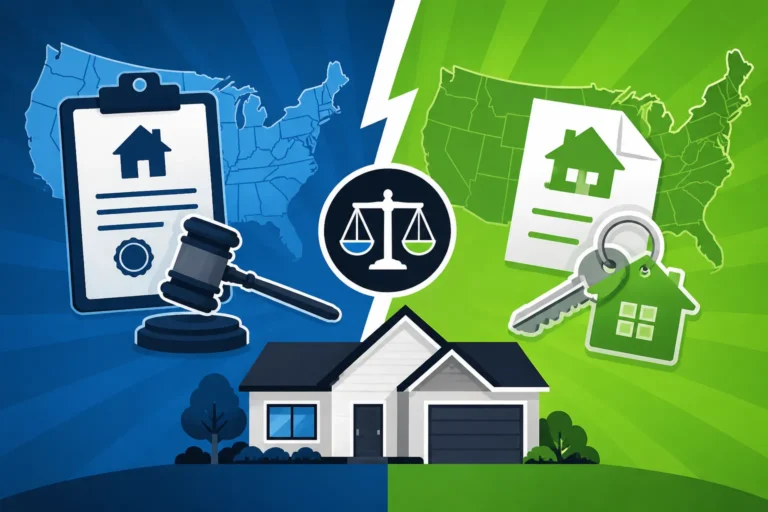
Illinois operates primarily as a "tax deed state" but utilizes a tax sale certificate system that functions much like a tax lien. This distinction is incredibly important for investors. You're not buying the property directly at the sale; you're buying the right to eventually acquire the deed if the original owner doesn't redeem the property. Understanding this mechanism is key to successful investing. For a broader understanding of how different states handle these situations, you might want to read our guide on Tax Lien States vs Tax Deed States.
What Exactly Is a Tax Sale Certificate in Illinois?
When you participate in an Illinois tax sale and successfully bid on a property, you purchase a "tax sale certificate." This certificate represents a lien against the property for the unpaid taxes, penalties, and associated costs. Think of it as purchasing the government's claim on the property due to delinquent taxes. You do not become the property owner at this stage. The original property owner still retains possession and has a crucial period, known as the "redemption period," during which they can pay back the delinquent taxes plus interest and fees to "redeem" their property from the tax sale certificate holder. If they redeem, you get your investment back, plus the statutory interest. If they don't, and you follow all the legal steps, you can then petition the court to receive the property's deed.
How Illinois Tax Sale Auctions Work
Illinois tax sales are typically held annually, though specific dates and methods can vary by county. Most counties conduct online auctions, making it easier for investors from anywhere to participate. In these auctions, bids are usually placed on the penalty interest rate rather than the purchase price of the taxes. The statutory maximum penalty interest in Illinois is a hefty 18% per six-month period, meaning it can effectively be 36% annually if the property is redeemed late in the cycle. Bidding starts at the maximum penalty rate, and investors bid down from there. The winning bid is the lowest interest rate offered that the homeowner would have to pay to redeem their property. For example, if you bid 5%, and someone else bids 4%, they win. However, if no one bids less than the maximum, you might win at 18%. This competitive bidding structure means you'll need to research thoroughly to understand what rates are typically successful in specific areas like Cook County Property Tax Search & Lookup or DuPage County Property Tax Rate.
The Generous Redemption Period
One of the most defining features of Illinois's tax sale certificate system is its relatively long redemption period. For most residential properties, particularly those that are owner-occupied, the redemption period can be as long as 2.5 years from the date of the tax sale. For other types of properties, like commercial buildings or vacant land, it's typically two years, though sometimes it can be as short as six months if certain conditions are met, especially in what's known as "scavenger sales" for properties with multiple years of delinquent taxes. This extended period offers homeowners a substantial window to get their finances in order and pay off their debt. For the investor, it means a longer wait for either the return of their investment with interest (if redeemed) or the potential to pursue a tax deed. It also means the investor needs to be prepared for the ongoing legal costs and administrative burden of maintaining the certificate until the redemption period expires.
Investing in Illinois Tax Sale Certificates: Risks and Rewards
Like any investment, especially in the real estate sector, tax lien investing in Illinois comes with its own unique set of risks and rewards. It's not a set-it-and-forget-it strategy, and understanding both sides of the coin is paramount.
Potential Returns and Interest Rates
The primary draw for investors in Illinois tax sale certificates is the high statutory interest rate. As mentioned, the penalty interest can be up to 18% for each six-month period, which translates to a potential annual rate of 36% if the property is redeemed just before the final deadline. This kind of return is rarely seen in traditional investment vehicles. If a property is redeemed, you receive your initial investment back plus that significant interest, which can make for a very profitable, albeit passive, return.
Consider a scenario in Springfield, Illinois. You purchase a tax sale certificate for $5,000 in delinquent taxes. If the homeowner redeems the property 18 months later, and you secured a 12% per six-month period interest rate at auction, you would receive your $5,000 back plus interest for three six-month periods (18 months). That's 36% interest on your $5,000, totaling $1,800 in profit. This high potential for passive income, often without the headaches of property management, is a significant upside.
The Path to a Tax Deed: Foreclosure Process
If the property owner doesn't redeem the property within the statutory period, the tax sale certificate holder has the right to petition the circuit court for a tax deed. This is where the investment shifts from a high-interest loan to potential property ownership. However, acquiring a tax deed is far from automatic. It involves a complex legal process that requires strict adherence to notification requirements, publication notices, and court filings. You must notify all interested parties – including the property owner, mortgage holders, and any other lienholders – that you intend to acquire the deed. These notices must be delivered precisely and within specific timeframes. Failure to follow these legal steps perfectly will result in your tax sale certificate expiring, and you'll lose your entire investment. This legal "foreclosure" process can be lengthy and expensive, often requiring the services of an experienced real estate attorney familiar with Illinois tax deed law.
Navigating the Risks: Due Diligence and Legalities
The biggest risk in tax lien investing in Illinois is losing your initial investment if you fail to obtain the tax deed properly after the redemption period. This emphasizes the need for meticulous due diligence and legal expertise. Before bidding, thoroughly research the property. What is its market value? Are there other liens or encumbrances that might complicate the tax deed process or make the property less desirable? Understanding the Assessed Value vs Market Value vs Taxable Value is crucial here. While the interest rates are appealing, remember that the goal is either a profitable redemption or a clear path to a valuable property.
Another risk is that the property owner does redeem, often late in the process. While this guarantees your principal plus interest, it means your capital is tied up for an extended period. During this time, you're responsible for tracking the redemption period, paying subsequent property taxes (which are added to the redemption amount), and initiating the legal steps for the deed if redemption doesn't occur. Companies like LendingTree might offer insights into financing options for those considering larger real estate portfolios, which could include funds for various tax lien investments, though it's less direct for the lien itself. For managing a portfolio of these investments, a tool like Stessa could be invaluable, helping you track purchase dates, redemption periods, and associated costs for each certificate.
Practical Steps for Illinois Tax Lien Investors
Ready to dive into the world of Illinois tax lien investing? Here's a practical guide to help you navigate the initial steps and ongoing responsibilities.
Researching Opportunities and Key Counties
Your first step should always be thorough research. Illinois has 102 counties, and each conducts its own tax sale. While the general rules are state-mandated, the specifics of how sales are run, the availability of properties, and typical bid rates can vary significantly. Some of the larger counties, such as Cook County (Chicago), DuPage County, Lake County, Will County, and Kane County, often have a higher volume of properties going to tax sale due to their population density and diverse property types. However, smaller counties might offer less competition for potentially higher interest rates.
When researching, look for information on:
- Past tax sale results: This can give you an idea of typical winning bid rates (penalty interest).
- Property characteristics: Understand the neighborhood, property type (residential, commercial, vacant land), and condition. Driving by properties or using online mapping tools is highly recommended.
- Tax sale rules and calendars: Each county treasurer's website will publish its specific tax sale dates, registration requirements, and rules of engagement. For instance, knowing how to approach a Cook County Property Tax Search & Lookup can save you significant time.
Participating in Tax Sales
Once you've done your research, the next step is participating in a tax sale. Most Illinois counties now conduct their tax sales online through third-party auction platforms. You'll typically need to:
- Register with the county treasurer's office or their designated auction vendor. This usually involves providing personal information and often a deposit to ensure you can cover your bids.
- Review the list of properties available for sale. These lists are usually published several weeks before the auction and provide details on the property identification number, the amount of delinquent taxes, and other associated fees.
- Perform due diligence on selected properties. This involves looking up the property's address, examining its parcel details, and researching any other outstanding liens. You'll want to avoid properties with environmental issues, strict zoning restrictions, or numerous other debts that could make a tax deed difficult or unprofitable to obtain.
- Understand the bidding process. As mentioned, you'll be bidding down the penalty interest rate. Have a maximum bid (minimum interest rate you're willing to accept) in mind for each property to avoid emotional overbidding.
Post-Purchase Requirements and Timelines
Purchasing a tax sale certificate is just the beginning. The period between the sale and the redemption deadline (or eventual tax deed application) requires diligent management.
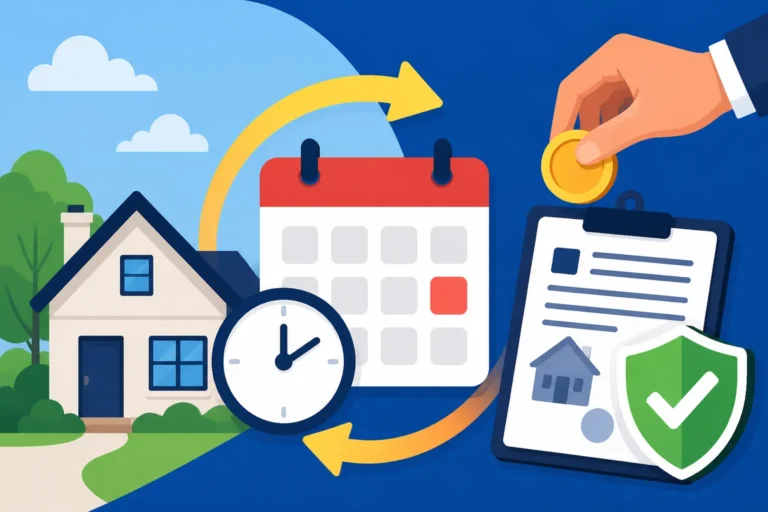
- Tracking the Redemption Period: You must keep meticulous records of the redemption start and end dates for each certificate. Missing a deadline for filing for the tax deed can mean losing your entire investment.
- Paying Subsequent Taxes: As the tax sale certificate holder, you have the option, and often the necessity, to pay subsequent property taxes that become due on the property. These amounts are then added to the total required for the owner to redeem. This ensures the property doesn't go back into delinquency under your watch and protects your interest.
- Notices and Legal Actions: If the property is not redeemed, you will need to engage legal counsel to initiate the process of obtaining a tax deed. This involves sending certified mail notices to all parties of interest (owner, mortgage holders, other lienholders) at least 3-5 months before the redemption period expires, and then petitioning the court. The legal fees for this process can be substantial, often thousands of dollars per property, so factor this into your overall investment strategy. For example, if you're dealing with a complex case of Redemption Periods & Tax Foreclosure, proper legal guidance is non-negotiable.
- Managing Your Portfolio: If you're investing in multiple tax sale certificates, organization is paramount. Tools like Stessa can help track dates, expenses, and potential returns for each certificate, keeping your portfolio clear and manageable. You'll want to know how much capital is tied up in each, when the next taxes are due, and upcoming redemption deadlines.
Investing in Illinois tax sale certificates can be a rewarding venture, offering potentially high returns. However, it demands careful research, adherence to strict legal processes, and ongoing management. It's a journey best undertaken with a clear understanding of both its lucrative opportunities and its intricate challenges.
Disclaimer
The information provided in this guide is for general informational purposes only and does not constitute financial, legal, or tax advice. Property tax laws and regulations are complex and subject to change. Always consult with qualified legal and financial professionals before making any investment decisions.