Veteran Property Tax Exemption in Virginia
Dealing with property taxes can be a real headache, and for our veterans who've already given so much, it can feel especially unfair when you’re struggling with high bills. If you’re a veteran living in Virginia, or the surviving spouse of one, you might be eligible for significant relief on your real estate taxes. This comprehensive guide is here to walk you through everything you need to know about the veteran property tax exemption in Virginia, from who qualifies and how to apply, to what to expect after your application.
Understanding Virginia's Veteran Property Tax Exemption
Virginia offers a substantial property tax exemption designed to recognize and support its most severely disabled veterans. This isn't just a small discount; for those who qualify, it can mean a complete exemption from real estate taxes on their primary residence. It’s a crucial benefit that can make a huge difference in a veteran's financial stability and ability to maintain their home.
Who Qualifies for This Important Benefit?
The core of this exemption lies in demonstrating a specific level of disability directly connected to military service. To qualify for the full exemption on real property, a veteran must meet a few key criteria. First and foremost, they must be rated by the U.S. Department of Veterans Affairs (VA) as having a 100% service-connected, permanent, and total disability. This isn't just a temporary disability rating; it has to be deemed "permanent and total." Many veterans receive different disability ratings for various conditions, but for this specific property tax exemption, that 100% permanent and total service-connected rating is absolutely essential.
Beyond the disability rating, the property itself must be the veteran's principal place of residence. This means it's where they live and call home. You can't claim the exemption on an investment property, a vacation home, or a second residence. The exemption applies to the dwelling and up to one acre of land surrounding it. If your lot is larger than one acre, the exemption typically covers the value of the home and the first acre, with the remaining land still subject to taxation. It's a nuanced point, and worth clarifying with your local tax assessor's office if you have a larger parcel. For a broader look at how different states handle similar benefits, you might want to check out our guide on Disabled Veteran Property Tax Exemption by State.
What the Exemption Actually Covers
When you receive this exemption, it effectively removes the burden of real estate taxes on your primary residence. Imagine the relief of not having that property tax bill hanging over your head each year. This exemption is particularly impactful in areas where property values are high, like parts of Northern Virginia or the coastal regions, where annual property taxes can easily run into thousands of dollars. The exemption means that the local government (county or city) will not collect real estate taxes on your home, or on the portion of your land that qualifies.
It's important to understand that this exemption is for real estate taxes only. It doesn't typically cover other local fees or special assessments that might appear on your annual statement, such as trash collection fees, stormwater management fees, or levies for specific community improvements. While these are usually minor compared to the main property tax, it’s good to be aware that your total bill might not drop to zero, but rather just eliminate the property tax component. Knowing How to Read Your Property Tax Bill can help you differentiate between these various charges.
Defining 100% Service-Connected, Permanent, and Total Disability
This specific definition is the cornerstone of eligibility and it’s where many questions arise. A "service-connected" disability means the VA has determined that your condition was incurred or aggravated during your active military service. "100% disability" means the VA has rated the severity of your service-connected conditions as completely debilitating. The "permanent and total" aspect is crucial; it means the VA does not expect your condition to improve to the extent that it would no longer be considered 100% disabling.
You'll need official documentation from the VA proving this rating. Typically, this comes in the form of a letter from the VA explicitly stating your 100% service-connected, permanent, and total disability status. This letter is non-negotiable for your application. Without it, or if your rating is less than 100% or not classified as permanent and total, you will not qualify for this particular exemption. This strict criterion ensures that the benefit is directed to those veterans with the most significant service-related impairments.
Navigating the Application Process in Virginia
Applying for any tax exemption can feel like navigating a maze of paperwork and deadlines. The key to a smooth process for the Virginia veteran property tax exemption is meticulous preparation and understanding who you need to contact. Don't get discouraged; the benefit is absolutely worth the effort.
Gathering the Necessary Documentation
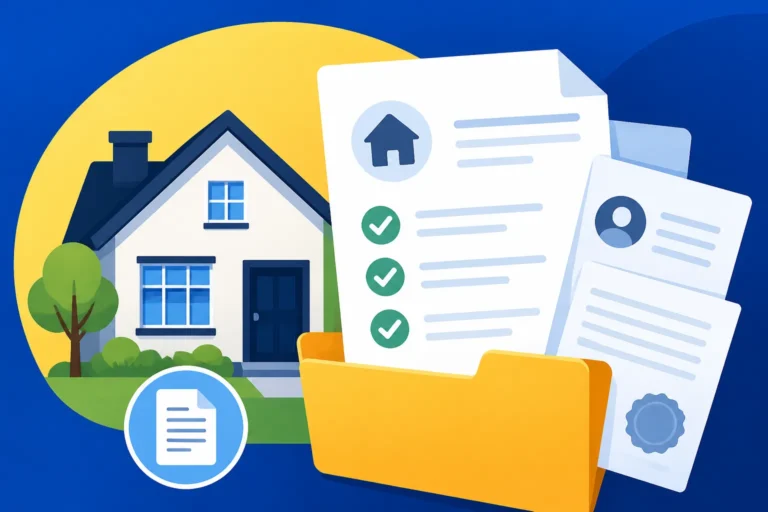
Before you even think about filling out a form, compile all the required documents. This is the stage where most people hit snags, so being organized from the start is paramount. The primary document you'll need is your official letter from the U.S. Department of Veterans Affairs (VA) verifying your 100% service-connected, permanent, and total disability rating. This letter needs to be recent enough to reflect your current status. If you don't have one readily available, or if it's outdated, contact the VA directly to request an updated copy.
Beyond the VA letter, you'll generally need proof of occupancy, such as a utility bill or driver's license showing the property as your primary residence. You'll also need documentation related to your property itself, typically a copy of your deed or a recent property tax bill that clearly identifies the property. For surviving spouses, additional documents like a marriage certificate, the veteran's death certificate, and proof that they have not remarried (or remarried after a certain age, depending on specific state law nuances) will be required. Every locality might have slightly different requirements, so it's always best to check with your local Commissioner of Revenue or Assessor's office first. For more general advice on what to bring, our guide on How to Apply for Property Tax Exemptions offers helpful insights.
Where and When to File Your Application
The application process for this exemption happens at the local level, not the state level. You'll need to contact the Commissioner of the Revenue's office (or the Real Estate Assessor's office in some jurisdictions) in the city or county where your property is located. Each locality will have its own specific application form and submission procedures. You can usually find these forms on the local government's website, or you can pick them up in person.
Regarding deadlines, Virginia typically doesn't have a single, statewide application deadline that applies to all property tax exemptions. However, it's always wise to apply as soon as you meet the eligibility criteria. Some localities might process exemptions retroactively if you apply mid-year, but others might only apply it to the next tax cycle. Don't wait until you receive your next property tax bill to start the process; get ahead of it! For information on general property tax due dates, you might find our article on Property Tax Due Dates by State useful, though remember, this exemption is locally administered.
The Role of Surviving Spouses and Their Eligibility
Virginia's veteran property tax exemption extends crucial support to qualifying surviving spouses, recognizing the sacrifice made by military families. A surviving spouse can continue to receive the exemption if they haven't remarried, or if their remarriage occurred after the age of 55 (subject to change by specific legislative updates, so always verify current law). The home must continue to be their primary residence, just as it was for the veteran.
This provision is incredibly important for maintaining financial stability for widows and widowers who may be on fixed incomes or struggling with the loss of their partner. The requirements for the surviving spouse are similar to the veteran: they need to provide documentation of their marital status, the veteran's death, and the veteran's 100% service-connected, permanent, and total disability rating. It's a testament to Virginia's commitment to supporting the entire family unit impacted by military service.
What Happens After You Apply
Once you've submitted your application and all the necessary paperwork, the waiting game begins. It's natural to feel anxious, but understanding the next steps can alleviate some of that stress. The local assessment office will review your application diligently.
Receiving Approval or Understanding a Denial
If your application is approved, congratulations! You'll typically receive an official notification from your local Commissioner of the Revenue or Assessor's office confirming your exemption. This notification might also explain how the exemption will be reflected on your upcoming property tax bills. For instance, if you apply and are approved midway through the tax year, your next bill might show a prorated credit, or future bills will simply reflect the zeroed-out real estate tax amount. It's a huge relief to finally see that exemption applied.
However, sometimes applications are denied. A denial can be disheartening, but it's not always the end of the road. Common reasons for denial include missing documentation, an incorrect disability rating (e.g., not 100% permanent and total), or the property not being the veteran's primary residence. If you receive a denial, the letter should state the reason. Review it carefully, gather any missing information, and don't hesitate to reach out to the assessment office to clarify why it was denied. Many offices are willing to help you understand what went wrong and how to rectify it. If you believe the denial is in error, you usually have the right to appeal. For more on this process, consider reading about Property Tax Appeal Deadlines by State.
Annual Requirements and Maintaining Eligibility
While the 100% service-connected, permanent, and total disability rating is generally considered "permanent," some localities may still require you to submit an annual affirmation or simple form to confirm that you still reside at the property and your circumstances haven't changed. This is a common practice to ensure that exemptions are only being applied to currently eligible properties and individuals.
Always pay close attention to any mail you receive from your local tax office. They will usually send out reminders for these annual check-ins. Missing these minor steps could inadvertently cause your exemption to lapse, leading to an unexpected property tax bill. It's a small administrative task, but crucial for ensuring your benefit continues without interruption. Maintaining good records of your approval and any subsequent correspondence is always a smart move.
Challenging Assessments or Exemption Decisions
If you've been denied the veteran property tax exemption and believe it was a mistake, or if there's a misunderstanding about your property's assessment in relation to the exemption, you have recourse. The first step, as mentioned, is to contact the local assessment office for clarification. Often, a simple conversation can clear up discrepancies.
If the issue isn't resolved informally, you typically have the right to file a formal appeal. This process usually involves submitting a written appeal to your local Board of Equalization or a similar body. You'll need to present your case, including all supporting documentation. This is similar to how general property tax assessments are challenged, where homeowners provide evidence to support a lower valuation. While the veteran exemption isn't about valuation directly, an appeal would follow a similar administrative pathway. Understanding Property Tax Assessment & Reassessment Explained can give you a better grasp of the assessment side, even if your issue is specifically about the exemption.
Real-World Impact and Maximizing Your Savings
The veteran property tax exemption isn't just a line item on a budget; it's a lifeline for many, making homeownership genuinely affordable for those who sacrificed so much. The financial relief can be profound, and understanding its full scope helps you appreciate its value.
How This Exemption Changes Your Annual Tax Bill
Let's put this into perspective with an example. In a place like Fairfax County, where the average effective property tax rate is around $1.06 per $100 of assessed value, a home assessed at $500,000 would typically incur a tax bill of about $5,300 annually. For a veteran with a 100% permanent and total service-connected disability, this entire $5,300 could be eliminated. That's thousands of dollars back in your pocket each year, which can go towards medical expenses, home maintenance, or simply a better quality of life. This is precisely why such exemptions are so vital, especially for seniors or those on a fixed income.
The exemption reduces your property tax liability directly, meaning you'll pay significantly less, or nothing at all, on the real estate tax portion of your bill. This directly impacts your monthly housing costs if your taxes are paid through an escrow account, as your escrow payments will decrease. If you pay your taxes directly, you'll simply have a much smaller bill – or no bill at all, depending on whether other non-exempt charges are present.
Stories from Virginia Veterans
I've heard countless stories from veterans and their families across Virginia about the difference this exemption makes. Take Mary, a surviving spouse in Virginia Beach whose husband was a Navy veteran with a 100% disability rating. After his passing, she was worried about keeping their home on her fixed income. The exemption, which transferred to her, meant she could stay in the home they built together, without the crushing weight of a $3,500 annual property tax bill. It wasn't just money saved; it was peace of mind and the ability to maintain her independence.
Or consider John, a Marine Corps veteran in Roanoke who uses a wheelchair due to service-connected injuries. His property taxes were a constant worry, especially with rising living costs. Once approved for the exemption, he was able to reallocate those funds to cover the increasing costs of his specialized medical equipment and home modifications, making his daily life much more manageable. These aren't just isolated incidents; these are common experiences illustrating the tangible, life-changing benefits of this program.
Additional Resources for Veterans and Their Families
Navigating benefits can be complex, and you don't have to do it alone. The Virginia Department of Veterans Services (DVS) is an invaluable resource. They offer assistance and guidance on a wide range of state and federal benefits available to veterans and their families. Their website is a great starting point for general information, and they have local offices where you can speak with a benefits counselor.
The U.S. Department of Veterans Affairs (VA) is, of course, the primary source for confirming your disability rating and securing the necessary documentation. If you need help obtaining your VA letter or understanding your disability status, contact your local VA office or call their main helpline. Additionally, veteran service organizations like the American Legion, Veterans of Foreign Wars (VFW), and Disabled American Veterans (DAV) have accredited service officers who can help you understand your benefits and assist with the application process, not just for property tax exemptions but for all veteran benefits. They can often cut through the red tape and offer personalized support that can be truly invaluable. This exemption is just one of many important benefits, and exploring resources like Veteran & Disabled Veteran Property Tax Exemptions can provide a broader view of what's available.
Property Tax Exemption in Virginia for 100% Disabled Veterans
| Criteria | Veteran Eligibility | Surviving Spouse Eligibility | Required Documentation |
|---|---|---|---|
| Disability Rating | 100% service-connected, permanent, and total disability from VA | N/A (based on veteran's disability at time of death) | VA Letter confirming 100% service-connected, permanent, and total disability |
| Property Type | Primary residence (dwelling + up to one acre) | Primary residence (dwelling + up to one acre) | Deed or recent property tax bill |
| Residency | Must occupy the property as principal place of dwelling | Must occupy the property as principal place of dwelling | Driver's license, utility bill, or other proof of residency |
| Marital Status | N/A | Has not remarried OR remarried after age 55 (specifics may vary, verify locally) | Marriage certificate, veteran's death certificate, affirmation of non-remarriage (if applicable) |
| Application Location | Local Commissioner of Revenue or Assessor's Office | Local Commissioner of Revenue or Assessor's Office | Completed local application form |
| Exemption Type | Full exemption from real estate taxes on the qualified portion of the property | Full exemption from real estate taxes on the qualified portion of the property | N/A |
Understanding the Details of the Exemption
While the table above provides a concise overview, it's worth delving a bit deeper into some specific scenarios that often cause confusion. For instance, what if your disability rating changes? The exemption hinges on that "100% permanent and total" designation. If, for some reason, your VA rating is ever adjusted to be less than 100% or loses its "permanent and total" status, you would likely cease to qualify for the exemption. It's rare for a permanent and total rating to change, but it's a possibility to be aware of.
Another common question relates to jointly owned property. If a qualifying veteran owns the property jointly with someone who is not their spouse (e.g., a sibling or adult child), the exemption typically still applies to the full value of the property, provided it is the veteran's primary residence. The intent of the law is to provide relief on the veteran's home, not necessarily based on ownership percentages. However, local regulations can sometimes introduce nuances, so a direct inquiry to your local tax office is always prudent in such cases. For a broader understanding of how exemptions like this fit into the overall picture of property tax relief, you might find our guide on Property Tax Exemptions for Disabled Homeowners helpful.
Avoiding Common Pitfalls and Ensuring Compliance
The biggest pitfall is simply not applying. Many veterans are unaware of this significant benefit, or they assume the process is too complicated. Don't let that deter you! Reach out to your local tax office; they are there to help. Another common mistake is failing to notify the local authorities of any change in circumstances, such as moving to a new primary residence, a change in marital status for a surviving spouse, or a (rare) change in VA disability status. These changes can affect your eligibility, and failure to report them could lead to back taxes and penalties.
Furthermore, remember that localities sometimes have specific forms or additional documentation requirements beyond the standard VA letter. For example, some may require an affidavit signed by the veteran or surviving spouse confirming their residency. It's always best practice to visit your county or city's official website for their Commissioner of the Revenue or Assessor to download the most current application and review their specific instructions. This proactive approach ensures you meet all local requirements and avoid any delays in receiving your well-deserved exemption.
Disclaimer
Please remember that property tax laws and regulations can change, and interpretations may vary by local jurisdiction. This guide provides general information based on current understanding. We strongly recommend consulting directly with your local Commissioner of the Revenue's office, Real Estate Assessor's office, or a qualified tax professional or veteran's benefits counselor in Virginia for personalized advice regarding your specific situation and to confirm the most up-to-date requirements and application procedures.