What Is a Property Tax Lien on My House?
Finding out there's a property tax lien on your house can feel like a punch to the gut. It's not just a scary-sounding legal term; it represents a real, tangible threat to your homeownership, often coming with a confusing mix of anxiety and uncertainty about what comes next. This comprehensive guide is here to demystify property tax liens, explaining exactly what they are, how they come about, the serious consequences you face, and, most importantly, the clear steps you can take to resolve one and safeguard your home.
Understanding the Basics of a Property Tax Lien
When you own a home, paying property taxes is a fundamental responsibility. These taxes fund essential local services like schools, police, fire departments, and road maintenance, directly impacting the quality of life in your community. However, if those payments fall through the cracks, the local government has a powerful tool to ensure it gets what it's owed: a property tax lien. It’s a mechanism designed to compel payment, and understanding its nature is the first step toward addressing it.
What Exactly is a Property Tax Lien?
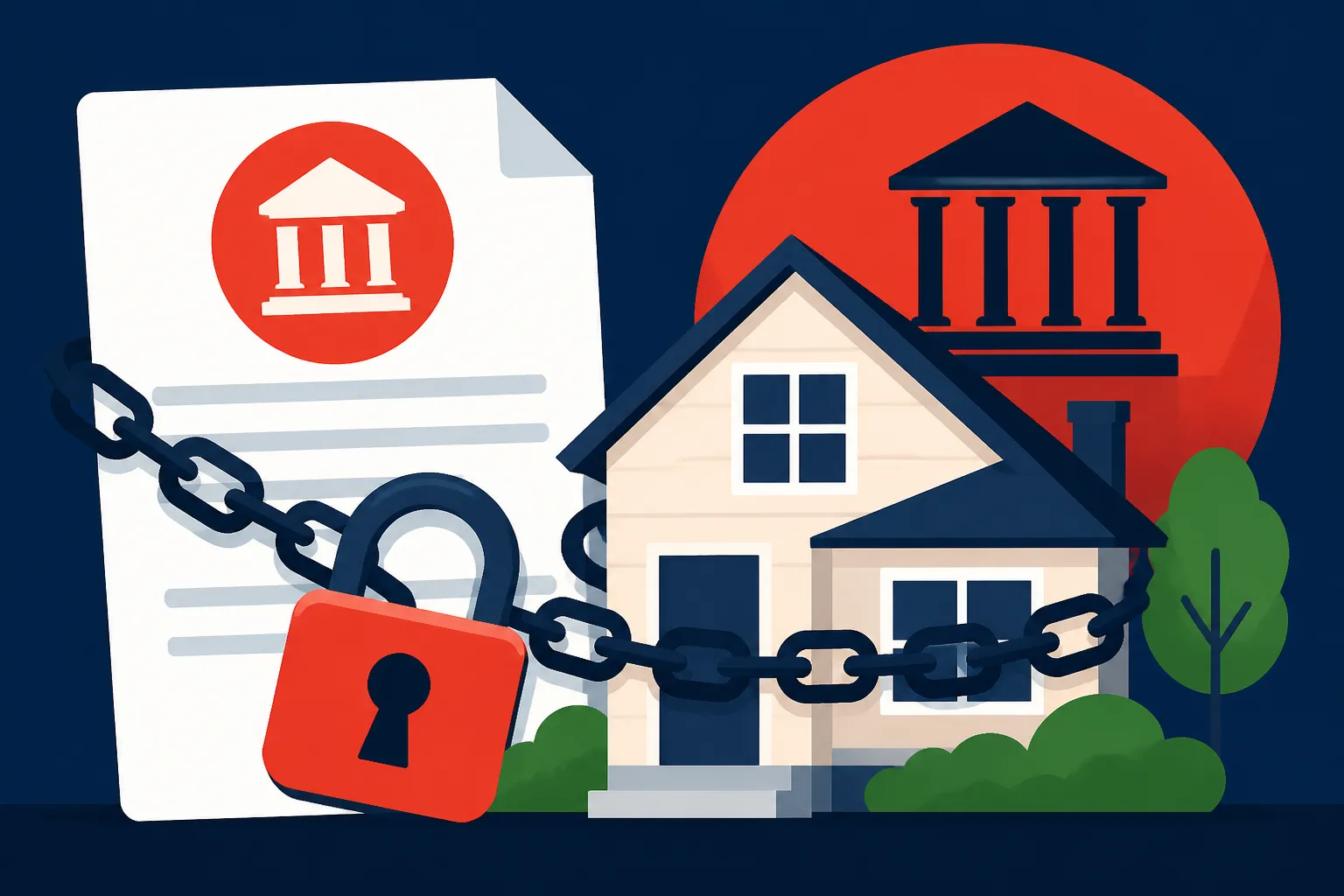
At its core, a property tax lien is a legal claim the government places on your property when you fail to pay your property taxes. Think of it as a silent alarm bell that signals a debt is owed, specifically tied to your real estate. It's essentially a right to collect on your property. This isn't the same as foreclosure, but it's a very serious precursor. When a lien is placed, it means the taxing authority, whether it's the county, city, or even a specific school district, has a secured interest in your home. This security means that if the debt isn't paid, they can eventually take steps to sell your property to recover the unpaid taxes. It ensures that, no matter who owns the property, those outstanding taxes eventually get paid.
How a Property Tax Lien is Created
The creation of a property tax lien isn't a sudden, surprise event, although it can certainly feel that way if you’re not tracking your finances closely. It follows a predictable, if unpleasant, series of steps. First, you'll miss one or more property tax payments. Each jurisdiction has its own deadlines for when payments are due. For instance, in many parts of California, property taxes are due in two installments, typically November 1st and February 1st, becoming delinquent if not paid by specific dates shortly thereafter. Once a payment is delinquent, the local tax authority will usually send out notices, often with increasing penalties and interest. If these notices are ignored and the taxes remain unpaid for a certain period, the government then formally attaches a lien to your property. This action is usually recorded in the public land records office, typically at the county clerk's office, making it a matter of public record. This recording serves as official notice to anyone who might have an interest in your property, such as potential buyers or lenders, that there's an outstanding debt secured by the home. Once the lien is recorded, it establishes the government's priority claim over other creditors on your property.
The Consequences and Risks of a Property Tax Lien
A property tax lien isn't just a mark on a piece of paper; it comes with a cascade of severe financial and personal repercussions. Ignoring it won't make it disappear; in fact, it only allows the problem to fester and grow, making it much harder and more expensive to resolve down the line.
Financial Ramifications
The immediate financial impact of a property tax lien can be substantial. For starters, the unpaid taxes themselves begin to accumulate penalties and interest the moment they become delinquent. These rates can be surprisingly high, sometimes reaching double-digit percentages, meaning your original tax bill can balloon rapidly. This is a crucial point many homeowners overlook, mistakenly believing the amount due will remain stagnant. The longer a lien remains, the more expensive it becomes to clear.
Beyond the direct costs, a property tax lien can severely damage your credit score. Since liens are public records, credit bureaus pick up on them, signaling to lenders that you've failed to meet a significant financial obligation. A poor credit score can then hinder your ability to secure new loans, refinance your mortgage, or even obtain other forms of credit at favorable rates. Furthermore, if you were considering selling your home, a property tax lien will effectively block the sale. No buyer or lender will proceed with a transaction until the lien is satisfied, as it represents a superior claim on the property. Even trying to refinance your existing mortgage becomes nearly impossible, as lenders won't want their new loan to be subordinate to the government's tax lien. For comprehensive guidance on payment responsibilities, it's helpful to review resources like What Happens If You Don't Pay Property Taxes?.
The Specter of Foreclosure and Tax Sales
While a lien isn't immediate foreclosure, it's a direct path to it if left unaddressed. Different states and localities have varying processes, but the general progression involves the government eventually selling the lien itself to investors or directly selling your property through a tax deed sale to recover the unpaid taxes.
In many states, particularly "tax lien states," the government sells the tax lien certificate to a private investor. For example, in New Jersey or Florida, if you don't pay your property taxes, the municipality can sell a tax lien certificate. These investors pay the delinquent taxes and penalties on your behalf, and in return, they earn a high interest rate on their investment. You, the homeowner, then owe the investor, not the government. If you fail to pay the investor back within a specified redemption period—which can range from a few months to several years, depending on the state—the investor can initiate foreclosure proceedings to take ownership of your home. This process is complex, and understanding Tax Lien Sales & Certificates can provide more detail on how these work.
In "tax deed states," like Texas or California, the local government doesn't sell the lien to an investor; instead, after a period of delinquency and various notices, it can directly proceed to sell your home at a public auction to the highest bidder to satisfy the outstanding tax debt. The homeowner typically has a redemption period even after the tax sale to buy back their property, but this period is often much shorter and requires paying the new owner the sale price plus significant penalties and interest. This means losing your home is a very real, devastating consequence of unaddressed property tax liens. The intricacies of Redemption Periods & Tax Foreclosure are vital to understand if you find yourself in this situation.
How to Resolve a Property Tax Lien
The good news is that a property tax lien doesn't have to be the end of your homeownership journey. There are clear, actionable steps you can take to resolve it, although the urgency of the situation cannot be overstated.
Paying Off the Delinquent Taxes
The most straightforward and often the best solution is to pay off the entire amount of delinquent taxes, including all accumulated penalties and interest. This immediately removes the legal claim from your property. Contact your local tax assessor's office or the county treasurer's office to get an exact, up-to-date payoff amount. They can usually provide this information quickly, detailing the original tax amount, penalties, and interest. Be sure to confirm the total sum required to fully satisfy the lien. Once paid, ensure you receive official documentation, such as a "release of lien" or "certificate of satisfaction," which confirms the lien has been removed. You may need to file this document with the county recorder's office to ensure it's removed from public records. This step is critical to prevent future headaches and ensure your property title is clear. To find out specific due dates and payment methods in your area, consider checking guides like Property Tax Due Dates by State.
Exploring Payment Plans and Deferral Programs
If paying the full amount immediately isn't feasible, don't despair! Many local tax authorities understand that life happens and offer options to help homeowners caught in a bind. Reach out to your county or city tax office as soon as possible to inquire about property tax payment plans. These plans allow you to pay off your delinquent taxes in installments over a set period, making the burden more manageable. Eligibility for these plans often depends on your specific financial situation and the rules of your local jurisdiction.
Additionally, some states and counties offer property tax deferral programs, especially for vulnerable populations such as seniors, disabled homeowners, or those with very low incomes. These programs allow you to postpone paying a portion or all of your property taxes until a later date, often until the home is sold or changes ownership. The deferred taxes usually accrue interest, but it's typically at a much lower rate than delinquent penalties. A deeper look into Property Tax Deferral Programs by State can provide details on what might be available in your area. For instance, in states like Texas, seniors over 65 can sometimes defer their taxes, albeit with interest still accruing. Proactive communication with the tax office is key to exploring these options.
Seeking Professional Help and Financial Guidance
Navigating a property tax lien can be complex, especially if you're dealing with a large sum or a looming tax sale deadline. This is precisely when you should consider seeking professional help. A qualified tax attorney or a financial advisor specializing in real estate can provide invaluable guidance, explain your rights, and help you understand the nuances of your local laws. They can also represent you in negotiations with the tax authority or, if necessary, in court.
If you're struggling to come up with the funds, exploring financial solutions might be necessary. Financial counseling services can help you budget, manage debt, and identify potential resources. In some cases, homeowners might consider a personal loan or even a home equity loan to pay off the lien, although this comes with its own set of risks and should be carefully evaluated. Online platforms like LendingTree can be a starting point to explore different loan options and see what might be available to you based on your credit and property equity. Remember, the goal is to resolve the lien without creating another, more burdensome financial problem.
Preventing Property Tax Liens in the Future
Once you've dealt with a property tax lien, the last thing you want is to find yourself in the same predicament again. Proactive measures and careful financial management are your best defenses against future liens.
Understanding Your Property Tax Bill
One of the most common reasons homeowners fall behind on property taxes is simply not understanding their bill. It can be a confusing document, filled with different levies and assessments. Take the time to meticulously review your annual property tax statement. Understand what each line item represents – county taxes, school district taxes, municipal taxes, special assessments – and, crucially, note the exact due dates. Don't just glance at the total; comprehend the components. If anything is unclear, don't hesitate to contact your local tax assessor's office for clarification. They are there to help you understand your bill, not just collect payments. Knowing How to Read Your Property Tax Bill is a fundamental skill for every homeowner. Setting up calendar reminders for payment due dates can also be incredibly helpful to ensure you never miss a payment again.
Leveraging Escrow Accounts and Budgeting
For many homeowners with a mortgage, property taxes are handled through an escrow account. This means a portion of your monthly mortgage payment goes into a special account managed by your lender, who then pays your property taxes on your behalf when they are due. This is a fantastic safeguard, as it essentially forces you to save for your taxes throughout the year, removing the burden of remembering large lump-sum payments. If you have a mortgage, confirm that your property taxes are indeed included in your escrow account. If you're unsure or your mortgage is paid off, understanding Escrow & Impound Accounts Explained can clarify this process.
However, if you own your home outright or your mortgage doesn't include an escrow for taxes, the responsibility falls squarely on your shoulders. In this scenario, disciplined budgeting is absolutely essential. Treat your property tax payments like any other non-negotiable monthly bill. Divide your annual property tax amount by 12 and set aside that amount each month into a dedicated savings account. This way, when the tax bill arrives, the funds are already there, preventing any last-minute panic or shortfall. Consider using financial management tools or apps to track your property expenses and set reminders. Platforms like Stessa, often used by rental property owners, can also be beneficial for primary homeowners to track all property-related income and expenses, helping you stay on top of your financial obligations, including property taxes. By keeping a close eye on your budget and setting aside funds, you can prevent delinquency and avoid the stress of a property tax lien.
| Action | Description | When to Act | Outcome |
|---|---|---|---|
| Understand Your Bill | Review all components, due dates, and contact tax office with questions. | Annually, upon receipt of new bill | Prevents missed payments due to confusion |
| Pay Delinquent Taxes | Obtain exact payoff amount (taxes, penalties, interest) and pay in full. | Immediately upon notification of delinquency/lien | Removes the lien, clears title |
| Explore Payment Plans | Contact tax authority for installment options if lump sum is not feasible. | As soon as possible after delinquency, before lien sale | Manages debt, prevents escalation, removes lien over time |
| Utilize Escrow/Budget | Ensure taxes are escrowed or save monthly into a dedicated account. | Ongoing, for all homeowners | Proactive prevention of future delinquencies |
| Seek Professional Help | Consult a tax attorney or financial advisor for complex situations. | When deadlines are near, or self-resolution is overwhelming | Expert guidance, potential negotiation, legal representation |
Disclaimer
The information provided in this guide is for general informational purposes only and does not constitute legal, financial, or tax advice. Property tax laws vary significantly by state and local jurisdiction. It is crucial to consult with a qualified legal or financial professional for advice tailored to your specific situation and to verify all information with your local tax authorities.