Tax Deed Sale States: Where to Invest
For many homeowners, the yearly property tax bill can feel like a heavy burden, a never-ending expense tied to their most valuable asset. But what happens when those taxes go unpaid? While it's a stressful situation for the property owner, it also opens up a distinct, albeit complex, avenue for real estate investment: tax deed sales. If you've ever heard whispers about buying properties for pennies on the dollar or wondered where savvy investors find these deals, this guide is for you. We're going to pull back the curtain on tax deed states, walking you through where these opportunities exist, how the sales actually work, and what you absolutely need to know before you even think about placing a bid.
The Foundation of Tax Deed Sales: What You Need to Know
The world of property tax enforcement can feel like a tangled web, but at its heart, it's about local governments recovering the funds necessary to provide essential services, from schools to roads. When property taxes aren't paid, counties and municipalities have legal mechanisms to reclaim those funds. One of the most direct ways is through a tax deed sale, which offers a unique investment opportunity but also carries its own set of responsibilities and risks.
Understanding the Core Concept
Let's start with the basics. A tax deed sale occurs when a property owner fails to pay their property taxes for an extended period, leading the local government to foreclose on the property. Unlike a mortgage foreclosure initiated by a bank, a tax foreclosure is initiated by the taxing authority itself – typically the county or municipality. The purpose is straightforward: to collect the delinquent taxes, penalties, and interest that are owed.
It's crucial to understand how a tax deed differs from a tax lien. Many states sell tax liens, which are essentially claims against a property for unpaid taxes. When you buy a tax lien certificate, you're not buying the property itself; you're buying the right to collect the overdue taxes plus a fixed interest rate from the original owner. If the owner doesn't pay you back within a certain "redemption period," then and only then might you have the right to foreclose and potentially gain ownership. You can learn more about this distinct process in our guide to Tax Lien Sales & Certificates.
A tax deed, on the other hand, represents direct ownership of the property. When a property is sold at a tax deed sale, the buyer receives a deed to the property immediately or shortly after the sale, typically extinguishing most, if not all, prior liens and encumbrances. This distinction is paramount for investors because it means you're generally stepping into the shoes of a property owner much faster, without the waiting period inherent in tax lien investing.
The Journey from Delinquency to Auction
No property owner loses their home overnight for a missed tax payment. The process leading to a tax deed sale is a lengthy one, designed with multiple safeguards to give owners ample opportunity to settle their debts. It typically begins with a missed payment, which quickly accrues penalties and interest. If the taxes remain unpaid for several months or even years (the exact duration varies widely by state and even by county), the property officially becomes "delinquent." You might be surprised to learn that each state has its own specific set of rules and timelines regarding delinquent property taxes and how they escalate to a tax sale, a topic we cover in our extensive guide on Property Tax Due Dates by State.
Once a property is deemed delinquent, the taxing authority will issue various notices to the property owner. These notices serve as warnings, detailing the amount owed and the consequences of continued non-payment. This might include certified letters, public postings, and even newspaper advertisements. These notices are legally mandated and are designed to inform the owner that their property is at risk of being sold. If the property owner still fails to pay, the taxing authority will then typically file a lawsuit or administrative action to legally foreclose on the property, paving the way for a public auction. The exact procedures can vary, but the intent is always to provide due process before a property is taken and sold.
The High Stakes of Tax Deed Investing
The appeal of tax deed investing is undeniable: the potential to acquire real estate for a fraction of its market value. Imagine purchasing a piece of land or even a house for just the amount of its back taxes, which could be thousands, or even tens of thousands, below its true worth. This can be a compelling draw for both seasoned real estate investors and those looking to get into the market at a lower entry point.
However, this opportunity comes with formidable challenges and significant risks. While a tax deed often clears many prior liens, it doesn't always clear all of them. For instance, federal tax liens or certain environmental liens might survive a tax deed sale. The physical condition of the property is another huge unknown. Many properties that go to tax sale have been neglected, potentially suffering from structural damage, mold, or code violations that require substantial investment to remedy. Furthermore, if the property is occupied, the new owner may face the costly and time-consuming process of eviction. This "buyer beware" environment means that the investor bears the full burden of uncovering any issues before the sale, as there are generally no warranties or guarantees from the selling entity. Neglecting proper due diligence here is one of the quickest ways to turn a seemingly great deal into a financial headache.
Distinguishing Tax Deed States from Tax Lien States
Understanding the difference between tax deed and tax lien states is foundational for anyone considering this type of investment. It dictates the entire process, from what you're buying to your immediate responsibilities and potential path to ownership.
Direct Ownership vs. Lien Holdings
In the vast landscape of property tax enforcement across the United States, states generally fall into two main categories: those that primarily conduct tax deed sales and those that primarily conduct tax lien sales. As we touched on earlier, this distinction is absolutely critical.
In tax deed states, when property owners don't pay their taxes, the local government eventually forecloses on the property and sells the deed directly to the highest bidder at a public auction. This means that once the sale is complete and the deed is recorded, the buyer typically becomes the immediate owner of the property. This process usually aims to extinguish most, if not all, pre-existing liens (like mortgages, judgments, or other property tax liens from previous years), giving the new owner a relatively clean title. This is why tax deed sales can be so attractive – you're buying the asset itself, often at a significant discount.
Conversely, in tax lien states, the government sells the lien for the unpaid taxes to investors. These investors effectively pay the delinquent taxes on behalf of the property owner and, in return, receive a tax lien certificate. This certificate grants them the right to collect the original tax amount plus a statutory interest rate from the property owner. The original owner still holds the title to the property during a specified "redemption period." It's only if the owner fails to redeem the lien by paying back the investor (plus interest and penalties) within this period that the tax lien holder might have the right to initiate a foreclosure process to take ownership. Our guide on Property Tax Liens Explained delves into the intricacies of this approach.
The Absence of a Redemption Period
One of the most defining characteristics of a pure tax deed state, and a key differentiator for investors, is the typical absence of a redemption period for the previous owner after the tax deed sale.
In many tax lien states, if you buy a tax lien, the original property owner has anywhere from a few months to several years to "redeem" the property by paying you back the original amount you paid for the lien, plus the statutory interest. This means you don't actually own the property during this time; you're essentially lending money to the county to cover the taxes and earning interest. If they redeem, you get your money back with interest, but no property. If they don't, you then typically have to go through a separate judicial foreclosure process to obtain the deed. For more details on this, see our article on Redemption Periods & Tax Foreclosure.
However, in a true tax deed sale state, once the auction is complete and you're the successful bidder, you generally receive the deed and immediate ownership. There's no further period where the previous owner can simply pay the back taxes to reclaim the property from you. This streamlines the path to ownership considerably, making it appealing for investors who want quicker access to the asset, but it also places a greater onus on the investor to perform exhaustive due diligence before the sale, as there's less room for error or second chances.
States Primarily Operating as Tax Deed Jurisdictions
While every state has its own nuances, several are primarily known for conducting tax deed sales as their primary method of collecting delinquent property taxes. These are the states where an investor directly acquires the property deed rather than a lien.
Some of the most prominent states that predominantly operate as tax deed states include:
- California: Known for its robust tax deed sale market, particularly in larger counties like Los Angeles, Orange, and San Diego. Sales often occur regularly and can involve a wide range of property types.
- Ohio: Ohio is another significant tax deed state, with many counties regularly holding tax sales. It’s important to note that while Ohio primarily operates as a tax deed state, some counties might also utilize tax lien sales for certain types of delinquencies, so local research is always key.
- Pennsylvania: Counties across Pennsylvania regularly hold tax deed sales (often referred to as "judicial sales" or "upset sales"). These sales are typically conducted by the county tax claim bureau.
- Arizona: Many counties in Arizona conduct treasurer's tax deed sales, providing opportunities for direct property acquisition. However, Arizona also has a strong tax lien market, and tax deed sales often arise from unredeemed tax liens that ultimately lead to a deed issuance after a court process.
- Michigan: Michigan also conducts tax deed sales through its county treasurers, with properties often available at public auction after a period of delinquency and forfeiture to the county.
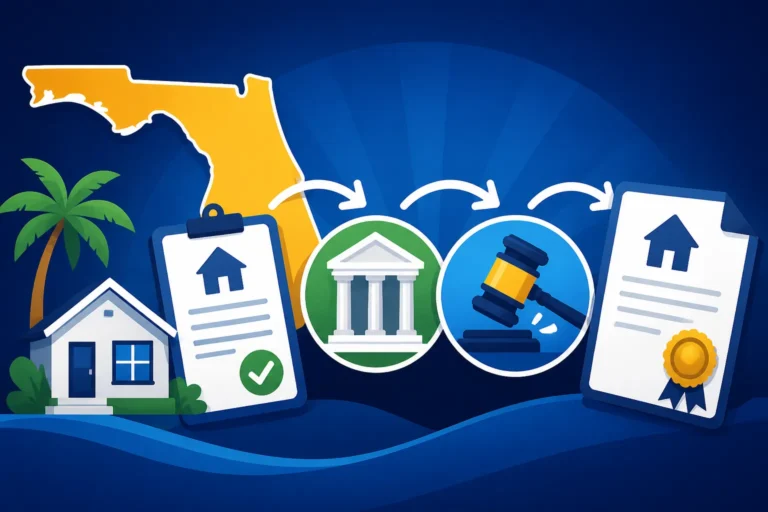
It's vital to remember that even within these "tax deed states," there can be hybrid models or county-specific rules. For instance, while Florida is primarily known for its extensive tax lien market, if a tax lien goes unredeemed for a significant period (often two years), the lienholder can apply for a tax deed, which then leads to a tax deed sale where the property is auctioned off to the highest bidder. So, while not a "pure" tax deed state in the initial delinquency phase, it ultimately generates tax deeds. The key takeaway is always to verify the exact rules for the specific county where you plan to invest.
Pinpointing Promising States for Tax Deed Investments
Once you understand the fundamental difference, the next logical question is: where should I focus my efforts? Pinpointing the right state, and more specifically, the right county, is paramount for successful tax deed investing.
Deep Dive into Key Tax Deed States
Let's zoom in on a few states where tax deed sales are a primary mechanism for governments to recoup unpaid property taxes. These states often present consistent opportunities, though the volume and type of properties available can fluctuate with economic cycles and local conditions.
California: California's tax deed sales are well-established and occur regularly. The process is managed by county tax collectors, and auctions can be quite large, especially in populous areas like Los Angeles County or Riverside County. You'll find properties ranging from vacant lots, which are often overlooked gems discussed in our Property Tax on Vacant Land guide, to residential homes and even commercial properties. Bidding in California tax deed sales can be competitive, reflecting the state's high property values. Investors need to be incredibly diligent, as property conditions can vary wildly, and research into local zoning and potential environmental issues is critical.
Ohio: Ohio offers a robust environment for tax deed sales, typically managed at the county level by the county treasurer or auditor. These sales are often judicial, meaning they involve a court order to facilitate the transfer of the deed. Properties can be found across a spectrum, from urban dwellings in cities like Cleveland or Cincinnati to rural acreage. The consistency of sales in Ohio makes it a popular state for many tax deed investors.
Pennsylvania: In Pennsylvania, tax deed sales are usually conducted by the county Tax Claim Bureau. These sales are generally known as "upset sales" or "judicial sales." Upset sales typically involve properties that haven't been sold at a prior sale, allowing for lower starting bids. Pennsylvania's varied geography, from bustling cities to quiet townships, means a diverse range of properties are frequently available. The legal process can be quite specific, so thoroughly understanding the local rules for counties like Philadelphia County or Allegheny County is non-negotiable.
Arizona: While Arizona also has a significant tax lien market, its tax deed sales generally arise after a tax lien has gone unredeemed for a period, leading to a court-ordered deed. Sales are conducted by the county treasurer. Maricopa County, home to Phoenix, is a particularly active area. The desert climate means that vacant land, often undeveloped, is a common offering at these sales, alongside residential properties. Due diligence here involves not just the property itself, but also understanding access rights, utility availability, and local development plans.
Factors Influencing Market Viability
Just because a state has tax deed sales doesn't automatically make it a great place to invest. Several broader market factors play a significant role in determining the true viability and potential profitability of these opportunities.
First, consider property values and local economics. In areas with higher property values, even a fraction of the market value can be a substantial sum, requiring more capital from the investor. Conversely, in areas with lower values, while the entry cost might be less, the potential for appreciation or rental income could also be lower. The overall economic health of a region—job growth, population trends, and local development—directly impacts future property values and the ease of selling or renting a property once acquired. A property acquired for cheap in a declining market might remain cheap for a long time.
Second, the frequency and volume of sales are crucial. Some counties hold tax deed sales annually, others semi-annually, and some less frequently. If you're looking to build a portfolio, consistency of opportunities matters. A county with only a handful of sales every few years might not be enough to sustain a dedicated investment strategy.
Third, the type of properties typically available can vary. Some counties might see a predominance of residential properties, while others might mostly offer vacant land, or even Commercial Property Tax Explained properties. Your investment strategy should align with what's commonly available. For example, if you specialize in rehabbing single-family homes, a county primarily selling raw land might not be your ideal market.
The Importance of Local Research
I cannot stress this enough: local research is the absolute bedrock of successful tax deed investing. Even within a single state, every county and even some municipalities can have their own specific rules, calendars, and procedures for conducting tax deed sales.
Start by visiting the official websites of county tax assessor-collectors, county treasurers, or county clerks in the areas that interest you. These government portals are goldmines of information. They will list upcoming sales, provide details on properties going to auction (including parcel numbers, legal descriptions, and sometimes even photos), outline registration requirements, and detail accepted payment methods. Many even provide historical data on past sales. This is also where you'll find information on how to read your property tax bill, which is crucial for understanding the delinquency process.
For example, if you're looking at Maricopa County in Arizona, you'd visit the Maricopa County Treasurer's Office website. If you're eyeing properties in Los Angeles County, the Los Angeles County Tax Collector's website would be your first stop. Don't rely on third-party aggregators alone; always verify information directly from the source. Call the county office, ask questions, and don't be afraid to delve into the minutiae of their process. The more you understand the local landscape, the better equipped you'll be to identify truly promising opportunities and avoid costly missteps.
Navigating the Tax Deed Auction Process from Start to Finish
Once you've identified a promising state and zeroed in on specific counties, the real work begins: preparing for and participating in the tax deed auction. This isn't like buying a house through a real estate agent; it's a specialized process that demands meticulous preparation and a clear understanding of the rules.
Pre-Auction Due Diligence: Your Investor's Checklist
This is, without a doubt, the most critical phase of tax deed investing. Unlike traditional real estate purchases where you have inspections and contingencies, tax deed sales are almost always "as-is, where-is" with little to no recourse after the sale. Your pre-auction research needs to be exhaustive.
Here's your essential checklist:
- Property Identification and Location: Get the exact legal description, parcel number, and physical address. Use online mapping tools (like Google Earth or county GIS systems) to virtually "drive by" the property, assess its surroundings, and understand its proximity to amenities.
- Physical Inspection (if possible): Many tax deed properties cannot be entered, but you can certainly drive by and observe from the street. Look for obvious signs of neglect, structural issues, or occupancy. Is the roof caving in? Are there overgrown trees blocking access? Is there evidence of recent vandalism? This visual assessment can give you crucial clues about potential rehabilitation costs. Remember to also check for things like wetlands or difficult terrain, especially if you're looking at vacant land.
- Title Search and Lien Analysis: While a tax deed typically extinguishes most prior liens, it's not foolproof. You absolutely must conduct a thorough title search before bidding. This means checking county records for any outstanding mortgages, judgments, federal tax liens, or other encumbrances that might survive the tax deed sale. You might even hire a title company or a real estate attorney for this step, as understanding what liens are cleared by the tax deed process in that specific jurisdiction is vital. Some states, for example, do not clear specific types of environmental liens.
- Value Assessment: Determine the property's fair market value in its current condition. This involves researching comparable sales (comps) of similar properties in the area. Look for recent sales of properties with similar size, age, and condition. Don't just look at recently listed prices; focus on actual sold prices. This valuation will help you set your maximum bid and ensure you're not overpaying. You might also consider what the value would be post-rehab to calculate your potential profit.
- Understanding Local Regulations: Check zoning ordinances, building codes, and any potential land-use restrictions. Is the property in a flood zone? Are there any easements? For vacant land, what are the permitted uses, and what are the minimum lot sizes for building?
- Occupancy Status: Find out if the property is occupied. Evicting tenants or previous owners can be a lengthy, expensive, and emotionally taxing process. Factor in potential legal fees and lost income during the eviction period.
- Tax Records Review: Go back through the property's tax history. This isn't just about the current delinquency but also understanding if there's a pattern of non-payment or if there were other issues that led to the tax sale. Our article on Property Tax Assessment & Reassessment Explained can help you understand the assessment history.
- Budgeting for All Costs: Factor in not just the winning bid amount, but also recording fees, transfer taxes, potential attorney fees for quiet title actions (if necessary), eviction costs, and especially, rehabilitation expenses. This is where tools like Stessa can become invaluable after acquisition, helping you track all expenses, income, and overall financial performance if you plan to hold or rent the property. Keeping meticulous records from day one is essential.
Participating in the Auction and Bidding Strategies
Once your due diligence is complete and you have a solid understanding of the property and its value, you're ready to consider participating in the auction.
Auctions can take various forms:
- Live Auctions: Often held at the county courthouse or a government building. Bidding is typically competitive, with the property going to the highest bidder.
- Online Auctions: Many counties now facilitate online bidding, making it more accessible. You'll need to register beforehand and typically provide a deposit.
- Sealed Bid Auctions: Less common but sometimes used, where interested parties submit their best offer in a sealed envelope, and the highest bid wins.
Regardless of the format, you'll need to register beforehand, usually submitting a bidder application and sometimes a deposit. It's crucial to know the auction's specific rules. What's the starting bid? Is it just the back taxes, or is there a minimum bid that includes administrative fees? What are the bidding increments?
Bidding Strategy: Go into the auction with a clear, absolute maximum bid in mind, based on your thorough valuation and desired profit margin. Stick to it. It's easy to get caught up in the excitement of an auction and overbid, turning a potentially profitable deal into a money pit. Remember that emotion has no place in investing. Having your funds readily available is also paramount. Many tax deed sales require full payment immediately or within 24-48 hours, often in certified funds (cashier's check). If you can't pay, you forfeit your deposit and the opportunity.
Post-Auction Steps and Property Management
Congratulations, you're the winning bidder! The journey isn't over yet; now begins the process of officially taking possession and managing your new asset.
- Recording the Deed: The very first step is to ensure your new tax deed is properly recorded with the county recorder's office. This legally establishes you as the new owner and provides public notice of your ownership.
- Notification and Eviction: If the property is occupied, you'll need to formally notify any occupants that you are the new owner and they need to vacate the premises. This often requires legal assistance to ensure you follow all state and local landlord-tenant laws. Eviction processes can be time-consuming, costly, and emotionally challenging. Do not attempt "self-help" eviction, as it can lead to legal trouble.
- Securing the Property: Once vacant, immediately secure the property. Change all locks, board up broken windows, and take steps to prevent vandalism or squatters.
- Assessing and Planning Repairs: With legal access, conduct a detailed assessment of the property's condition. Get quotes from contractors for necessary repairs and renovations. This is where your pre-auction estimates will be put to the test. Remember, making improvements might trigger a reassessment that impacts your future property taxes, a consideration highlighted in our guide Does Renovating Increase Property Taxes?.
- Property Management: If your plan is to rent the property, set up your property management system. This is where tools like Stessa truly shine. They help you track rental income, expenses, tenant information, and maintenance requests, providing a clear financial picture of your investment. For more comprehensive financial tracking and management, especially for multiple properties, a platform like Stessa is invaluable.
Managing Your Tax Deed Investment for Success
Acquiring a property through a tax deed sale is just the first step. To truly succeed in this niche of real estate investing, you need robust financial planning, clear exit strategies, and a realistic understanding of the challenges that might arise.
Financial Planning Beyond the Bid Price
Many new investors make the mistake of only budgeting for the hammer price at the auction. However, the true cost of acquiring and preparing a tax deed property for market or rental often extends far beyond that initial bid.
Here’s a breakdown of the expenses you need to factor in:
- Purchase Price: Your winning bid at the auction.
- Recording Fees and Transfer Taxes: These are administrative costs charged by the county to officially transfer and record the deed in your name. They can vary significantly by state and county.
- Legal Fees: If you need to perform a quiet title action to definitively clear any lingering doubts about the property's title (which is often recommended for peace of mind and resale), these costs can be substantial. Similarly, if you face an eviction, legal fees will add up.
- Rehabilitation Costs: This is often the biggest variable. Properties acquired through tax deed sales are frequently in poor condition, requiring repairs ranging from minor cosmetic updates to major structural overhauls, new HVAC, roofing, and utility connections. Always have a contingency budget (e.g., 10-20% of estimated rehab costs) for unexpected issues.
- Back Taxes or Liens Not Extinguished: While tax deeds clear most liens, always verify. In rare cases, federal liens or specific state/local environmental liens might survive, requiring additional payments.
- Insurance and Ongoing Property Taxes: As the new owner, you are immediately responsible for insuring the property and paying all future property tax bills. Remember to factor this into your holding costs. Our article on How to Pay Property Taxes: Complete Guide can walk you through payment options.
- Utilities and Security: Getting utilities turned on, securing the property against further damage, and potentially paying for private security if it's in a high-risk area.
It’s crucial to maintain a comprehensive budget from day one. You might even consider external financing for rehabilitation if you acquire a property that needs extensive work. Services like LendingTree can connect you with lenders offering various types of loans, from rehab loans to conventional mortgages, once you've established clear title and improved the property's value. Using a platform like LendingTree allows you to compare multiple loan options quickly, which can be a huge time-saver.
Valuation and Exit Strategies
Before you even bid, you should have a clear idea of your exit strategy. How do you plan to make money from this investment?
- Fix and Flip: This involves quickly renovating the property to increase its value, then selling it for a profit. This strategy demands accurate rehab cost estimates, efficient project management, and a strong understanding of the local real estate market for resale.
- Buy and Hold (Rental Income): If you plan to rent the property, you'll need to assess its potential rental income, ongoing maintenance costs, and local tenant demand. This strategy generates passive income but requires landlord responsibilities. Again, property management software like Stessa can be a lifesaver for tracking rental income, expenses, and tenant details.
- Long-term Appreciation: For some properties, particularly vacant land, the strategy might be to hold onto it for several years, paying the annual property taxes, and selling it once the area develops and values appreciate. Understanding How Property Type Affects Your Tax Assessment can influence its long-term cost is important here.
Your chosen exit strategy will dictate your maximum bid, the amount of capital you're willing to invest in renovations, and your overall timeline. A property that makes sense for a quick flip might not be ideal for a long-term rental, and vice versa.
Overcoming Common Challenges and Mitigating Risks
Tax deed investing is not for the faint of heart, and it's essential to be prepared for potential roadblocks.
- Undisclosed Issues: The "as-is" nature means you might uncover significant structural defects, plumbing issues, electrical problems, or even environmental hazards after purchase. Always budget for the unexpected.
- Problematic Evictions: Dealing with existing occupants can be contentious and lengthy, especially if they are uncooperative or have legal protections. Having an experienced real estate attorney on your side is critical.
- Clouded Titles: While tax deeds often clear titles, disputes can sometimes arise, requiring a quiet title lawsuit to resolve definitively. This adds legal costs and delays.
- Overbidding: The excitement of an auction can lead to overbidding, reducing or eliminating your profit margin. Stick rigidly to your predetermined maximum bid.
- Market Fluctuations: Real estate markets can change. What seemed like a great deal when you purchased might be less attractive if the local market experiences a downturn during your holding period.
To mitigate these risks, always prioritize your due diligence. Develop a network of trusted professionals: a real estate attorney specializing in tax deeds, experienced contractors, and potentially a local property tax consultant to help you understand your new Property Tax Assessment & Reassessment Explained. A realistic budget that includes significant contingency funds is non-negotiable. Tax deed investing can be highly rewarding, but only for those who approach it with diligence, discipline, and a thorough understanding of the process and its inherent risks.
Overview of Select Tax Deed States
To give you a clearer picture, here's a brief comparison of some key characteristics of states known for their tax deed sales. Remember, these are general guidelines, and county-level variations are common. Always verify specifics with the local taxing authority.
| State | Primary Mechanism | Redemption Period Post-Sale | Common Auction Frequency | Key Considerations |
|---|---|---|---|---|
| California | Tax Deed Sale | Generally None | Varies (Annual/Biennial) | High property values, competitive bidding. Extensive due diligence on liens (federal, environmental) and property condition is paramount. Often involves online auctions. |
| Ohio | Tax Deed Sale (Judicial) | Generally None | Varies (Annual/Biennial) | Sales often involve court confirmation. Important to research local county rules; some may have tax lien processes that lead to deeds. |
| **Pennsylvania | Tax Deed Sale (Upset/Judicial) | Generally None | Varies (Annual/Biennial) | Known for "upset sales" where properties are sold for low minimum bids. Specific legal procedures, including publication and notification requirements, are strictly enforced by Tax Claim Bureaus. |
| Arizona | Tax Deed Sale (Treasurer's) | Generally None | Varies (Annual/Biennial) | While also a tax lien state, tax deeds result from unredeemed liens after a court process. High volume of vacant land. Due diligence on access, utilities, and prior liens is critical. |
| Michigan | Tax Deed Sale | Generally None | Annual | Managed by county treasurers after state forfeiture. Properties are sold "as is." Extensive documentation and strict timelines. Focus on urban revitalization areas can be complex due to property condition. |
Note: This table provides a general overview. Specific rules, timelines, and redemption periods can vary significantly by county and municipality within each state. Always consult the local taxing authority and legal counsel for precise information.
Disclaimer
The information provided in this guide is for general informational purposes only and does not constitute legal, financial, or investment advice. Property tax laws and procedures are complex and vary significantly by state, county, and municipality. Investing in tax deeds carries substantial risks, and you could lose your entire investment. It is highly recommended that you consult with a qualified real estate attorney, financial advisor, or tax professional before making any investment decisions related to tax deed sales.