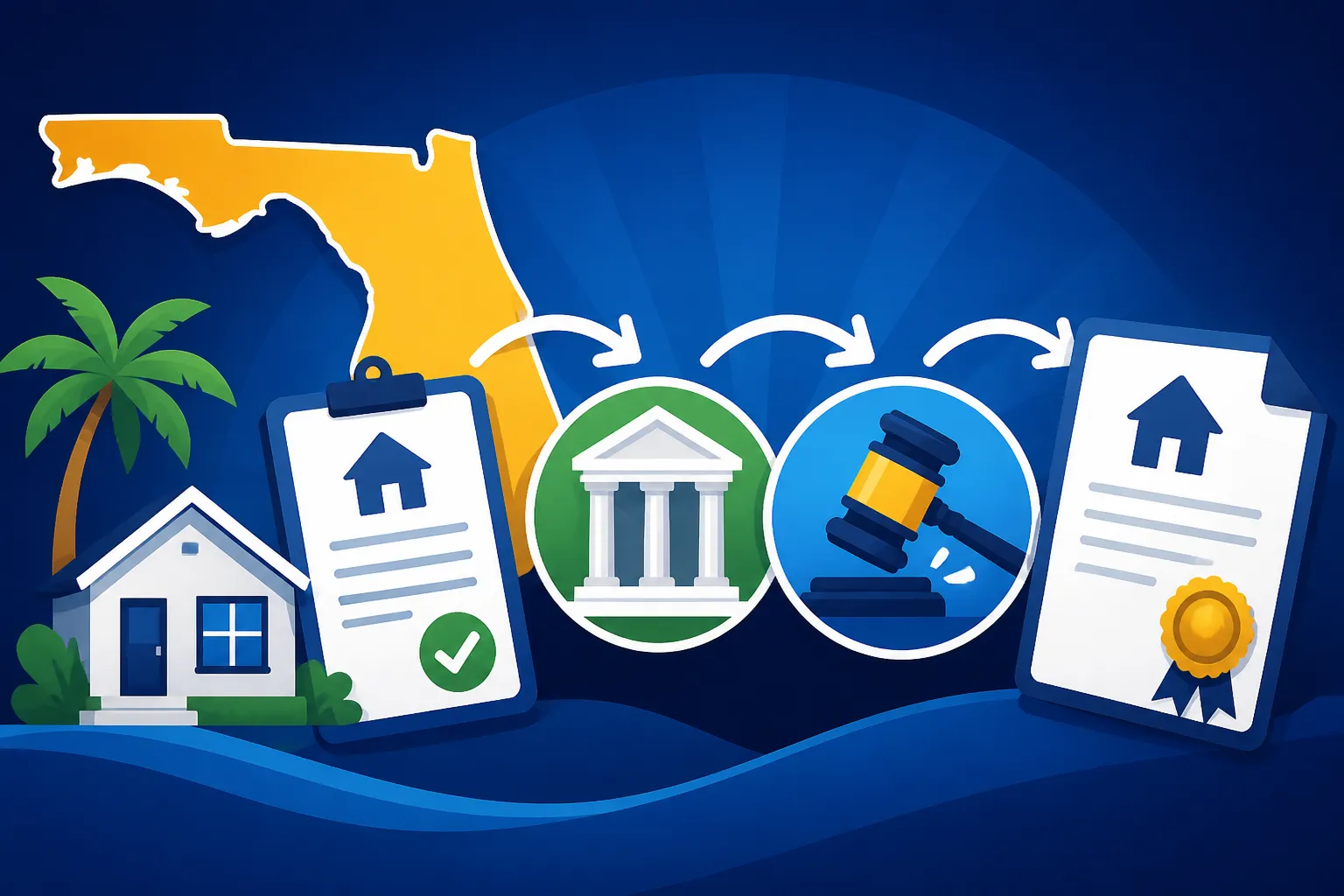
Florida Tax Lien & Tax Deed Process
Facing delinquent property taxes in Florida can be a truly daunting experience, leaving homeowners feeling stressed and uncertain about the future of their property. It's a complex system, and understanding the steps from a missed payment to a potential tax lien or even a tax deed sale is absolutely crucial. This guide is here to walk you through the entire Florida tax lien and tax deed process, explaining exactly what happens when property taxes go unpaid, what options are available, and what homeowners and potential investors need to know to navigate this intricate landscape.
Understanding Florida's Property Tax Landscape
Let's be honest, nobody wants to fall behind on their property taxes. It's often the result of unforeseen circumstances, tight budgets, or simply not fully understanding how the system works. Florida’s property tax system, like many others, relies on these payments to fund local services, schools, and infrastructure. When those payments don't come in, the county has a mechanism to recover those funds, and that's where tax liens and tax deeds come into play.
The Basics of Property Taxes in Florida
In Florida, property taxes are levied by local governments, primarily at the county level, to finance a wide array of public services. This includes things like local schools, fire and police departments, parks, and roads – all the essential services that make our communities function. The tax bill you receive is based on your property's assessed value, which is determined by the county property appraiser, and the millage rate (or mill rate) set by various taxing authorities within your county, such as the county commission, school board, and city councils.
It’s important to remember that Florida operates on a system where property taxes are generally due by November 1st of each year for the preceding calendar year. However, they aren't considered delinquent until April 1st of the following year. For example, taxes for 2023 would be due November 1, 2023, but become delinquent on April 1, 2024. Many homeowners often benefit from discounts for paying early, which can be as much as 4% if paid in November. Missing these deadlines can start a chain of events that leads to the tax lien and tax deed process we're discussing today. For more details on these timelines, you might find our guide on Property Tax Due Dates by State particularly helpful.
Why Property Taxes Go Unpaid
Life happens, and sometimes, those property tax bills just get put on the back burner, or worse, completely overlooked. There are countless reasons why a homeowner might find themselves in this difficult position. It could be due to a sudden job loss, unexpected medical expenses, a significant home repair, or even just a simple oversight or misunderstanding of the payment schedule. Sometimes, homeowners are under the impression that their mortgage payment covers everything, only to realize later that an escrow account either wasn't set up or didn't adequately cover the increasing tax burden.
Another common scenario involves properties owned by elderly individuals or those who may have inherited a home and are unfamiliar with the ongoing financial responsibilities. They might not be aware of exemptions available to them, like the valuable Homestead Exemption in Florida, or simply struggle to manage their finances. The truth is, falling behind on property taxes isn't just a financial misstep; it's often a symptom of larger life challenges. No matter the reason, the county still needs those funds, and that’s why the tax lien process is put into motion to recover them.
The Florida Tax Lien Certificate Process
Once property taxes become delinquent in Florida, the county's tax collector doesn't just sit idly by. They initiate a structured process to recover the unpaid taxes, and the first major step in that process is the creation and sale of tax lien certificates. This system is designed to incentivize investors to pay the delinquent taxes on behalf of the homeowner, providing immediate revenue for the county and allowing the investor to earn interest.
How Tax Liens Are Created
When a property owner fails to pay their taxes by the delinquency date (April 1st in Florida), the county tax collector converts that outstanding tax amount into a "tax certificate" or "tax lien certificate." Think of it as a legal claim against the property for the amount of unpaid taxes, plus any accumulated interest, penalties, and administrative fees. This certificate essentially represents the county's right to collect those taxes. The specific details of this process are outlined in Florida Statute Chapter 197.
It's crucial for property owners to understand that once a tax lien certificate is issued, their property is now subject to this legal claim. While they still own the property, the certificate acts as a cloud on the title. The county then puts these tax certificates up for sale, usually in May or June, as a way to quickly replenish their coffers with the funds needed for public services. This is not the same as losing your home immediately, but it is a serious indicator that the situation needs to be addressed. Our article on Property Tax Liens Explained delves deeper into the general concept of these liens.
The Tax Lien Auction (Tax Certificate Sale)
After the tax certificates are created, Florida counties hold annual tax certificate sales, often referred to as tax lien auctions. These auctions are typically held online, allowing a wide range of investors to participate. The basic premise is that investors bid on the interest rate they are willing to accept on the certificate. Florida uses a "bid-down" auction system, meaning bidding starts at a maximum interest rate (18% per year) and goes down. The investor who bids the lowest interest rate wins the certificate.
For example, if Miami-Dade County has a delinquent tax certificate for $5,000, investors might start bidding at 18%, then someone bids 17%, then 16%, and so on. The investor who bids, say, 2% and wins the certificate, will then pay the $5,000 to Miami-Dade County. They now hold the certificate and will earn 2% interest on that $5,000 each year until the property owner redeems it. This system ensures that counties get their funds, and investors have an opportunity to earn a return. You can often find information about upcoming sales on county tax collector websites, such as the Hillsborough County Tax Collector or Broward County Tax Collector.
Investing in Florida Tax Liens
For investors, Florida tax lien certificates can be an attractive, albeit somewhat niche, investment opportunity. They offer a relatively secure way to earn a return, as the lien is secured by real estate. However, it’s not without its nuances. Investors must do their due diligence to understand the property, potential environmental issues, and the likelihood of the homeowner redeeming the certificate. Most often, the goal for investors is to earn the interest, not necessarily to acquire the property through a tax deed, as the latter can be a lengthy and complex process.
Many investors use specialized platforms or services to research and bid on these certificates, though direct participation is also common. It’s important to remember that while the interest rates can be appealing, the process requires careful record-keeping and understanding of Florida’s specific laws. Companies like Stessa can be a valuable tool for investors looking to track and manage property-related finances, including the potential for tax lien investments or properties acquired through tax deeds, though their primary focus is rental property management. If you're considering this as an investment, our comprehensive guide, Tax Lien Investing: Complete Guide, offers a broader look at this investment strategy.
Redeeming a Tax Lien and What Happens Next
For the property owner, once a tax lien certificate is sold, the clock officially starts ticking. They still have a chance to save their property by "redeeming" the tax lien, which means paying off the delinquent taxes, interest, and fees. This is the primary goal of the system from the county's perspective – to get the taxes paid, not necessarily to take someone's home.
The Redemption Period for Property Owners
In Florida, a property owner has a minimum of two years from April 1st of the year the tax certificate was issued to redeem the certificate. This is a critical period. During these two years, the property owner can pay the county tax collector the original amount of the lien plus the interest earned by the investor. Once the payment is made, the county then remits the funds, including the interest, to the investor, and the tax certificate is cancelled. This is often called the Redemption Periods & Tax Foreclosure phase, and it's designed to give homeowners ample opportunity to catch up.
For example, if the 2023 taxes became delinquent on April 1, 2024, and a tax certificate was sold in June 2024, the property owner typically has until at least June 2026 (or later, depending on when the tax deed application is initiated) to redeem it. This provides a substantial window for homeowners to resolve their tax issues, but it also means the debt continues to accrue interest during this time.
Interest Rates and Penalties
The interest rate on a Florida tax lien certificate can vary significantly depending on the auction results, ranging from 0% (in very competitive auctions) up to the statutory maximum of 18% per year. This interest accrues daily on the amount of the certificate. In addition to the interest, homeowners will also be responsible for any penalties and fees associated with the delinquent taxes and the sale of the certificate.
It's vital for homeowners to understand that the longer they wait to redeem a tax certificate, the more interest and penalties will accumulate, making the total amount required for redemption higher. These costs can quickly add up, turning an initial modest tax bill into a substantial sum. This is why it's always advisable for homeowners to address delinquent taxes as quickly as possible. If you find yourself in this situation, promptly contacting your county tax collector's office is the first step to understanding the exact amount needed for redemption.
How Unredeemed Liens Lead to Tax Deeds
If a tax certificate remains unredeemed for at least two years from the date it was issued, the holder of the certificate can then apply for a tax deed. This is the point where the property owner's risk of losing their home significantly increases. The application for a tax deed essentially begins the process of forcing a sale of the property to satisfy the outstanding taxes. The certificate holder must pay all subsequent delinquent taxes on the property before they can apply for a tax deed.
The tax deed application triggers a series of events, including notifying the property owner and any other interested parties (like mortgage holders) that the property is slated for a tax deed sale. This is a crucial distinction: owning a tax lien certificate does not mean an investor owns the property; it merely gives them the right to apply for a tax deed if the lien is not redeemed within the statutory period. It's a significant escalation in the process, moving from a claim on the property to a mechanism for its potential sale.
The Florida Tax Deed Application and Sale
Once a tax lien certificate holder decides to pursue a tax deed, they are essentially taking the next, and most aggressive, step toward potentially acquiring the property. This process is highly regulated by Florida law to protect the rights of the property owner, but it also moves the property closer to a public auction.
Initiating a Tax Deed Application
To initiate a tax deed application, the tax certificate holder must approach the county tax collector's office and fulfill several requirements. The primary requirement is that the tax certificate must have been held for at least two years from April 1st of the year it was issued. The applicant must also pay any subsequent delinquent taxes on the property, meaning they can't just apply for a deed based on a single year's unpaid taxes if others have accumulated. There are also specific application fees that must be paid at this stage.
Once the application is filed and approved, the tax collector then turns the process over to the Clerk of the Circuit Court. The Clerk's office is responsible for conducting a thorough title search to identify all parties who have an interest in the property. This includes the legal owners, mortgage holders, and any other lienholders. All these parties are then notified by certified mail that a tax deed application has been filed and that the property is scheduled for a tax deed sale if the outstanding taxes are not paid. This notification process is a critical safeguard for property owners and ensures that they are formally aware of the impending sale.
The Tax Deed Auction Process
If the property owner or any other interested party does not redeem the outstanding tax certificate(s) (by paying the tax amount, interest, and fees) before the tax deed sale date, the property will then be put up for public auction by the Clerk of the Circuit Court. These are generally held at the county courthouse or online, depending on the county (e.g., Orange County or Collier County might have specific procedures). The sale is an "absolute auction," meaning the highest bidder wins the property. The opening bid at a tax deed sale typically includes the combined total of all outstanding tax certificates, any subsequent delinquent taxes, accrued interest, and all costs associated with the tax deed application and sale, including the costs of the title search and legal notifications.
It’s important to understand that these sales are not like typical real estate transactions. Properties are sold "as is," and while the tax deed generally extinguishes most prior liens (except for certain government liens), the buyer is responsible for conducting their own due diligence. They must research the property thoroughly, understanding its condition, any existing encumbrances that may survive the sale, and the exact terms of the auction. For investors, this can be an opportunity to acquire property at a potentially reduced price, but it comes with inherent risks, which is why our guide on Tax Deed Sales Explained provides more comprehensive insights.
Understanding Tax Deed Sales and Potential Pitfalls
For property owners, a tax deed sale means the loss of their property. Once the tax deed is issued to the successful bidder, the property owner's rights to the property are generally extinguished. This can be a devastating outcome, highlighting the importance of understanding and addressing delinquent taxes early.
For investors, while tax deed sales can represent an opportunity, they also carry significant risks. One major pitfall is the issue of "quiet title." While a tax deed should provide clear title, sometimes prior encumbrances or errors in the notification process can lead to legal challenges. Savvy investors often pursue a quiet title action in court after acquiring a tax deed to legally confirm clear ownership, adding an additional layer of cost and time. Another risk is acquiring a property with significant hidden defects, environmental issues, or unknown structural problems, as these properties are sold without warranties or guarantees. This means buyers must be exceptionally thorough in their due diligence before bidding.
Key Differences: Tax Liens vs. Tax Deeds in Florida
It's easy to confuse tax liens and tax deeds, but they are fundamentally different stages in the same process, each with distinct implications for both property owners and investors. Understanding these differences is absolutely critical, especially if you're trying to navigate Florida's property tax recovery system.
Investor Perspectives and Risks
From an investor's point of view, the distinction is paramount. A tax lien certificate is an investment in a debt, secured by the property. The primary goal for most tax lien investors is to earn interest on their investment. They are not looking to own the property; rather, they hope the property owner redeems the lien, and they receive their principal back plus the agreed-upon interest. The risks here are relatively low if the lien is purchased wisely, as the property itself backs the investment, and Florida law offers a high-interest ceiling (18%) to incentivize these purchases. The biggest risk for a tax lien investor might be a low-interest bid leading to minimal returns, or occasionally, a "void" certificate if legal errors occurred.
A tax deed, on the other hand, represents actual ownership of the property, acquired through a forced sale to satisfy delinquent taxes. The goal for a tax deed investor is to acquire the property. The risks are much higher here, as they are purchasing physical real estate "as is." This involves all the due diligence associated with real estate, plus the potential for a property owner to challenge the deed's validity, or the costs and time associated with a quiet title action. However, the potential reward can also be higher if a property is acquired for significantly less than market value. The choice between investing in tax liens versus pursuing tax deeds depends heavily on an investor's risk tolerance, capital, and ultimate investment goals. You can see how these options are different when you compare Tax Lien Sales & Certificates with Tax Deed Sales Explained.
Property Owner Implications
For the property owner, the distinction between a tax lien and a tax deed means the difference between having time to save your home and potentially losing it. When a tax lien certificate is sold, it serves as a warning sign. You still own your property, and you have at least two years (and often more, until a tax deed application is formally made) to pay off the outstanding taxes, interest, and fees. This period is your opportunity to seek financial assistance, set up a payment plan with the county, or sell the property yourself to cover the debt. During this phase, you are still the legal owner with all the associated rights and responsibilities.
However, once a tax deed application is successfully processed and the property goes to a tax deed sale, the stakes are dramatically higher. If your property is sold at a tax deed auction, your ownership rights are terminated. The new owner receives a tax deed, and while there might be very limited avenues for challenge, for most homeowners, the property is permanently lost. This is why immediate action upon receiving notice of delinquent taxes, and certainly upon receiving notice of a tax deed application, is paramount. Understanding What Happens If You Don't Pay Property Taxes? can help underscore the severity of these stages.
| Feature | Florida Tax Lien Certificate | Florida Tax Deed |
|---|---|---|
| What it is | A lien/claim on the property for unpaid taxes. | Actual transfer of property ownership. |
| Investor Goal | Earn interest on the lien. | Acquire the property. |
| Property Owner Status | Maintains ownership, has redemption period. | Loses ownership upon sale and deed issuance. |
| How Acquired | Bid lowest interest rate at annual auction. | Highest bid at a public tax deed auction. |
| Timeframe | Sold after taxes are delinquent (April 1st). Minimum 2-year redemption period. | Applied for after 2 years of lien issuance. Sale occurs shortly after. |
| Risk (Investor) | Lower risk; primarily interest income. | Higher risk; "as-is" property, potential title issues. |
| Risk (Owner) | Financial burden of interest, but property not yet lost. | Loss of property. |
| Costs to Owner | Delinquent taxes + interest + penalties/fees. | Property lost; opening bid covers all costs. |
Navigating Delinquent Property Taxes in Florida
Discovering your property taxes are delinquent or that a tax lien has been placed on your home can feel overwhelming. It’s a situation that requires proactive steps and a clear understanding of your options. Ignoring the problem will only make it worse, leading to increased penalties and, ultimately, the risk of losing your property through a tax deed sale.
Resources for Homeowners Facing Delinquency
If you find yourself in arrears with your property taxes, the absolute first step is to contact your local county tax collector's office. They are the primary resource for understanding your specific situation, including the exact amount owed, interest accrued, and available payment options. Many counties offer payment plans or can provide information on state and local assistance programs. For instance, the Miami-Dade County Tax Collector's office or the Orange County Property Appraiser's office can often guide homeowners through their specific processes.
Beyond the tax collector, various non-profit organizations and legal aid services in Florida may offer assistance to homeowners struggling with property tax debt. These organizations can sometimes help you understand your rights, explore options like a deferral, or even assist in appealing your property’s assessed value if you believe it’s too high. While not directly related to tax liens, understanding Why Did My Property Taxes Go Up? could help you mitigate future increases by addressing assessment issues. Additionally, resources like LendingTree can provide information on various financial solutions, including refinancing or home equity options that might help you cover delinquent taxes, though this should be approached with caution and careful consideration of long-term financial implications.
Seeking Professional Advice
Dealing with delinquent property taxes, especially when tax liens or tax deed applications are involved, can be incredibly complex. The stakes are high, and making an informed decision is paramount. While this guide provides a comprehensive overview, it's not a substitute for personalized professional advice. Consulting with a real estate attorney who specializes in property tax law in Florida is highly recommended. An attorney can help you understand the nuances of your specific situation, review all notices, ensure proper legal procedures were followed, and advise on the best course of action to protect your interests, whether it's through redemption or exploring other legal challenges.
Furthermore, if you're an investor looking into Florida tax liens or tax deeds, seeking guidance from a seasoned real estate attorney or a specialized tax lien investment advisor is crucial. They can help you navigate the legalities, assess risks, and ensure your due diligence is thorough. The details matter significantly in this area, and an expert can save you from costly mistakes. Remember, knowledge is power, and when it comes to property taxes and potential home loss, the more informed you are, the better equipped you'll be to act decisively. You might also want to look into How to Pay Property Taxes: Complete Guide for proactive steps to avoid delinquency in the first place.
Disclaimer
The information provided in this guide is for general informational purposes only and does not constitute legal, financial, or tax advice. Property tax laws and processes can be complex and vary by jurisdiction. You should consult with a qualified legal or financial professional for advice tailored to your specific situation.