How to Pay Delinquent Property Taxes
It’s a truly frightening moment when you realize your property taxes are overdue. Whether it’s due to a forgotten bill, an unexpected financial hurdle, or simply a misunderstanding of the payment schedule, falling behind on property taxes can feel like a heavy burden, bringing with it a wave of anxiety about penalties and even losing your home. This guide is here to walk you through exactly what happens when property taxes go delinquent and, more importantly, the actionable steps you can take to resolve the situation and protect your most valuable asset.
Understanding Delinquent Property Taxes and Why They Matter
When we talk about "delinquent property taxes," we're not just referring to a bill that's a few days late. This term signifies that you've missed the official payment deadline, and now your local taxing authority considers your account past due, often triggering additional fees, interest, and more serious consequences. It’s a critical stage that requires immediate attention because the longer taxes remain unpaid, the more severe the repercussions become.
What "Delinquent" Truly Means for Homeowners
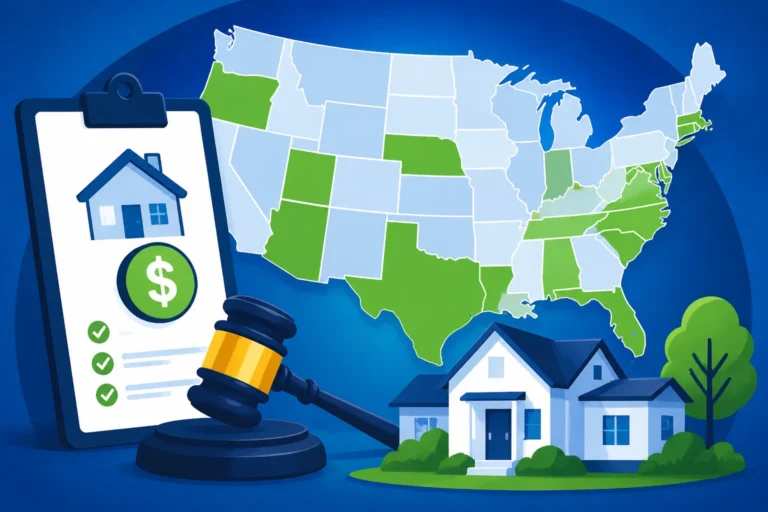
Being delinquent means your property tax bill has moved past its due date and any grace period the local jurisdiction might offer. For instance, in many parts of Texas, property taxes are due by January 31st, and if unpaid, they become delinquent on February 1st. In California, taxes are typically paid in two installments, due November 1st and February 1st, and become delinquent if not paid by December 10th and April 10th, respectively. Each state and even county has its own specific set of Property Tax Due Dates by State, so it's vital to know yours.
The immediate impact is usually financial:
- Penalties: These are one-time or escalating fees tacked onto your original tax amount for late payment. They can vary widely. For example, in Texas, penalties can start at 6% in February and rise by 2% each month, capping at 12% in July.
- Interest: Beyond penalties, interest also starts accruing on the unpaid tax amount, often monthly. This can be a significant compounding factor, making your original bill grow substantially over time. Some states, like New Jersey, can charge interest rates as high as 8% on the first $1,500 of delinquency and 18% on amounts over that.
These charges aren't just minor nuisances; they're designed to incentivize timely payment and can quickly turn a manageable bill into a crushing debt. Understanding these initial impacts is the first step in addressing the problem head-on.
Common Reasons for Falling Behind on Payments
Life happens, and often, delinquent property taxes aren't a sign of irresponsibility but rather unforeseen circumstances. It's incredibly common for homeowners to find themselves in this predicament for a variety of reasons:
- Financial Hardship: A job loss, a medical emergency, or unexpected major home repairs can quickly deplete savings and make it impossible to cover regular expenses, including property taxes. Many families are just barely making ends meet, and one major financial shock can throw everything off balance.
- Forgotten or Misdirected Bills: Sometimes, it's as simple as a bill getting lost in the mail, landing in a spam folder, or simply being overlooked during a busy period. If you recently moved or your contact information changed, your local tax assessor might not have the correct address on file, leading to missed notices.
- Escrow Account Issues: For many homeowners with mortgages, property taxes are paid through an escrow account. However, sometimes issues arise—an escrow shortage, a miscalculation by the mortgage lender, or even a lender failing to pay on time—which can lead to delinquency without the homeowner even realizing it until it's too late. Understanding your Escrow & Impound Accounts Explained can help you stay on top of this.
- Lack of Awareness: Especially for first-time homeowners or those new to a state, the complexities of Property Tax by State 2026: All 50 States Ranked can be overwhelming. They might not fully understand the payment schedule, available exemptions, or the severe consequences of non-payment.
No matter the reason, it's important to remember that you're not alone, and there are almost always steps you can take to rectify the situation. The key is to act quickly and proactively.
The Escalating Consequences of Unpaid Property Taxes
Ignoring delinquent property taxes is a dangerous game. The consequences don't stop at penalties and interest; they escalate, eventually putting your home itself at risk. It’s crucial to understand this progression so you can intervene before it’s too late.
Property Tax Liens and Their Impact
One of the most immediate and significant consequences of delinquent property taxes is the placement of a property tax lien on your home. A lien is a legal claim against your property, essentially stating that the government has a right to your property if the debt isn't settled.
- How They Work: When your taxes become delinquent, the taxing authority automatically has a lien on your property. This lien takes precedence over almost all other liens, including your mortgage. In some states, like Arizona or Florida, municipalities can even sell these liens (called tax lien certificates) to private investors. This process is complex, and for those interested in the details, exploring Tax Lien Sales & Certificates can provide a deeper dive.
- Impact on Credit and Future Finances: While a property tax lien might not directly appear on your credit report in the same way a late credit card payment would, it can severely impact your financial standing. It's a public record, making it difficult to refinance your home, sell the property, or even secure other loans. Lenders consider a property with a tax lien to be a high-risk asset.
- Who Buys Tax Liens?: Private investors often purchase tax liens because they offer a secure investment with a guaranteed rate of return, set by state law. These investors are essentially paying your delinquent taxes to the government, and then you owe the taxes (plus interest and fees) directly to them. This can add another layer of complexity to resolving your debt.
The Threat of Tax Foreclosure and Deed Sales
If a property tax lien remains unpaid for an extended period, the ultimate consequence is tax foreclosure, leading to a tax deed sale. This means the government, or sometimes the private investor who bought the lien, can take legal action to sell your home to recover the unpaid taxes.
- Tax Deed Sales Explained: In states that conduct tax deed sales, such as Texas or Georgia, the property itself is sold at a public auction to the highest bidder. The proceeds from the sale are used to cover the delinquent taxes, penalties, interest, and administrative costs. While the goal is to recoup the taxes, it's possible for your property to be sold for significantly less than its market value.
- Redemption Periods: Thankfully, many states offer a "redemption period" after a tax deed sale. This is a specific timeframe, often one to three years, during which you (the former owner) can pay back the new owner the amount they paid for the property, plus any accrued interest and fees, to reclaim your home. However, this is not guaranteed in all states, and the exact Redemption Periods & Tax Foreclosure can vary dramatically. For example, Texas has redemption periods for homesteads and agricultural land of two years, while other properties might have a six-month period.
- Losing Your Home: The most severe consequence is, of course, losing your home. This isn't a quick process; it typically involves multiple notices, opportunities to pay, and often a court process. However, if no action is taken, the county or the lien holder will eventually move to seize and sell the property. This is why understanding What Happens If You Don't Pay Property Taxes? is so critical.
The path from delinquency to foreclosure can be long, but it is a real and devastating possibility. Knowing these risks underscores the urgency of addressing any delinquent property taxes immediately.
Strategies to Pay Delinquent Property Taxes
Feeling overwhelmed by delinquent property taxes is natural, but there are several paths you can explore to settle your debt. The best option for you will depend on your financial situation, the amount owed, and your local government's policies.
Direct Payment Options
The simplest and most straightforward way to deal with delinquent property taxes is to pay them directly, assuming you have the funds available.
- Lump-Sum Payment: If you've managed to save up, received a bonus, or have access to funds, paying the full amount of delinquent taxes, penalties, and interest in one lump sum is often the quickest way to resolve the lien and stop further charges from accruing. You'll typically pay this directly to your county tax assessor's office or treasury department. Many counties, like Harris County in Texas or Los Angeles County in California, now offer online payment portals, making the process much easier.
- Payment Methods: Most taxing authorities accept various payment methods, including checks, money orders, cashier's checks, and often credit or debit cards (though credit card payments may incur an additional processing fee). Some even allow direct bank transfers. Be sure to confirm the acceptable payment methods with your local office. You can usually find this information by searching for "How to Pay My Property Taxes: Complete Guide" specific to your county or state.
Exploring Payment Plans and Deferrals
If a lump-sum payment isn't feasible, don't despair! Many taxing authorities understand financial hardship and offer structured solutions.
- Installment Plans: Many states and counties allow homeowners to enter into installment plans to pay off their delinquent taxes over a set period. These plans typically require an initial down payment, and then regular monthly or quarterly payments until the debt is cleared. Interest and penalties may still accrue, but this arrangement prevents further escalation towards foreclosure. For example, in Texas, you can often set up a payment plan with your local appraisal district. These plans are designed to give you breathing room. You can learn more about these options by looking into Property Tax Installment & Deferral Plans.
- Property Tax Deferral Programs: Some states offer deferral programs, particularly for seniors, disabled homeowners, or those facing severe financial distress. A deferral allows you to postpone paying your property taxes until a later date, often until you sell the home or pass away. The deferred taxes, plus interest, become a lien on the property that is paid when the property eventually changes hands. Eligibility criteria vary significantly by state and income level, so it’s worth researching Property Tax Deferral Programs by State. For example, Oregon has a well-known Senior & Disabled Property Tax Deferral program.
- Hardship Programs: In certain cases of extreme hardship, some local governments may have special programs or waive certain penalties. These are often less common but always worth inquiring about, especially if you can demonstrate a temporary, severe financial crisis. Always contact your local tax office directly to ask about any available assistance.
Property Tax Loans
In some states, particularly Texas, property tax loans are a prevalent option offered by private companies. These loans can be a quick solution, but it's crucial to understand their mechanics fully.
- How They Work: A property tax loan company pays your delinquent taxes directly to the taxing authority. In return, you then owe the loan company, typically with a new repayment schedule and interest rate. These loans are secured by a lien on your property, essentially transferring the tax lien from the government to the private lender. Companies like LendingTree can connect you with various loan options, including those for property taxes, but always read the terms carefully.
- Pros:
- Immediate Relief: Stops penalties and interest from government agencies.
- Avoid Foreclosure: Prevents the county from initiating foreclosure proceedings.
- Manageable Payments: Often offers a more flexible repayment schedule than county installment plans.
- Cons:
- Higher Interest Rates: Interest rates on property tax loans can be significantly higher than the statutory interest charged by the county, sometimes in the double digits.
- Additional Fees: These loans often come with origination fees, closing costs, and other charges that increase the overall debt.
- Still a Lien: While the government's lien is paid, the loan company now holds a lien on your property, and failure to pay them can still lead to foreclosure.
- When to Consider: These loans can be a viable last resort, especially if you're facing an imminent tax foreclosure and have exhausted other options. However, they should be approached with extreme caution due to the potentially high costs.
Other Financial Avenues
Don't forget to explore other personal financial strategies that might help you cover the delinquent amount.
- Home Equity Loan or Line of Credit (HELOC): If you have substantial equity in your home, a home equity loan or HELOC could provide the necessary funds at a potentially lower interest rate than a property tax loan. However, this also uses your home as collateral, so default carries risk.
- Personal Loan: A personal loan from a bank or credit union might be an option, especially if the delinquent amount is relatively small. The interest rates can vary based on your creditworthiness.
- Assistance Programs: Inquire with local non-profits, community organizations, or state housing agencies. There might be financial aid programs available for homeowners facing hardship, especially for seniors or low-income individuals.
Remember, the goal is to resolve the delinquency as quickly and affordably as possible to prevent your situation from worsening.
Step-by-Step Action Plan to Resolve Delinquency
Facing delinquent property taxes can feel daunting, but breaking it down into manageable steps makes the process less intimidating. Here's a clear action plan to guide you.
Step 1: Gather Information and Understand Your Specific Situation
Before you do anything else, you need to understand the full scope of your situation. Guessing or assuming can lead to bigger problems.
- Locate Your Latest Tax Bill: This is your primary source of information. It will show the original amount due, the due date, any penalties already assessed, and the total outstanding balance. If you don't have a physical copy, many county tax assessor websites allow you to perform a Property Tax Search & Lookup by parcel number or address.
- Contact Your Local Tax Assessor-Collector's Office: This is arguably the most crucial step. Call or visit their office. Explain your situation calmly and politely. They are the ultimate authority on your bill and the available solutions. Ask for:
- The exact total amount due, including all penalties and interest, as of today's date.
- Information on any available payment plans or hardship programs.
- Details on your state's redemption period, if applicable.
- The specific deadline before foreclosure proceedings would begin.
- If a tax lien has been sold to a private investor, they can provide contact information for that investor.
- Verify Your Property Assessment: While you're at it, it's a good idea to ensure your property's assessed value is accurate. Sometimes, an over-assessment contributes to a higher bill. Reviewing your Notice of Appraised Value and understanding How Is Assessed Value Determined? can be helpful.
Step 2: Explore All Available Payment and Relief Options
Once you have a clear picture of what you owe and what options your local jurisdiction offers, it's time to weigh your choices.
- Prioritize Official Payment Plans: Always try to work with the taxing authority first. Their payment plans often have lower interest rates and fewer fees than private property tax loans. Ask about specific requirements, down payments, and the payment schedule.
- Research State and Local Exemptions: You might be eligible for exemptions you didn't know about, which could reduce your future tax burden or even provide retroactive relief. This is particularly true for seniors, veterans, or disabled homeowners. Look into programs like the Homestead Exemption: Complete State-by-State Guide or Senior & Over-65 Property Tax Exemptions and Freezes. Even if it doesn't solve the current delinquency, it can prevent future ones.
- Consider Private Loans Cautiously: If official payment plans aren't an option or don't offer enough relief, then explore private property tax loans from reputable companies. Remember to compare interest rates, fees, and repayment terms meticulously. Don't rush into anything without fully understanding the financial commitment. Resources like LendingTree can help compare options, but due diligence is key.
Step 3: Implement Your Chosen Solution and Document Everything
Once you've decided on a path, execute it promptly and keep meticulous records.
- Make Your Payment or Enroll in a Plan: If paying a lump sum, ensure the payment reaches the taxing authority by their specified deadline. If enrolling in a payment plan, complete all necessary paperwork and make your first payment immediately.
- Get Confirmation in Writing: Always request written confirmation that your payment has been received and processed, or that you've been officially enrolled in a payment plan. Keep copies of all correspondence, payment receipts, and agreements. This documentation is vital in case of any future disputes.
- Regularly Monitor Your Account: Even after making arrangements, periodically check your property tax account status online or by contacting the office. Confirm that payments are being applied correctly and that no new penalties are accruing. For those who manage multiple properties or want a clearer view of their home finances, platforms like Stessa can help track property expenses, income, and overall financial health, helping prevent future delinquencies.
By following these steps, you empower yourself to tackle delinquent property taxes effectively and responsibly, rather than letting the problem spiral out of control.
Preventing Future Property Tax Delinquencies
Dealing with delinquent property taxes once is stressful enough. The best strategy is to put systems in place to ensure it never happens again. Proactive management of your property tax obligations is key to long-term financial stability.
Setting Up Escrow Accounts
For most homeowners with mortgages, property taxes are paid through an escrow account, which is typically managed by your mortgage lender. This is often the most hassle-free way to ensure taxes are paid on time.
- How Escrow Works: When you make your monthly mortgage payment, a portion of that payment goes into an escrow account. Your lender collects these funds throughout the year and then pays your property tax bills (and often homeowner's insurance premiums) on your behalf when they come due. This effectively smooths out the large, infrequent tax payments into smaller, manageable monthly amounts. Learn more by reading about Escrow & Impound Accounts Explained.
- Benefits of Escrow:
- Automatic Payment: You don't have to remember due dates or manage large lump-sum payments.
- Reduces Risk: Greatly minimizes the chance of delinquency due to forgotten bills or miscalculations.
- Budgeting: Makes budgeting easier by incorporating property taxes into your regular monthly housing costs.
- Monitoring Your Escrow: While convenient, it's still crucial to review your annual escrow analysis statement from your lender. This statement details how much was collected, how much was paid out, and any adjustments to your monthly escrow payment for the coming year. Sometimes, an "escrow shortage" can occur if your taxes increase unexpectedly, requiring a higher monthly payment or a lump sum to catch up. Don't hesitate to contact your mortgage servicer if anything on the statement looks unclear or incorrect.
Budgeting and Financial Planning
Even if you don't have an escrow account, or if you've paid off your mortgage, diligent budgeting is essential for managing property taxes.
- Create a Dedicated Savings Plan: If you're responsible for paying property taxes directly, treat it like any other essential bill. Divide your annual property tax bill by 12 and set aside that amount each month into a separate savings account. This way, when the bill arrives, the funds are already there.
- Factor in Potential Increases: Property taxes can and do increase over time. Your Property Tax Assessment & Reassessment Explained will outline why this happens. When budgeting, try to factor in a small buffer for potential increases or estimate based on Property Tax Trends 2026. Reviewing your Notice of Appraised Value each year can also give you an early heads-up on potential changes.
- Utilize Financial Tools: There are many budgeting apps and tools available that can help you track your income and expenses, and earmark funds for specific bills like property taxes. For rental property owners or those with complex finances, platforms like Stessa can be invaluable for organizing all property-related financial data, making it easier to see what funds are available and anticipate upcoming large expenses.
Proactive Engagement with Tax Authorities
Staying informed and engaged with your local tax office can prevent many issues before they become delinquencies.
- Understand Your Tax Bill: Take the time to read and understand your Property Tax Bill. Know what a Mill Rate is, how your assessed value translates to your tax bill, and which taxing entities (county, city, school district) are levying taxes on your property.
- Enroll in Email/Text Alerts: Many taxing authorities offer optional email or text notifications for upcoming due dates. Sign up for these services if available.
- Research Exemptions Annually: Tax laws and available exemptions can change. Regularly check if you qualify for any new or existing Property Tax Exemptions, such as those for seniors, veterans, or agricultural land. Applying for these can significantly reduce your tax burden. For instance, the Texas Over-65 Property Tax Exemption & School Tax Freeze is a huge benefit for eligible seniors.
- Appeal High Assessments: If you believe your property has been over-assessed, you have the right to appeal. Learning How to Appeal Property Taxes: Complete Guide or When Should You Appeal Your Property Taxes? can save you money in the long run. If your home's market value has dropped, your assessed value might also be too high, meaning you're paying more than your fair share.
By implementing these preventative measures, you can transform property tax management from a source of stress into a routine, predictable part of homeownership, safeguarding your financial future and your most important investment.
Disclaimer
The information provided in this article is for general informational purposes only and does not constitute professional financial, tax, or legal advice. Property tax laws and regulations are complex and vary significantly by jurisdiction. You should consult with a qualified professional, such as a tax advisor, financial planner, or attorney, for advice tailored to your specific situation. We do not endorse any specific financial products or services mentioned herein.