Pay Orange County Property Tax Online
Trying to make sense of your property tax bill can feel like deciphering a secret code, especially when you're trying to figure out the easiest and most reliable way to pay it. For homeowners in Orange County, California, the process often comes with its own unique set of questions, from understanding due dates to navigating online payment systems. This guide is here to demystify the process, offering a clear, step-by-step walkthrough for paying your Orange County property taxes online, ensuring you avoid late fees and keep your finances in order.
Understanding Your Orange County Property Tax Bill
Before you even think about hitting that "pay now" button, it's absolutely crucial to understand what you're actually paying for. Your property tax bill isn't just a random number; it's a detailed breakdown of how your home contributes to the local community. For many, simply opening that envelope from the Orange County Treasurer-Tax Collector can bring a wave of anxiety, but once you know what to look for, it becomes much less intimidating. If you're looking for a more general overview, you might find our guide on how to read your property tax bill helpful.
Decoding the Annual Secured Tax Bill
The most common bill you'll receive is the annual secured tax bill. "Secured" simply means it's tied to real property – your land and home – which serves as security for the taxes. These bills are typically mailed out by the Orange County Treasurer-Tax Collector around October each year.
When you crack open that envelope, you'll see several key pieces of information. First, there's your Assessor's Parcel Number (APN), a unique identifier for your property. Then, you'll find the assessed value of your property. In California, thanks to Proposition 13, your assessed value is typically based on your purchase price, increasing by no more than 2% per year, unless there's a change in ownership or new construction. This cap is a big deal for many homeowners and is often different from the current market value. The tax rate itself is generally 1% of the assessed value, but then you'll also see various "direct charges" for things like local bonds, school districts, water management, and other special assessments that directly benefit your community or property. These charges can vary significantly depending on where exactly in Orange County you live – whether you're in Irvine, Anaheim, Santa Ana, or a smaller city. All these factors combine to form your total property tax liability, which is usually divided into two installments.
Navigating Supplemental and Unsecured Bills
Just when you think you've got your head wrapped around the annual secured bill, Orange County throws in a few more curveballs: supplemental and unsecured tax bills. These often catch homeowners by surprise because they don't arrive on the predictable schedule of the annual bill.
A supplemental tax bill usually arrives after a change in ownership or new construction on your property. This happens because Proposition 13 requires a reassessment when these events occur. The supplemental bill covers the difference between your old assessed value and the new one for the remainder of the tax year. For example, if you bought your home in May, the supplemental bill would cover the increased tax amount from May through June 30th (the end of the fiscal year), on top of the regular annual bill based on the previous owner's assessment. It's an extra bill that many new homeowners aren't expecting, adding to the initial costs of moving in. You can learn more about this in our article on a supplemental property tax bill explained.
Unsecured tax bills, on the other hand, are for personal property that isn't real estate. While most homeowners in Orange County won't typically receive these, businesses often do for things like equipment, fixtures, or boats. They're called "unsecured" because there's no real estate backing the tax. These bills have different due dates and calculation methods than the secured property taxes, so it's important not to confuse them. They highlight how diverse property tax can be beyond just your primary residence.
Step-by-Step Guide to Online Property Tax Payment in Orange County
In today's fast-paced world, convenience is king, and paying bills online has become the standard. The Orange County Treasurer-Tax Collector understands this, providing a robust online system to handle your property tax payments. It beats scrambling for a stamp or making a trip to the office, especially when deadlines loom. Our guide on how to pay property taxes offers a broader perspective on payment methods.
Accessing the Orange County Treasurer-Tax Collector Website
Your first port of call for paying property taxes online in Orange County is the official website for the Orange County Treasurer-Tax Collector. It's straightforward: just search for "Orange County Treasurer-Tax Collector" or navigate directly to ocgov.com/treasurertaxcollector.
Once you're on the site, you'll typically see a prominent section for "Property Tax." From there, you'll be prompted to search for your property. The most reliable way to do this is by entering your Assessor's Parcel Number (APN), which is clearly listed on your tax bill. If you don't have your APN handy, you can often search by property address, though this method can sometimes be less precise, especially for properties with unusual numbering. Be sure to double-check that you're looking at the correct property details before proceeding. It's a quick process, but accuracy is key to ensure you're pulling up your specific bill.
Understanding Online Payment Options and Fees
Once you've located your property and pulled up your current tax bill, you'll be presented with various online payment methods. This is where you need to pay close attention, as not all options are created equal when it comes to convenience and cost.
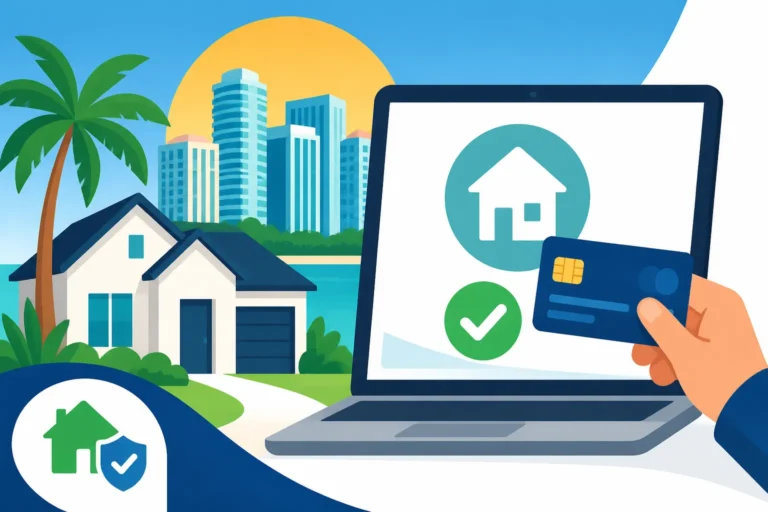
The Orange County Treasurer-Tax Collector accepts major credit and debit cards, including Visa, MasterCard, Discover, and American Express. This offers a great deal of flexibility, especially if you want to earn rewards points or need a little extra time before the funds leave your bank account. However, it's important to be aware that a convenience fee is typically associated with credit and debit card payments. This fee is charged by the third-party processor, not the county, and can add a small percentage (often around 2.25-2.35%) to your total payment. While it might seem small, on a large property tax bill, this can add up to a significant amount. Always check the exact fee before confirming your payment.
The alternative, and often preferred method for many, is paying via e-check (ACH). This involves providing your bank account and routing numbers, allowing the funds to be directly debited from your checking or savings account. The major advantage here is that e-check payments are generally free of charge or have a very minimal flat fee. This can save you a good chunk of change compared to using a credit card. While it doesn't offer the credit card rewards, avoiding fees is usually the primary goal for most homeowners. Choose the option that best suits your financial situation and preference for fees versus rewards.
Confirming Your Payment and Keeping Records
After selecting your payment method and inputting your details, you'll be prompted to review and confirm your payment. This is your last chance to double-check everything: the payment amount, your property information, and the payment method chosen. Once you click "submit," the transaction is processed.
Immediately after a successful payment, the system will provide you with a confirmation number. This number is your proof of payment and is absolutely vital. Think of it as your digital receipt. You should always print this page, or at the very least, save it as a PDF and take a screenshot. Keeping detailed records of your property tax payments is crucial for several reasons. It helps you track your expenses, provides proof in case of any discrepancies with the Treasurer-Tax Collector's office, and is essential for tax purposes when you're filing your federal and state income taxes. Don't underestimate the power of good record-keeping – it can save you a lot of headaches down the line.
Key Due Dates, Penalties, and Avoiding Late Payments
Missing a property tax deadline can feel like a punch to the gut, immediately followed by the sting of late penalties. The California property tax system, including Orange County's, operates on a very specific schedule, and the Treasurer-Tax Collector's office is diligent about enforcing these dates. Being proactive and understanding these timelines is your best defense against unnecessary fees. You can get a general idea of these dates in our article on property tax due dates by state.
Critical Deadlines for Orange County Property Taxes
In Orange County, annual secured property taxes are typically split into two installments, each with its own crucial deadline.
The first installment is due on November 1st. However, you have a grace period, and it officially becomes delinquent if not paid by 5:00 PM on December 10th. If December 10th falls on a weekend or holiday, the delinquency date is extended to the next business day. The date of payment for online transactions is the date the payment is confirmed, not necessarily when the funds are debited from your account, so make sure to complete the transaction well before the deadline.
The second installment is due on February 1st of the following year. Similar to the first, it becomes delinquent if not paid by 5:00 PM on April 10th. Again, if April 10th lands on a weekend or holiday, the deadline shifts to the next business day. This two-installment system is common across California and helps homeowners spread out the financial impact of their annual tax bill. However, it also means remembering two distinct deadlines that are months apart.
It’s tempting to wait until the last minute, but a technical glitch or an unexpected internet outage on December 10th or April 10th could lead to a late payment and penalty. It's always best to aim to pay a few days before the official delinquency date to give yourself a buffer.
Understanding Penalties for Delinquent Payments
The state of California, and by extension Orange County, is quite strict when it comes to late property tax payments. The penalties are designed to be a strong incentive for timely payment, and they can add up quickly.
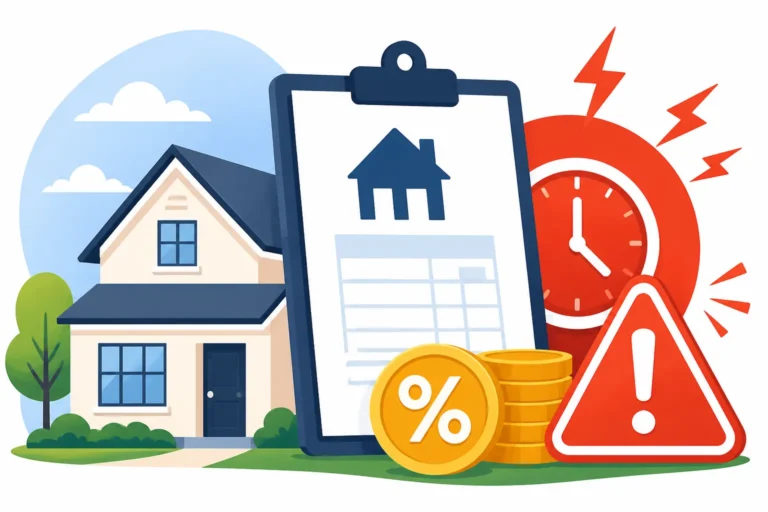
If your first installment is not paid by the 5:00 PM deadline on December 10th, a 10% penalty is immediately applied to that installment. This isn't a small service charge; it's a significant chunk of money. For example, if your first installment was $3,000, a late payment means you'll suddenly owe an extra $300.
Similarly, if your second installment is not paid by the 5:00 PM deadline on April 10th, another 10% penalty is applied to that installment. On top of that, an additional $33 cost is added to the second installment. These penalties are non-negotiable in most cases, except under very specific circumstances like a natural disaster or administrative error by the county.
If taxes remain unpaid for an even longer period, the property can go into "tax default." This triggers additional penalties, interest charges, and eventually, after five years, the property could be subject to a tax sale, leading to foreclosure. This is why understanding what happens if you don't pay property taxes is so critically important. It really underscores why staying on top of these deadlines is not just about avoiding a minor fee but protecting your home.
Proactive Strategies to Manage Your Tax Bill
Avoiding those dreaded late payment penalties requires a bit of foresight and organization. Luckily, there are several proactive strategies you can employ to ensure you never miss an Orange County property tax deadline.
First and foremost, set multiple reminders. Don't just rely on the paper bill arriving in your mailbox. Mark the delinquency dates (December 10th and April 10th) on your digital calendar, set alerts on your phone, and even write them down on a physical calendar if that works for you. Set reminders a week or two before the deadline, and then again a few days prior, giving you ample time to make the payment and account for any unforeseen issues.
Many homeowners choose to have their property taxes paid through an escrow or impound account as part of their mortgage payment. If you have a mortgage, your lender often collects a portion of your annual property taxes with each monthly mortgage payment and then pays the county directly on your behalf. This takes the burden off you entirely and ensures payments are made on time. If you're confused about how this works, our explanation of escrow and impound accounts can shed some light. If you're in the market for a new mortgage or refinancing, companies like LendingTree can connect you with lenders who offer escrow services, making it easier to budget for property taxes.
Finally, consider using personal finance tools to help track your property's financial obligations. Apps or platforms like Stessa, designed for property owners, can help you keep an eye on your property's assessed value, track expenses, and remind you of important due dates. While they don't directly pay your taxes, they provide a centralized place to manage all aspects of your property finances, making it easier to stay organized and proactive about your tax bill. Regularly reviewing your property's assessment and understanding how property tax assessment and reassessment explained can also help you anticipate future bills.
Here's a quick summary of Orange County's key property tax dates and penalties:
| Installment | Due Date | Delinquent Date (5:00 PM) | Penalty for Late Payment |
|---|---|---|---|
| First | November 1 | December 10 | 10% of unpaid installment |
| Second | February 1 | April 10 | 10% of unpaid installment + $33 Cost |
Other Payment Methods and Support Resources
While paying online is convenient, it's not the only way to handle your Orange County property tax bill. Sometimes, circumstances call for alternative methods, or you might simply prefer a more traditional approach. Knowing all your options and where to turn for help can save you a lot of stress. Also, if you ever feel your assessment is too high, understanding how to appeal property taxes might be a valuable resource.
Exploring Alternative Payment Channels
Even with the ease of online payments, other methods are still available and widely used by Orange County residents.
The tried-and-true method is paying by mail. You can send a check or money order directly to the Orange County Treasurer-Tax Collector's office. The critical thing to remember with mail payments is the postmark rule. Your payment is considered timely if it is postmarked by the U.S. Postal Service on or before the delinquency date (December 10th or April 10th). A simple drop in a mailbox on the due date might not be enough; make sure it's postmarked on time. It's often a good idea to send it certified mail with a return receipt if you're mailing close to the deadline, just for extra proof.
For those who prefer face-to-face transactions, in-person payments are accepted at the Orange County Treasurer-Tax Collector's office, located in Santa Ana. This option allows you to pay by cash, check, or money order directly at the counter. Be aware of office hours and potential lines, especially as deadlines approach. It's a solid option if you need a physical receipt immediately or have specific questions for staff.
Finally, for very large payments, typically for commercial properties or major investors, wire transfers might be an option. However, this is generally not recommended for the average residential homeowner due to complexity and potential fees. Always contact the Treasurer-Tax Collector's office directly if you're considering this method.
Getting Help and Information
No matter how prepared you are, questions or issues can arise. Whether it's a confusing charge on your bill or a technical problem with an online payment, knowing where to get reliable help is essential.
Your first and best resource is always the Orange County Treasurer-Tax Collector's office itself. They have staff dedicated to answering taxpayer questions. You can typically find their contact information (phone number and email) on your tax bill and prominently displayed on their official website. Don't hesitate to call them if something on your bill doesn't make sense, or if you encounter an error during an online payment. They are there to assist you.
Beyond direct contact, the Treasurer-Tax Collector's website usually hosts a comprehensive FAQ section and other online resources. These often cover common questions about payment methods, due dates, penalties, and how to interpret different parts of your bill. It's a good place to start for quick answers before picking up the phone. For general information about how your property taxes are set, exploring resources like "Who Sets Property Tax Rates?" can offer valuable context.
For more complex financial planning related to your property, especially if you own multiple properties, platforms like Stessa can help you track expenses, income, and even estimate potential tax liabilities. While they don't provide tax advice, they give you the data you need to make informed decisions and ask the right questions to tax professionals. Staying informed and organized is key to managing your property taxes effectively in Orange County.
Disclaimer
This article is for general informational purposes only and does not constitute professional advice. Laws and regulations vary by location and change over time. Consult a qualified professional for guidance on your specific situation.