How Do Tax Lien Certificates Work?
It's a frustrating reality for many homeowners: those property tax bills keep coming, year after year, sometimes increasing in ways that feel completely out of our control. But what happens on the other side of that equation when someone can't pay their property taxes? That's where the complex, often misunderstood world of tax lien certificates comes into play. This guide will walk you through exactly how these certificates work, from the government's perspective to what they mean for potential investors and property owners alike.
What Exactly Are Tax Lien Certificates?
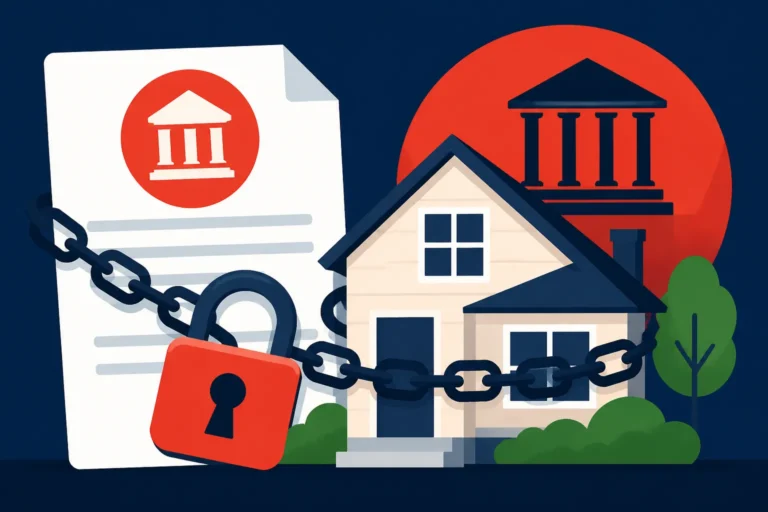
Let's cut right to the chase: a tax lien certificate isn't just a fancy piece of paper. It's a critical component of how local governments ensure they can continue to fund essential services, even when property owners fall behind on their tax obligations. It represents a legal claim on a property due to unpaid taxes, and understanding its function is key to grasping this unique financial instrument.
The Basics of Unpaid Property Taxes
Every year, homeowners across the country receive their property tax bills. These taxes are the lifeblood of local communities, funding everything from public schools and libraries to police and fire departments, road maintenance, and local parks. They are a mandatory payment, and when they go unpaid, it creates a significant hole in the local budget. It's not just a minor oversight; it's a direct threat to the financial stability of a town or county. For many homeowners, falling behind on these payments can feel overwhelming, leading to a spiral of stress and uncertainty about their future.
When a property owner fails to pay their taxes by the designated due date, usually in installments or by a specific deadline, the property is considered delinquent. This is where the local tax authority, often the county or municipal government, steps in to recoup those lost funds. They have a legal mechanism to do so, which involves placing a lien against the property. This lien essentially acts as a public notice that the property owner owes taxes and that the government has a claim on the property until those taxes are paid.
How Governments Use Tax Liens to Recoup Funds
Once property taxes become delinquent, the taxing authority, such as the county tax collector's office in Florida or the treasurer's office in Arizona, won't just sit idly by. They need that revenue. To get it, they often turn to tax lien sales. Instead of immediately foreclosing on a property, which can be a lengthy and costly process, many states opt to sell the tax lien to private investors. This allows the government to get its money almost immediately, injecting much-needed funds back into public services.
Think of it this way: the government needs $5,000 in unpaid taxes from a property. Instead of waiting for the homeowner to pay or going through a complex foreclosure, they offer the right to collect that $5,000 (plus interest and penalties) to an investor. The investor pays the government the $5,000, and in return, receives a tax lien certificate. This certificate is the investor's proof that they now hold the lien on the property. This process essentially transfers the government's claim on the property to a private party, who then has the right to collect the delinquent taxes plus statutory interest from the property owner. To understand more about the consequences, you can read our guide on what happens if you don't pay property taxes.
The Legal Framework of Tax Lien Certificates
A tax lien certificate is a powerful legal document. It officially records that an investor has paid the delinquent property taxes on a specific parcel of land. More importantly, it grants the investor the right to collect the original tax amount, plus a state-mandated interest rate, from the property owner. The specific rules governing these certificates, including interest rates, redemption periods, and foreclosure procedures, vary significantly from state to state and even by county.
For example, in a state like New Jersey, tax lien certificates can carry a high interest rate, making them attractive to investors, but they also come with a strict set of rules about how and when an investor can initiate foreclosure proceedings if the lien isn't redeemed. Conversely, states like New York operate under a different system, where the tax lien might be sold but the path to ownership is less direct for the certificate holder. The key takeaway is that the certificate itself is not ownership of the property; it's a claim for a debt. The property owner retains ownership, but with a significant cloud on their title until the lien is satisfied. This system ensures local governments receive their funds, while offering a potential investment opportunity for individuals.
How the Tax Lien Certificate Process Works for Investors
For an investor, delving into tax lien certificates can seem like a treasure hunt with potentially high rewards. However, it's a market that demands diligent research and a clear understanding of the intricate steps involved. It’s not simply about buying a certificate; it’s about navigating a specific legal and financial process.
Finding and Researching Tax Lien Auctions
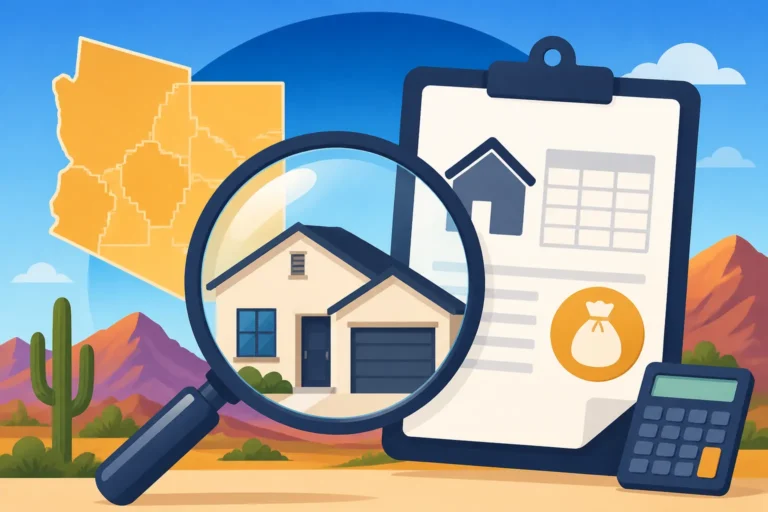
The first step for any aspiring tax lien investor is locating where these certificates are sold. Tax lien sales are typically conducted by county or municipal governments, often through their treasurer, tax collector, or assessor's office. Many of these auctions are now held online, though some still occur in person. Websites for counties like Maricopa County, Arizona, or Miami-Dade County, Florida, will often list upcoming tax lien sales and provide portals for registration and bidding.
Before even thinking about bidding, thorough due diligence is absolutely paramount. You're not just buying a certificate; you're buying a claim on a real piece of property, and it's your responsibility to know what you're getting into. This means:
- Property Inspection: While you can't enter the property without permission, you can drive by and assess its condition, neighborhood, and surroundings. Is it a vacant lot in a desirable area, or a dilapidated home in a flood zone?
- Title Search: This is crucial. You need to know if there are other liens on the property, such as mortgages, federal tax liens, or other municipal liens, that might outrank your tax lien. While tax liens often hold a superior position, understanding the full scope of encumbrances is vital. This will inform your potential future costs and risks.
- Property Value Assessment: What is the actual market value of the property? This helps you determine if the investment makes sense, especially if you foresee a scenario where you might have to initiate a foreclosure to recover your investment. For a deeper dive, consider understanding the nuances between assessed value vs market value vs taxable value.
- Understanding Local Laws: Each county and state has specific rules regarding interest rates, redemption periods, and foreclosure processes. Ignorance of these laws can lead to costly mistakes. For example, some states are "tax lien states" while others are "tax deed states," and the path to potential ownership differs greatly.
The Bidding Process: What to Expect
Tax lien auctions aren't like traditional real estate auctions where the highest bidder wins the property. Instead, investors are bidding on the interest rate they are willing to accept on the lien, or in some cases, a premium over the lien amount.
Here's how it generally works:
- Bidding Down the Interest Rate: In many states, the county sets a maximum interest rate (e.g., 16% in Arizona). Investors then bid down from that maximum rate. The investor willing to accept the lowest interest rate wins the certificate. So, if you bid 5% and no one bids lower, you win the lien at a 5% annual interest rate.
- Premium Bidding: In other states, like Florida, the interest rate is fixed (e.g., up to 18% per year), and investors bid on a premium they are willing to pay above the actual tax amount. The investor bidding the highest premium wins. This premium is typically forfeited if the lien is redeemed, so it's a trade-off.
- Random Selection/Rotation: Less common, but some jurisdictions might use a random selection or rotation method if multiple bidders are willing to accept the minimum interest rate.
The bidding process can be competitive, especially for liens on desirable properties or in popular counties. It requires quick thinking and a pre-determined maximum bid based on your due diligence. After a successful bid, the investor pays the delinquent tax amount (plus any fees or premiums) to the county, and in return, receives the tax lien certificate. This payment immediately reimburses the local government for the unpaid taxes.
Earning Interest and the Redemption Period
Once you hold a tax lien certificate, the waiting game begins. The core of a tax lien investment is earning the statutory interest. The property owner has a specific timeframe, known as the redemption period, to pay back the delinquent taxes plus all accrued interest and penalties to the certificate holder. This period can range from a few months to several years, depending on state law. For example, Texas has a statutory redemption period for properties sold at tax deed sales, which is related but distinct from tax lien certificates directly. Our guide on redemption periods & tax foreclosure provides more detail.
- If the Lien is Redeemed: In most cases, the property owner does redeem the lien. They pay the delinquent taxes, interest, and any associated fees to the county, which then forwards the full amount to the investor. This is the ideal outcome for most tax lien investors: a relatively safe, high-yield return without ever having to take ownership of the property. For example, if you bought a $5,000 lien at 10% interest, and it's redeemed after one year, you get your $5,000 back plus $500 in interest.
- If the Lien is Not Redeemed: This is where the process becomes more complex. If the property owner fails to redeem the lien within the statutory redemption period, the investor typically gains the right to initiate foreclosure proceedings on the property. This means the investor can, through a legal process, take ownership of the property. This is rarely the primary goal for most tax lien investors, as foreclosure is expensive, time-consuming, and carries its own set of risks and responsibilities (e.g., assuming existing mortgages or other superior liens). However, it is the ultimate recourse and what gives the tax lien its power.
It's important to remember that most tax liens are redeemed. Investors who are primarily interested in acquiring property through tax sales often look at tax deeds rather than tax liens, which represent direct ownership rather than a claim for debt. We have a detailed article explaining tax deed sales for further information.
Understanding the Risks and Rewards
Investing in tax lien certificates can be an intriguing proposition, offering the potential for attractive returns. However, like any investment, it's accompanied by its own set of risks and requires careful consideration. It's vital to have a balanced perspective before diving in.
The Promise of High Returns
One of the primary draws of tax lien certificates is the potential for high-interest returns. Many states offer statutory interest rates on tax liens that are significantly higher than what you might find in traditional savings accounts or even some bonds. For instance:
- Arizona: Can offer up to 16% interest per year on tax liens.
- Florida: Has a maximum interest rate of 18% per year.
- Illinois: Often sees rates around 18% per year.
- New Jersey: Also features attractive interest rates, making it a popular state for these types of investments.
These rates are often fixed by state law and can be very appealing, especially in a low-interest-rate environment. For an investor, getting a guaranteed 8-18% return on a relatively secure investment (backed by real estate) can be a compelling opportunity. The security comes from the fact that property taxes are senior liens, meaning they take precedence over most other liens, including mortgages, if a property goes to foreclosure. This preferential status makes them a more stable investment than many other types of debt.
The Risks: Redemption, Foreclosure, and Due Diligence
While the high-interest rates are attractive, several risks need to be carefully evaluated:
- High Redemption Rates: The biggest "risk" for an investor hoping to acquire property is that the vast majority of tax liens are redeemed. Property owners, often spurred by notification or the desire to avoid losing their home, will eventually pay the delinquent taxes and interest. This means investors frequently get their initial investment back plus interest, but rarely acquire the property. If your primary goal is property acquisition, tax liens might not be the most direct path.
- Complex Foreclosure Process: If a lien isn't redeemed, the path to ownership isn't automatic or simple. The investor must initiate a legal foreclosure process, which can be expensive, time-consuming, and requires legal representation. This involves court fees, attorney fees, and the risk of unexpected delays. Even after foreclosure, the property might have other issues like hidden defects, environmental hazards, or existing occupants that complicate matters.
- Due Diligence Failures: A major risk comes from inadequate research. If an investor fails to uncover prior liens (though tax liens are often superior, exceptions exist), environmental issues, or structural problems with the property, they could inherit significant liabilities. Imagine acquiring a property only to find out it has a $50,000 cleanup bill for hazardous materials. This highlights why thorough due diligence is non-negotiable.
- Lack of Liquidity: Tax lien certificates are not highly liquid investments. You can't just sell them off quickly like stocks. You have to wait for the redemption period to expire or for the property owner to pay.
States That Issue Tax Lien Certificates
It's crucial to understand that not all states operate under a tax lien certificate system. Some states prefer tax deed sales, where the county directly sells the property itself (or the deed to it) to recoup delinquent taxes, rather than selling the lien.
States that primarily use tax lien certificate systems include:
| State | Redemption Period (Typical) | Maximum Interest Rate (Approx.) |
|---|---|---|
| Arizona | 3 years | 16% |
| Florida | 2 years | 18% |
| Illinois | 2-2.5 years | 18% |
| New Jersey | 2 years | 18% |
| Maryland | 6 months – 2 years | 6-18% (varies) |
| South Carolina | 1 year | 12% |
| Alabama | 3 years | 12% |
| Colorado | 1 year | 9-15% (varies annually) |
| Indiana | 1 year | 10% |
| Ohio | 1 year | 18% |
Note: Interest rates and redemption periods are subject to change by state law and can vary based on specific county ordinances or bidding outcomes.
Conversely, states like Texas, California, and New York primarily conduct tax deed sales or similar direct property sales, where winning bidders acquire the deed to the property directly rather than just a lien. Understanding this distinction is fundamental before you even begin your investment journey. Our article Tax Lien States vs Tax Deed States offers a comprehensive comparison of these two systems.
Tips for Navigating the Tax Lien Market
The tax lien market, while potentially lucrative, is not a "set it and forget it" investment. It requires a thoughtful, strategic approach, especially for those just starting out. Here are some actionable tips to help you navigate this unique landscape.
Essential Research and Due Diligence Steps
We've touched on this before, but it bears repeating: proper research and due diligence are the bedrock of successful tax lien investing. Skipping these steps is akin to walking blindfolded through a minefield.
- Understand the Property: Beyond just driving by, use online resources to pull up property records. Many county websites offer property search tools. Look for details on lot size, building square footage, construction year, and zoning. Check for any reported environmental hazards or outstanding code violations.
- Verify Lien Seniority: While tax liens are generally senior, it's crucial to verify this for each specific property. A full title search conducted by a professional can reveal any superior liens or other encumbrances that could complicate a future foreclosure or diminish the property's value. You want to ensure you're not walking into a situation where you might have to pay off other significant debts.
- Calculate Potential Returns and Costs: Don't just look at the maximum interest rate. Factor in any premiums you might bid, potential legal fees for foreclosure (even if it's unlikely), and the opportunity cost of having your capital tied up during the redemption period. Use a spreadsheet to model different scenarios, considering various redemption timelines.
- Local Market Analysis: Is the property located in an area with appreciating values or a struggling market? If you do end up with the property, you'll want to ensure it has resale potential or can generate rental income. Platforms that aggregate property data can be useful here, though direct county assessor sites remain paramount. Understanding local property tax trends 2026 can also give you context.
Starting Small and Diversifying Your Approach
For beginners, it's easy to get excited by the high-interest rates and potentially jump in with both feet. However, a more prudent strategy involves starting small and diversifying your investments.
- Begin with Smaller Liens: Don't invest a large portion of your capital into a single, high-value tax lien right away. Start with smaller liens, perhaps those with lower tax amounts, to get a feel for the process. This allows you to learn the ropes without risking significant capital.
- Spread Your Investments: Instead of putting all your money into one county or one type of property, consider diversifying across different counties or even different types of properties (residential, commercial, vacant land). This can help mitigate risk. If one area experiences economic downturn or changes its tax lien laws, your entire portfolio won't be affected.
- Understand Your Goals: Are you in it purely for the interest income, or are you genuinely hoping to acquire property? Your strategy should align with your goals. If you're after property, you might look for liens on properties with low market values relative to the tax owed, but be prepared for the foreclosure process.
When to Consider Professional Guidance
While it's absolutely possible to invest in tax lien certificates on your own, especially after thorough self-education, there are times when professional guidance is invaluable.
- Legal Expertise: If a lien approaches the end of its redemption period and you need to initiate foreclosure, consulting a real estate attorney who specializes in tax sales is non-negotiable. The legal process is complex, and mistakes can be costly. An attorney can ensure all legal steps are correctly followed, protecting your rights as a lienholder.
- Due Diligence Assistance: For complex properties or if you're new to real estate, consider hiring a title company or a real estate agent for assistance with title searches and property valuations. While you can do much of this yourself, professionals have access to more comprehensive databases and can spot red flags you might miss.
- Tax Implications: Understanding the tax implications of your investment is crucial. Interest earned from tax lien certificates is generally taxable income. Consult with a tax advisor to understand how these investments affect your overall tax situation.
- When in Doubt: If any part of the process feels overwhelming or unclear, don't hesitate to seek professional advice. The cost of a consultation is often far less than the potential cost of a mistake. Resources like LendingTree can connect individuals with various financial products, but for specialized tax lien investment advice, look for experts in real estate law or tax lien investing. Similarly, for managing a property post-acquisition, tools like Stessa can help track income and expenses, but they are not directly involved in the tax lien acquisition process itself.
Investing in tax lien certificates offers a unique avenue to potentially strong returns, but it demands respect for its complexities. With diligent research, a cautious approach, and a willingness to seek expert help when needed, you can navigate this market effectively.
Disclaimer
The information provided in this guide is for general informational purposes only and should not be construed as financial, legal, or investment advice. Property tax laws, interest rates, and redemption periods vary significantly by state and local jurisdiction and are subject to change. Always consult with qualified legal and financial professionals before making any investment decisions related to tax lien certificates.