Pay Miami-Dade County Property Tax Online
Dealing with property taxes can feel like navigating a complex maze, especially when you're trying to figure out the best way to pay them without a headache. For homeowners in Miami-Dade County, the good news is that paying your property taxes online offers a convenient and secure way to handle this essential responsibility, saving you time and stress. This comprehensive guide will walk you through everything you need to know about successfully paying your Miami-Dade County property taxes right from your computer or phone.
Understanding Your Miami-Dade Property Tax Bill
Before you even think about hitting that "pay now" button, it's absolutely crucial to understand what you're actually paying for. Property taxes in Miami-Dade County, much like the rest of Florida, are a significant annual expense for homeowners, and knowing the ins and outs of your bill can prevent a lot of confusion and potential issues down the road. It’s not just one lump sum from a single entity; it's a breakdown of various charges that support local services.
Decoding Your Notice of Proposed Property Taxes TRIM Notice
Every August, if you own property in Florida, you'll receive a document that often causes a collective gasp: the Notice of Proposed Property Taxes, more commonly known as the TRIM (Truth in Millage) Notice. This isn't your final bill, but it's arguably the most important piece of mail you'll get all year regarding your property taxes. It's your sneak peek at what the tax assessor thinks your property is worth and how much different taxing authorities plan to charge you.
The TRIM Notice provides a detailed breakdown of your property's market value, its assessed value, and any exemptions you currently have applied. More importantly, it lists the proposed millage rates from all the local taxing authorities, like Miami-Dade County, the Miami-Dade Public Schools, various municipalities, and special districts. This notice also shows the previous year's taxes for comparison, giving you a clear picture of any potential increases. This is your chance to understand how the proposed rates will impact your wallet and, critically, your window to file a petition to appeal if you believe your property's assessed value is incorrect. For more details on this process, you might want to read our guide on how to appeal property taxes.
Key Information on Your Final Tax Bill
Fast forward a couple of months, usually in late October or early November, and your official Miami-Dade County property tax bill arrives. This is the real deal. It consolidates all the proposed values and rates from your TRIM notice into a final, binding amount you owe. This bill will clearly state your property's folio number (a unique identifier), the owner's name, the property address, and the final assessed value.
Beyond that, your tax bill will itemize the specific taxes levied by each taxing authority. You'll see separate lines for county operating taxes, municipal taxes (if you live within a city limit), school taxes, water management district taxes, and any special assessments for things like solid waste or stormwater utilities. It's important to cross-reference this with your TRIM notice to ensure consistency, especially if you filed an appeal. The bill will also prominently display the due date (typically November 1st) and, uniquely to Florida, the schedule of available discounts for early payment, which we'll dive into shortly. Knowing how to read your property tax bill can really help you stay on top of your finances.
Why Pay Your Miami-Dade Property Taxes Online?
In today's fast-paced world, convenience is king, and paying bills shouldn't add unnecessary stress to your life. For Miami-Dade County property owners, opting for online property tax payment isn't just a modern trend; it's a practical choice packed with benefits that save time, reduce hassle, and provide peace of mind. Let's face it, nobody wants to spend their valuable time waiting in line or sifting through stacks of paper.
Convenience and Accessibility
One of the biggest advantages of paying your property taxes online is the sheer convenience. Imagine being able to complete this important task from the comfort of your couch, at your kitchen table, or even while traveling, any time of day or night. There's no need to battle Miami traffic to get to a tax collector's office, find parking, or stand in a queue during peak payment seasons. The official Miami-Dade Tax Collector's website is accessible 24/7, allowing you to pay when it suits your schedule, not theirs.
This accessibility is particularly beneficial for busy professionals, parents juggling multiple responsibilities, or individuals with mobility challenges. Whether it's 3 AM or 3 PM, as long as you have an internet connection, you can manage your property tax obligation. It transforms a potentially time-consuming errand into a quick, straightforward transaction. For property owners who live out of state or manage investment properties from afar, this online option is invaluable, removing geographical barriers entirely.
Security and Record-Keeping
When it comes to financial transactions, security is always a top concern. Rest assured, official government websites, like the one used by Miami-Dade County, employ robust encryption and security protocols to protect your personal and financial information. This means your data is far more secure than, say, sending a check through the mail where it could get lost or intercepted. You're typically directed to a secure payment portal where your information is handled with the utmost care.
Beyond security, online payments offer unparalleled record-keeping capabilities. Once your payment is processed, you'll receive an instant confirmation number and often an email receipt. This digital trail serves as immediate proof of payment, which is incredibly valuable for your financial records. No more worrying about whether your check arrived or if it was processed correctly. This digital record also simplifies budgeting and tax preparation, especially for those managing multiple properties. Platforms like Stessa, for instance, can easily integrate these digital payment confirmations into your overall property financial tracking, making life much easier come tax time.
Step-by-Step Guide to Online Payment in Miami-Dade County
Ready to take the plunge and pay your Miami-Dade County property taxes online? It's a surprisingly straightforward process once you know where to go and what to expect. Think of it less like a bureaucratic hurdle and more like online shopping for a service you absolutely need to pay for! Following these steps will help ensure a smooth transaction and prevent any last-minute payment panic.
Navigating the Official Miami-Dade Tax Collector Website
The first and most critical step is to make sure you're on the official website. For Miami-Dade County property taxes, you'll want to head to the Miami-Dade Tax Collector's Office, which operates under the Miami-Dade Clerk of the Courts. A quick search for "Miami-Dade Property Tax Collector" will typically lead you to the correct portal. Once there, look for a clear link or section related to "Property Tax Search & Pay" or similar.
You'll usually be prompted to search for your property. The most reliable way to do this is by entering your property's folio number. This unique 13-digit identifier is found on your TRIM notice and your final tax bill. If you don't have it handy, you can also search by owner name or property address, though these methods might yield multiple results, requiring you to confirm you've selected the correct parcel. Once you've located your property, the system will display your current tax balance, payment history, and available payment options.
Choosing Your Payment Method
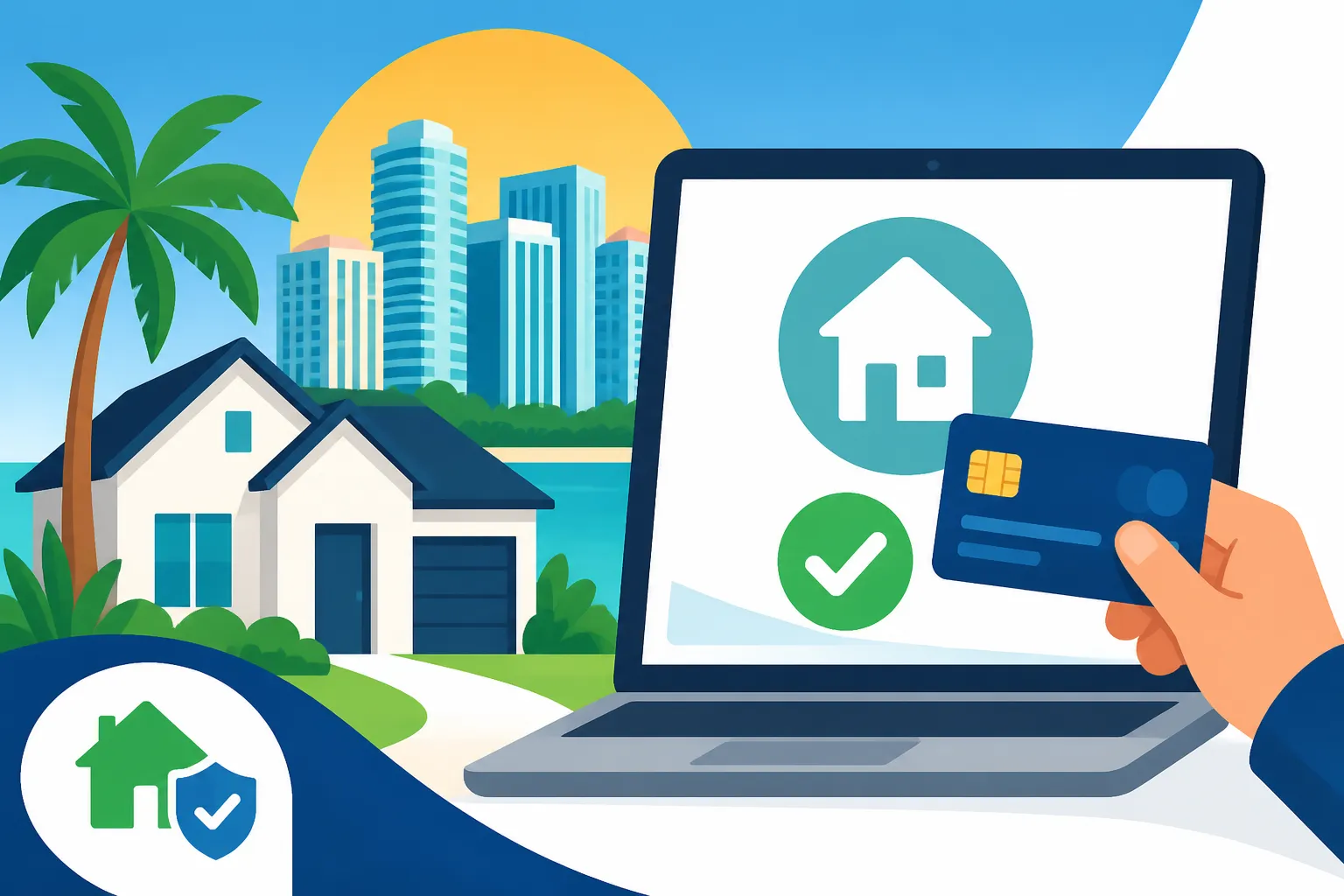
After confirming your property details and the amount due, the website will present you with various payment options. Miami-Dade County typically accepts two primary methods for online property tax payments: eCheck (also known as ACH or electronic check) and credit/debit cards. It's vital to understand the difference, especially regarding fees.
Paying by eCheck directly links to your bank account using your routing and account numbers. This method often comes with a flat, nominal convenience fee, or sometimes even no fee at all, making it the most cost-effective option for many. Credit or debit card payments, on the other hand, usually incur a percentage-based convenience fee charged by the third-party payment processor. This fee can vary but typically ranges from 2% to 2.5% of your total payment. While it offers flexibility and potential rewards points, it can add a significant amount to your bill, especially for larger tax sums. Choose the method that best suits your financial situation, being mindful of any additional charges.
Confirming Your Payment and Receiving Proof
Once you've selected your payment method and entered the necessary financial details, the system will lead you to a final review screen. Do not skip this step! Carefully verify all the information: the property folio number, the amount you're paying, and your chosen payment method. A small error here could lead to your payment being misapplied or rejected, causing delays and potentially penalties.
After confirming everything looks correct, submit your payment. You should immediately receive a payment confirmation number on the screen. It's highly recommended to print this page or save it as a PDF for your records. Additionally, an email confirmation will typically be sent to the address you provided. This email, along with the on-screen confirmation, serves as your official proof that the payment was initiated successfully. Keep these records safe. This kind of detailed record-keeping is crucial for managing your home's finances, especially if you use tools like Stessa to track your investment property expenses or simply want to stay organized for your personal residence.
Important Considerations for Online Tax Payments
While paying your property taxes online offers unparalleled convenience, there are a few critical details you absolutely cannot overlook. These aren't just minor footnotes; they can significantly impact your wallet and potentially lead to unwanted complications if ignored. Understanding these nuances is key to a truly stress-free property tax experience in Miami-Dade County.
Understanding Payment Deadlines and Discounts
Florida has a unique system when it comes to property tax payments: they offer incentives for paying early! Your Miami-Dade County property tax bill is mailed out around the first of November and is officially due by March 31st of the following year. However, if you pay sooner, you can take advantage of substantial discounts:
- November: 4% discount
- December: 3% discount
- January: 2% discount
- February: 1% discount
- March: No discount, pay the full amount
After March 31st, your taxes become delinquent, and penalties and interest will begin to accrue, typically at a rate of 18% per year. The longer you wait, the more you’ll owe, so it pays (literally) to be prompt. Many homeowners with mortgages have their property taxes handled through an escrow account, where the lender collects a portion with each mortgage payment and pays the tax bill on time. However, if you've paid off your mortgage or don't have an escrow account, this responsibility falls squarely on your shoulders. Be sure to mark these dates on your calendar! You can explore more about Property Tax Due Dates by State to see how Florida compares.
Common Issues and Troubleshooting
Even with the convenience of online payments, sometimes things don't go exactly as planned. Technical glitches, incorrect information entry, or payment processing delays can occur. If you encounter an issue, don't panic. First, double-check your internet connection and ensure you're using a supported browser. Sometimes simply trying again after a few minutes, or using a different browser, can resolve a temporary snag.
If your payment doesn't seem to go through, or you receive an error message, carefully read the message for clues. It could be as simple as an expired credit card or incorrect bank account numbers. If you suspect a technical issue on the county's end or you're unsure about the status of a payment, contact the Miami-Dade Tax Collector's Office directly. Have your property folio number, the date and time of your attempted payment, and any error messages ready. It’s also wise to check your bank or credit card statement a few business days after an online payment to confirm the transaction cleared successfully. Should you ever find yourself struggling to make a property tax payment, resources like LendingTree can provide insights into various financing options, including personal loans or refinancing, that might offer a temporary solution during tight financial periods.
Alternatives and Property Tax Assistance Programs
While paying online is often the preferred method for its ease and efficiency, it's not the only way to handle your property taxes in Miami-Dade County. Moreover, understanding the various relief programs available can significantly lighten your financial burden, regardless of how you choose to pay. It’s about being informed and proactive in managing your homeownership costs.
Exploring Exemptions and Relief Programs
Miami-Dade County, like the rest of Florida, offers several property tax exemptions that can reduce your taxable value and, consequently, your annual tax bill. The most well-known is the Florida Homestead Exemption. This exemption, for primary residences, can reduce your property's assessed value by up to $50,000, leading to substantial savings. To qualify, you must own the home and make it your permanent residence as of January 1st of the tax year. The deadline to apply is typically March 1st.
Beyond the homestead exemption, other significant programs exist. Seniors aged 65 and older who meet certain income requirements may qualify for additional exemptions. Veterans, especially those with disabilities, can also receive considerable relief, with some disabled veterans eligible for a 100% exemption. There are also exemptions for widows, individuals with disabilities, and active military service members. These exemptions aren't automatically applied; you must actively apply for them through the Miami-Dade County Property Appraiser's Office. Knowing how to qualify for a property tax exemption can be a game-changer for your budget.
Other Payment Methods and Assistance
While this guide focuses on the convenience of online payments, it's good to know your other options. If online payment isn't feasible for you, or you prefer traditional methods, you can still pay your Miami-Dade County property taxes by mail using a check or money order. Ensure you include your payment coupon from the tax bill and mail it well in advance of the deadline to avoid late penalties. You can also pay in person at one of the Miami-Dade Tax Collector's office locations. Be aware that in-person payments can often involve longer wait times, especially closer to the March 31st deadline.
For those facing financial hardship, Miami-Dade County sometimes offers installment payment plans, allowing you to pay your taxes in quarterly installments. This option can help spread out the cost, making it more manageable. Eligibility requirements and application deadlines apply, so it’s best to inquire directly with the Miami-Dade Tax Collector's Office if this is something you might need. Remember, there are resources available, and understanding all your options for How to Pay Property Taxes: Complete Guide can provide even more clarity.
Here's a quick look at Miami-Dade County's property tax payment discounts:
| Payment Month | Discount Applied | Deadline for Discount |
|---|---|---|
| November | 4% | November 30th |
| December | 3% | December 31st |
| January | 2% | January 31st |
| February | 1% | February 28th/29th |
| March | 0% (Full Amount) | March 31st |
Disclaimer
The information provided in this article is for general informational purposes only and does not constitute financial, legal, or tax advice. Property tax laws and procedures can change, and individual circumstances vary. Always consult with a qualified professional or the official Miami-Dade County Tax Collector's Office and Property Appraiser's Office for the most accurate and up-to-date information regarding your specific property tax obligations and eligibility for exemptions.