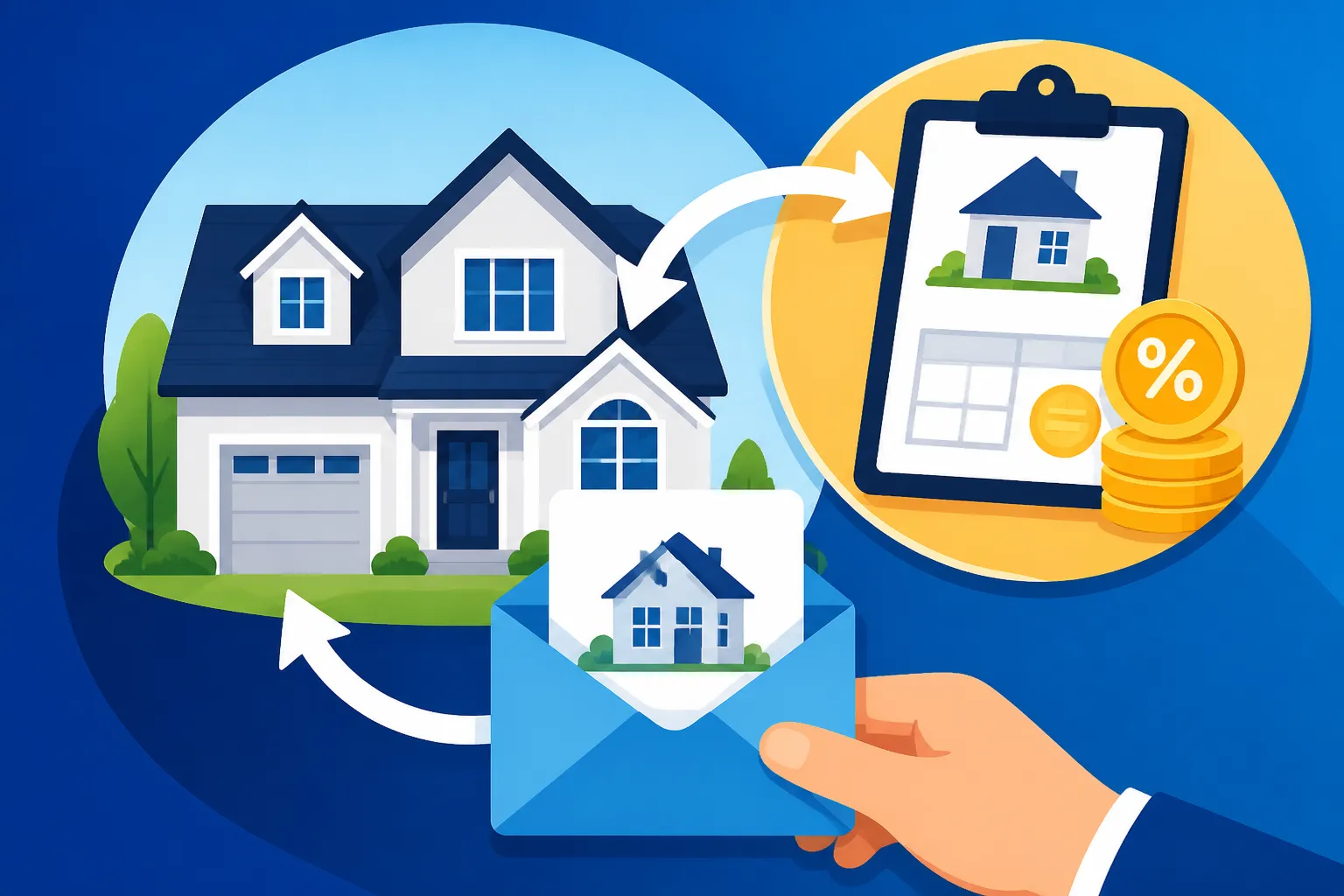
Why Is My Property Tax in My Mortgage Payment?
Many homeowners experience a bit of sticker shock when they first look at their mortgage statement and see a payment that's significantly higher than just the principal and interest they expected. It's a common point of confusion, and often frustration, when you realize your property taxes, and sometimes even your homeowner's insurance, are bundled right into that monthly mortgage bill. This comprehensive guide is here to demystify why this happens, how it works, and what it means for your homeownership journey.
Understanding the Escrow Account in Your Mortgage
The primary reason your property taxes are rolled into your mortgage payment boils down to a financial mechanism called an escrow account. Think of it as a special savings account managed by your mortgage lender, specifically for paying these crucial property-related expenses on your behalf. It might feel like less control over your money, but there's a method to the madness, largely driven by lender protection and, surprisingly, convenience for you.
What Exactly is an Escrow Account?
An escrow account is essentially a third-party account held by your mortgage servicer or lender. When you make your monthly mortgage payment, a portion of that payment isn't going towards your loan balance or interest. Instead, it's deposited into this escrow account. Over the year, these smaller, regular deposits accumulate, and when your property tax bills (and often insurance premiums) come due, your lender pays them directly from this accumulated fund. It's a holding tank for funds specifically earmarked for these significant, recurring costs.
This system is designed to ensure that these critical payments are made on time, every time. For most homeowners, property taxes are billed once or twice a year, often in large lump sums that can be a real burden if you haven't been saving for them. The escrow account smooths this out into manageable monthly contributions. It’s important to understand that your lender doesn’t earn interest on these funds; they are held solely for the purpose of making these payments.
Why Lenders Insist on Escrow
So, why do lenders care so much about your property taxes? It's all about managing risk. Your home serves as collateral for your mortgage loan. If property taxes aren't paid, local governments can place a lien on your property. This tax lien takes precedence over your mortgage lien, meaning if the county were to foreclose on your home due to unpaid taxes, they would get paid before your mortgage lender. This is a huge risk for lenders.
To mitigate this risk, mortgage lenders often require you to have an escrow account, especially if your down payment was less than 20% of the home's purchase price. By collecting a prorated amount each month and paying the taxes themselves, they ensure that the property tax bills are never neglected. It protects their investment and ensures that their lien on your property remains primary. Many conventional loans, particularly those backed by Fannie Mae or Freddie Mac, stipulate mandatory escrow for this exact reason.
How Your Escrow Account Works Day-to-Day
Let's break down the mechanics. When you close on your home, your lender will estimate your annual property tax bill and homeowner's insurance premiums. They’ll divide that total by 12, and that amount is added to your monthly principal and interest payment. So, your "PITI" payment (Principal, Interest, Taxes, Insurance) becomes your full mortgage obligation.
Each month, that tax portion goes into your escrow account. When the tax assessor's office sends out the official property tax bill – say, in October for taxes due in December – your lender receives it. They then use the funds accumulated in your escrow account to pay that bill directly to the taxing authority. You typically receive a statement from your servicer detailing these transactions, showing how much was collected, how much was paid out, and your current escrow balance. This process continues year after year, with your lender conducting an annual escrow analysis to adjust your monthly payment based on any changes in your taxes or insurance costs. To better understand these bills, you might find it helpful to learn about How to Read Your Property Tax Bill.
The Hidden Benefits of Having Property Tax in Your Mortgage
While it might feel like your lender is holding your money hostage, there are some undeniable benefits to having your property taxes bundled into your mortgage payment. These advantages often go overlooked in the initial frustration but can save you a lot of stress and potential financial headaches.
Budgeting Made Easier
One of the biggest perks of an escrow account is simplified budgeting. Instead of needing to set aside a large chunk of money once or twice a year for property taxes, you pay a predictable, smaller amount every month. This smooths out your household expenses and removes the need for you to actively save for these large, irregular bills. For many, especially first-time homebuyers or those on a fixed income, this consistent monthly payment is a huge relief.
Imagine you live in a place like New Jersey, known for its higher property taxes. If your annual property tax bill is $9,000, that's $750 a month you need to set aside. If you had to pay that in one or two lump sums, finding $4,500 or $9,000 all at once could be a significant challenge. With an escrow account, that $750 is simply part of your mortgage payment, making it much easier to plan your finances around a consistent figure rather than bracing for a massive bill.
Avoiding Lump-Sum Bills and Penalties
Property tax due dates can sneak up on even the most organized homeowners. Miss a deadline, and you could face hefty penalties, interest charges, or even risk a tax lien on your home. When your taxes are in escrow, your lender takes on the responsibility of ensuring those payments are made on time. They receive the bill, manage the funds, and send the payment. This means you don't have to worry about tracking various deadlines or remembering to submit large payments.
It offers genuine peace of mind, knowing that a professional entity is handling these crucial disbursements. This system also prevents the unpleasant surprise of a massive property tax bill landing in your mailbox that you weren’t prepared for. Instead, your monthly payment automatically adjusts to absorb those increases gradually, preventing a sudden financial shock. You can delve deeper into Property Tax Due Dates by State to see how varied these deadlines can be.
Peace of Mind and Reduced Administrative Burden
Let's be honest, managing household finances can be a lot. Between utilities, car payments, insurance, and everything else, adding property tax deadlines to the mix can be overwhelming. An escrow account takes this administrative burden off your plate. You don't need to keep track of property tax statements, write checks to different tax authorities, or worry about mailing them on time.
Your mortgage servicer handles all that legwork. This convenience is especially valuable in areas where property taxes might be paid to multiple entities – county, city, school districts, special assessment districts. The lender acts as your single point of contact and payment processor for all these various levies. This streamlined process allows you to focus on other aspects of homeownership and life, rather than constantly monitoring upcoming tax obligations.
Potential Drawbacks and Challenges with Escrow
While escrow offers convenience, it's not without its quirks and potential frustrations. Many homeowners find themselves scratching their heads over annual adjustments or feeling a lack of direct control. Understanding these potential drawbacks can help you manage your expectations and stay on top of your escrow account.
The Mystery of Escrow Shortages
One of the most common and frustrating experiences with an escrow account is receiving a notice about an "escrow shortage." This happens when your lender realizes they haven't collected enough money over the past year to cover your property taxes and insurance premiums. This can be due to a few reasons: your property value might have increased, leading to higher taxes (you can learn more about Why Do Property Taxes Increase?), or your homeowner's insurance premium went up at renewal.
When a shortage occurs, your lender has to make up the difference to pay your bills. To recover this amount and prevent future shortages, they will typically adjust your monthly mortgage payment upwards. This usually involves spreading the shortage repayment over 12 months and increasing your monthly escrow contribution to better anticipate future expenses. It can feel like a sudden jump in your payment, and it’s a good idea to review your Escrow Shortage: What It Means & How to Fix to understand the details. Sometimes, these calculations can be a bit opaque, which brings us to the next point.
Lack of Direct Control Over Funds
When your money goes into an escrow account, it's no longer directly accessible to you. You can't decide to hold onto it for a month longer or invest it yourself before the tax bill is due. For some financially savvy homeowners, this lack of control can be a point of contention. They might prefer to keep those funds in an interest-bearing savings account until the payment is due, effectively earning a little extra money.
However, the primary purpose of escrow, from the lender's perspective, is security, not maximizing homeowner interest earnings. This means you're trusting your mortgage servicer to manage these funds appropriately and pay on time. While this typically works without a hitch, it does remove your direct agency over a significant portion of your housing expenses. For those who prefer a hands-on approach to their finances, this can be a minor annoyance.
Overpayments and Underpayments: The Annual Balancing Act
Every year, typically a month or two before your first property tax payment is due, your mortgage servicer will conduct an annual escrow analysis. This is where they review the actual taxes and insurance paid over the last year versus what they collected from you. If they collected too much, you might receive an "escrow surplus" refund check. While a refund sounds great, it also means your lender collected more than necessary for a year, money that could have been in your pocket.
Conversely, an escrow shortage, as mentioned, means they collected too little. Both scenarios lead to adjustments in your monthly payment for the upcoming year. These fluctuations can be confusing and make long-term financial planning slightly less predictable. Staying informed and reviewing your annual escrow statement carefully is crucial. Tools like LendingTree or Stessa can assist in tracking property-related expenses, even if you have an escrow account, helping you cross-reference with your lender's statements to ensure accuracy. This empowers you to ask questions if something looks off.
When You Might Pay Property Taxes Directly
While escrow is standard for many mortgages, it's not always the only option. There are specific situations where homeowners either aren't required to have an escrow account or can actively choose to manage their property tax payments themselves. Understanding these scenarios is key to knowing if direct payment is an option for you.
Paying Off Your Mortgage
The most straightforward way to gain full control over your property tax payments is to pay off your mortgage entirely. Once your home loan is retired, the lender no longer has a financial stake in ensuring your taxes are paid, so the escrow account is dissolved. From that point on, you become solely responsible for receiving and paying your property tax bills directly to your local taxing authorities.
This shift in responsibility is a significant milestone for many homeowners. It means you'll need to develop your own system for budgeting for these large, periodic payments and ensuring they are submitted on time. For someone who has been used to the set-it-and-forget-it nature of escrow, this requires a conscious effort to stay organized and disciplined with your finances. You will essentially take over the role your lender's escrow department previously handled.
Loan-to-Value Ratios and Waiving Escrow
In some cases, if you have substantial equity in your home (typically a loan-to-value or LTV ratio below 80%), or if you made a very large down payment (20% or more), your lender might offer you the option to waive the escrow requirement. This means you can opt out of having your property taxes and insurance bundled into your monthly mortgage payment. However, it's important to know that not all lenders offer this, and those that do might charge a small fee for waiving escrow, often called an "escrow waiver fee."
If you choose this option, you take on the full responsibility of making those large, periodic tax payments directly. This path is often preferred by homeowners who are confident in their budgeting and financial management skills and who prefer to have their money in their own accounts for as long as possible. It grants you the flexibility to invest the funds, keep them in a high-yield savings account, or simply maintain more control over your cash flow. You'd be responsible for knowing How to Pay Property Taxes: Complete Guide directly.
Cash Buyers
If you purchase a home outright with cash, without obtaining a mortgage, then the entire concept of an escrow account for property taxes doesn't apply to you. Since there's no lender involved to protect their interest, there's no mortgage servicer to collect and disburse your property taxes.
Cash buyers are inherently responsible for all property-related expenses, including taxes and homeowner's insurance, from day one. This means you’ll need to proactively understand your local tax assessment schedule, the Property Tax Assessment & Reassessment Explained process, and the specific due dates for your area. While it offers complete financial freedom, it also places the full burden of managing these large, recurring payments squarely on your shoulders.
Managing Your Property Tax Payments, With or Without Escrow
Whether your property taxes are bundled into your mortgage payment through an escrow account or you pay them directly, effective management is crucial. It’s not just about avoiding penalties; it’s about smart financial planning and understanding a significant recurring cost of homeownership.
Monitoring Your Escrow Account
Even with an escrow account, being a passive participant can lead to unwelcome surprises like those dreaded escrow shortages. It’s incredibly important to actively monitor your escrow account statements, which your lender typically sends annually. Compare these statements to your actual property tax bills and insurance renewals.
Look for any discrepancies. Did your property taxes actually increase as much as your lender projected? Did they miss a valid exemption you applied for? Companies like Stessa can be very helpful for property owners, allowing you to track all your property-related income and expenses, including property tax payments, which makes it easier to compare against your lender's records. If you notice a significant difference or believe an error has been made, don't hesitate to contact your mortgage servicer to request a detailed explanation or a review of your account. Understanding What Is a Mill Rate? (Millage Explained) and how it impacts your bill can help you verify the figures.
Budgeting for Direct Payments
If you’re among the homeowners who pay their property taxes directly – perhaps because you paid off your mortgage, waived escrow, or bought with cash – proactive budgeting is paramount. These aren't small bills, and waiting until the last minute can put a serious strain on your finances.
A smart strategy is to set up a dedicated savings account and contribute a prorated amount monthly, just as an escrow account would. If your annual property tax bill is $4,800, that means setting aside $400 each month. By doing this consistently, you'll have the full amount ready when the tax bill arrives. You might also want to explore options to How to Lower Your Property Tax Assessment if you feel your assessed value is too high, which could reduce your overall bill. Financial tools and resources from sites like LendingTree can provide calculators and budgeting templates to help you plan effectively for these larger expenses and compare different payment scenarios.
Escrow vs. Direct Payment: A Quick Comparison
To help visualize the differences, here's a brief comparison of managing property taxes through an escrow account versus paying them directly:
| Feature | Escrow Account | Direct Payment |
|---|---|---|
| Payment Frequency | Monthly (part of mortgage) | Annually or semi-annually (lump sum) |
| Responsibility | Lender/Servicer | Homeowner |
| Financial Burden | Spread out, predictable monthly amount | Large, less frequent lump sums |
| Control Over Funds | Limited; funds held by lender | Full control; funds held by homeowner |
| Risk of Missed Payments | Very low, handled by lender | Higher, dependent on homeowner's organization |
| Ease of Budgeting | High, integrated into mortgage | Requires conscious budgeting and saving |
| Potential Surprises | Escrow shortages/surpluses (annual analysis) | Sudden large bills if not budgeted |
| Who it Suits | Those preferring convenience, less financial risk | Those preferring control, good at saving/budgeting |
Understanding these distinctions can help you determine which method best aligns with your financial habits and preferences.
Disclaimer
This article is for general informational purposes only and does not constitute professional advice. Laws and regulations vary by location and change over time. Consult a qualified professional for guidance on your specific situation.