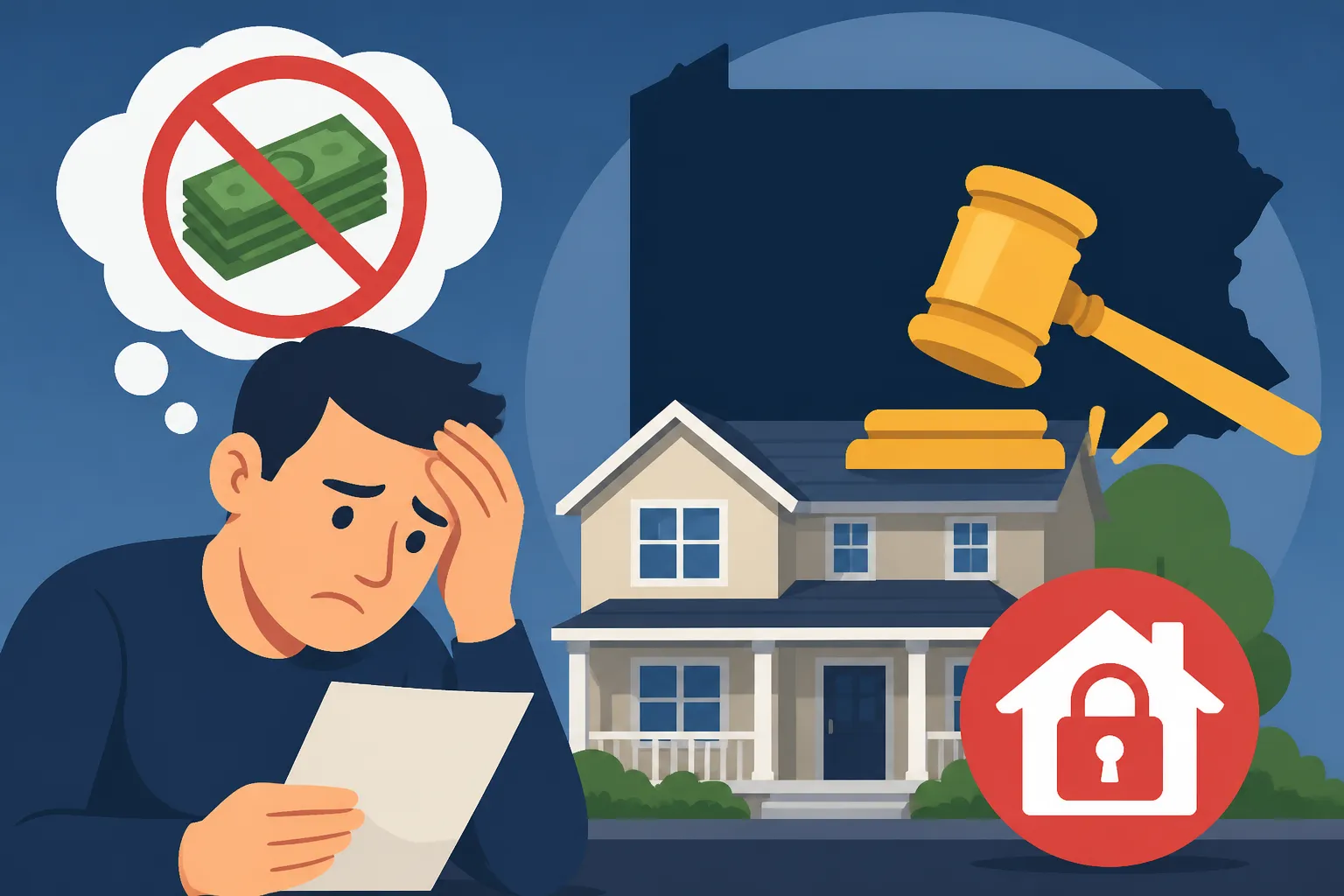
What Happens If You Don’t Pay Property Taxes in Pennsylvania?
The weight of rising property taxes can feel like a silent, crushing burden, especially when life throws unexpected curveballs your way. Missing a payment isn't just a minor oversight; it can trigger a cascade of increasingly serious consequences that put your very home at risk. If you're a homeowner in Pennsylvania and find yourself grappling with delinquent property taxes, understanding exactly what could happen – from initial penalties to the potential loss of your property – is absolutely critical. This comprehensive guide will walk you through the process, the risks, and the avenues for help.
The Immediate Impact: Penalties, Interest, and Tax Liens
Let's be frank: no one wants to miss a property tax payment. But it happens. Sometimes it’s an oversight, sometimes it’s a temporary financial hardship, and sometimes it's simply a miscalculation of how much your property taxes would actually be. Whatever the reason, once that due date passes, the clock starts ticking, and the situation in Pennsylvania quickly escalates from a simple late fee to something far more severe.
Late Payment Penalties and Interest Accumulation
The very first thing you'll notice when your property tax payment is late in Pennsylvania is the addition of penalties and interest. This isn't just a slap on the wrist; these charges are designed to incentivize prompt payment and can add up surprisingly fast, making an already difficult situation even worse. Each county, municipality, and school district might have slightly different timelines for when penalties kick in and what the specific interest rates are, but the general principle is the same across the Commonwealth.
Typically, after a certain grace period, a penalty will be applied to your outstanding balance. This is often a percentage of the overdue amount. Beyond that initial penalty, interest begins to accrue daily or monthly on the combined total of your original tax bill plus any penalties. Think of it like a snowball rolling down a hill; the longer you wait, the bigger and more unmanageable that debt becomes. For instance, in many Pennsylvania counties, if your taxes are not paid by the end of the year in which they are due, they are considered "delinquent" and transferred to the county Tax Claim Bureau. At this point, additional fees and statutory interest rates (often 9% or 10% per annum) will apply, making it even harder to catch up. These are not just one-time charges; they are continuous, relentless additions to your debt. Knowing how to read your property tax bill can help you understand these charges better.
Understanding the Property Tax Lien
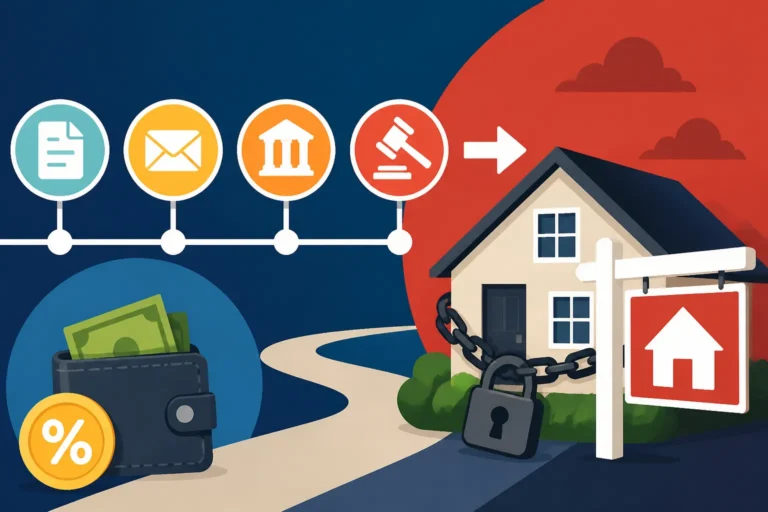
Once your property taxes become delinquent and are certified to the county Tax Claim Bureau, the situation takes a much more serious turn: a property tax lien is placed on your home. This isn't just a bureaucratic step; it's a legal claim against your property itself. It essentially means that the taxing authorities have a right to your property as collateral for the unpaid taxes.
A property tax lien is significant for several reasons. First, it clouds your property's title, making it difficult to sell or refinance your home until the lien is satisfied. No one wants to buy a property with a tax lien, and lenders certainly won't approve a mortgage on a home where a government entity has a superior claim. Second, unlike a mortgage lien, property tax liens typically take precedence over almost all other liens, including your primary mortgage. This senior position makes them incredibly powerful. If you have a mortgage, your lender will often pay your delinquent taxes to protect their own interest and then charge you for it, often with additional fees, or even initiate foreclosure on their end. Understanding how property tax liens explained the power of these claims is crucial for any homeowner.
The Road to a Tax Sale: Upset Sales and Judicial Sales
A property tax lien is a serious warning, but it’s just the beginning. If the delinquent taxes, penalties, and interest remain unpaid, the county Tax Claim Bureau in Pennsylvania is legally empowered to sell your property to recover the outstanding amounts. This is known as a tax sale, and it’s a multi-stage process with distinct phases, each carrying its own risks for the homeowner.
The Upset Sale: The First Public Auction
The initial method for selling properties with delinquent taxes in Pennsylvania is typically through an "Upset Sale," usually conducted by the county Tax Claim Bureau. This sale is a public auction where properties are offered to the highest bidder. However, there's a critical caveat: an Upset Sale is conducted "subject to" existing liens and encumbrances on the property, such as mortgages, judgments, and other liens. This means that if someone buys your home at an Upset Sale, they are only buying the property subject to these other debts. They don't magically disappear.
Because the buyer is taking on the responsibility for any existing mortgages or other significant liens, properties at Upset Sales often don't attract as many bidders, or they sell for lower prices, sometimes not even covering the full amount of delinquent taxes. The Tax Claim Bureau is obligated to notify you by certified mail before this sale occurs, and they must also post a notice on the property itself. If your property is scheduled for an Upset Sale, it's a huge red flag that you are nearing the point of losing your home. This is the first, most common step after property taxes have been delinquent for a specific period, often two years.
Judicial Sale: Clearing All Liens
If a property doesn't sell at an Upset Sale, or if the property has other significant liens that complicate an Upset Sale, the county Tax Claim Bureau can petition the court for a "Judicial Sale," also known as a "Free and Clear" sale. This is a much more aggressive and final action. In a Judicial Sale, the property is sold free and clear of all liens, including mortgages, judgments, and even existing utility liens. The proceeds of the sale are then distributed to the various lienholders in order of their legal priority.
A Judicial Sale is devastating because it extinguishes all your equity and any remaining claims you might have had to the property. It clears the slate for the new owner, making these sales much more attractive to potential buyers, and often fetching higher prices. However, if the sale price isn't enough to cover all the outstanding debts, you could still be on the hook for the difference (a deficiency judgment) to your mortgage lender or other creditors. There is generally no redemption period after a Judicial Sale, meaning once the sale is final, your ownership is irrevocably gone. This is often the final nail in the coffin for homeowners unable to resolve their delinquent tax issues.
Redemption Periods: Your Last Chance
The concept of a "redemption period" offers a glimmer of hope after a property has been subjected to a tax sale. It's a legally defined window of time during which the original owner can reclaim their property by paying off all outstanding taxes, penalties, interest, and sale costs. However, it's crucial to understand that not all tax sales in Pennsylvania come with a redemption period, and the rules are very specific.
Your Window to Reclaim: Length and Requirements
In Pennsylvania, a redemption period does exist after an Upset Sale. This is a critical distinction from a Judicial Sale. If your property is sold at an Upset Sale, you generally have nine months from the date the deed is acknowledged and recorded by the court to redeem your property. This means nine months after the legal transfer of the deed to the new buyer has been formally recognized. This is a vital, but often misunderstood, timeline. It's not nine months from the auction date, but from the recording of the deed.
To successfully redeem your property, you must pay the Tax Claim Bureau the full amount of all taxes (delinquent and current), interest, penalties, and the costs incurred by the new purchaser (e.g., recording fees, transfer taxes, and specific costs associated with maintaining the property, like insurance premiums). This can be a substantial sum, and you must act within that strict nine-month window. Missing the deadline means permanently losing your property.
Paying Off the Back Taxes: Calculation and Process
If you find yourself in the redemption period, the process of calculating what you owe and actually making that payment can be complex. You can't just pay the original amount you owed; you're responsible for the buyer's costs, which accumulate. The Tax Claim Bureau will provide you with a certified redemption statement detailing the exact amount required. This statement will include:
- The original delinquent taxes, penalties, and interest.
- Any additional taxes that have become due since the sale.
- All costs associated with the tax sale itself.
- Any costs incurred by the purchaser of the property, such as transfer taxes, recording fees, and potentially other documented expenses like property maintenance, if the buyer can prove they had to expend funds to protect the property.
It's imperative to contact your county's Tax Claim Bureau immediately if you are in this situation. They are the only ones who can provide the accurate redemption figure. You will typically need to make the payment in certified funds (cashier's check, money order) within the redemption period. This is often your final, last-ditch effort to save your home. Organizations like LendingTree might offer options for personal loans or refinancing, but it's crucial to evaluate if such a loan is financially viable given the total redemption amount and your ability to repay.
The Ultimate Consequence: Foreclosure and Loss of Property
Despite the opportunities for redemption and various assistance programs, the unfortunate reality for many is that delinquent property taxes can ultimately lead to the permanent loss of their home. This is the endpoint of the tax sale process if no action is taken or if attempts to redeem are unsuccessful.
The Sheriff's Sale: Finality Through Judicial Action
While the Tax Claim Bureau handles Upset and Judicial Sales, sometimes a mortgage lender, after paying your delinquent property taxes to protect their lien, might initiate their own foreclosure process, culminating in a Sheriff's Sale. A Sheriff's Sale is a public auction conducted by the county Sheriff's office, typically at the courthouse. These sales enforce judgments, including mortgage foreclosures or other court orders.
If your mortgage lender has stepped in to cover your unpaid property taxes and then forecloses on your mortgage due to your failure to repay them, your home will be sold at a Sheriff's Sale. This type of sale also typically conveys the property "free and clear" of most liens, including your ownership interest. The proceeds from the sale go to satisfy the judgment, usually the mortgage debt, after the costs of the sale are covered. For you, the homeowner, it means losing all equity and ownership in the property. Unlike an Upset Sale, there is generally no statutory right of redemption after a Sheriff's Sale in Pennsylvania, making it a truly final event.
Loss of Equity and Ownership
The most profound and heartbreaking consequence of failing to pay property taxes in Pennsylvania is the complete loss of your home, along with any equity you may have accumulated. Equity represents the portion of your property that you truly own, free and clear of debt. For many, a home is their largest asset, a nest egg built over years, and a source of financial security.
When your property is sold at a tax sale (especially a Judicial Sale) or a Sheriff's Sale, your ownership is extinguished. Any proceeds from the sale, after the tax liens and other superior liens are satisfied, should go to you. However, it's not uncommon for the sale price to barely cover the outstanding taxes and other debts, especially if the property sells at a distressed price. This means you could walk away with little to no funds, even if you had significant equity in your home before the delinquency. This loss isn't just financial; it's an emotional blow that can shatter long-term financial stability and security. It highlights why understanding what happens if you don't pay property taxes in Pennsylvania is so critical.
Preventing the Nightmare: Resources and Assistance
The thought of losing your home over property taxes is terrifying, but it's important to remember that there are often paths to avoid this worst-case scenario. Pennsylvania offers several programs and avenues for assistance, and taking proactive steps can make all the difference.
Payment Plans and Deferrals
One of the most immediate and impactful steps you can take if you're struggling to pay your property taxes is to contact your county Tax Claim Bureau or the specific taxing authority (municipal or school district) directly. Many jurisdictions offer various payment arrangements designed to help homeowners catch up.
- Installment Plans: Some taxing bodies allow you to pay your delinquent taxes over time through an installment plan. This breaks down a large, intimidating sum into more manageable monthly payments. While you might still accrue interest, it can prevent your property from proceeding to a tax sale. Always ask if this is an option for both current and delinquent taxes. For example, some Pennsylvania counties allow taxpayers to enter into agreements for delinquent taxes, paying a certain amount monthly.
- Deferral Programs: While less common for general property taxes, certain deferral programs might exist for specific groups, such as seniors or those with disabilities, in some parts of the state. These programs allow you to postpone paying your taxes until a later date, often until the property is sold or transferred. It’s crucial to inquire about these specific options through your local Tax Claim Bureau or Area Agency on Aging.
Always communicate openly and honestly about your financial situation. Ignoring the problem will only make it worse. Even if you only have a partial payment, discussing your situation with the authorities can sometimes lead to an agreement. Explore options like Property Tax Installment & Deferral Plans to see what might be available in your area.
Seeking Professional Guidance and Exemptions
Navigating the complexities of property tax law and available relief programs can be overwhelming, especially when you're under stress. Don't go it alone!
- Property Tax/Rent Rebate Program: Pennsylvania has a robust Property Tax/Rent Rebate Program, funded by the Pennsylvania Lottery. This program provides rebates to eligible older Pennsylvanians, widows, widowers, and people with disabilities. The income limits and rebate amounts can change, but for 2024 (rebates for 2023 taxes), the maximum standard rebate is $650, with supplemental rebates available for qualifying homeowners. This can be a significant help for those on fixed incomes. You can apply through the Pennsylvania Department of Revenue.
- Homestead Exemption: While Pennsylvania does not have a statewide "Homestead Exemption" that broadly reduces assessed value like some other states, many school districts in PA offer a homestead or farmstead exclusion program. This exclusion reduces the taxable value of your primary residence, which in turn lowers your school property tax bill. You usually need to apply for this through your county assessment office. Checking out resources on Homestead Exemption: Complete State-by-State Guide can offer a broader perspective, but always verify local rules for Pennsylvania.
- Local Assistance Programs: Beyond state-level programs, some counties or municipalities in Pennsylvania might have their own localized property tax relief programs, especially for low-income residents, seniors, or veterans. It's always worth contacting your local government offices or community organizations.
- Financial Advisors and Housing Counselors: If you're struggling with managing your overall finances, a non-profit credit counselor or housing counseling agency can provide invaluable advice. They can help you create a budget, explore options to manage debt, and guide you towards resources you might not know about. Tools like Stessa, while often marketed for rental property management, can be useful for any homeowner to track income, expenses, and property values, giving you a clearer picture of your financial standing and helping you anticipate future tax burdens. Keeping organized records of your home expenses can reveal areas where you might be able to save.
Don't wait until a tax sale notice arrives on your door. Proactive engagement with your local tax authorities and seeking out available relief programs are your strongest defenses against losing your home.
Pennsylvania Tax Sale Overview
To help you understand the core differences between the main types of property tax sales in Pennsylvania, here's a quick overview:
| Feature | Upset Sale | Judicial Sale (Free and Clear) | Sheriff's Sale (Mortgage Foreclosure) |
|---|---|---|---|
| Purpose | Recover delinquent property taxes | Recover delinquent taxes + clear all liens | Enforce judgment (e.g., mortgage default) |
| Administered by | County Tax Claim Bureau | County Tax Claim Bureau (court petition) | County Sheriff's Office |
| Liens Affected | Sold subject to existing liens (e.g., mortgage) | Sold free and clear of almost all liens | Sold free and clear of most liens |
| Redemption Period | Yes (9 months from deed recording) | Generally No | Generally No |
| Owner's Equity | Owner retains equity after taxes, but liable for other liens | Owner loses all equity | Owner loses all equity |
| Typical Trigger | Taxes delinquent for ~2 years | Upset Sale fails or complex liens | Mortgage default or other judgments |
This table provides a high-level comparison. Each situation is unique, and consulting with legal professionals and your local Tax Claim Bureau for specific advice is always recommended. For more general information about nationwide trends and rules, you can also look into Property Tax Trends 2026.
Disclaimer
The information provided in this guide is for general informational purposes only and does not constitute legal or financial advice. Property tax laws and programs can be complex and vary by specific county and municipality within Pennsylvania. It is highly recommended to consult with a qualified legal professional, financial advisor, or your local county Tax Claim Bureau for advice tailored to your specific situation. Reliance on any information provided in this guide is solely at your own risk.