What Happens If You Don’t Pay Property Taxes in New Hampshire?
Falling behind on your property taxes can feel like staring down a dark tunnel, especially in a state like New Hampshire where local property taxes are a significant part of homeownership. The anxiety of potentially losing your cherished home over a missed payment is a legitimate concern, and it’s a reality many Granite Staters grapple with. This guide is here to shine a light on exactly what unfolds if you don't pay your property taxes in New Hampshire, detailing the process, the timelines, and, most importantly, the steps you can take to protect your home.
The Immediate Aftermath: Penalties and Interest Accumulation
When that property tax bill lands on your kitchen table, it can feel like a heavy weight. And if you can't pay it by the due date, the system in New Hampshire, like many other states, doesn't wait long to start adding layers of cost. It’s crucial to understand these initial stages, not just to brace yourself, but to act swiftly if you find yourself in this situation.
Understanding New Hampshire's Delinquency Timelines
New Hampshire municipalities typically issue property tax bills on a semi-annual basis, often with due dates in July and December. However, this can vary, so it's always smart to know your specific town or city's schedule. The moment a payment is missed, the clock starts ticking, and your account moves from current to delinquent. This isn't just a minor administrative note; it's the first step down a path that, if left unaddressed, can lead to serious consequences. Unlike some states that might give a long grace period, New Hampshire's process is designed to encourage timely payment, partly because towns and cities rely so heavily on these funds to operate. Understanding your local Property Tax Due Dates by State is paramount.
How Penalties and Interest Add Up
The immediate consequence of an unpaid property tax bill in New Hampshire is the application of interest. New Hampshire law allows municipalities to charge interest on delinquent property taxes, typically at an annual rate of 12%. This might not sound astronomical at first glance, but it compounds quickly. Imagine owing a few thousand dollars in taxes; that 12% starts accruing daily from the due date. Within a few months, you’re not just looking at your original bill but a significantly larger sum.
For example, if your December property tax bill for your home in Manchester was $3,000 and you miss the payment, by the time March rolls around, you've already accumulated several months of interest. This interest is not just calculated on the principal tax amount but also on any penalties or fees that might have been added. This rapid escalation can make it incredibly difficult to catch up, turning a manageable missed payment into a growing financial burden. It’s why addressing a missed payment as soon as possible is always the best strategy.
The Path to a Municipal Tax Deed in New Hampshire
New Hampshire employs a "tax deed" system rather than selling tax lien certificates to private investors. This distinction is vital because it means that if taxes remain unpaid for an extended period, the municipality itself can take ownership of your property. This is a severe step, but it’s a process with clear, legally defined stages.
Executing the Lien: A Critical First Step
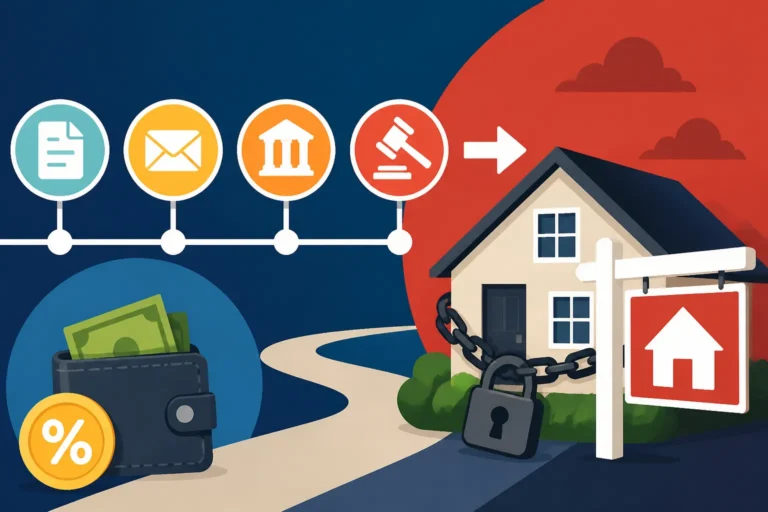
Once property taxes become delinquent, and often by the end of the municipal fiscal year following the tax due date, the tax collector will "execute a lien" against the property. This isn't a lien that's sold off to a third-party investor, as happens in some "tax lien states." Instead, it's an official record by the municipality indicating that taxes are owed and secured by the property itself. This execution of the lien is a formal legal step, publicly recorded, and serves as notice that the property is now subject to the town's claim for unpaid taxes, interest, and any associated costs.
This action might not immediately feel impactful, but it's the point of no return for simply "forgetting" about the bill. At this stage, your local tax collector in towns like Nashua or Concord might be sending out certified letters, not just regular mail, to ensure you're fully aware of the situation. It’s a direct warning that your home is officially on the radar for collection enforcement. If you're managing multiple properties, using a platform like Stessa could help you track expenses and income, potentially flagging financial issues before they become tax delinquencies.
The Two-Year Redemption Period: Your Window to Act
After the tax collector executes the lien on your property, New Hampshire law provides a crucial "redemption period." This period typically lasts for two years from the date the lien was executed. During this two-year window, you, the homeowner, have the absolute right to "redeem" your property. What does redemption mean? It means paying off the entire accumulated amount: the original delinquent taxes, all accrued interest, and any fees and costs incurred by the municipality during the collection process.
Think of this as a lifeline. If you can gather the funds within these two years, your property is safe, and the lien is discharged. Many people don't realize they have this significant timeframe to resolve the issue. For instance, if a lien was executed on your property in Dover in April 2024 for unpaid 2023 taxes, you would generally have until April 2026 to redeem it. This is a critical period where efforts to secure funds or negotiate payment plans are most effective. Don't wait until the very last minute, as unforeseen delays can jeopardize your ability to redeem.
The Threat of the Tax Collector's Deed
If the two-year redemption period passes and you have not fully redeemed your property, the consequences become dire. The municipal tax collector is then legally authorized to execute a "tax collector's deed." This deed officially transfers ownership of your property from you, the delinquent taxpayer, directly to the municipality – the town or city where your property is located.
This is not a sale to a third-party investor where you might still have a different kind of claim. Once the tax collector's deed is recorded, the municipality owns your property, free and clear of your ownership interest, although existing mortgages and other superior liens may still be an issue. They can then choose to keep the property for public use, or more commonly, sell it to another private party, often through a public auction or bid process. At this stage, your rights as a homeowner are severely diminished, and recovering your property becomes extremely difficult, if not impossible. This process is essentially a form of Property Tax Foreclosure Timeline.
Avoiding Foreclosure and Protecting Your Home
Losing your home to a tax deed sale is a devastating prospect, but it’s often avoidable if you understand the system and take proactive steps. There are resources and strategies available to help you navigate the complexities of unpaid property taxes in New Hampshire.
Proactive Communication with Your Local Tax Collector
One of the biggest mistakes homeowners make is avoiding contact with their local tax collector. It's easy to feel embarrassed or overwhelmed, but these offices are often your first and best line of defense. As soon as you realize you might miss a payment, or if you've already missed one, pick up the phone or visit their office. Most tax collectors in places like Portsmouth or Keene are not looking to take your home; they are primarily interested in collecting the revenue needed for the municipality.
They can explain the exact amount owed, including interest and fees, and inform you about any specific payment arrangements or assistance programs available locally. They might offer a short-term payment plan or connect you with resources that can help. Open communication can often prevent the situation from escalating, especially during that critical two-year redemption period. Don't be afraid to ask for a clear explanation of How to Read Your Property Tax Bill.
Exploring Payment Assistance and Deferral Options
New Hampshire has certain provisions for property tax relief, though they might not be as extensive as some other states. Here are some avenues to explore:
- Payment Plans: While not always legally mandated, many municipal tax collectors have the discretion to work with homeowners on short-term payment plans to cover delinquent taxes, especially if you show a good faith effort and a clear plan to catch up. This could involve making smaller, more manageable payments over a few months to clear the outstanding balance.
- Property Tax Deferral: New Hampshire offers a property tax deferral program for elderly and disabled residents who meet specific income and asset requirements. Under this program, eligible homeowners can defer paying a portion or all of their property taxes until their property is sold or transferred. The deferred taxes accrue interest, but it can provide critical relief for those on fixed incomes. You can find more details on Property Tax Deferral Programs by State.
- Exemptions and Credits: While not directly related to delinquency, ensuring you’re receiving all eligible property tax exemptions can significantly reduce your bill, making it easier to pay in the first place. This includes various exemptions for seniors, disabled individuals, and veterans. Making sure you've filed for every possible exemption, like a homestead exemption if applicable, can reduce your future tax burden. Learn more about Homestead Exemption: Complete State-by-State Guide or Senior & Over-65 Property Tax Exemptions and Freezes.
- Circuit Breaker Programs: While New Hampshire doesn't have a broad "circuit breaker" program like some states, it's always worth checking with local town offices or state agencies for any specialized programs for low-income homeowners, especially seniors or those with disabilities. These are programs that limit property tax to a certain percentage of income.
Seeking Financial and Legal Counsel
If you're facing significant financial hardship, don't hesitate to seek professional help. A financial advisor can help you assess your overall financial situation, explore options for securing funds (such as a personal loan, if appropriate, though use caution when borrowing to pay taxes), or help you budget more effectively. Resources like LendingTree can connect you with various loan options that might bridge a gap, but always ensure you fully understand the terms and interest rates before committing.
For complex situations, especially if you're nearing the end of the redemption period or if the municipality has already initiated steps towards a tax deed, consulting with a real estate attorney specializing in property tax matters is highly advisable. They can review your specific case, explain your legal rights, and represent you in negotiations with the municipality or in court if necessary. They can also advise on the implications of the Property Tax Liens Explained process on your situation.
Long-Term Repercussions and Rebuilding Your Financial Footing
The consequences of failing to pay property taxes extend far beyond just losing your home. They can have a ripple effect on your entire financial life for years to come. Understanding these broader impacts is crucial for anyone navigating this difficult situation or looking to rebuild afterward.
Loss of Home and Equity
The most obvious and devastating consequence of not paying property taxes in New Hampshire is the loss of your home through a tax collector's deed. This means you lose all equity you've built up in the property, regardless of how much you've paid into your mortgage or how long you've owned it. If your home is worth $300,000 and you only owed $5,000 in back taxes, the municipality can still take ownership, and you typically won't be compensated for the difference in value. This is a stark reality that underscores the importance of addressing property tax issues promptly.
Beyond the financial loss, there's the emotional toll of losing your primary residence. It means displacement, the stress of finding new housing, and potentially disrupting your entire life. This extreme outcome is precisely why New Hampshire's laws provide a two-year redemption period, offering a substantial opportunity for homeowners to rectify the situation before it reaches this irreversible stage. For insights into preventing such situations, consider learning How to Lower Your Property Tax Assessment proactively.
Damage to Credit and Future Borrowing Power
While unpaid property taxes aren't typically reported directly to credit bureaus in the same way an unpaid credit card bill is, the consequences can still severely impact your credit. If the municipality has to take legal action, such as filing a lien or ultimately taking a tax deed, these public records can appear on your credit report. Lenders regularly check public records, and the presence of a tax delinquency or a tax deed can signal financial instability.
A damaged credit report can make it incredibly difficult to secure loans in the future, whether for a new home, a car, or even personal credit. Mortgage lenders, in particular, will view a history of unpaid property taxes as a major red flag, indicating a high-risk borrower. Even if you don't lose your home, having a municipal lien against it can prevent you from selling or refinancing the property until the lien is satisfied. This can severely limit your financial flexibility and impact your ability to move forward. Dealing with Delinquent Property Taxes: What to Do is not just about keeping your home; it's about preserving your financial future.
| Stage of Delinquency | Timeline (Approximate) | Key Action for Homeowner | Potential Consequence |
|---|---|---|---|
| Missed Payment | Immediate | Contact tax collector | Interest & penalties |
| Lien Executed | Within 1 year of due | Redeem property | Public record lien |
| Redemption Period | 2 years from lien date | Pay all taxes/fees | Loss of equity/home |
| Tax Deed Issued | After redemption ends | Legal action (rare) | Loss of ownership |
| Municipality Sells | Varies | Irreversible | Property sold |
Disclaimer
The information provided in this guide is for general informational purposes only and does not constitute legal or financial advice. Property tax laws and procedures can be complex and may vary by municipality within New Hampshire. It is highly recommended to consult with a qualified legal professional or financial advisor for advice tailored to your specific situation. Always verify current laws, deadlines, and available programs with your local tax authorities.