Property Tax Appeal Companies: How They Get Paid
Dealing with property taxes can feel like navigating a dense, confusing forest, especially when that annual assessment notice arrives and your eyes practically pop out of your head. Many homeowners find themselves wondering if there's anything they can do to challenge what often feels like an unfair valuation, and that's where property tax appeal companies come into the picture. But before you jump into hiring one, understanding exactly how these services get paid is crucial, ensuring you're not blindsided by unexpected costs and can confidently choose a partner that aligns with your financial comfort.
Understanding the Landscape of Property Tax Appeal Services
Let's face it, the world of property taxes isn't exactly a beach vacation. It's complex, it's bureaucratic, and it often feels like the odds are stacked against the individual homeowner. When that chunky envelope from the appraisal district lands in your mailbox, often showing a valuation that seems wildly out of sync with reality, the thought of trying to decipher it all yourself can be incredibly daunting.
Why Homeowners Seek Professional Help
The reasons homeowners turn to property tax appeal companies are varied, but they often boil down to a few core frustrations. First, there's the sheer complexity. Each state, and often each county, has its own unique rules, deadlines, and procedures for appealing property taxes. Trying to master all of that while juggling work, family, and life, is a huge ask. It's not uncommon to hear people say, "I just don't have the time to figure this out," or "Every year I mean to do it, but I get overwhelmed."
Then there's the matter of evidence. You can't just walk into a hearing and say, "My taxes are too high!" You need data, comparable sales, and a compelling argument. Finding the right evidence and presenting it effectively requires a specific skillset that most homeowners simply don't possess. Imagine trying to argue against a professional appraiser who does this for a living, equipped with specialized software and years of experience. It's like bringing a butter knife to a sword fight. This is where the expertise of a professional firm, well-versed in gathering relevant data and presenting it persuasively, becomes invaluable. They know what kind of information will hold water with the appraisal review board and what won't. If you're looking for a deeper dive into the overall process, our guide on How to Appeal Property Taxes: Complete Guide offers a comprehensive overview.
Who Are Property Tax Appeal Companies?
Property tax appeal companies are essentially specialized advocates who work on behalf of homeowners and businesses to challenge their property tax assessments. They come in various shapes and sizes. You have smaller, local firms that might serve a specific county or region, often with deep knowledge of local market nuances and appraisal practices. Then there are larger, more national services that leverage technology and data analysis to serve clients across multiple states. Some law firms also specialize in property tax appeals, particularly for complex commercial cases, though they can also represent residential clients.
Regardless of their size or specific structure, their core service remains the same: to analyze your property's assessment, identify potential overvaluations or discrepancies, gather compelling evidence, and then represent you through the informal and formal appeal processes. This might involve an informal conference with an appraiser, presenting your case to an Appraisal Review Board (ARB), or even taking the case to court if necessary, though that's less common for typical residential appeals. Their goal is to achieve a lower assessed value for your property, which, in turn, should lead to a lower property tax bill. Many companies, such as O'Connor and Ownwell, are well-known names in this space, each with their own approach and pricing models.
The Two Primary Compensation Models
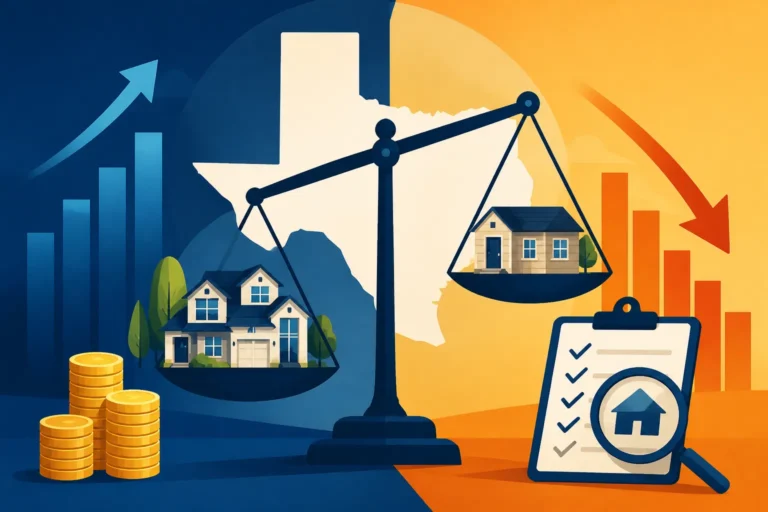
When you decide to enlist the help of a property tax appeal company, one of the first things you'll want to understand is how they charge for their services. Generally, there are two main models you'll encounter: the contingency fee basis and the flat fee or hourly rate. Each has its own set of advantages and disadvantages, and what works best for one homeowner might not be ideal for another.
Contingency Fee Basis: Pay Only if You Save
This is perhaps the most common and often most appealing fee structure for homeowners, especially those who are hesitant about upfront costs or unsure of their chances of success. With a contingency fee model, the property tax appeal company only gets paid if they successfully reduce your property's assessed value, and consequently, your property tax bill. Their fee is typically a percentage of the tax savings they achieve for you.
Let's break down how this works. First, the company determines the assessed value set by the appraisal district. Then, they go through the appeal process. If they manage to get your assessed value reduced, resulting in a lower tax bill, they will charge you a percentage of that difference in taxes. For instance, if your original tax bill would have been $5,000, and the company gets your assessment lowered so that your new tax bill is $4,000, you've saved $1,000. If their contingency fee is 40%, they would then take $400, and you would keep the remaining $600 in savings. This model is very attractive because it means you're not out any money unless they deliver results. This aligns their incentives directly with yours – they only profit if they save you money. Many established firms, including some services offered by O'Connor, operate heavily on a contingency basis, particularly in states like Texas where the protest volume is high.
The major benefit here is the low upfront risk. You don't have to shell out cash when you're already worried about your property taxes. If they don't achieve a reduction, you owe them nothing for their services (though you might still be responsible for any minor filing fees or third-party costs, which should be clearly outlined in the contract). However, a potential drawback is that if the savings are substantial, the percentage fee could amount to a larger sum than a flat fee might have been, especially if your property was significantly overvalued. Always consider the potential for both small and large savings when evaluating this model.
Flat Fee or Hourly Rate: Predictable Costs Upfront
On the other end of the spectrum, you have the flat fee or hourly rate models. This approach offers a different kind of financial predictability, as you know exactly what you'll be paying for the service, regardless of the outcome of the appeal.
A flat fee means you pay a fixed amount upfront, or in installments, for the company's services. This fee covers all the work involved in the appeal, from researching comparables to representing you at hearings. For example, a company might charge a flat fee of $250 or $500 for a residential property tax appeal. The advantage here is knowing your maximum cost right away. Even if the appeal is incredibly complicated and requires a lot of their time, your fee remains the same. Some companies, like Ownwell, have popularized variations of the flat-fee structure, sometimes offering a refund if no savings are achieved, effectively blending elements of both models. This "no reduction, no fee" promise provides some of the security of a contingency model while maintaining the upfront clarity of a flat fee.
An hourly rate is less common for standard residential property tax appeals but can be used, particularly by legal firms handling more intricate cases. With this model, you're billed for the actual time spent by the professionals working on your case. This can be great if you only need very specific tasks performed, but it introduces an element of unpredictability regarding the final cost, as you don't know exactly how many hours will be required.
The main advantage of flat fees is budget certainty. You can factor the cost into your financial planning without worrying about a percentage of potentially large savings eating into your relief. This can be particularly appealing if you anticipate a modest reduction in your property taxes, where a percentage-based fee might feel disproportionately high. However, the significant downside is that you pay this fee regardless of whether the appeal is successful or not. If the appeal yields no reduction, you've still paid for the service without seeing any direct financial benefit. This requires a higher level of trust in the company's ability or a greater willingness to take on that financial risk.
Diving Deeper into Fee Structures and Hidden Costs
Understanding the basic compensation models is just the beginning. The devil, as they say, is often in the details, and when it comes to property tax appeals, those details can significantly impact your bottom line. It's essential to scrutinize the contract and ask precise questions to avoid any surprises.
What Constitutes "Savings" in a Contingency Model?
This is a critical point that can sometimes be misunderstood by homeowners. When a company charges a percentage of your "savings," it's almost universally referring to the tax savings achieved for the current tax year due to a reduction in your property's assessed value. It's not typically a percentage of the raw assessed value reduction itself, but rather the dollar amount that reduction saves you on your tax bill.
Let's use a clear example. Suppose your home was assessed at $300,000, and your local property tax rate (including county, school, and city levies) is 2.5% or $2.50 per $100 of assessed value. Your initial projected tax bill would be $7,500 ($300,000 * 0.025). Now, let's say the appeal company successfully gets your assessed value reduced to $280,000. Your new projected tax bill would be $7,000 ($280,000 * 0.025). The tax savings in this scenario is $500 ($7,500 – $7,000). If the appeal company's contingency fee is 40% of the savings, they would charge you $200 (40% of $500). You, the homeowner, would still be $300 better off.
It's important to clarify with any contingency firm whether their fee calculation is based solely on the current year's savings, or if there are any clauses related to multi-year savings, which is less common for standard residential appeals but can exist in some complex agreements. Most focus on the immediate annual tax reduction. This distinction is vital because while an assessed value reduction of $20,000 might sound huge, the actual tax savings might be a more modest number that the percentage is applied to. Our article on How Are Property Taxes Calculated? can help you understand these underlying figures.
Understanding Different Flat Fee Structures
Flat fee models aren't always a one-size-fits-all situation. Companies often have various structures to cater to different needs and property types.
- Tiered Fees: Some companies will offer tiered flat fees based on the value or complexity of the property. For example, a home assessed under $300,000 might have one flat fee, while a home between $300,000 and $700,000 might have a slightly higher fee, and so on. This acknowledges that higher-value properties often require more in-depth research and more sophisticated arguments.
- Service Packages: Another variation is offering different service packages. A basic package might just cover the initial filing and an informal review, while a premium package might include representation at an Appraisal Review Board (ARB) hearing and more extensive evidence gathering. You might pay a flat fee for each step of the appeal process, giving you control over how far you want to proceed.
- "No Reduction, No Fee" Guarantees: As mentioned earlier, some flat-fee providers offer a hybrid model where you pay a flat fee upfront, but if they fail to achieve a reduction in your assessed value, they will refund your fee. This essentially gives you the predictability of a flat fee with some of the risk protection of a contingency model. It's a great option to look for if you prefer the upfront clarity but are still wary of paying for a service that doesn't deliver. Services like Ownwell often lean into these kinds of guarantees.
Potential Additional Charges and What to Watch For
While most reputable property tax appeal companies are transparent about their primary fee structures, it's crucial to be aware of potential additional charges that might arise. These are typically out-of-pocket expenses that are passed through to the client and are separate from the company's service fee.
- Appraisal Fees: In some cases, to build the strongest possible argument, an appeal company might recommend getting an independent, third-party appraisal of your property. This can provide highly credible evidence of overvaluation. However, these appraisals can be costly, often ranging from several hundred to over a thousand dollars, and are almost always an additional expense not covered by the appeal company's fee.
- Filing Fees: Most local appraisal districts or county tax offices charge a nominal fee to file a formal appeal or protest. These fees are usually quite small (e.g., $25-$75) and are typically passed directly to the homeowner.
- Court Costs: If your appeal escalates beyond the administrative review process and requires litigation (taking the case to district court), you would incur significant legal and court costs. This is exceptionally rare for residential properties and typically only considered for very high-value or highly complex commercial properties. A good appeal company will usually advise you long before a case reaches this point.
- Miscellaneous Administrative Fees: While less common for residential appeals, some contracts might mention charges for printing, postage, notary services, or specialized data reports. Always ask for a clear breakdown of all potential costs before signing any agreement.
Always read the contract thoroughly! A reputable company will clearly itemize all potential fees, ensuring there are no surprises down the line. If you're unsure about any clause, don't hesitate to ask for clarification.
Choosing the Right Company for Your Needs
Deciding whether to appeal your property taxes and which company to hire can feel like a significant decision. It's not just about the money you might save; it's also about peace of mind and feeling confident that you're getting a fair shake. Different companies and different fee structures will appeal to different homeowners, depending on their priorities and risk tolerance.
Factors to Consider When Evaluating Appeal Companies
Before you commit to a property tax appeal service, take the time to do your homework. This isn't just about finding the cheapest option, but the right option for your specific situation.
- Reputation and Track Record: How long has the company been in business? Do they have a proven history of success in your specific area? Look for client testimonials, online reviews, and any public success rates they might share. While no company can guarantee a specific outcome, a strong track record suggests competence and familiarity with the local appraisal process. You might even look into review sites for companies like Ownwell or O'Connor to get a sense of homeowner experiences.
- Local Expertise: Property values and appraisal methods can vary significantly even within the same state. A company with deep local expertise in your county (e.g., Harris County Property Tax Protest, Cook County Property Tax Assessment Appeal, or Los Angeles County Property Tax Assessment Guide) will have a much better understanding of local market trends, specific appraisal practices, and the personalities on the Appraisal Review Board. This local knowledge can be a significant advantage.
- Communication Style: How will the company keep you informed throughout the process? Will you receive regular updates? Will you have a dedicated point of contact? Clear and timely communication is essential, especially when dealing with something as important as your home's valuation. You don't want to be left in the dark wondering about the status of your appeal.
- Contract Clarity: As discussed earlier, thoroughly review the contract. Ensure all fees, whether contingency, flat, or additional expenses, are clearly laid out. Understand what services are included and what might incur extra charges. Don't be afraid to ask for explanations of any jargon or confusing clauses. A transparent company will welcome your questions.
- Your Personal Risk Tolerance: Are you comfortable paying an upfront flat fee, even if there's no guarantee of a reduction? Or do you prefer the "pay only if you save" model of a contingency fee, even if the percentage might mean a larger payout from your savings? Your financial comfort level should heavily influence your choice.
Comparing Contingency vs. Flat Fee: When Each Shines
Making the choice between these two primary models often comes down to balancing risk, cost predictability, and the perceived potential for savings.
The contingency fee model generally shines brightest in a few specific scenarios:
- High Potential Savings: If you strongly believe your property is significantly overvalued and there's a strong chance of a large reduction, a contingency model can be very appealing. The company is highly motivated to maximize your savings, as their fee is directly tied to it.
- Risk Aversion: For homeowners who are financially cautious and want to avoid any out-of-pocket expenses unless a benefit is realized, contingency is the clear winner. You don't pay anything if the appeal is unsuccessful.
- Limited Upfront Cash: If you don't have liquid funds readily available for an upfront fee, this model allows you to pursue an appeal without initial financial strain.
On the other hand, a flat fee or "no reduction, no fee" flat fee model might be more suitable if:
- Cost Predictability is Key: You prefer knowing the exact maximum cost from the outset, allowing for easier budgeting. This is especially true for the pure flat fee model, where the cost is fixed regardless of outcome.
- Modest Expected Savings: If you anticipate a smaller reduction in your property's value, a flat fee might result in a lower overall cost than a percentage-based contingency fee. For example, if you expect to save $300 in taxes, a 40% contingency fee would be $120. If a flat fee is $99, that might be more attractive.
- Simpler Cases: For straightforward appeals where the overvaluation is clear and easy to demonstrate, a flat fee might be efficient, as the company doesn't need to commit extensive resources.
- Confidence in the Company's Process: If you trust the company's expertise and feel comfortable with the fixed cost, even without a guarantee of success (unless they offer a "no reduction, no fee" promise), it can be a good option.
Here's a quick comparison table to help visualize the differences:
| Feature | Contingency Fee Model | Flat Fee Model |
|---|---|---|
| Payment Trigger | Only if tax savings are achieved | Upfront or in installments, regardless of outcome |
| Cost Basis | Percentage of the tax savings (e.g., 30-50%) | Fixed amount (e.g., $250 – $1,000+) |
| Upfront Financial Risk | Very Low (you pay nothing if no savings) | Higher (you pay even if no savings, unless refund offered) |
| Cost Predictability | Variable (depends on savings amount) | High (fixed amount known upfront) |
| Company Motivation | Highly motivated to maximize savings | Motivated to deliver service, less direct financial link to savings amount |
| Best For | High potential savings, risk-averse homeowners, limited upfront cash | Cost predictability, modest expected savings, simpler cases |
When making your decision, think about your own situation: how much do you believe your taxes are overvalued? How much are you willing to spend upfront? What kind of ongoing communication do you expect? These answers will guide you toward the best fit. If you're still on the fence about the value of professional help, our article Are Property Tax Appeal Companies Worth It? can provide more insights.
The Appeal Process and How Companies Fit In
Understanding how property tax appeal companies structure their fees is one piece of the puzzle. The other, equally important piece, is knowing how they actually operate within the property tax appeal system to earn those fees. They don't just wave a magic wand; there's a detailed process involved, and a good company will manage almost all of it on your behalf.
Initial Assessment and Data Gathering
The very first step for any property tax appeal company is to conduct a thorough analysis of your property's current assessment. They'll obtain a copy of your Notice of Appraised Value and dig into the data used by the appraisal district. This typically involves several key actions:
- Reviewing Your Assessment: They'll scrutinize the details of your property's valuation, checking for any factual errors, incorrect measurements, or misclassifications (e.g., your house is listed as having 4 bathrooms but only has 3). These simple errors can sometimes lead to significant overcharges.
- Pulling Comparable Sales (Comps): This is perhaps the most crucial part of their evidence gathering. They will identify recently sold properties in your immediate neighborhood that are similar to yours in size, age, condition, and amenities. The goal is to find "comps" that sold for less than your assessed value, indicating that your property might be overvalued relative to the market. Our guide on Evidence & Comps for a Property Tax Appeal delves deep into what makes a good comparable.
- Identifying Discrepancies: Beyond comps, they'll look for other factors that might justify a lower value. This could include damage to your property not reflected in the appraisal, excessive noise or traffic issues, or a general decline in market conditions that the appraisal district might have overlooked. They also analyze whether your assessment is "unequal" compared to similar properties, a common argument, particularly in states like Texas where the Unequal Appraisal vs Market Value Arguments strategy is often employed.
- Collecting Your Input: While they do a lot of heavy lifting, they'll still need information from you. This might include photos of any deferred maintenance or damage, details about recent renovations (or lack thereof), or any personal insights into neighborhood conditions that could affect value.
This initial phase is critical for building a strong case. Without solid data and a well-researched argument, any appeal is unlikely to succeed.
Representation at Informal and Formal Hearings
Once the company has gathered all the necessary evidence, they move into the active appeal phase. This is where their expertise in negotiation and presentation truly comes into play.
- Informal Conferences: Many appraisal districts offer an informal review or conference with a staff appraiser. The appeal company, acting on your behalf, will present their findings and evidence to this appraiser, attempting to reach an agreeable reduction without needing to go to a formal hearing. This is often the quickest path to a successful appeal.
- Formal Hearings (Appraisal Review Board): If an agreement can't be reached informally, the case will proceed to a formal hearing before an Appraisal Review Board (ARB) or a similar body (like a Board of Equalization in other states). This is a more formal proceeding where the appeal company will present their case, often with prepared documentation and verbal arguments, to a panel of impartial citizens. They will counter the appraisal district's arguments and advocate strongly for your property's lower valuation. They are adept at navigating the procedural rules of these hearings, ensuring your case is presented effectively. Understanding Informal vs Formal Property Tax Hearings is key here.
- Negotiation and Settlement: Throughout both informal and formal processes, the company will engage in negotiation on your behalf. They know the acceptable ranges for reductions and can leverage their experience to push for the best possible outcome. Their goal is to achieve a settlement that results in a lower assessed value.
The expertise of these companies in handling these interactions can make a significant difference. For many homeowners, the thought of standing before an ARB is enough to deter them from appealing at all. Hiring a professional alleviates this stress entirely, letting experts handle the confrontation and technical arguments. Remember, there are often strict Property Tax Appeal Deadlines by State, and missing these can cost you your chance to appeal.
What Happens After a Successful Appeal?
So, the company did their job, and your appeal was successful! What comes next? It's important to understand how these savings manifest and what you should expect.
- Adjusted Value Notification: You will receive an official notice from the appraisal district confirming the new, lower assessed value of your property. This is the moment of truth, confirming the outcome of the appeal.
- Updated Property Tax Bill: When your actual property tax bill arrives later in the year (or your mortgage escrow payment adjusts), it should reflect this new, lower assessed value. This translates directly into the tax savings you've been hoping for. It's always a good idea to meticulously check your updated bill against the promised reduction. Our guide on How to Read Your Property Tax Bill can help you understand the details.
- Payment to the Appeal Company: If you engaged a contingency-based company, they will typically send you an invoice for their percentage of the tax savings after the reduction is finalized and the new tax bill is issued. If it was a flat fee, you would have already paid, or your final installment would be due.
- Duration of Savings: In many states, a successful appeal results in a reduced assessment for the current tax year. However, depending on state laws and specific circumstances (like a property tax assessment cap), the reduction could potentially influence future assessments, especially if it corrects a fundamental error in how your property was valued. It's not usually a permanent freeze, but a reset based on the new evidence. For example, in California, Proposition 13 limits increases, but most other states re-evaluate annually or every few years. Knowing How Often Is Property Reassessed? can provide more context.
The entire process, from initial analysis to receiving a new tax bill, can take several months. Patience is definitely a virtue in the property tax world!
Disclaimer
The information provided in this guide is for general informational purposes only and does not constitute financial, legal, or tax advice. Property tax laws and regulations vary significantly by state and local jurisdiction and are subject to change. Always consult with a qualified legal or tax professional for advice tailored to your specific situation.