How New Construction Is Assessed for Taxes
New construction property tax assessments involve base values, completion dates, and supplemental bills. This details local evaluation stages.
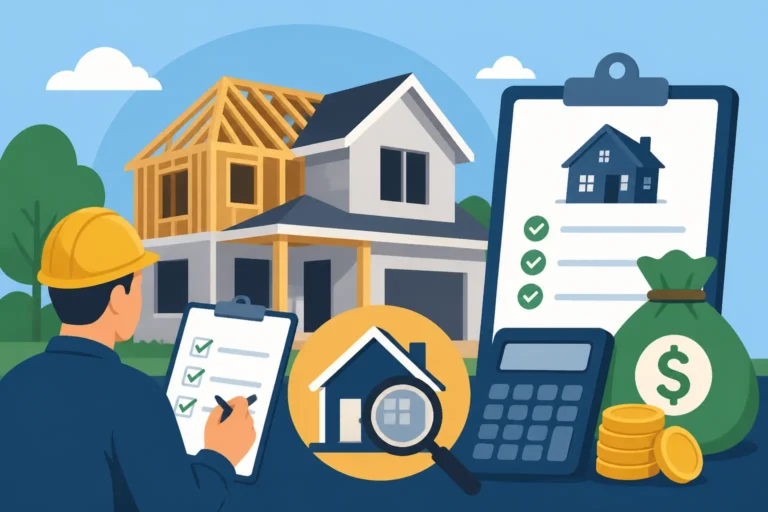
New construction property tax assessments involve base values, completion dates, and supplemental bills. This details local evaluation stages.

Property tax calculations for raw land and improved land are explained through distinct valuation methods, zoning regulations, and structures.

Vehicle property tax details explain which states charge annual fees, how local governments calculate assessed vehicle values, and how rates vary.

Property taxes on inherited homes often increase due to ownership changes, reassessments, and different state rules that impact final tax bills.
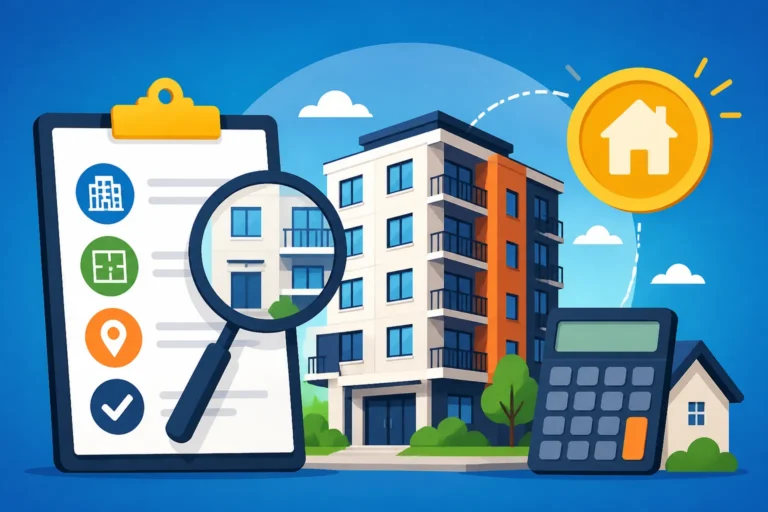
Apartment property tax assessment methods, unit classifications, income approaches, and sales comparisons determine the valuation of rental buildings.
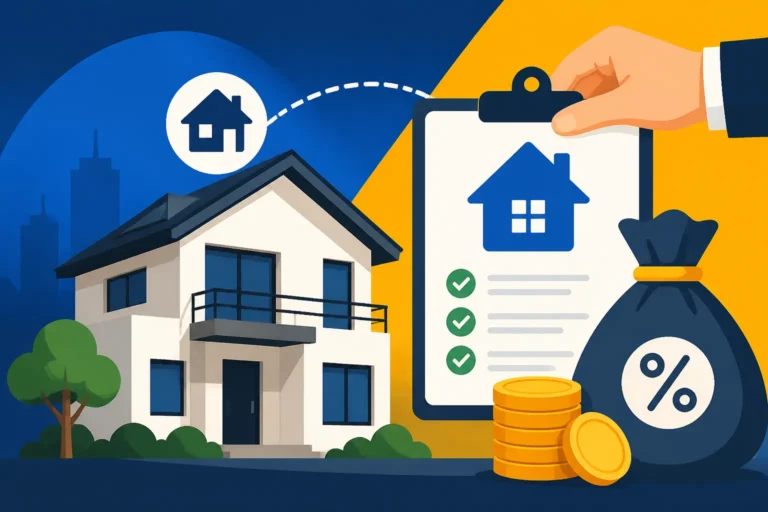
Property tax rules on investment properties determine rental profits, assessment values, and exemptions for landlords compared to primary residences.
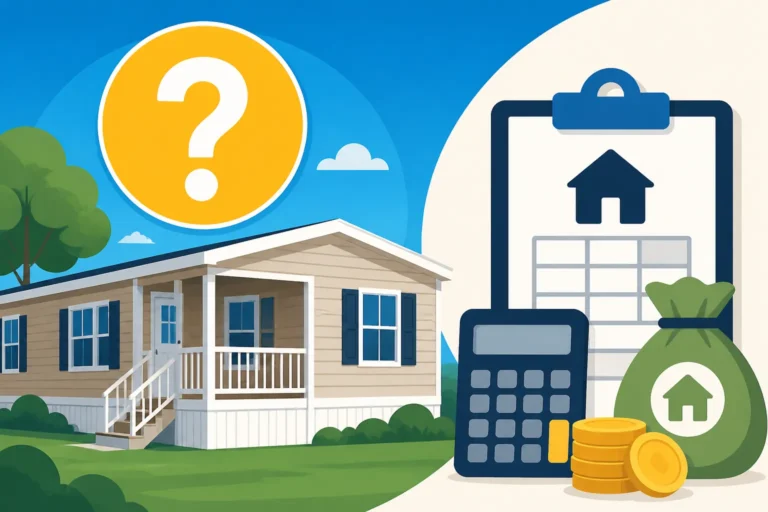
Mobile home property taxation depends on whether the unit is classified as real property or personal property based on state laws.

Property tax differences explain how primary residences and second homes are assessed, including homestead exemptions, valuation methods, and tax caps.

Business personal property tax applies to movable commercial assets like equipment, furniture, and inventory across various local jurisdictions.
Condominium property taxation uses individual municipal bills, while co-operative housing relies on master tax bills paid through monthly maintenance fees.