Why Do Property Taxes Increase?
Rising home values, local government budget adjustments, and voter-approved bonds drive property tax increases for homeowners across the United States.
Rising home values, local government budget adjustments, and voter-approved bonds drive property tax increases for homeowners across the United States.
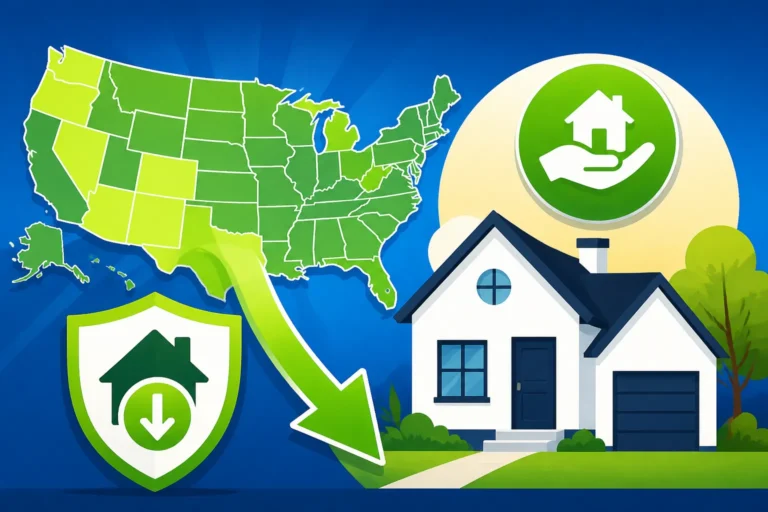
Property tax rates and median home values for Hawaii, Alabama, Colorado, Nevada, Utah, and Wyoming reveal the lowest tax options for 2026.
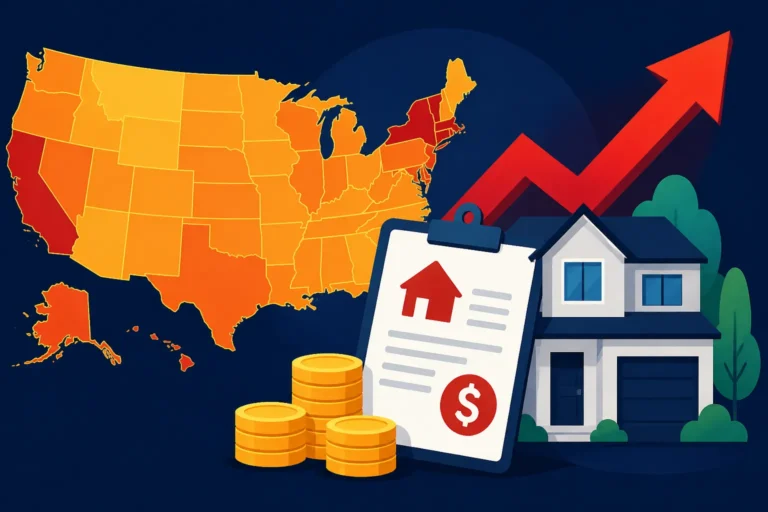
Property tax rates across American states, counties, and cities reveal the regions with the highest tax burdens for homeowners.
Property tax assessment caps protect long-term homeowners from soaring bills by limiting annual increases through programs like Proposition 13.
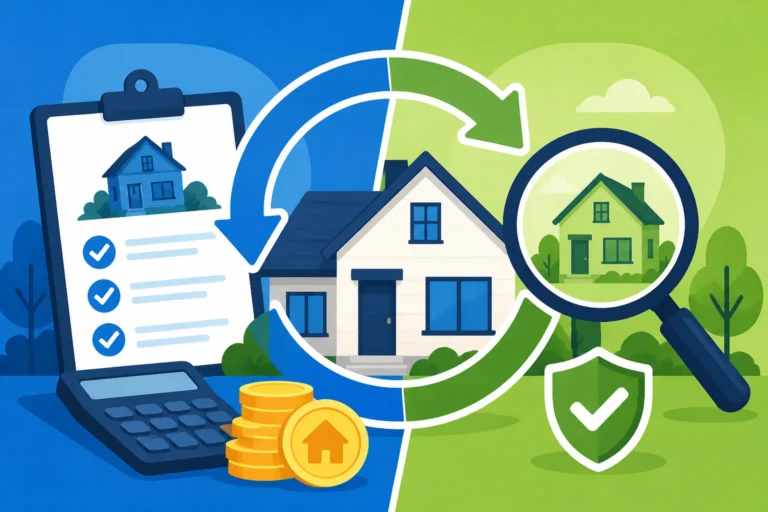
Property tax assessments and reassessments determine home values, calculate mill rates, and explain what triggers unexpected tax bill increases.
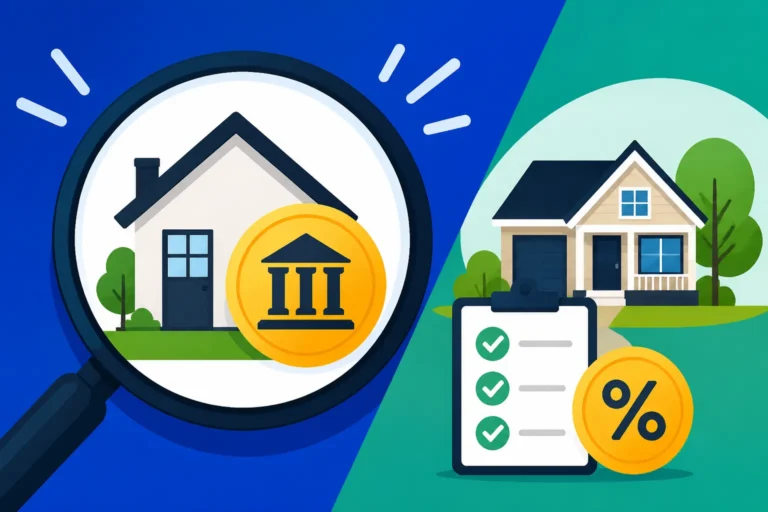
A mill rate represents the local property tax per one thousand dollars of assessed home value, used to calculate annual tax bills.
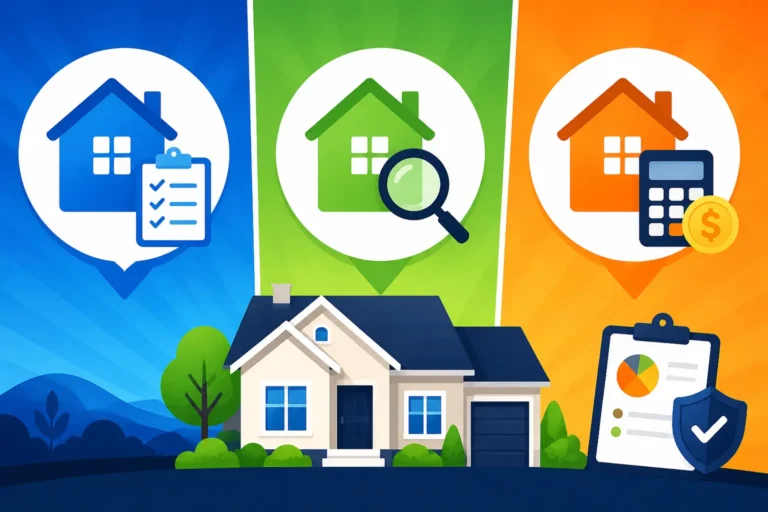
Property values, assessment ratios, and tax rates determine your property taxes. Learn how market, assessed, and taxable values differ.
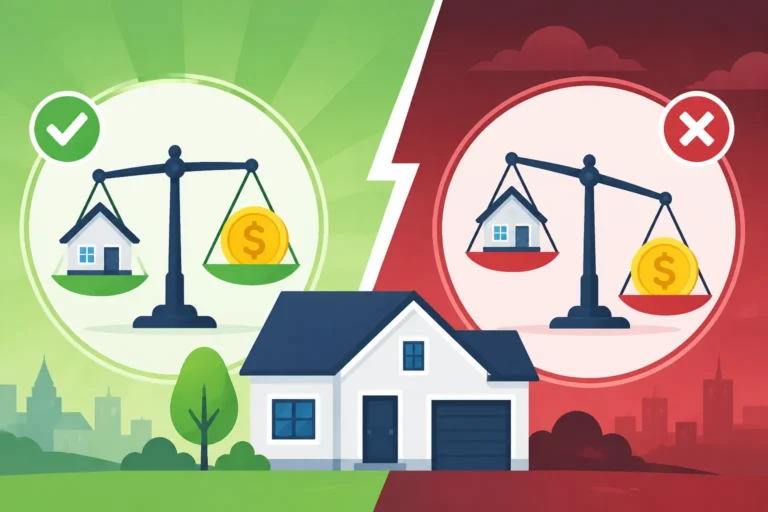
Property tax comparisons become simpler when homeowners calculate real costs using nominal rates, assessment ratios, and actual market values.
Property tax calculations involve market values, assessment ratios, exemptions, and mill rates used by local authorities to determine homeowner bills.
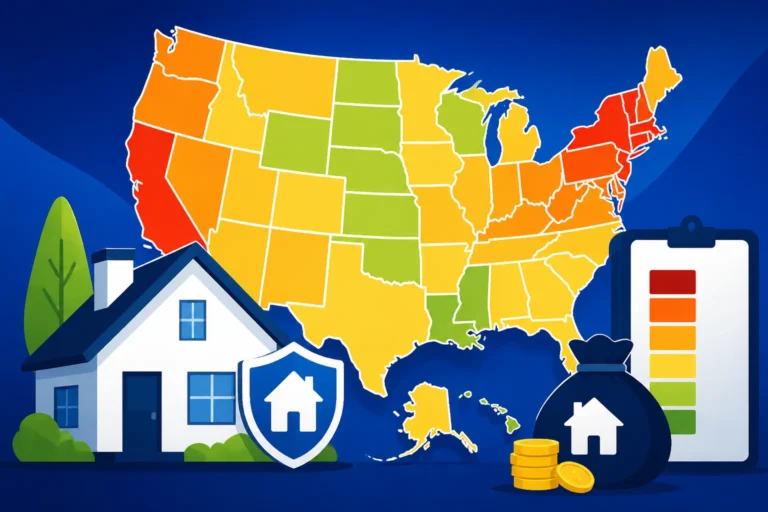
Property tax rankings for all fifty states in 2026 detail effective rates, assessment practices, and state tax differences.