Can You Pay Property Taxes With a Credit Card?
That annual property tax bill landing in your mailbox can feel like a punch to the gut. It's a hefty, non-negotiable expense that can throw even the most careful household budget into a tailspin. Many homeowners find themselves wondering, "Is there an easier way to handle this?" and often, the convenience of a credit card comes to mind. This comprehensive guide will walk you through everything you need to know about paying property taxes with a credit card, exploring the benefits, pitfalls, and smarter alternatives to keep your finances healthy.
The Allure and Alarm of Credit Card Property Tax Payments
It’s completely natural to eye your credit card statement and consider it for a large bill like property taxes. In our digital age, plastic seems like the answer to almost everything, offering both convenience and, for some, the tantalizing prospect of rewards. But as with most things that seem too good to be true, there's often a catch.
Why Homeowners Consider Using Credit Cards for Property Taxes
The primary draw of using a credit card for property taxes often boils down to immediate convenience and flexibility. When that substantial tax bill arrives, not everyone has the cash readily available in their checking account. A credit card can bridge a temporary financial gap, preventing late payment penalties or freeing up cash for more immediate household needs. Think about a situation where an unexpected car repair or a sudden medical bill has depleted your emergency fund right before the property tax deadline. A credit card can feel like a lifesaver in such scenarios, allowing you to pay the tax bill on time and avoid more severe repercussions.
Beyond bridging financial gaps, many homeowners are enticed by the possibility of earning rewards. Imagine putting a multi-thousand-dollar property tax payment on a credit card that offers 2% cash back or valuable travel miles. For those who meticulously manage their credit card spending and pay off their balances in full each month, this can seem like an excellent way to accumulate rewards without incurring interest. Some even strategize around new credit card sign-up bonuses, where a large initial spend requirement might be perfectly met by a property tax payment, unlocking hundreds of dollars in cash back or thousands of points. The allure of a free flight or a substantial cash rebate can be a powerful motivator.
Lastly, some simply prefer the streamlined process of online credit card payments. Compared to writing a check, finding a stamp, or visiting a government office, a few clicks on a website can seem like a much more efficient use of time. For busy individuals or those who prefer to keep their finances entirely digital, the ease of transaction is a significant factor.
The Hidden Costs: Processing Fees and Interest Rates
While the appeal of convenience and rewards is strong, it's crucial to understand the "hidden" costs associated with using a credit card for property taxes. The vast majority of government entities, from county tax assessors to city treasurers, do not absorb the cost of credit card processing fees. Instead, they pass these charges directly onto the taxpayer in the form of a "convenience fee" or "processing fee." These fees typically range from 2% to 3% of the transaction amount. For a property tax bill of, say, $5,000, a 2.5% fee would add an extra $125 to your payment. This means that a significant portion, if not all, of any rewards you might earn could be immediately negated by the processing fee.
The more insidious cost, however, is credit card interest. If you can't pay off your property tax bill in full by the end of your billing cycle, that convenient credit card payment quickly transforms into expensive debt. Credit card Annual Percentage Rates (APRs) are notoriously high, often ranging from 15% to over 25%. Carrying a $5,000 balance for several months at a 20% APR could add hundreds of dollars in interest alone, far exceeding any late payment penalties from the tax authority and certainly dwarfing any rewards earned. For example, if you pay $125 in fees and then carry a $5,000 balance for six months at 20% APR, you'd accrue approximately $500 in interest on top of the fee. Suddenly, that "convenient" payment has cost you $625 extra. Resources like LendingTree can offer insights into managing and understanding consumer debt, emphasizing the importance of paying off high-interest balances as quickly as possible.
Before you consider swiping your card, always factor in both the processing fee and the potential interest charges. A payment strategy that involves carrying a balance on a credit card is almost always a financially detrimental one, making it essential to understand How to Read Your Property Tax Bill thoroughly to identify all your payment options and their associated costs.
How It Actually Works: The Mechanics of Paying Property Taxes with Plastic
When it comes to using your credit card for property taxes, you generally have two main avenues: paying directly through a government portal or utilizing a third-party payment service. Understanding how each works can help you make an informed decision.
Direct Payment Options Through Government Portals
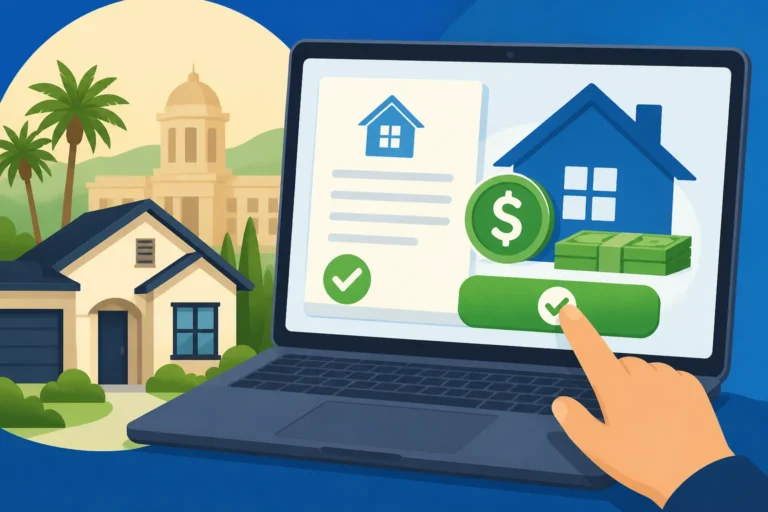
Many local tax jurisdictions, including counties and municipalities, have modernized their payment systems to accept credit and debit cards directly through their official websites. This has become increasingly common as governments strive to make civic duties, like paying taxes, more accessible and convenient for residents. You'll typically find a "Pay Property Taxes Online" section on your county assessor's or treasurer's website. Common platforms that integrate with government systems include Paymentus, Official Payments, or PayIt, but the specific provider can vary widely by location.
When you choose this option, you'll navigate to a secure portal, input your property account number, the amount due, and your credit card details. The key thing to remember here, as discussed earlier, is that the processing fee is almost always passed directly to you, the taxpayer. For instance, if you live in Los Angeles County, you might find their online portal provides a clear breakdown of the tax amount and the associated credit card processing fee before you finalize the transaction. Governments typically pass these fees on because they operate on strict budgets and don't want the cost of credit card processing to reduce the funds available for public services, which is what property taxes are primarily used for.
The process is usually straightforward: locate your tax bill, find the specific payment instructions and account number, and then follow the prompts on the official government website. Always ensure you are on a legitimate government domain (ending in .gov) to protect your personal and financial information. This method ensures your payment is routed directly to the correct authority, reducing the risk of errors or delays.
Third-Party Payment Services
In situations where your local tax authority doesn't offer a direct credit card payment option, or if you're looking for different features (though these are less common for property taxes than for other bill payments), third-party payment services can sometimes fill the gap. Companies like Plastiq allow you to pay virtually any bill with a credit card, even if the recipient (in this case, the tax office) doesn't directly accept credit cards.
Here’s how they generally work: you pay the third-party service using your credit card, and they, in turn, send a check or electronic payment to the tax authority on your behalf. These services also charge a processing fee, which can be comparable to or sometimes slightly higher than the direct government-imposed fees, typically in the 2.5% to 3.5% range. For example, Plastiq usually charges a 2.9% fee for credit card payments. This means that if your property tax bill is $4,000, you could pay an additional $116 just in fees to use such a service.
While these services offer a workaround, it's essential to exercise due diligence. Verify the service's reputation, understand their fee structure upfront, and confirm that they can guarantee timely payment to your specific tax authority. You'll want to ensure that your payment will be sent and received before the official property tax deadline to avoid late penalties from the county or city. Always check your local tax authority's website to see if they specifically list or endorse any third-party payment providers. In most cases, if direct online credit card payment is available, it's generally the more transparent and direct route.
The Financial Deep Dive: When It Makes Sense (and When It Doesn't)
Deciding whether to pay your property taxes with a credit card isn't just about convenience; it's a strategic financial decision that requires careful calculation. For some, it can be a smart move, but for many others, it's a costly trap.
Maximizing Rewards: Is it Really a Net Gain?
Using a credit card to pay property taxes solely for the rewards only makes financial sense if the value of the rewards you earn exceeds the processing fee charged by the tax authority or third-party service. Let’s break down the math. If your county charges a 2.5% convenience fee and your credit card offers 2% cash back, you're actually losing 0.5% on the transaction. For a $6,000 property tax bill, that's a $150 fee for a $120 cash back reward, resulting in a net loss of $30.
To truly come out ahead, you need a credit card that offers a higher reward rate than the processing fee. This might include cards with a very generous cash-back rate (e.g., 3% or 5% in a specific category if property taxes somehow qualify, which is rare), or, more commonly, by leveraging a substantial sign-up bonus. Many credit card companies offer sign-up bonuses of $200-$500 (or tens of thousands of points) for spending a certain amount within the first few months. A large property tax bill can easily help you meet these spending thresholds. For instance, if you get a $400 bonus for spending $3,000 in three months, and your property tax is $3,000 with a 2.5% fee ($75), you're still netting a significant $325 profit.
However, this strategy requires strict discipline. The golden rule is to pay off the entire credit card balance immediately to avoid any interest charges. If you incur interest, it will quickly eat into, or completely eliminate, any gains from rewards or sign-up bonuses. This approach is a form of "manufactured spend" and is only suitable for individuals with excellent financial management skills and the assured ability to pay off the large balance well before the interest kicks in. Otherwise, the financial risks far outweigh the potential rewards.
Avoiding Penalties vs. Accruing Debt
Sometimes, using a credit card isn't about chasing rewards; it's about avoiding a worse financial outcome. The consequences of not paying property taxes can be severe and escalate quickly. Tax authorities often impose late payment penalties and interest charges that can accumulate significantly over time. In the most extreme cases of delinquency, unpaid property taxes can lead to your property being encumbered by a Property Tax Liens Explained or even the property being sold through Tax Deed Sales Explained. Some states have redemption periods that allow you to reclaim your property, but it's a stressful and expensive process.
In a dire situation where you absolutely cannot pay your property taxes by the deadline and facing steep penalties or even the threat of foreclosure, using a credit card might be a necessary evil. Paying a 2.5% processing fee and even some interest for a month or two could be less costly than the penalties and long-term implications of missing the tax deadline. For instance, if your county imposes a 10% late penalty on your $4,000 bill, that's $400 right there. Paying a $100 processing fee and a month's interest on a credit card suddenly looks like the lesser of two evils.
However, this should be considered a last resort and not a recurring strategy. Relying on high-interest credit cards to cover essential expenses like property taxes can quickly lead to a spiral of debt. If you find yourself in this position, it's a strong indicator that you need to re-evaluate your budget and seek long-term financial solutions. While a credit card might prevent an immediate crisis, it creates a new, potentially larger one if the balance isn't cleared promptly. Always explore other, less costly payment options first, and understand that while a credit card can offer a temporary reprieve, it's a costly form of borrowing.
Alternatives to Credit Card Payments
While credit cards offer convenience, they are rarely the most cost-effective way to pay property taxes. Fortunately, most tax authorities provide several alternative payment methods that can save you money and stress.
Traditional Payment Methods
The most common and often cheapest way to pay property taxes remains through traditional banking methods. These are usually preferred by local governments because they incur minimal or no processing fees.
- Electronic Funds Transfer (EFT) or eCheck: Many jurisdictions allow you to pay directly from your checking or savings account online using your bank's routing and account number. This is essentially an electronic check. The major advantage here is that these payments usually have very low fees, sometimes a flat fee of $1 or $2, or no fee at all. It's just as convenient as a credit card payment without the percentage-based processing fee.
- Physical Check or Money Order: The classic method. You can mail a check or money order to your tax assessor's office. This option is generally free, though you'll need to factor in postage and mailing time to ensure it arrives before the deadline. Always double-check the mailing address on your property tax bill and consider sending it with delivery confirmation for peace of mind, especially if it’s close to the due date.
- In-Person Payments: For those who prefer a more direct approach, most county or city tax offices accept payments in person. You can usually pay with cash, a check, or a money order. Some offices might even accept debit cards in person, sometimes with a flat fee. Check the specific office hours and accepted payment types before you make the trip.
- Bank Bill Pay: Your bank's online bill pay service can often be set up to pay your property taxes. You typically provide your tax authority's payee information, account number, and the amount, and your bank will send a check on your behalf. This is usually free through your bank and provides a good record of payment.
Budgeting and Savings Strategies
The best way to avoid the stress and fees associated with property tax payments is to plan ahead. Proactive budgeting and saving can transform a dreaded annual or semi-annual bill into a manageable expense.
- Escrow Accounts: If you have a mortgage, your lender likely manages an escrow account for you. This account collects a portion of your property taxes (and often homeowner's insurance) with each monthly mortgage payment. When the property tax bill comes due, your lender pays it on your behalf from the escrow funds. This method effectively breaks down a large annual bill into smaller, predictable monthly payments, making it much easier to budget for. While you don't directly control the payment, it ensures timely payment and spreads the cost. For more details, explore our guide on Escrow & Impound Accounts Explained.
- Dedicated Savings Account: Even if you don't have an escrow account (e.g., you've paid off your mortgage), you can create your own. Open a separate savings account specifically for property taxes. Divide your annual property tax bill by 12 and set up an automatic monthly transfer from your checking account into this savings account. By the time the bill is due, you'll have the full amount saved up, ready to pay without stress or extra fees. Tools like Stessa, often used by rental property owners, can help track property income and expenses, making it easier to forecast and save for large expenditures like property taxes.
- Utilize Property Tax Payment Plans: Some tax authorities offer installment plans, allowing you to pay your property taxes in multiple, smaller payments throughout the year rather than one or two lump sums. For example, in Texas, you can sometimes pay in four equal installments. While this isn't available everywhere, it's worth checking with your local tax office. You might also explore Property Tax Installment & Deferral Plans available in your state.
- Explore Exemptions and Relief Programs: Don't forget to investigate if you qualify for any property tax exemptions or relief programs. Many states offer significant savings for seniors, veterans, disabled homeowners, or those with low incomes. A Homestead Exemption: Complete State-by-State Guide can provide valuable information on these programs and how to apply. For example, Texas offers a generous homestead exemption, and seniors over 65 can even freeze their school district taxes.
By implementing one or more of these strategies, you can take control of your property tax payments, ensuring they are paid on time and without incurring unnecessary credit card fees or interest.
Important Considerations and State-Specific Nuances
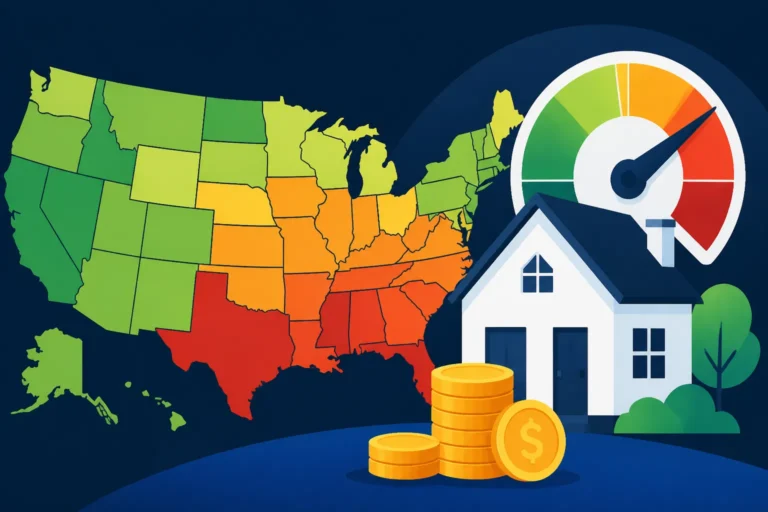
Navigating property taxes can be tricky, as rules and options vary significantly by location. What's accepted in one county might be unheard of in another. It's crucial to understand these local differences.
Understanding Your Local Tax Authority's Policies
The most important step before attempting to pay your property taxes with a credit card, or any method for that matter, is to thoroughly understand your specific local tax authority's policies. This means checking the website of your county's appraisal district, tax assessor-collector, or city treasury. These sites are the definitive source for:
- Accepted Payment Methods: They will clearly list all the ways you can pay your bill, whether it's online via eCheck, credit card, mail, or in-person. Some smaller municipalities might not have the infrastructure for online credit card payments, or they might only accept certain card networks (Visa, Mastercard, etc.).
- Processing Fees: If credit card payments are accepted, the website will detail the exact percentage fee or flat fee charged. This is critical for calculating whether the payment strategy makes financial sense for you. For instance, in some parts of Florida, you might find a 2.35% fee, while in certain Illinois counties, it could be closer to 2.5%.
- Due Dates and Deadlines: Each jurisdiction has specific property tax due dates. Missing these deadlines, even by a day, can trigger penalties and interest. For example, When Are Property Taxes Due in Texas? is typically by January 31st, while in California, payments are generally due in two installments, by November 1st and February 1st, as detailed in Property Tax Due Dates in California (Nov 1 / Feb 1). Always confirm these dates to avoid any surprises.
- Payment Plans and Deferrals: Your local authority will also be the place to find information on any available payment plans or deferral programs if you're experiencing financial hardship. It's always better to work with the tax office directly if you anticipate difficulties.
Always refer directly to your official property tax bill or the relevant government website. Don't rely on general advice, as property tax rules are highly localized.
The Impact on Your Credit Score
Using a credit card for a large payment like property taxes can have implications for your credit score, both positive and negative, depending on how you manage it.
- Credit Utilization: A large property tax payment, even if you intend to pay it off quickly, will temporarily increase your credit utilization ratio. This ratio, which measures the amount of credit you're using compared to your total available credit, is a significant factor in your credit score. If you have a credit limit of $10,000 and put a $5,000 property tax bill on it, your utilization jumps to 50%. Even if you pay it off before the due date, your credit report might show a higher utilization based on when the credit card company reports to the bureaus, which could cause a temporary dip in your score. For optimal credit health, it's generally recommended to keep your utilization below 30% or even 10%.
- Payment History: On the positive side, if you pay your property tax bill on time (and pay off your credit card balance in full), it contributes to a strong payment history, which is the most critical factor in your credit score. Responsible credit card use, even for a large amount, demonstrates your ability to manage debt effectively.
- Accruing Debt: The most significant negative impact comes from carrying a balance and incurring high-interest debt. If you can't pay off the property tax amount on your credit card, the accumulating interest and the prolonged higher credit utilization will negatively affect your credit score. Furthermore, if you struggle to make the minimum payments, you risk late payment marks on your credit report, which can severely damage your score and financial standing for years.
In summary, while using a credit card can be a viable payment option for some, it requires a thorough understanding of the costs, a solid financial plan, and meticulous management to ensure it benefits rather than harms your financial health. If you're wondering What Happens If You Don't Pay Property Taxes?, consider that the impact on your credit score and financial future can be far more significant than the immediate convenience.
Here's a quick comparison of common property tax payment methods:
| Payment Method | Pros | Cons | Typical Cost/Fee |
|---|---|---|---|
| Credit Card | Convenient, instant payment confirmation, potential for rewards/sign-up bonuses, bridge cash gap. | High processing fees (2-3.5%), high interest rates if balance carried, potential temporary hit to credit utilization. | 2% – 3.5% of transaction amount (e.g., $100-$175 on a $5,000 bill), plus credit card APR if not paid off in full. |
| eCheck / ACH | Very convenient, secure, often instant confirmation. | Requires accurate bank account information; errors can lead to delays/fees. | Usually free, or a small flat fee ($1-$2). |
| Physical Check/Mail | No processing fees (except postage), widely accepted, clear paper trail. | Slower (mailing time), risk of postal delays or loss, requires manual effort, no instant confirmation of receipt. | Cost of postage. |
| In-Person Payment | Instant confirmation, can pay with cash, direct interaction with tax office. | Less convenient (travel, wait times), limited office hours. | Typically free for check/cash; debit card might have a small flat fee. |
| Escrow Account | Completely hands-off, spreads cost over year, ensures timely payment, no fees. | Less control over funds, requires a mortgage, slight increase in monthly mortgage payment. | No direct fees, but funds are held by lender. |
| Installment Plan | Spreads cost over year, easier budgeting. | Not available in all jurisdictions, may require an initial application, could have small administrative fees. | Varies by jurisdiction; sometimes free, sometimes small admin fees. |
Disclaimer
The information provided in this article is for general informational purposes only and does not constitute financial, legal, or tax advice. Property tax laws and regulations vary significantly by jurisdiction and can change frequently. You should consult with a qualified financial advisor, tax professional, or your local tax authority for advice tailored to your specific situation. Reliance on any information in this article is solely at your own risk.