Do Seniors Get a Property Tax Break?
For many seniors, living on a fixed income means every bill can feel like a mountain, and property taxes are often among the most daunting. The anxiety of seeing those tax statements rise year after year, especially when your income isn't keeping pace, is a very real and understandable struggle. This comprehensive guide is here to shed light on how property tax systems do often offer breaks and relief programs specifically designed for older homeowners, helping you understand what's available and how to access it.
The Mounting Burden of Property Taxes for Seniors
It’s no secret that the cost of living seems to creep higher every year, and property taxes are often a significant part of that equation. For seniors, many of whom are living on pensions, Social Security, or other fixed incomes, these rising costs aren't just an inconvenience; they can be a genuine threat to their financial stability and even their ability to stay in the homes they've loved for decades.
Fixed Incomes vs. Rising Costs
Imagine spending your entire adult life paying off a mortgage, only to find yourself still burdened by substantial property tax bills in your golden years. This is the reality for countless seniors across the country. While your income may have been sufficient during your working years, retirement often brings a significant reduction in earning potential. Social Security benefits might increase slightly with cost-of-living adjustments (COLAs), but these rarely keep pace with the rapid appreciation of home values and the subsequent increase in property tax assessments. It creates a perpetual squeeze: your home's value, which might be your largest asset, paradoxically contributes to a higher tax bill that you struggle to afford. This disparity between stagnant income and escalating taxes is a core reason why so many states and local municipalities have enacted special programs for older residents.
The Threat of Displacement
The worst-case scenario for any senior homeowner is the fear of being taxed out of their home. When property taxes become unaffordable, it forces difficult choices. Some might cut back on essential expenses like healthcare or groceries to meet their tax obligations. Others might feel pressured to sell their beloved homes, uprooting their lives and leaving communities they've been a part of for decades. This isn't just about losing a house; it's about losing a sense of security, belonging, and the comfort of familiar surroundings. Governments recognize this profound impact, and that's why many property tax relief initiatives for seniors are designed to prevent such displacement, aiming to help older adults age in place with dignity.
Common Types of Property Tax Relief for Seniors
Thankfully, many jurisdictions understand the unique financial challenges seniors face and offer various programs to ease their property tax burden. These aren't handouts, but rather acknowledgments of contributions made and a commitment to helping seniors maintain their independence.
Homestead Exemptions and Enhanced Exemptions
One of the most widespread forms of property tax relief is the homestead exemption. While general homestead exemptions are often available to all homeowners on their primary residence, many states and counties offer enhanced versions specifically for seniors. These often provide a larger reduction in a home's taxable value compared to the standard exemption. For instance, in Florida, homeowners can apply for a basic homestead exemption, but seniors meeting certain age and income criteria can qualify for additional exemptions. This means that a portion of your home's assessed value is simply removed before the tax rate is applied, directly lowering your bill. To dive deeper into what might be available in your area, consider exploring our guide on the Homestead Exemption: Complete State-by-State Guide.
The specifics of these exemptions vary wildly. Some states, like Texas, offer a significant general homestead exemption that is then added to by an over-65 exemption, effectively increasing the reduction in assessed value for seniors. Others might have income limits that apply only to the enhanced senior exemption, not the basic one. The key is that by reducing the "taxable value," these exemptions directly translate into lower tax payments.
Property Tax Freezes
Imagine your property tax bill staying the same, or at least not increasing significantly, even if your home's market value skyrockets. That's the power of a property tax freeze, which is one of the most valuable forms of relief for seniors. A property tax freeze typically caps the assessed value of your home at a certain level once you meet specific age and residency requirements. For example, in Texas, once you qualify for the over-65 exemption, your school district taxes are frozen at their current level, meaning they cannot increase even if the value of your home continues to rise. This offers tremendous long-term predictability and protection against property tax inflation, which can be a huge relief for those on a fixed income.
Not all freezes are absolute; some states or localities might implement a "partial freeze" or a "cap" on increases, such as allowing the assessed value to increase by only a small percentage each year, regardless of market conditions. Regardless of the exact mechanism, the primary goal is to provide stability and prevent seniors from being priced out of their homes due to rising valuations. Our article, Senior & Over-65 Property Tax Exemptions and Freezes, provides more context on where these programs exist.
Circuit Breaker Programs
Circuit breaker programs are another essential type of property tax relief designed to prevent your property taxes from exceeding a certain percentage of your income. Think of it like a circuit breaker in your home: when the electrical load gets too high, it trips, preventing an overload. Similarly, these programs "trip" when your property tax burden becomes too high relative to your income, providing a credit or rebate to bring it back down to a manageable level. These programs are often aimed at low-income seniors, ensuring that housing costs don't become an insurmountable financial strain.
For example, states like Missouri offer a "circuit breaker" tax credit (MO-PTC) that helps eligible seniors and disabled individuals reduce their property tax liability based on their income and the amount of property tax paid. The exact percentage and income thresholds vary by state, but the principle remains the same: ensuring that a certain portion of your income is not consumed by property taxes. This type of relief is particularly beneficial because it directly addresses the affordability issue, rather than just reducing the assessed value. You can learn more about how these programs function in our dedicated piece on Property Tax Circuit Breaker Programs (Income-Based).
Tax Deferral Programs
When seniors find themselves in a bind, unable to pay their property taxes but not wanting to sell their home, tax deferral programs can be a lifesaver. These programs allow eligible seniors to postpone paying all or part of their property taxes until a later date, typically when the home is sold, transferred, or the homeowner passes away. The deferred taxes, plus interest, become a lien on the property, much like a mortgage. This means you don't have to come up with the cash now, but the taxes are still eventually paid from the equity in your home.
This option is particularly appealing for seniors who have significant home equity but limited liquid assets. States like Oregon and California have robust deferral programs designed to provide financial flexibility without forcing a sale. While it's important to understand that these are not tax exemptions but rather postponements, they can provide crucial breathing room for seniors struggling with immediate cash flow. Exploring our guide on Property Tax Deferral Programs by State can offer a detailed look at how these work.
Specific Exemptions (Veterans, Disability, etc.)
Beyond age-based relief, many states offer additional exemptions that seniors might qualify for based on other criteria. These often include:
- Veteran Exemptions: Many states provide property tax exemptions for veterans, particularly those with service-connected disabilities. If you're a senior and a veteran, you might qualify for additional relief on top of any age-based programs. These exemptions can be quite substantial, with some states offering 100% exemption for 100% disabled veterans.
- Disability Exemptions: Similar to veteran benefits, homeowners with certain disabilities may be eligible for property tax relief, regardless of age. If you're a senior living with a disability, check if your state or local jurisdiction offers such programs.
- Surviving Spouse Exemptions: In many cases, if a spouse who qualified for a senior or veteran exemption passes away, the surviving spouse can continue to receive that exemption, often under certain conditions like remaining in the home.
These specific exemptions can often be stacked with other forms of relief, further reducing the overall property tax burden for eligible seniors. It's always worth checking all categories of exemptions that might apply to your unique situation.
Key Eligibility Criteria for Senior Tax Breaks
While the types of relief vary, there are common threads in what makes a senior homeowner eligible. Understanding these core criteria is the first step in determining if you can qualify for valuable tax breaks.
Age Requirements
This is often the most straightforward criterion: to qualify for "senior" property tax breaks, you generally need to be of a certain age. The most common age thresholds are 65, but some programs might kick in at 62, 70, or even 75. It's crucial to check the specific age requirement for your state and even your local county or city, as they can sometimes differ. For example, while a state might offer a general senior exemption at 65, a particular county might have an additional, more generous exemption for those 70 and older.
The age requirement is usually tied to the homeowner, or in some cases, at least one homeowner in the household. It's not uncommon for programs to require proof of age, such as a driver's license or birth certificate, when you apply. It's a good idea to mark your calendar for the year you'll reach the qualifying age and start researching the available programs in advance.
Residency and Ownership Status
To receive a property tax break, you almost universally need to be the owner of record and reside in the property as your primary homestead. This means the property cannot be a vacation home, a rental property (unless you're house hacking and it's still your primary residence), or an investment property. The purpose of these programs is to help seniors remain in their principal dwelling.
You'll typically need to demonstrate that the home is indeed your primary residence. This might involve providing utility bills, voter registration, or other documents that show the address is where you primarily live. Some programs also require you to have owned and lived in the home for a certain number of years, perhaps five or ten, before becoming eligible. This "continuous occupancy" rule prevents people from buying a home just to immediately claim a senior exemption. For instance, the Florida Homestead Exemption requires the homeowner to apply and declare the property their primary residence by March 1st.
Income Limitations
Many, though not all, senior property tax relief programs are income-based, especially those designed to assist lower-income homeowners. This means there's a cap on how much household income you can earn to qualify. These income limits can vary significantly by state and even by program within a state. For example, a state might have a general senior exemption with no income limit, but an enhanced "low-income senior" program that does. Circuit breaker programs, by their very nature, always have income thresholds, as their goal is to cap taxes relative to income.
When calculating income, be sure to understand what sources are included. It typically encompasses all household income, including Social Security, pensions, investment income, and any wages earned. It’s not just about your income but often the income of all occupants living in the home. You'll likely need to provide proof of income, such as tax returns or Social Security benefit statements, when applying for these means-tested programs.
Navigating State-Specific Senior Property Tax Programs
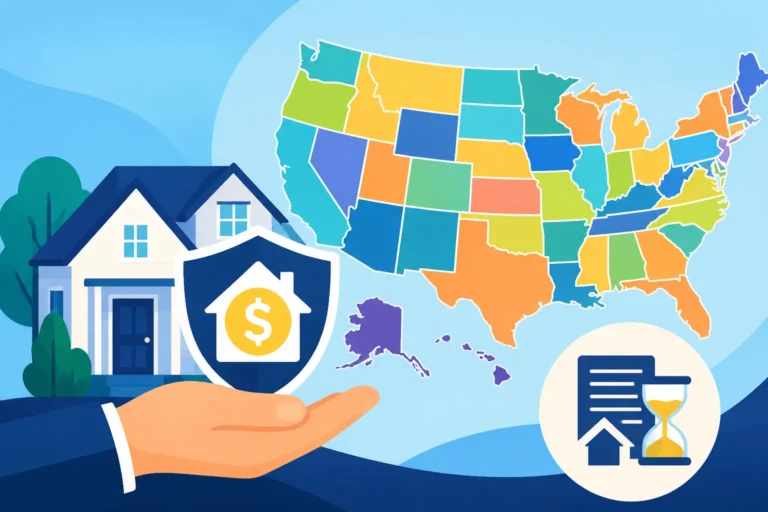
The landscape of property tax relief for seniors is far from uniform across the United States. Each state, and sometimes even individual counties or municipalities, crafts its own set of rules and programs, reflecting local priorities and economic conditions. Understanding these variations is key to finding the relief you deserve.
States with Robust Senior Programs
Some states are particularly proactive in providing significant property tax relief for their senior populations, often due to high property tax rates or a large elderly population.
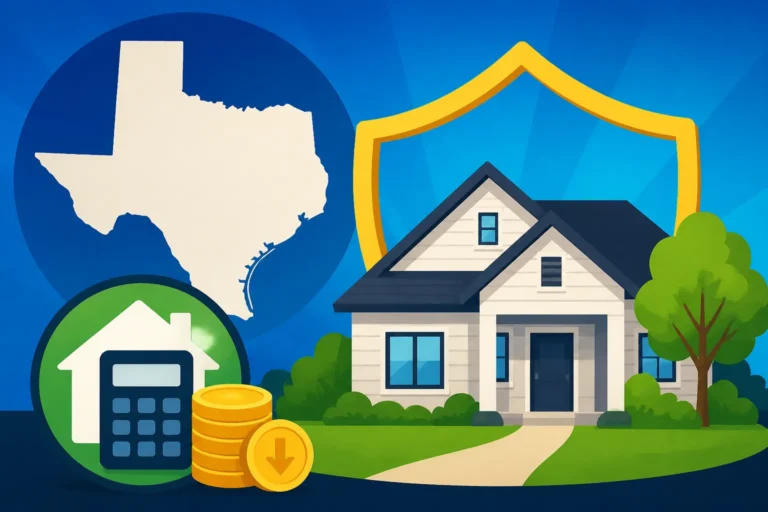
- Texas: Texas is often cited for its substantial senior property tax benefits. Once you turn 65, you qualify for an additional homestead exemption beyond the general one, and crucially, your school district taxes are frozen at their level for the year you turn 65. This freeze is a massive benefit, protecting seniors from school tax increases, which often constitute the largest portion of a property tax bill. Our article, Texas Over-65 Property Tax Exemption & School Tax Freeze, delves into this in more detail.
- Florida: The Sunshine State offers an additional homestead exemption for seniors aged 65 and older who meet specific income limitations. This exemption is added on top of the standard Florida Homestead Exemption, significantly reducing the taxable value of their homes. This income-based approach ensures that relief goes to those who need it most. More information can be found in our guide on the Florida Homestead Exemption (March 1 Deadline).
- New York: New York State offers a School Tax Relief (STAR) program, which has an enhanced version (Enhanced STAR) specifically for seniors aged 65 and older with qualifying incomes. This program provides a partial exemption from school property taxes. Additionally, many localities in New York offer a Senior Citizens Homeowners' Exemption (SCHE) which can provide further relief based on age and income. New York also has programs like the Senior Freeze (in participating municipalities) which, similar to Texas, can protect seniors from rising taxes. You can learn more about specific New York programs by looking at New York STAR vs Enhanced STAR or New York Property Tax Rate Explained.
- Illinois: Illinois has several programs for seniors, including the Senior Citizens Homestead Exemption and the Senior Citizens Assessment Freeze Homestead Exemption (SCAFHE). The Senior Citizens Homestead Exemption provides an annual reduction in the equalized assessed value of your home if you're 65 or older. The SCAFHE is even more robust, freezing the assessed value of your home at a base year level for low-income seniors, protecting them from future assessment increases. The Illinois Senior Citizens Assessment Freeze (PTAX-340) provides an in-depth look at this program.
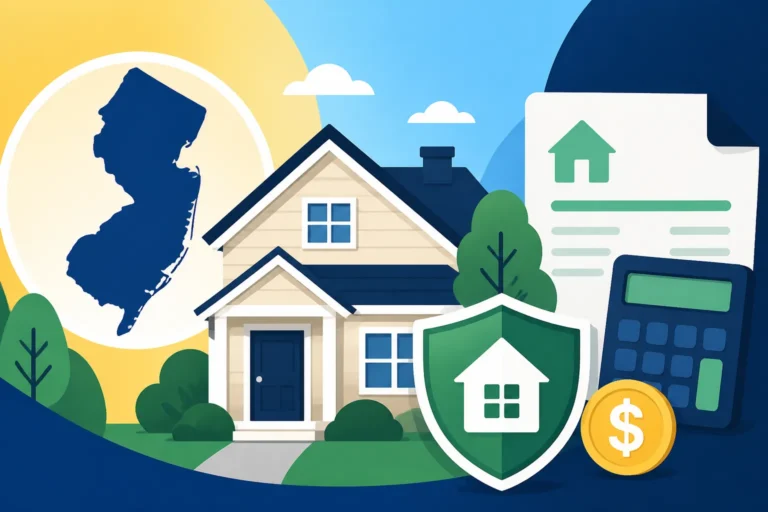
- New Jersey: Despite having some of the highest property taxes in the nation, New Jersey offers several programs to mitigate the burden on seniors. The "Senior Freeze" (Property Tax Reimbursement Program) reimburses eligible seniors for increases in property taxes they've paid on their primary residence. There's also the ANCHOR (Affordable New Jersey Communities for Homeowners and Renters) program, which provides property tax relief to many homeowners, including seniors. These programs, particularly the Senior Freeze, aim to help seniors manage the high costs of living in the state. Our comprehensive guide on the New Jersey Senior Freeze, ANCHOR & Stay NJ offers more insights.
States with More Limited or Different Approaches
Not every state offers as many programs or as generous benefits. Some states have generally lower property taxes to begin with, so the need for extensive senior relief might be less pronounced. Other states might offer different types of relief that aren't exclusively for seniors, but seniors can still benefit (e.g., general homestead exemptions, or programs for all low-income individuals).
For example, states like California, known for Proposition 13 which limits property tax increases for all homeowners, might have fewer additional programs specifically for seniors, as the existing cap already provides broad protection. However, California also has programs like the Property Tax Postponement Program for eligible seniors and disabled individuals. It’s important not to assume that a lack of "senior-specific" programs means no relief; it just means the relief might be structured differently or part of broader property tax caps.
Understanding Local Nuances
Beyond state-level programs, many individual counties, cities, and even special districts (like school districts) have the authority to implement their own property tax relief measures. This means that even within the same state, a senior homeowner in one county might qualify for more or different benefits than someone in a neighboring county.
For instance, a state might set a minimum age for a senior exemption, but a county could choose to lower that age or offer an additional, more substantial exemption if their local budget allows. This localized approach can make it a bit of a treasure hunt to find all available benefits, but it also means there might be more opportunities for savings than you initially realize. Always check with your specific county assessor's office or tax collector to understand all local programs.
The Application Process: Steps to Securing Your Relief
Finding out that you might be eligible for a senior property tax break is fantastic news, but it's only the first step. The real relief comes when you successfully navigate the application process. While details vary by jurisdiction, there are common steps and best practices to ensure you don't miss out.
Gathering Necessary Documentation
The first and often most time-consuming part of applying for any property tax exemption or program is gathering the required paperwork. Local assessors and tax collectors need evidence to verify your eligibility. You can generally expect to need:
- Proof of Age: A birth certificate, driver's license, state ID card, or passport are commonly accepted.
- Proof of Ownership: Your property deed, a recent property tax bill, or mortgage statement will establish you as the owner.
- Proof of Residency: Utility bills (electricity, water, gas), voter registration card, or car registration showing the property address as your primary residence.
- Proof of Income: If the program is income-based, you'll need recent tax returns (federal and state), Social Security benefit statements, pension statements, or other documents detailing all household income.
- Other Specific Documents: If applying for a disability or veteran exemption, you'll need documentation from the VA or medical professionals. For surviving spouse benefits, a death certificate might be required.
It's highly recommended to make copies of all documents you submit and keep them for your records. Some offices might only require copies, while others may ask to see originals. Before you even start filling out forms, call your local appraisal district or tax assessor's office and ask for a comprehensive list of required documents for the specific program you're interested in. For a general overview, our article, How to Apply for Property Tax Exemptions, provides helpful insights.
Meeting Deadlines and Reapplication Needs
This is perhaps the most critical aspect of the application process. Property tax exemptions and relief programs almost always have strict application deadlines. Miss the deadline, and you'll likely have to wait until the next tax year to apply, meaning you'll miss out on savings for an entire year. Deadlines often fall in the early part of the year, such as March 1st or April 1st, but they can vary widely.
For example, in Florida, the homestead exemption deadline is typically March 1st. In other states, it might be tied to when assessment notices are mailed out. It's not uncommon for seniors to get overwhelmed by paperwork and accidentally miss these crucial dates. Make sure to confirm the exact deadline with your local tax authority and submit your application well in advance.
Furthermore, some exemptions require you to reapply every year, while others are automatically renewed once you've initially qualified, as long as your circumstances (age, income, residency) haven't changed. For income-based programs, reapplication is often necessary to verify continued eligibility. Always clarify whether annual reapplication is needed for each benefit you receive. Setting calendar reminders can be a simple but effective strategy to stay on top of these dates.
Seeking Assistance (Local Offices, Advocacy Groups)
The application process can be confusing, especially if you're dealing with multiple forms, complex income calculations, or state-specific jargon. You don't have to go it alone.
- Local Tax Assessor/Collector Office: These are your primary resources. The staff are typically knowledgeable about all local and state programs and can often walk you through the application forms, explain requirements, and even help you gather the right documents. Don't be shy about asking questions; it's their job to assist taxpayers.
- Senior Citizen Centers: Many local senior centers or Area Agencies on Aging offer free assistance with navigating government benefits, including property tax relief programs. They often have volunteers or staff trained to help seniors complete applications.
- Legal Aid or Elder Law Attorneys: If your situation is particularly complex, or if you've been denied an exemption and believe it's an error, a legal aid service or an elder law attorney might be able to offer more in-depth advice or representation.
- Community Advocacy Groups: Various non-profit organizations focus on helping low-income individuals and seniors access benefits. A quick online search for "senior property tax help" coupled with your city or county name might reveal local groups.
Leveraging these resources can significantly reduce the stress and potential for errors in the application process, ensuring you receive all the benefits you're entitled to.
Beyond Exemptions: Other Strategies to Manage Property Taxes
While senior-specific exemptions and relief programs are incredibly valuable, they aren't the only tools in your arsenal for managing your property tax burden. Sometimes, the issue isn't just about qualifying for relief, but about ensuring your property is assessed fairly in the first place.
Appealing Your Property Tax Assessment
One of the most powerful, yet often underutilized, strategies for lowering your property taxes is to appeal your property tax assessment. Your property tax bill is essentially calculated by multiplying your home's assessed value by the local tax rate. If your assessed value is too high, your taxes will be too high, regardless of any exemptions you receive. Many seniors, especially those who have lived in their homes for decades, might find that their assessments haven't kept pace with true market value or contain errors.
The appeal process typically involves:
- Reviewing Your Assessment Notice: When you receive your annual notice of appraised or assessed value, don't just glance at the tax amount. Look closely at the value the assessor has assigned to your home and compare it to what you believe it's truly worth. Our guide on How to Read Your Property Tax Bill can help you understand all the components.
- Gathering Evidence: To successfully appeal, you need to present compelling evidence that your home is overvalued. This often means finding comparable sales (comps) of similar homes in your neighborhood that sold for less than your assessed value. Photos of deferred maintenance, structural issues, or outdated features in your home can also serve as evidence.
- Filing a Protest/Appeal: There are strict deadlines for filing an appeal, usually within a short window after receiving your assessment notice. You'll typically start with an informal review and, if unsatisfied, move to a formal hearing with an appraisal review board or similar body.
Many homeowners find the idea of appealing daunting, but it can yield significant savings. Some states, like Texas, even allow for "unequal appraisal" protests where you argue that your home is assessed higher than similar homes in your area, even if the market value might support the higher assessment. To understand the full process, check out our comprehensive guide on How to Appeal Property Taxes: Complete Guide.
Understanding Your Property Tax Bill
It might sound basic, but truly understanding your property tax bill is a crucial step in managing your taxes. Many people just look at the bottom line and pay it, without realizing what factors contribute to that total. Your bill breaks down where your tax dollars are going – to the school district, the county, the city, emergency services, and other special districts.
By understanding how your property taxes are calculated, you can identify potential areas for relief or protest. For instance, if a significant portion of your bill goes to the school district, and you live in a state like Texas with an over-65 school tax freeze, you'll know exactly which part of your bill should be frozen. Also, familiarizing yourself with terms like "assessed value," "market value," "taxable value," and "mill rate" will empower you to have more informed conversations with tax officials and better identify errors. Understanding how your property is valued, as detailed in our article on Property Tax Assessment & Reassessment Explained, is fundamental. Knowledge truly is power when it comes to property taxes.
By combining senior-specific exemptions with proactive strategies like assessment appeals and a thorough understanding of your tax bill, you can significantly reduce the financial stress that property taxes often impose, allowing you to enjoy your retirement in the home you cherish.
Disclaimer
Please remember that property tax laws and programs are highly dynamic and can change frequently. The information provided in this guide is intended for general informational purposes only and does not constitute legal or financial advice. Always consult with your local tax assessor's office, a qualified financial advisor, or a tax professional to get the most accurate and up-to-date information pertaining to your specific situation and location.