Missouri Personal Property Tax (Car Tax)
That annual personal property tax bill in Missouri often feels like a sudden gut punch, doesn't it? Just when you think you've got all your finances squared away, another reminder pops up that owning a vehicle, boat, or even an ATV comes with its own set of ongoing responsibilities beyond registration and insurance. It’s a distinct tax that many other states don't have in the same way, and it can leave you scratching your head, wondering exactly what it is, how it's calculated, and if there's any way to ease the burden. This guide is here to unravel the mysteries of the Missouri personal property tax, helping you understand your obligations and navigate the process with a bit more confidence.
What Exactly is Missouri Personal Property Tax?
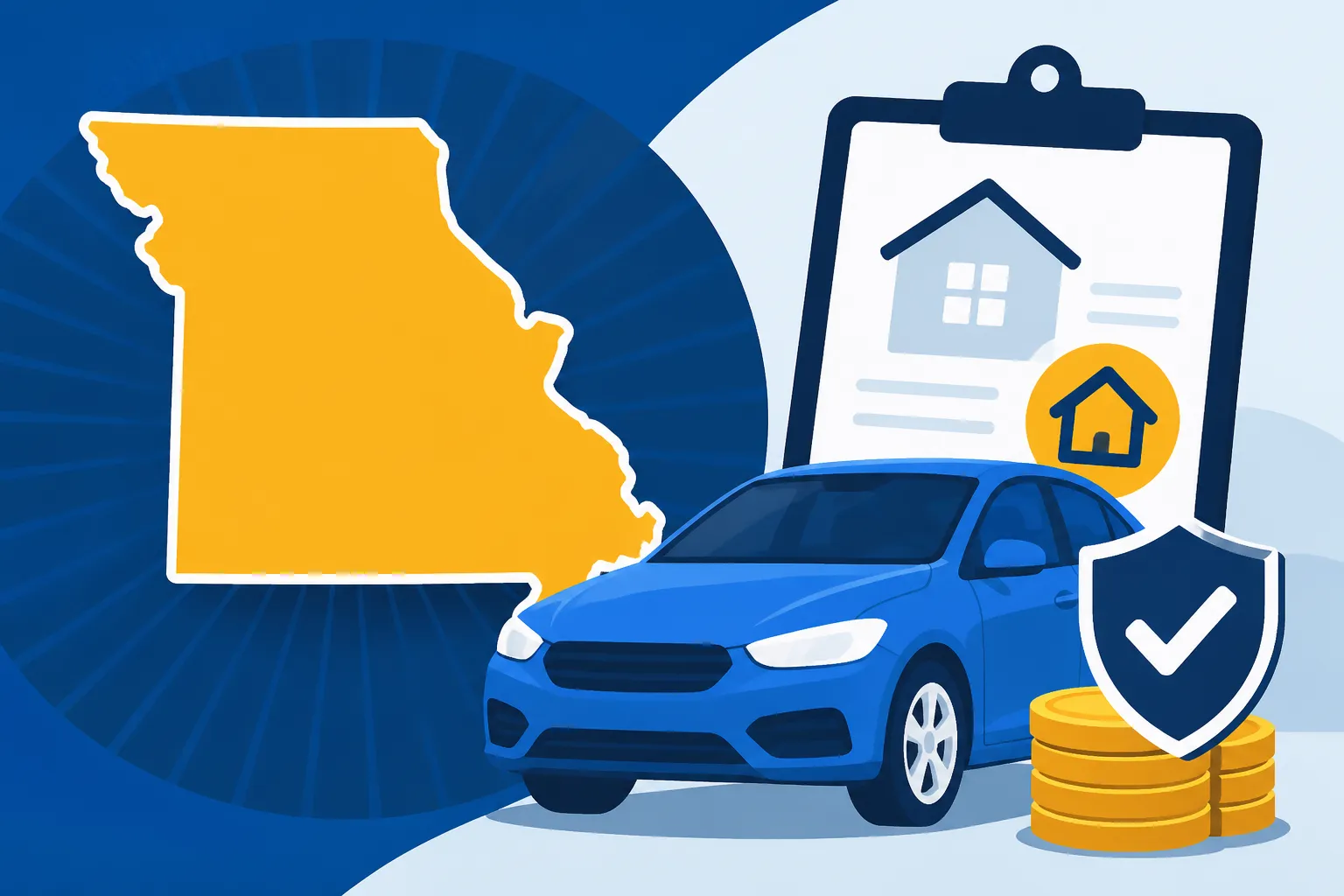
Let's start by clarifying what we're even talking about here, because "personal property tax" can sound a bit vague, especially if you've moved to Missouri from a state that doesn't have such a system. In the Show-Me State, personal property tax is an annual tax levied on tangible personal property that you own, with the most common and impactful item for most households being vehicles. This isn't just cars, though; it extends to motorcycles, trucks, boats, recreational vehicles (RVs), airplanes, and even livestock or farm machinery if you're in an agricultural setting. It’s a different beast entirely from the property taxes you pay on your home and land, which we refer to as real estate property tax.
Understanding the Basics of Vehicle Taxation
For the vast majority of Missourians, the personal property tax conversation revolves almost entirely around their cars and trucks. Unlike a sales tax you pay once when you buy a vehicle, or annual registration fees, the personal property tax is an ongoing annual levy based on the assessed value of your vehicles. It’s important to understand that you’re taxed on any personal property you owned on January 1st of the tax year. So, if you bought a car in July, you won't pay personal property tax on it until the following year. Conversely, if you sell a car in March, you're still on the hook for the tax for that year because you owned it on January 1st. This often catches people off guard when they sell a vehicle early in the year and wonder why they still have a tax bill.
This tax is crucial for funding local government services. While real estate property taxes largely support school districts and other large municipal projects, personal property tax contributes significantly to counties, cities, and sometimes even smaller districts like fire or library districts. So, while it might feel like just another bill, it plays a vital role in maintaining the infrastructure and services you use every day, from paved roads to local police departments.
Personal Property Beyond Just Cars
While vehicles are the primary focus for most, it's worth remembering that the "personal property" umbrella can be wider. For individuals, this rarely extends much beyond modes of transportation and recreational items. However, for businesses, personal property tax can include things like furniture, fixtures, machinery, and equipment used in their operations. This distinction is important because the way these different types of personal property are valued and assessed can vary.
For instance, a commercial truck used for a business might be assessed differently than a personal car, reflecting its depreciation schedule and use. Similarly, someone with an extensive collection of valuable boats or an actual farm with significant livestock and machinery will have a more complex personal property declaration than a typical family with two cars. The underlying principle, however, remains the same: you're being taxed on the tangible assets you own that are not considered real estate. This is why when you're looking at your total tax burden, it's essential to consider both your Property Tax vs Home Value: What Drives Your Bill and your personal property obligations.
How Your Missouri Car Tax is Calculated
The calculation of your Missouri personal property tax isn't a single, straightforward percentage across the board. It's a localized system, meaning the amount you pay will depend heavily on where you live and the assessed value of your particular vehicle. It’s a combination of two main factors: the assessed value of your personal property and the local tax rate (often called a mill rate or levy) set by various taxing jurisdictions in your area.
The Role of Assessed Value in Calculations
First, let's talk about assessed value. When it comes to real estate, the Property Tax Assessment & Reassessment Explained process can be complex, involving market analysis and physical inspections. For personal property, especially vehicles, it's generally a bit more standardized. Each year, your county assessor's office determines the market value of your vehicle as of January 1st. They typically use recognized pricing guides, like the National Automobile Dealers Association (NADA) guide, to establish a fair market value. From that market value, a specific assessment ratio is applied to get your assessed value.
In Missouri, the assessment ratio for most personal property, including motor vehicles, is 33.3%. So, if your car has a market value of $15,000, its assessed value would be $5,000 ($15,000 x 0.333). This assessed value is the number that the local tax rate will then be applied to. It’s crucial to understand that as your vehicle ages and depreciates, its market value will naturally decrease, and so will its assessed value, leading to a lower tax bill over time – unless, of course, local tax rates increase significantly.
Unpacking Local Mill Rates and Levies
Once you have your assessed value, the next piece of the puzzle is the local tax rate, or mill rate. This is where things can get a little nuanced because your total tax rate is actually an aggregate of rates from several different taxing jurisdictions. These can include your county, city, local school district, library district, fire district, and sometimes other special taxing entities. Each of these entities sets its own levy, expressed as a number of "mills." A mill is $1 of tax for every $1,000 of assessed value. So, if a jurisdiction has a levy of 10 mills, that means you pay $10 for every $1,000 of your assessed value. You can learn more about this in our guide, What Is a Mill Rate? (Millage Explained).
For example, if you live in St. Louis County, your personal property tax rate will be different from someone living in rural Greene County or in Kansas City, Jackson County. Each county, and indeed each specific town or school district within that county, will have its own unique combination of levies. The total of all these individual levies is your combined local tax rate. Let's say your combined rate is 75 mills. If your car’s assessed value is $5,000, your tax bill would be $5,000 / 1,000 * 75 = $375. This explains why people in different parts of Missouri, even with the same car, can pay vastly different amounts in personal property tax.
How Often Is Property Reassessed?
While real estate typically undergoes a full reappraisal cycle every two years in Missouri, personal property, especially vehicles, is effectively "reassessed" annually. This isn't a full physical inspection every year, but rather an annual re-evaluation of its market value using those standard pricing guides we discussed. As we touched on earlier, the value of your car will generally go down each year due to depreciation.
This yearly adjustment means your personal property tax bill will naturally fluctuate as your vehicle ages. New cars will generally have higher personal property tax bills in their first few years, which then gradually decrease. When you purchase a new vehicle, the assessor will use its purchase price and then apply depreciation models. If you get a new vehicle or dispose of an old one, it's crucial to report these changes accurately during your annual declaration so your assessment reflects your current property on January 1st of the tax year. Understanding How Often Is Property Reassessed? for both real and personal property is key to anticipating your tax obligations.
Navigating the Declaration and Payment Process
Dealing with property taxes, whether real estate or personal, often feels like a never-ending cycle of forms and deadlines. Missouri's personal property tax is no exception, and missing a step can lead to penalties or delays in renewing your vehicle registration. It’s a process that requires attention to detail each year.
Annual Declaration Requirements and Deadlines
One of the unique aspects of Missouri’s personal property tax is the annual declaration requirement. Every year, typically by March 1st, you are required to declare all personal property you owned as of January 1st to your county assessor's office. This declaration includes details about your vehicles (make, model, year, VIN), boats, and any other taxable personal property. For example, residents of Jackson County or St. Louis County will receive a declaration form in the mail around January.
It’s crucial to return this form accurately and on time. If you don't receive a form, don't assume you're exempt; it's your responsibility to contact your assessor's office and ensure you're compliant. Failing to declare can lead to estimated assessments (which are often higher than they should be) and potential penalties. This yearly task can be a bit of a hassle, especially if you've bought or sold vehicles throughout the year, but it's the foundation upon which your tax bill is built.
Payment Methods and Important Due Dates
After you've submitted your declaration and the assessor's office has done its work, you'll eventually receive your personal property tax bill. This bill is typically mailed out in the fall, and the payment deadline is almost universally December 31st of each year. Unlike some real estate taxes that might have multiple installments, personal property tax is generally a single annual payment.
Counties across Missouri offer various ways to pay. Many, like Boone County or Greene County, provide convenient online payment portals where you can use a credit card (though often with a processing fee). You can also typically pay by mail with a check or in person at the county collector's office. It's always a good idea to check your specific county's website for their preferred payment methods and any associated fees. Missing the December 31st deadline can result in penalties and interest, and more importantly, you won't be able to renew your vehicle's license plates until your personal property taxes for the previous year are paid. Our guide on How to Pay Property Taxes: Complete Guide offers broader strategies that might be helpful.
Common Exemptions and Relief Options
While the general rule in Missouri is that if you own it, you declare it, there are a few exceptions and situations where you might find some relief from personal property tax. However, these are often quite specific and not as broad as some of the homestead exemptions you might find for real estate.
Specific Exemptions for Missouri Residents
One of the most common exemptions relates to military personnel. If you are an active-duty military member who is a non-resident of Missouri but are stationed here, your personal property may be exempt from Missouri personal property tax. This is typically covered under the Servicemembers Civil Relief Act (SCRA). However, you'll need to provide documentation to your county assessor's office, usually a copy of your Leave and Earnings Statement (LES) and military orders. This exemption is for non-residents only; Missouri residents in the military are still subject to the tax.
Beyond that, specific types of property might be exempt, such as certain intangible personal property (like stocks or bonds, which are not taxed as personal property) or business inventory that is held for sale. However, for the average homeowner with a car, there are generally very few broad exemptions that would entirely eliminate their personal property tax liability. It's not like the homestead exemptions available for real estate, where a portion of your home's value might be exempt.
Understanding Potential Penalties for Non-Compliance
The penalties for not complying with Missouri's personal property tax laws can be quite impactful, especially when it comes to vehicle registration. If you fail to pay your personal property tax by the December 31st deadline, you will accrue penalties and interest. More significantly, you will not be able to renew your vehicle's license plates for the following year until all delinquent personal property taxes are paid and cleared. When you visit the Department of Motor Vehicles (DMV) or renew online, they will check for your personal property tax receipt from the previous year. No receipt means no renewal.
This direct link to vehicle registration is a powerful enforcement mechanism. Imagine trying to renew your plates in March, only to find you owe back taxes from the previous year, plus penalties. It can throw a wrench in your plans and add unexpected costs. Therefore, it's always best to declare on time, pay on time, and keep your receipts handy. This is a common issue that causes stress for many residents, highlighting why understanding What Happens If You Don't Pay Property Taxes? is so critical, even for personal property.
Managing Multiple Vehicles and Complex Scenarios
For most households, dealing with one or two personal vehicles is manageable. But what if you have a growing collection, or perhaps you use several vehicles for a small business? These situations can add layers of complexity to your personal property tax obligations.
Tracking Assets for Personal Property Tax
If you have multiple vehicles—a daily driver, a classic car, a boat, an RV, maybe a side-by-side ATV for weekend adventures—keeping track of their values and ensuring accurate declarations each year can become a mental burden. Each item needs to be listed with its specific details (make, model, year, VIN for vehicles), and while the assessor handles the valuation, it's good practice to have an idea of their market value yourself. This helps you spot potential discrepancies in your assessment.
For those with several assets, or perhaps a small business fleet, a robust system for asset tracking can be incredibly valuable. While primarily designed for real estate investors, tools like Stessa can be adapted to keep a detailed inventory of your personal property, including acquisition dates, purchase prices, and even estimated current values. Having all this information organized in one place can make the annual declaration process much smoother and ensure you’re not overlooking any items or inaccurately reporting details. It transforms a potentially chaotic annual scramble into a more streamlined process, reducing the chances of errors or missed declarations that could lead to penalties.
Dealing with Out-of-State Moves or Vehicle Sales
Life happens, and sometimes that involves moving or buying and selling vehicles outside the neat January 1st snapshot. These scenarios require particular attention to avoid tax headaches. If you move out of Missouri after January 1st but still owned personal property here on that date, you are generally still liable for the personal property tax for that year. It’s important to contact your previous county assessor’s office to clarify your obligations and ensure you receive your tax bill.
Conversely, if you move into Missouri mid-year, you won't owe Missouri personal property tax until the following year, as you didn't own property here on the preceding January 1st. However, if your previous state also has a personal property tax, you might still be liable there for the portion of the year you resided there. When you sell a vehicle, remember that if you owned it on January 1st, you owe the tax for that year. Keep records of your sale for your declaration. If you purchase a new vehicle, it won't appear on your tax bill until the next tax year. Understanding these nuances is crucial for avoiding double taxation or unexpected bills.
Tips for Accurate Reporting and Staying Compliant
Nobody wants to pay more taxes than they have to, nor do they want to face penalties for errors. Being proactive and organized can save you time, money, and stress when it comes to Missouri personal property tax.
Verifying Your Assessment
When you receive your personal property tax assessment, it's not a bad idea to give it a quick review. Does the list of vehicles accurately reflect what you owned on January 1st? Do the makes, models, and years seem correct? While challenging the valuation of a common passenger vehicle can be difficult since assessors use standardized guides, it’s not impossible if you believe there’s a significant error. For example, if your vehicle has unusually high mileage or significant damage not accounted for, you might have grounds to discuss the valuation with the assessor's office.
You can often find information on How to Lower Your Property Tax Assessment for real estate, and some of those principles of gathering evidence of lower value might translate to personal property in specific, unusual cases. However, for most vehicles, ensuring the basic information is accurate is the primary goal. If you have unique personal property, like an antique vehicle that's been heavily restored or has specific modifications, it's worth having a conversation with the assessor to ensure it's valued fairly rather than simply by a generic model year.
Resources for Further Assistance
Navigating the intricacies of personal property tax can sometimes feel overwhelming, especially with different rules and rates across Missouri’s 114 counties. If you have specific questions about your declaration, assessment, or payment, the best first point of contact is always your county assessor's office and county collector's office. These local government bodies are responsible for calculating and collecting these taxes, and their staff are usually very helpful in answering questions specific to your situation and location.
Additionally, the Missouri Department of Revenue website offers general information and links to county resources. For those who manage multiple properties, whether real estate or substantial personal assets, utilizing financial tracking software could streamline your annual declarations. Tools like Stessa can help you maintain detailed records of all your assets, ensuring you have all the necessary information at your fingertips when it's time to file your declaration. This organized approach can prevent oversight and make the process less daunting year after year.
Disclaimer
Please remember that this article provides general information about Missouri personal property tax. Tax laws and regulations can change, and specific situations may vary. It is always recommended to consult directly with your local county assessor's office or a qualified tax professional for personalized advice regarding your personal property tax obligations.