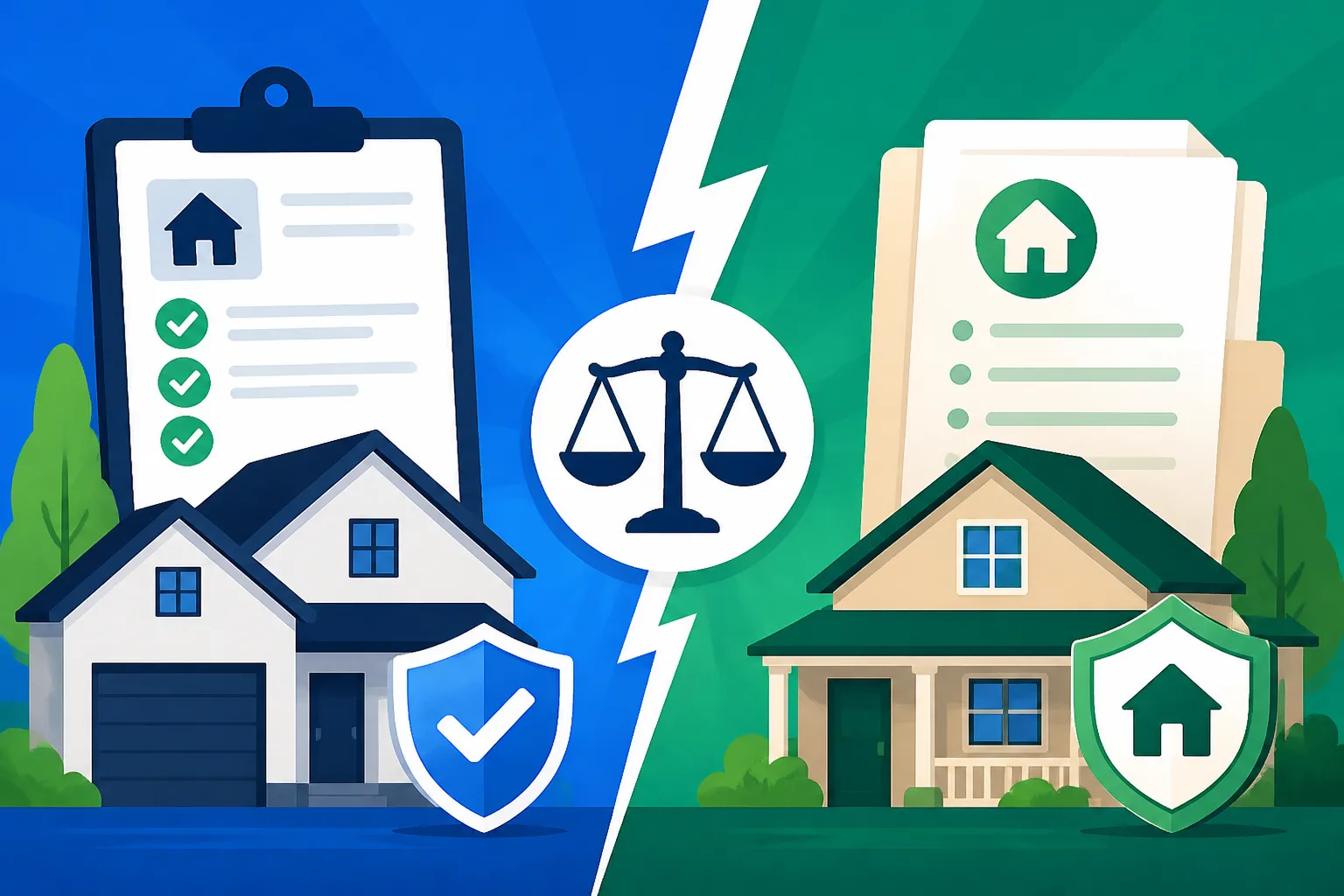
Ownwell vs O’Connor: Which Is Better?
Feeling like your property tax bill just jumped out of a horror movie? You're not alone. It's a common frustration for homeowners when that dreaded assessment notice arrives, often reflecting a value that seems wildly out of sync with reality. The idea of appealing feels overwhelming, a maze of paperwork and deadlines that few have the time or expertise to navigate. This comprehensive guide is here to shed light on two prominent services, Ownwell and O'Connor, breaking down their approaches to property tax appeals so you can confidently decide which might be your best ally in fighting for a fairer tax bill.
Understanding the Property Tax Appeal Landscape
When your property assessment seems too high, it's not just a number on a piece of paper; it translates directly into higher property taxes, eating into your budget year after year. The entire system can feel opaque, leaving many homeowners scratching their heads and wondering if there's anything they can actually do. But rest assured, there is a path to challenging an unfair assessment, and professional services exist to help you through it.
Why Property Tax Appeals Matter
Let's be real: no one wants to pay more taxes than they absolutely have to. Property taxes are a significant financial burden for most homeowners, often representing one of the largest annual expenses outside of their mortgage. When your local appraisal district assesses your home at a value higher than its actual market worth, or disproportionately higher than comparable homes in your neighborhood, you're essentially being asked to pay more than your fair share. An successful property tax appeal can result in tangible savings, not just for one year, but potentially for future years as well, as assessments often build upon previous valuations. This isn't about avoiding your civic duty; it's about ensuring fairness and accuracy in a system that can sometimes miss the mark. Understanding How Are Property Taxes Calculated? and Property Tax Assessment & Reassessment Explained can empower you to spot these discrepancies.
The DIY vs. Professional Service Dilemma
So, you've decided to challenge your assessment. The first big question you'll likely face is whether to tackle it yourself or hire a professional. Going the do-it-yourself route means taking on the full burden of research, gathering evidence, understanding local appeal procedures, and potentially presenting your case in a hearing. This can be incredibly time-consuming and daunting, especially for those who aren't familiar with real estate valuation or legal processes. You'd need to find comparable sales (often called "comps"), analyze market data, and articulate a compelling argument.
On the other hand, hiring a property tax appeal company brings in expertise and experience. These firms specialize in this exact process, often employing licensed appraisers, real estate agents, and legal professionals who understand the nuances of local tax codes and assessment methodologies. They can streamline the process, handle the paperwork, and represent you effectively. The trade-off, of course, is the cost, which typically comes in the form of a contingency fee – meaning they only get paid if they save you money. This guide is all about helping you decide if this professional help is right for you, especially when considering the options of Ownwell vs O'Connor. It's truly about weighing the stress and time commitment against the potential savings and peace of mind. For a deeper dive, check out DIY vs Hiring a Property Tax Consultant.
Ownwell: A Deep Dive into Their Approach
Ownwell has emerged as a significant player in the property tax appeal space, often highlighted for its technology-driven approach and user-friendly platform. They aim to make the process as seamless as possible for homeowners, leveraging data and algorithms to identify potential over-assessments.
How Ownwell Works and Their Fee Structure
Ownwell's process typically begins with a quick, free assessment where you provide your property address. Their system then analyzes your property's assessed value against market data and comparable properties in your area. They use a blend of advanced algorithms and human analysis to determine if you have a strong case for appeal. If they believe there's a good chance of a successful reduction, they'll offer to handle the entire appeal process on your behalf.
Their fee structure is generally contingency-based. This means you only pay them a percentage of the savings they achieve for you in the first year. For example, if your property tax bill is reduced by $1,000, and their fee is 25%, you'd pay Ownwell $250. If they don't secure any reduction, you pay nothing. This no-win, no-fee model is attractive to many homeowners, as it minimizes their upfront financial risk. The exact percentage can vary by state and property type, but it's always transparently communicated upfront. This transparency helps homeowners feel more comfortable engaging with a service like Ownwell, knowing they won't be out of pocket if the appeal isn't successful.
Ownwell's Technology and Client Experience
One of Ownwell's defining features is its heavy reliance on technology. They've built sophisticated platforms that automate much of the data gathering and analysis required for an appeal. This allows them to quickly process large volumes of property data and identify disparities that might indicate an unfair assessment. For the homeowner, this often translates into a very hands-off experience. After signing up and providing the necessary authorizations, Ownwell takes care of the rest.
Clients typically interact with Ownwell through an online portal where they can track the status of their appeal, receive updates, and communicate with their assigned property tax expert. This digital-first approach appeals to tech-savvy homeowners who appreciate convenience and efficiency. Their widespread operation means they handle appeals in numerous states and counties, from Harris County Property Tax Protest to Los Angeles County Property Tax Assessment Guide, offering a broader geographic reach than some more localized services. This focus on technology and convenience is a significant part of their client experience, aiming to remove the complexity and stress often associated with property tax appeals.
O'Connor: Exploring Their Expertise
O'Connor, often operating under the name "Cut My Taxes," also holds a prominent position in the property tax consulting world. They have a long-standing history, particularly with a strong presence in regions like Texas, and emphasize their deep local market knowledge alongside their professional services.
O'Connor's Service Model and Pricing
O'Connor's service model is quite similar to Ownwell's in its core offering: they handle the property tax appeal process for homeowners and businesses. Their approach also starts with a review of your property's assessment to determine the viability of an appeal. They employ a team of licensed appraisers and property tax consultants who are well-versed in local market conditions and assessment practices. This often involves a mix of data analysis and on-the-ground expertise to build a strong case.
Like Ownwell, O'Connor primarily operates on a contingency fee basis. This means they only charge a percentage of the actual tax savings they achieve for you. If they can't get your assessment lowered, you generally don't pay a fee for their service. This aligns with the industry standard for property tax appeal firms, making it an accessible option for homeowners who are wary of upfront costs or hourly rates that could rack up without a guaranteed outcome. The percentage typically ranges, and it's always crucial to clarify the exact terms and conditions before engaging their services.
O'Connor's Local Focus and Support
While O'Connor also utilizes technology for data analysis, they often emphasize their deep roots and extensive local market knowledge, particularly in areas like Texas. They pride themselves on having experts who understand the specific nuances of various appraisal districts, from Dallas County (DCAD) Property Tax Protest to Bexar County (BCAD) Property Tax Protest. This local focus can be a significant advantage, as property tax laws, assessment practices, and market conditions can vary widely from one county to the next.
Their support model often involves direct communication with their property tax consultants. While they might have online portals, there's often an emphasis on the human element, ensuring clients feel supported throughout the appeal process. For homeowners who prefer a more personalized touch or feel their property has unique characteristics that require nuanced understanding, O'Connor's regional expertise and established presence can be a reassuring factor. They often handle both informal settlements and formal Appraisal Review Board (ARB) hearings, leveraging their experience to navigate the system effectively. Many people looking to How to Protest Property Taxes in Texas specifically consider O'Connor due to their established presence in the state.
Comparing Ownwell and O'Connor: Key Differentiators
When you're trying to decide between professional services, it's easy to feel like you're comparing apples and oranges, especially when both offer a similar "no win, no fee" promise. However, looking closer at their operational models, geographic reach, and underlying philosophies can help clarify which service might align better with your specific needs. Both aim to help you How to Lower Your Property Tax Assessment, but their paths there might differ subtly.
Fee Structures and Financial Risk
Both Ownwell and O'Connor predominantly use a contingency-based fee structure, meaning you pay a percentage of the first year's tax savings only if they successfully reduce your assessment. This is fantastic news for homeowners, as it effectively eliminates the financial risk of hiring a consultant. If they don't save you money, you owe them nothing.
However, the specific percentage can sometimes vary. Ownwell often advertises rates around 25-30% of the savings, while O'Connor's rates have typically been in the 35-40% range. It's absolutely crucial to confirm the exact percentage with either company before you sign any agreement. For example, if a service saves you $1,000 on your annual property taxes, a 25% fee means you pay $250, while a 35% fee would be $350. Over time, these differences can add up, making the fee percentage a significant factor in your decision. Always ask for a clear breakdown of their pricing model and any potential additional costs, though these are rare with contingency-based services.
Technology, Human Touch, and Geographic Reach
Here's where some of the biggest differences between Ownwell and O'Connor often become apparent:
- Technology Focus: Ownwell is often perceived as having a more pronounced technology-first approach. They invest heavily in data science and AI to identify appeal opportunities and streamline the process. This allows them to efficiently serve a wider geographic area across multiple states. If you appreciate a modern, largely digital, and hands-off process, Ownwell's platform might resonate more with you.
- Human Touch & Local Expertise: O'Connor, while using technology, often emphasizes its strong human element and deep local market expertise, particularly in Texas. They have a well-established presence in specific regions and rely on their team of local appraisers and consultants who have intimate knowledge of local appraisal district practices and market trends. For homeowners in their core service areas, this hyper-local knowledge can be invaluable, especially for complex properties or unique local market conditions.
- Geographic Coverage: Ownwell generally boasts a broader national presence, operating in many states across the U.S. O'Connor, while also serving multiple markets, has a particularly strong and long-standing presence in Texas, often seen as a go-to for property owners there. If you're outside of O'Connor's primary strongholds, Ownwell might have a more robust service offering in your specific county. Always verify if a company serves your particular How to Find My Property Tax Rate area effectively.
What Kind of Homeowner Benefits Most from Each?
Choosing between these services often comes down to your personal preferences and the specifics of your situation.
-
Ownwell might be ideal for:
- Homeowners who prefer a streamlined, tech-driven process with minimal personal involvement.
- Those who are comfortable with digital communication and online portals.
- Individuals in states or counties where Ownwell has a strong presence, especially if O'Connor's local expertise isn't as pronounced there.
- Homeowners who are looking for a potentially lower contingency fee percentage.
-
O'Connor might be ideal for:
- Homeowners, particularly in Texas and other areas where they have a long-established, deep local presence, who value specific regional expertise.
- Those who prefer a more personalized approach with direct access to experienced local consultants who understand their specific appraisal district.
- Clients with more complex properties or unique market situations that might benefit from a nuanced human assessment.
- Individuals who might feel more secure with a company that has a long history and track record in their specific market.
Ultimately, both companies aim for the same goal: reducing your property tax burden. Your decision will hinge on which company's operational style, fee structure, and focus on technology versus local human expertise best aligns with your comfort level and the needs of your property tax appeal. It's always a good idea to research both, perhaps even get a free assessment from each, and compare their specific proposals for your property. When you're thinking about whether Are Property Tax Appeal Companies Worth It?, these details make all the difference.
Comparative Overview: Ownwell vs. O'Connor
To help summarize some of the key points we've discussed, here's a quick comparison table:
| Feature | Ownwell | O'Connor (Cut My Taxes) |
|---|---|---|
| Primary Focus | Tech-driven, data-first, broad geographic reach | Local expertise, established presence (especially TX) |
| Fee Structure | Contingency-based (e.g., 25-30% of first year savings) | Contingency-based (e.g., 35-40% of first year savings) |
| Client Interaction | Often digital portal, email, tech-forward support | Mix of digital and direct consultant communication |
| Geographic Strengths | Wide national coverage | Strongest in Texas, also operates in other states |
| Ideal for Homeowners | Seeking convenience, lower fees, digital experience | Prioritizing local expertise, established track record |
| Appeal Process | Automated analysis, expert review, full representation | Data analysis, local consultant expertise, full representation |
Remember, this table provides a general overview, and specifics like fee percentages can always change, so direct communication with each company for your particular situation is always the best approach. Regardless of who you choose, understanding How to Win a Property Tax Appeal starts with solid evidence and a clear strategy.
Final Thoughts on Your Appeal Journey
Choosing to appeal your property taxes is a smart financial move that can save you significant money over the years. The process, while initially daunting, becomes much more manageable when you have the right support. Both Ownwell and O'Connor offer valuable services, designed to take the burden off your shoulders and leverage their expertise to fight for a fair assessment.
Your decision will ultimately come down to what you prioritize: a slick, technology-forward experience with potentially lower fees and wider reach, or a more traditional, locally-focused service with deep roots in specific markets. Don't be afraid to reach out to both companies, inquire about their specific processes for your county, and get a clear understanding of their fee structure. Gathering Evidence & Comps for a Property Tax Appeal is crucial, and either company will assist in this. You've got this, and with the right partner, you can ensure your property taxes are as fair as possible.
Disclaimer
Please note that this article provides general information and is not financial or legal advice. Property tax laws and assessment procedures vary significantly by state and locality. It is recommended to consult with a qualified property tax professional or legal expert for advice tailored to your specific situation. The information regarding specific companies like Ownwell and O'Connor is based on publicly available data and general knowledge at the time of writing and may be subject to change.