Pay Harris County Property Tax Online
Navigating property taxes can feel like tackling a complex puzzle, especially when you're trying to figure out the easiest and most secure way to pay. For homeowners in Harris County, Texas, the annual property tax bill often brings a mix of questions about payment options, deadlines, and where exactly your hard-earned money goes. This comprehensive guide is here to demystify the process of paying your Harris County property taxes online, ensuring you can manage this crucial financial responsibility with confidence and ease.
Understanding Your Harris County Property Tax Obligations
Before we dive into how to pay, it's essential to understand what you're paying. Your property tax bill in Harris County isn't just one lump sum collected by a single entity; it's a compilation of levies from various local taxing units, all consolidated for collection by the Harris County Tax Assessor-Collector's office. This can sometimes make the process seem more daunting than it is.
Who Levies Property Taxes in Harris County?
When you open that tax bill, you'll see charges from several different entities. These typically include the county itself, your local independent school district (ISD), municipal utility districts (MUDs), community college districts, and possibly other special purpose districts like hospital districts or emergency services districts. Each of these bodies has its own unique budget needs and sets its own tax rate, or millage rate, based on the property values assessed within its boundaries.
For instance, if you live in Houston within Harris County, your bill might include taxes for Harris County, the City of Houston, Houston Independent School District (HISD), Houston Community College, and the Harris Health System. Outside the city limits, you might see taxes for your specific MUD or a different school district like Cy-Fair ISD or Katy ISD. Understanding these individual components can help you see why your bill is what it is, and it's a good reminder that property taxes fund essential local services like schools, libraries, parks, and first responders. Many residents are often surprised by the number of entities their tax dollars support.
How Your Property Value Impacts Your Bill
The amount you owe is directly tied to your property's assessed value, as determined by the Harris County Appraisal District (HCAD). Each year, HCAD works to establish a fair market value for every property in the county. This valuation process is critical because it forms the basis for your tax assessment. Once HCAD assesses your property, that value is then multiplied by the combined tax rates of all the various taxing units your property falls under.
It's common for homeowners to feel like their assessed value is too high, especially when home values are rising rapidly. If you ever feel that your property's assessed value is out of sync with its actual market value or is unequal compared to similar properties in your neighborhood, you have the right to protest it. The process of challenging your assessment is a vital step for many homeowners looking to manage their tax burden. Knowing How to Protest Property Taxes in Harris County (HCAD) can be incredibly empowering and potentially save you a significant amount on your annual bill. Staying informed about your property's valuation and the local market is a key part of responsible homeownership.
Methods for Paying Harris County Property Taxes
Thankfully, the Harris County Tax Assessor-Collector's office understands that convenience is key when it comes to paying taxes. They offer several ways to settle your property tax bill, catering to different preferences and situations. While online payment is a huge time-saver for many, it's good to know all your options.
Online Payment Options
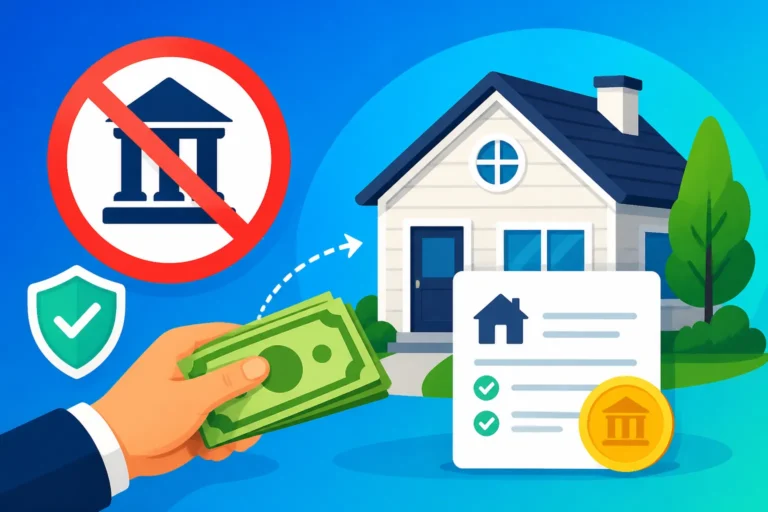
For most homeowners, paying online is the fastest, easiest, and most secure method. The Harris County Tax Assessor-Collector website provides a dedicated portal for property tax payments. You can typically pay using a credit card, debit card, or e-check (ACH transfer directly from your bank account). There are usually convenience fees associated with credit and debit card payments, which are charged by the payment processor, not the county. E-check payments, however, often come with a much lower or even no fee, making them a popular choice for many.
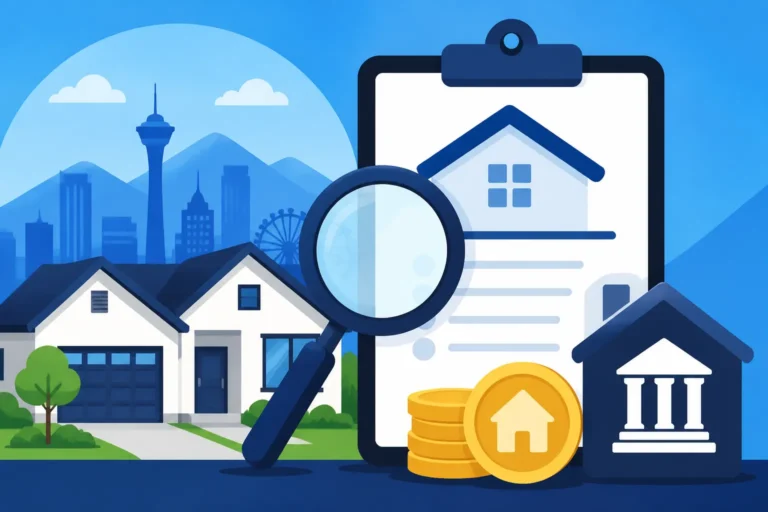
The online portal also allows you to look up your property tax account using your address, owner name, or account number. This feature is incredibly helpful for checking your current balance, payment history, and ensuring everything is accurate. For detailed information on your specific property, you might also want to explore the Harris County Property Tax Search & Lookup resources available online. This transparency is a big step forward from the days of only receiving paper bills.
Traditional Payment Methods
While online is often preferred, not everyone wants to or can pay that way. The Harris County Tax Assessor-Collector still supports several traditional methods.
- Mail: You can always send a check or money order through the mail. Be sure to use the correct address and mail it well in advance of the deadline to ensure it's postmarked on time. A late postmark could lead to penalties, even if you mailed it before the actual due date.
- In Person: If you prefer face-to-face interaction or need to pay with cash, you can visit one of the Harris County Tax Assessor-Collector's branch offices. They have locations across the county, including their main office in downtown Houston. This can be particularly useful if you have questions or need to resolve a specific issue with your bill.
- Drop Boxes: Some locations may offer secure drop boxes for payments, though it's always wise to confirm their availability and security protocols before dropping off a payment, especially close to a deadline.
- Third-Party Payments: For those with mortgages, it's common for property taxes to be paid through an escrow account managed by your lender. In this scenario, your mortgage payment includes an amount set aside for taxes, and the lender pays the bill directly when it's due. If you're unsure whether your taxes are escrowed, check your mortgage statements or contact your lender. Companies like LendingTree can offer resources if you're exploring mortgage refinancing options that might impact your escrow situation, or simply want to understand your current financial obligations better.
Knowing all these avenues means you have flexibility, but for speed and tracking, online often wins out.
Step-by-Step Guide to Online Property Tax Payment in Harris County
Paying your Harris County property taxes online is designed to be straightforward, but having a clear roadmap can certainly ease any first-time jitters or refresh your memory if it's been a while. Let's walk through the process together, making sure you hit all the right notes.
Accessing the Official Payment Portal
Your first stop will always be the official website of the Harris County Tax Assessor-Collector. It's crucial to go directly to the official site to avoid any phishing scams or unofficial payment processors that might charge excessive fees or mishandle your information. A quick web search for "Harris County Tax Assessor-Collector" will usually lead you to the correct government domain, typically hctax.net. Once there, you'll look for a clear link or section dedicated to "Property Tax Payment" or "Pay Your Taxes."
Once you're on the payment portal, you'll need to locate your specific property tax account. This is usually done by entering one of the following: your property account number (found on your tax statement), your property's physical address, or the owner's name. It's often easiest to use the account number, if you have your statement handy, as it's a unique identifier that will pull up your record quickly and accurately. Take a moment to verify that the property details displayed match your home before proceeding. This simple check can prevent misapplied payments, which nobody wants to deal with later!
Completing Your Online Transaction
After confirming your property details and the amount due, you'll be presented with the available payment methods. As mentioned, these typically include e-check (ACH transfer), debit card, and credit card.
- E-check (ACH): If you choose this option, you'll need your bank account number and routing number. This method usually incurs the lowest processing fee, sometimes a flat fee as low as $1 or $2, or even no fee at all depending on the county's arrangement with the payment processor. It's like writing a digital check directly from your bank.
- Debit/Credit Card: For debit or credit card payments, you'll enter your card number, expiration date, CVV code, and billing address. Be aware that these typically come with a percentage-based convenience fee, often around 2.25% to 2.5% of the total payment amount. While this fee can add up for larger tax bills, the convenience and potential for earning credit card rewards (if you choose that route) can sometimes outweigh the cost for some individuals. Always calculate the fee before confirming to avoid surprises.
Once you've selected your payment method and entered the necessary information, you'll be prompted to review your payment details one last time. Double-check the payment amount, the property account number, and your chosen payment method. After confirming everything is correct, you'll submit the payment. It’s highly recommended to print or save a digital copy of your confirmation page, which will usually include a confirmation number. This is your proof of payment and invaluable if any discrepancies arise. Many systems will also email you a receipt. For rental property owners, keeping these records meticulously organized is key for tax purposes, and tools like Stessa can help track these expenses efficiently.
Common Issues and Troubleshooting When Paying Online
While paying online is generally smooth sailing, it's not unheard of to run into a snag or two. Knowing what to do when things don't go as planned can save you a lot of stress and potential late fees.
Dealing with Payment Processing Errors
One of the most frustrating things is getting an error message when you try to submit your payment. This could happen for several reasons. Sometimes, it's as simple as a typo in your bank account or credit card number. Always double-check those digits carefully, especially the routing number for e-checks or the expiration date on your card. Another common issue is insufficient funds if you're using an e-check or if your bank has daily transaction limits for debit cards. Make sure you have enough money in the account or contact your bank to temporarily raise a limit if needed.
Occasionally, the payment portal itself might be experiencing temporary technical difficulties due to high traffic, especially close to major deadlines. If you suspect this, try waiting a bit and attempting the payment again. If the problem persists, clearing your browser's cache and cookies or trying a different web browser (like Chrome, Firefox, or Edge) can sometimes resolve the issue. If all else fails, take a screenshot of any error messages you receive, as this will be helpful information if you need to contact the Tax Assessor-Collector's office directly.
What to Do If Your Payment Doesn't Appear
After successfully submitting an online payment, you usually receive an immediate confirmation. But what if you don't? Or if you check back later and don't see the payment reflected on your account? This can certainly cause a moment of panic, but don't fret just yet.
First, check your email, including your spam or junk folder, for a payment confirmation receipt. Many systems send these automatically. If you have a confirmation number from the website, hold onto it tightly. Then, allow a few business days for the payment to fully process and post to your account. E-checks, for example, often take 3-5 business days to clear, while credit card payments are usually faster but still not always instantaneous. If, after a reasonable waiting period, your payment still isn't showing, gather your confirmation number, the date and time of the transaction, and any screenshots of errors or confirmations. Then, contact the Harris County Tax Assessor-Collector's office directly. Their customer service representatives can often trace the payment using your details. If it turns out your payment failed, they can guide you on how to re-submit it without incurring penalties, especially if you have proof of your original attempt before the deadline.
Important Deadlines and Penalties to Avoid
Missing a property tax deadline can lead to unnecessary stress and additional costs. Understanding when your payments are due and what happens if you're late is crucial for responsible homeownership in Harris County. Texas has clear rules regarding property tax due dates and the penalties that apply.
Key Property Tax Due Dates
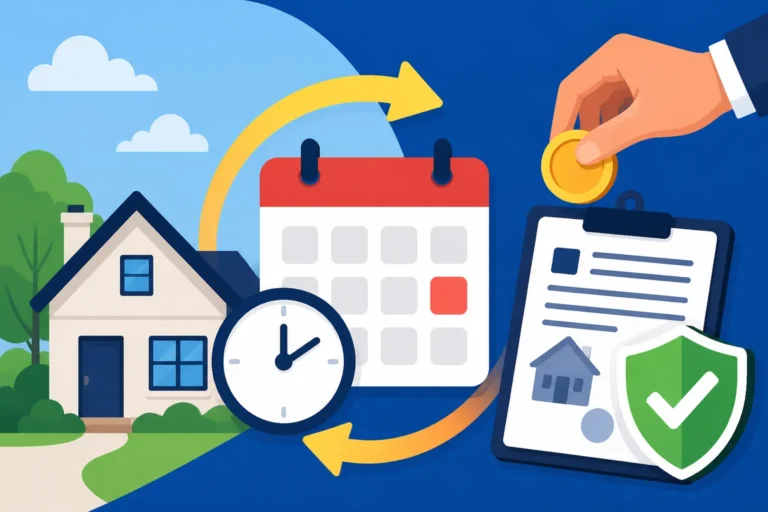
In Texas, property tax bills are typically mailed out in October, and the official due date for all property taxes is January 31st of the following year. So, for your 2025 property taxes, the bill would arrive in late 2025, and payment would be due by January 31st, 2026. This might seem like a long window, but it can fly by, especially with the holiday season in between.
It's important to remember that this January 31st deadline is firm. If January 31st falls on a weekend or holiday, the deadline is typically extended to the next business day. However, it's always best to aim to pay well before the last minute to avoid any unforeseen issues, like technical glitches with online payments or mail delays. If you're managing multiple properties or just want to stay on top of your finances, it helps to mark these dates on your calendar as soon as your bill arrives. You can find more comprehensive details on Property Tax Due Dates by State, but for Harris County, January 31st is the date to circle.
Understanding Penalties and Interest
Unfortunately, if you miss the January 31st deadline, penalties and interest quickly begin to accrue on your unpaid balance. For payments made in February, a 7% penalty and interest rate typically applies. This rate increases each month thereafter. By July 1st, the combined penalty and interest can reach as high as 12% to 15%, plus an additional 15% to 20% collection fee if the account is turned over to a delinquent tax attorney.
| Month Payment is Made | Penalty Rate | Interest Rate | Total Accrued Rate (Example) |
|---|---|---|---|
| February | 6% | 1% | 7% |
| March | 7% | 2% | 9% |
| April | 8% | 3% | 11% |
| May | 9% | 4% | 13% |
| June | 10% | 5% | 15% |
| July | 12% | 6% | 18% (plus collection fees) |
Note: These rates are illustrative and can change. Always check the official Harris County Tax Assessor-Collector's website for current penalty and interest rates.
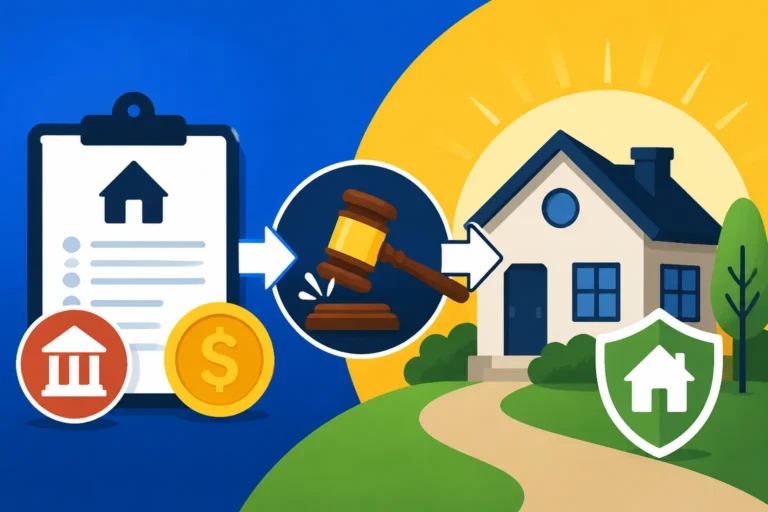
These penalties can add up quickly, making a significant difference in your total bill. The state of Texas is quite strict about collecting property taxes, and ignoring a delinquent bill can have severe consequences, including ultimately leading to a property tax lien and even foreclosure. If you're struggling to pay, it's always better to contact the Tax Assessor-Collector's office before the deadline to explore options like payment plans, rather than simply letting the deadline pass. Knowing What Happens If You Don't Pay Property Taxes in Texas? can be a stark motivator to stay on schedule.
Exploring Property Tax Relief and Management Tools
Even with the convenience of online payments, property taxes can still be a significant financial burden for many Harris County homeowners. Fortunately, there are various relief programs and modern tools available to help manage this expense more effectively.
Homestead Exemptions and Other Relief Programs
One of the most impactful ways to reduce your property tax burden in Harris County is by applying for a homestead exemption. This exemption removes a portion of your home's value from taxation, effectively lowering your tax bill. In Texas, all homeowners can qualify for a general residence homestead exemption. Beyond that, additional exemptions are available for specific groups, such as seniors (age 65 and older) and disabled homeowners. For example, Texas offers a generous "over-65" exemption and a school tax freeze for seniors, which can provide substantial relief.
Applying for a homestead exemption is typically a one-time process, and it's free. You apply through the Harris County Appraisal District (HCAD), not the Tax Assessor-Collector. It's crucial to file the necessary paperwork by the deadline, usually April 30th. Many homeowners overlook this benefit, missing out on hundreds or even thousands of dollars in savings annually. We have a detailed guide on the Homestead Exemption: Complete State-by-State Guide that can shed more light on state-specific rules, but for Texas, it's a game-changer. Beyond homestead, there are also various Property Tax Disability Exemptions and even deferral programs for eligible individuals that can offer much-needed financial breathing room.
Payment Plans and Financial Management Strategies
If you find yourself unable to pay your entire property tax bill by the January 31st deadline, don't despair! The Harris County Tax Assessor-Collector's office often offers options for payment plans. These plans typically allow eligible homeowners to pay their taxes in installments, usually over several months, rather than in one lump sum. While interest and penalties may still apply to the unpaid balance, a payment plan can help prevent your account from going into full delinquency and avoid the much higher collection fees and potential legal action that can follow.
To inquire about a payment plan, you need to contact the Tax Assessor-Collector's office directly and discuss your situation. It's always best to do this proactively, as soon as you realize you might have trouble making the full payment. For those who manage multiple properties, whether as a landlord or simply a homeowner with complex finances, tracking these expenses can be a monumental task. This is where tools like Stessa come in handy. Stessa is a property management software that can help you track income and expenses, organize financial documents, and prepare for tax season, making it easier to see your property tax obligations in the context of your overall financial picture. Similarly, if you're looking for broader financial guidance or mortgage advice, resources from companies like LendingTree can help you explore options to better manage your housing costs. Being proactive about financial management is key to maintaining peace of mind.
Disclaimer
The information provided in this guide is for general informational purposes only and does not constitute financial, legal, or tax advice. Property tax laws and regulations are complex and can change. Always consult with a qualified professional, such as a tax advisor, financial planner, or attorney, for advice tailored to your specific situation. While we strive to provide accurate and up-to-date information, we make no representations or warranties of any kind, express or implied, about the completeness, accuracy, reliability, suitability, or availability with respect to the website or the information, products, services, or related graphics contained on the website for any purpose. Any reliance you place on such information is therefore strictly at your own risk.