Personal Property Tax (Car Tax) in Missouri
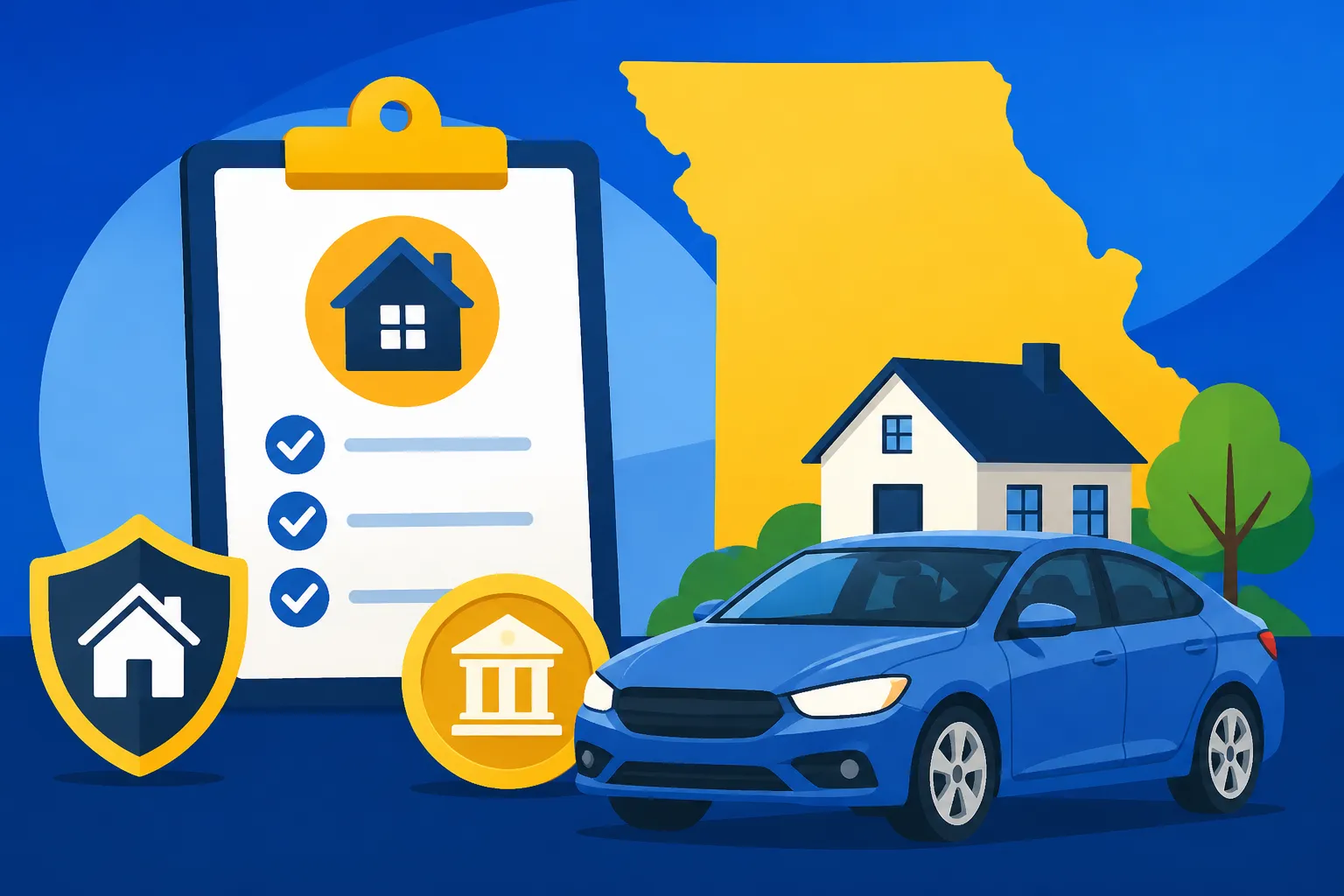
For many folks in Missouri, that annual personal property tax bill can feel like a curveball, especially if you've moved here from a state that doesn't have such a thing. It’s not just about the house you own; it's about your cars, boats, and even some business equipment. This tax often leads to confusion, frustration, and sometimes a mad dash to figure out what it all means before the deadline. This comprehensive guide is here to untangle the complexities of personal property tax (often called the "car tax") in Missouri, explaining exactly what it is, how it's calculated, and how you can manage it effectively.
Understanding Missouri's Personal Property Tax
Let's get straight to it: personal property tax in Missouri is a tax on certain movable assets you own, not your real estate. While many states only tax real property like land and buildings, Missouri, along with a handful of other states, also levies a tax on specific types of personal property. This isn't just some old, obscure rule; it's a significant source of revenue for local governments across the state, funding essential services that impact your daily life.
What Constitutes Taxable Personal Property in Missouri?
When we talk about personal property tax in Missouri, most people immediately think of their car, and they're right to do so! Motor vehicles are usually the biggest chunk of personal property tax for the average Missourian. But it doesn't stop there. The list of what can be considered taxable personal property is broader than you might expect, depending on your county.
Beyond your daily driver, you might find yourself paying personal property tax on:
- Motorcycles: Your two-wheeled companions are typically included.
- Boats: Whether it's a fishing boat, a pontoon, or a speed boat, if it's registered, it's likely taxable.
- Recreational Vehicles (RVs): Campers, motorhomes, travel trailers—these fun machines also fall under the umbrella.
- Aircraft: If you're lucky enough to own a plane, prepare for it to be taxed.
- Livestock: Farmers and those with significant animal holdings might see their cattle, horses, or other animals included.
- Business Personal Property: This is a big one for entrepreneurs. Any tangible assets used for a business, such as office furniture, computers, machinery, and equipment, are generally subject to personal property tax. This is where things can get particularly complex for business owners, as proper inventory and valuation are crucial.
The key takeaway here is that "personal property" for tax purposes isn't just everything you own personally. It specifically refers to these larger, more valuable, and often registered items that local jurisdictions deem taxable.
Who Is Responsible for This Tax and Why It Exists
If you own taxable personal property in Missouri as of January 1st of any given year, you're the one on the hook for the tax bill for that year. It’s a snapshot in time; even if you sell your car in February, you're still responsible for the tax bill for the entire year you owned it on January 1st. This can be a point of confusion for new residents or those selling vehicles. The tax is assessed by the county assessor and collected by the county collector where the property is primarily located. So, if you live in St. Charles County, your bill will come from them, and the funds will primarily go to St. Charles County services.
Why does Missouri have this tax, anyway? It boils down to funding local government services. Property taxes, both real and personal, are the backbone of budgets for schools, libraries, police and fire departments, county administration, and even road maintenance. Unlike sales tax, which is tied to consumption, or income tax, tied to earnings, personal property tax provides a stable, predictable revenue stream based on wealth held in tangible assets. While it can feel like an extra burden, especially when combined with your real estate property taxes, it’s designed to ensure everyone who benefits from local services contributes to their upkeep, proportionate to their property holdings. Understanding what your property taxes are used for can often make the burden feel a little less onerous.
How Missouri Personal Property Tax is Calculated
The process of calculating your Missouri personal property tax bill involves a few distinct steps, and it's not always as straightforward as you might think. It’s a combination of how your property is valued, a state-mandated assessment ratio, and local tax rates, often called mill levies. Let's break down each piece of the puzzle.
Determining Market Value and Assessment
The first step in calculating your personal property tax is figuring out the "true market value" of your assets. For vehicles, this is typically done using standardized valuation guides like the National Automobile Dealers Association (NADA) Official Used Car Guide. County assessors use these guides, often factoring in the vehicle's year, make, model, and condition. They'll also consider any special features or mileage.
It's important to understand that the assessor's job is to estimate the market value as of January 1st of the tax year. So, if your car's value depreciates significantly throughout the year, the tax for that year is still based on its value at the beginning of the year. For other items, like boats or aircraft, similar valuation methods or professional appraisals might be used. For business personal property, assessors often work with businesses to properly inventory and value assets, considering depreciation schedules.
Once the market value is determined, it's not the full amount you're taxed on. Instead, an "assessment ratio" is applied. In Missouri, the assessment ratio for personal property is 33.3% of its market value. This means if your car has a market value of $15,000, only one-third of that, or $5,000, is considered its "assessed value" for tax purposes. This step is crucial because it significantly reduces the base amount on which your tax is calculated. It’s a common practice in property taxation to use an assessed value, which can differ quite a bit from the actual market value. If you're curious how this compares to real estate, you might want to look into how assessed value vs market value vs taxable value are distinguished.
The Role of Local Tax Rates (Mill Levies)
After arriving at the assessed value, the next piece of the puzzle is the local tax rate. This is where things can vary wildly from one community to another, even within the same county. Local tax rates, often expressed in "mills" or as a dollar amount per $100 of assessed value, are set by various taxing districts. These districts include:
- Counties: For general county services.
- Cities and Towns: For municipal services like local police, fire, and street maintenance.
- School Districts: Often the largest portion of your property tax bill, funding local public education.
- Special Districts: These can include fire protection districts, library districts, road districts, junior college districts, and even drainage districts, depending on where you live.
Each of these entities approves its own tax levy, usually on an annual basis. These individual levies are then added together to create a total tax rate for your specific location. This is why two homes or two car owners in the same county but different school districts might pay vastly different amounts of property tax. Understanding What Is a Mill Rate? (Millage Explained) can further clarify how these rates translate into your bill.
Putting It All Together: A Sample Calculation
Let's illustrate with an example. Suppose you own a car in Springfield, Missouri (Greene County).
- Market Value: The assessor determines your car's market value as of January 1st to be $21,000.
- Assessed Value: Apply Missouri's personal property assessment ratio of 33.3%.
$21,000 (Market Value) x 0.333 = $6,993 (Assessed Value) - Total Local Tax Rate (Hypothetical Example): Let's say, for your specific address in Springfield, the combined mill levy from the county, city, school district, and other special districts totals 8.5 cents per $100 of assessed value, or a mill rate of 85.
- This translates to a rate of 0.085 when used in calculation (8.5 / 100).
- Property Tax Bill: Multiply your assessed value by the total local tax rate.
$6,993 (Assessed Value) x 0.085 = $594.41
So, in this hypothetical scenario, your personal property tax bill for that year would be approximately $594.41. This shows how crucial each component—market value, assessment ratio, and local mill levies—is to the final amount you owe.
Here's a simplified table comparing assessment ratios in various states for personal property (Missouri being 33.3% is relatively high for personal property compared to some states that don't have it, or have lower ratios for real property).
| Property Type | State | Assessment Ratio (Approx.) | Notes |
|---|---|---|---|
| Personal Property | Missouri | 33.3% | Primarily vehicles, boats, business equipment. |
| Real Property | Missouri | 19% (Residential) | Separate assessment ratio for real estate. |
| Personal Property | Kansas | 30% (Vehicles) | Varies by type of personal property. |
| Personal Property | Kentucky | 100% | Assessed at full fair cash value, but with lower rates. |
| Real Property | California | 100% | Assessed value capped by Prop 13, then 1% rate. |
| Real Property | Texas | 100% | Assessed at full market value. |
Managing and Paying Your Missouri Personal Property Tax
Dealing with property taxes, whether it's your real estate or personal property, can be a bit of a dance. There are forms to fill out, deadlines to meet, and various payment options to consider. Missing a step can lead to penalties and headaches, so knowing the process is key to staying on top of your financial responsibilities.
The Annual Personal Property Declaration
Before you even get a bill, you usually have to declare your personal property. In Missouri, this is typically done by March 1st each year. Your county assessor’s office will usually mail out a declaration form in January or February. This form asks you to list all personal property you owned as of January 1st of that year. For most people, this means listing your vehicles, including cars, trucks, motorcycles, and any recreational vehicles or boats. If you have any changes from the previous year, like selling a car or buying a new one, this is where you report it.
It’s crucial to complete and return this form accurately and on time. If you don't, the assessor's office might estimate your personal property, and those estimates aren't always in your favor. They could assume you own more or more valuable property than you actually do, leading to a higher tax bill. Sometimes, they might even add a penalty for late or non-filing. If you've just moved to Missouri, or within Missouri to a new county, you'll need to contact your new county assessor to ensure you get on their mailing list for this declaration. Keeping meticulous records of your assets can be really helpful here, especially if you own a rental property or multiple vehicles, and tools like Stessa can assist in tracking these financial details.
Understanding Payment Due Dates and Methods
Once your declaration is processed and the local tax rates are finalized, your county collector's office will mail out personal property tax bills. These bills are typically sent out in November and are usually due by December 31st of the same year. It’s a pretty tight window from receiving the bill to the due date, so don’t put it off!
You have several ways to pay your personal property taxes:
- Online: Most Missouri counties offer online payment portals where you can pay with an e-check (often for a small fee) or a credit/debit card (usually with a convenience fee). This is often the quickest and most convenient option.
- By Mail: You can always mail a check or money order with your payment stub. Just make sure it’s postmarked by the December 31st deadline to avoid late penalties.
- In Person: If you prefer face-to-face interaction, you can visit your county collector’s office during business hours to pay in person.
- Drop Box: Some counties provide secure drop boxes for payments, especially around the deadline.
It's important to remember that property tax due dates by state can vary significantly, so relying on what you knew in a different state might get you into trouble here in Missouri. Always check with your specific county collector's office for the most accurate and up-to-date information on payment methods and deadlines.
Consequences of Non-Payment and What to Do
Falling behind on your personal property taxes can lead to some pretty unwelcome consequences. The penalties for late payment can vary by county, but they generally involve interest charges on the unpaid amount, and possibly additional fees.
Beyond financial penalties, unpaid personal property taxes in Missouri can result in:
- Denial of Vehicle Registration Renewal: This is perhaps the most immediate and impactful consequence for most Missourians. You cannot renew your vehicle's license plates or registration with the Department of Revenue if you have delinquent personal property taxes in any county in Missouri. The county collector will issue a "tax waiver" or "statement of non-assessment" only after all personal property taxes are paid.
- Legal Action: While less common for small amounts, counties can pursue legal action to collect severely delinquent taxes, which could involve liens or other enforcement mechanisms.
- Credit Impact: Unpaid taxes can potentially affect your credit score, especially if the debt is turned over to collection agencies or results in a court judgment.
If you find yourself unable to pay your personal property tax bill by the deadline, don't just ignore it. Contact your county collector’s office as soon as possible. They might be able to work with you on a payment plan or offer guidance on what steps you can take. Ignoring the bill will only make the situation worse with accumulating penalties and the inability to renew your vehicle registration. Learning about what happens if you don't pay property taxes can give you a broader perspective on these issues.
Exploring Exemptions and Relief Options for Missourians
While personal property tax is a fact of life for many Missourians, there are some situations where you might qualify for an exemption or a relief program. These programs are often designed to alleviate the tax burden for specific groups, such as seniors or those with disabilities, or for certain types of property. It's always worth checking if you qualify, as even a small exemption can make a difference.
General Exclusions from Personal Property Tax
It's important to note that not all personal property is subject to tax. Generally, household goods, furniture, personal effects, and clothing are exempt from personal property tax in Missouri. This is a huge relief, as imagining an assessor coming to value every piece of furniture would be quite a nightmare! The focus, as we discussed, is typically on motor vehicles, boats, and specific business assets. This distinction is important; your television or your wardrobe won't appear on your personal property declaration form.
Relief Programs for Seniors and Disabled Individuals
Missouri does offer some programs that can provide relief for certain individuals, though direct personal property tax exemptions specifically for seniors or disabled individuals are less common than real estate property tax exemptions. However, indirect relief can come through broader state programs.
For example, Missouri has a Property Tax Credit Claim (Circuit Breaker) program, which isn't specific to personal property but can help low-income seniors and disabled individuals offset their overall property tax burden, including the portion attributable to personal property. This program provides a credit against state income tax for a portion of the real estate taxes or rent paid. While it's not a direct exemption from the personal property tax itself, it can put money back in your pocket that can then be used to pay your personal property bill.
To qualify for the Missouri Property Tax Credit Claim, you generally need to meet specific age, disability, and income requirements, and you must file an annual claim with the Missouri Department of Revenue. This is a prime example of a program that can help homeowners on fixed incomes. You can also explore options like Senior & Over-65 Property Tax Exemptions and Freezes in general, to see how different states approach this.
What About Agricultural Exemptions?
For those involved in farming, there are often specific considerations related to agricultural personal property. While livestock is generally taxable, some farming equipment or inventory might be treated differently depending on county policies and state statutes. If you are a farmer, it is highly recommended to consult with your county assessor's office directly to understand how your specific agricultural assets are assessed and if any specialized exemptions or valuations apply. The rules for agricultural land property tax and the associated personal property can be quite detailed.
It's critical to understand that these exemptions and relief programs don't happen automatically. You typically need to proactively apply for them and provide the necessary documentation. This means being aware of your eligibility, understanding the application process, and meeting specific deadlines. Always reach out to your county assessor's or collector's office, or the Missouri Department of Revenue for state-level programs, to get the most accurate and personalized information. Don't leave potential savings on the table!
Disclaimer
The information provided in this article is for general informational purposes only and does not constitute professional tax, financial, or legal advice. Property tax laws and regulations are subject to change and vary by jurisdiction. You should consult with a qualified professional for advice tailored to your specific situation.