Personal Property Tax (Car Tax) in South Carolina
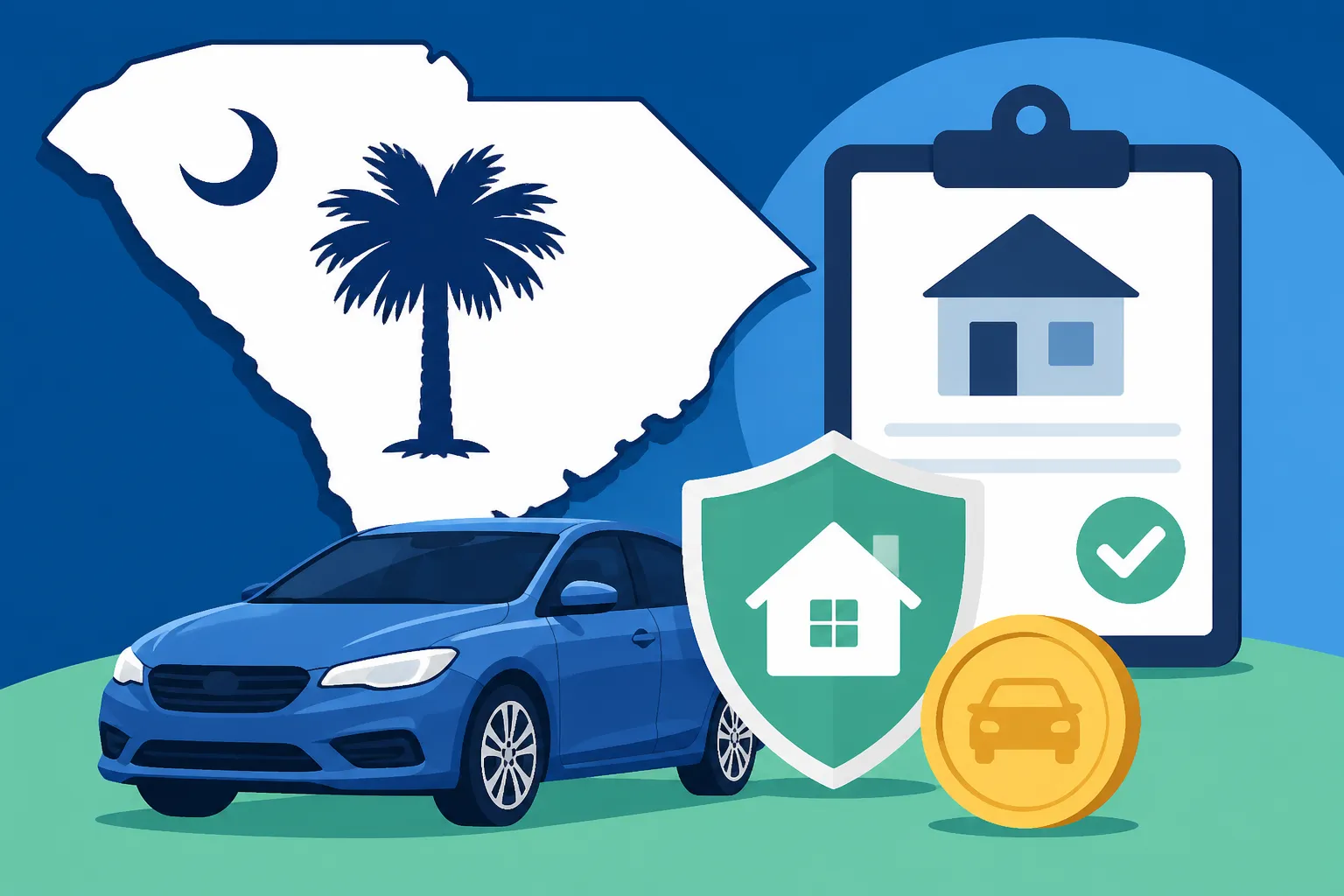
If you're a homeowner in South Carolina, you might be used to the idea of paying property taxes on your house and land. But then comes the annual shocker: a separate bill for your car! It's a common point of confusion and frustration for many, especially if you're new to the Palmetto State or just trying to wrap your head around why your vehicles are taxed. This comprehensive guide is here to demystify South Carolina's personal property tax on vehicles, helping you understand how it works, what to expect, and how to manage it.
What Exactly is South Carolina's Personal Property Tax on Vehicles?
Let's clear the air right away: that bill you get for your car, truck, motorcycle, or even your boat in South Carolina? That's what we call personal property tax. It's not a registration fee, though it's often tied to renewing your vehicle's tag. Unlike real property tax, which applies to real estate, personal property tax in South Carolina applies to tangible personal items that aren't permanently attached to land, with vehicles being the most common example for individuals.
The Rationale Behind Vehicle Personal Property Tax
It can feel a bit unfair, can't it? You've already paid sales tax on the car, you're paying for insurance, and now another annual tax. But there's a reason for it, from the state's perspective. In South Carolina, personal property taxes are a significant source of revenue for local governments—your counties, cities, and school districts. This money goes directly towards funding essential services that benefit the community, like public education, local law enforcement, fire departments, roads, and parks. So, while it feels like another hit to your wallet, it’s designed to contribute to the local infrastructure you rely on every day.
Differentiating from Other Taxes
It's easy to get this tax confused with other fees you pay on your vehicle. This isn't your vehicle registration renewal fee, though your county won't let you renew your tag until you've paid your personal property tax. It's also distinct from the sales tax you paid when you initially bought the vehicle or the gas tax you pay at the pump. This is an annual tax based on the assessed value of your vehicle, levied by your local county. Understanding this distinction is key to navigating your financial responsibilities as a vehicle owner in South Carolina.
How Your Vehicle's Value and Tax Rate Are Determined
The biggest question people have is usually, "Why is my tax bill so high?" The answer lies in how your county assesses your vehicle's value and applies the local tax rate. It's a formula that combines state-mandated assessment ratios with hyper-local millage rates.
The Role of the County Assessor
Each county in South Carolina has an assessor's office (or auditor's office in some cases) responsible for determining the value of all personal property, including vehicles. They don't just pull a number out of thin air, thankfully. They use recognized valuation guides, most commonly the National Automobile Dealers Association (NADA) guide, which is a standard in the automotive industry. Factors like your vehicle's make, model, year, and even its condition (though this can be harder to dispute for a routine vehicle assessment) play a significant role. The goal is to determine the vehicle's "fair market value" as of December 31st of the previous year.
It's similar in concept to how your home's value is determined for real property taxes, where an assessment seeks to capture its worth. If you're curious about how property values are generally calculated, our guide on how property taxes are calculated offers a broader look.
Assessment Ratio and Millage Rate: The Core Calculation
Once your county determines the market value of your vehicle, they apply an assessment ratio. For most personal property, including your primary vehicle, this ratio is 10.5% in South Carolina. This means only 10.5% of the vehicle's fair market value is considered the "assessed value" for tax purposes. If your vehicle is leased, the assessment ratio is higher, typically 6%.
After the assessed value is calculated, the local millage rate comes into play. A millage rate (often just called "mill") is the tax rate applied to the assessed value of your property. One mill equals one dollar per $1,000 of assessed value. Millage rates are set annually by various taxing authorities within your county – like the county government, school districts, and special purpose districts (e.g., fire, water, sewer). This is why your property tax bill can vary significantly even between neighboring towns or districts. To truly understand this, delve into our explanation of what is a mill rate.
Here's a simplified example of how it all comes together:
| Item | Value/Rate | Calculation |
|---|---|---|
| Vehicle Market Value | $20,000 | (Determined by county/NADA) |
| Assessment Ratio | 10.5% | (State-mandated for personal vehicles) |
| Assessed Value | $2,100 | $20,000 x 0.105 |
| Local Millage Rate | 250 mills (0.250) | (Example rate for your specific location) |
| Annual Property Tax | $525 | $2,100 x 0.250 |
It's crucial to remember that millage rates vary widely by location. A vehicle owner in Charleston County might pay a different rate than someone in Greenville County, even on the same car. You can usually find your specific millage rates on your county's auditor or assessor website, or by looking at previous tax bills. Many counties provide online portals where you can look up your property tax information by vehicle identification number (VIN).
Important Deadlines and How to Pay Your SC Car Tax
Missing a deadline can lead to penalties and headaches, so staying on top of your South Carolina vehicle personal property tax is essential. The process is a bit different from how you might pay taxes on your home, often tying directly into your vehicle registration.
The Annual Payment Cycle
Generally, personal property tax bills for existing vehicles are generated and mailed out by your county's auditor or treasurer's office a few weeks before your vehicle's tag renewal date. This means your payment due date is usually linked to when your vehicle tag expires. For example, if your car tag expires in July, you'll typically receive your tax bill in May or June, with the payment due before you can renew your tag for July.
When you purchase a new vehicle, the process is slightly different. You'll usually pay a portion of the personal property tax (often pro-rated) shortly after purchase to get your initial license plate. After that, it reverts to the annual cycle tied to your tag renewal. It's a system designed to ensure that the tax is paid before you can legally operate your vehicle on public roads each year.
Payment Methods and Avoiding Penalties
South Carolina counties have made it increasingly convenient to pay your vehicle personal property taxes. Most counties offer a variety of methods:
- Online: This is often the quickest and easiest way. You can usually pay directly through your county's treasurer or auditor website using a credit card (often with a convenience fee) or an e-check.
- Mail: You can always send a check or money order via postal service. Just make sure it's postmarked by the due date.
- In-Person: If you prefer face-to-face transactions, most county treasurer offices accept payments directly. Some even have drop boxes.
The consequences of not paying your vehicle personal property taxes can be quite significant. First and foremost, you won't be able to renew your vehicle's registration and license plate with the South Carolina Department of Motor Vehicles (DMV). Driving with an expired tag can lead to fines, citations, and even your vehicle being impounded. Additionally, counties often impose late payment penalties, which can quickly add up, making your initial tax bill even higher. It's a classic example of "pay now or pay more later." Our guide on what happens if you don't pay property taxes provides more context on this statewide.
Navigating Exemptions and Appeals for SC Vehicle Tax
Even though personal property tax on vehicles is a standard part of life in South Carolina, there are situations where you might qualify for an exemption or have grounds to appeal your assessment. It's always worth exploring these avenues if you believe you qualify or if your valuation seems off.
Common Exemptions That Could Reduce Your Bill
South Carolina offers specific exemptions that can provide significant relief for certain vehicle owners. These aren't universal, so it's vital to check if you meet the criteria for your county:
- Military Personnel: If you are an active-duty military member who is a non-resident of South Carolina and your vehicle is registered in South Carolina while you are stationed here, you might be exempt under the Servicemembers Civil Relief Act (SCRA). This often requires providing documentation from your commanding officer and proof of your home state of record.
- Disabled Veterans: South Carolina offers a 100% exemption from property taxes for a certain number of vehicles owned by veterans who are 100% totally and permanently disabled as a result of a service-connected disability. This is a huge benefit and one that disabled veterans should absolutely apply for. You'll need to provide documentation from the Department of Veterans Affairs.
- Seniors: While not a direct property tax exemption for all vehicles, some seniors might benefit indirectly through other programs. It's always a good idea for seniors to check with their local county auditor's office about any potential local relief programs.
Each exemption has specific eligibility requirements and application processes. It's never automatic. You'll typically need to apply with your county auditor's office and provide supporting documentation. If you think you might qualify, don't wait; contact your local county auditor to get the specifics.
Appealing an Unfair Valuation
Sometimes, the county's valuation of your vehicle might feel incorrect. Perhaps your car has unusually high mileage, significant damage, or other factors that genuinely diminish its market value beyond what standard guides account for. In such cases, you have the right to appeal your vehicle's assessed value.
The appeal process usually involves:
- Reviewing Your Bill: The first step is to carefully examine your tax bill and the valuation notice. Ensure all the information about your vehicle (make, model, year) is correct.
- Gathering Evidence: If you believe the value is too high, you'll need evidence to support your claim. This might include:
- Comparable Sales: Printouts of similar vehicles (same make, model, year, condition) recently sold in your area for a lower price. Websites like Edmunds, Kelley Blue Book, or even local dealership listings can be helpful.
- Repair Estimates: Documentation of significant mechanical issues or body damage that would reduce your vehicle's value.
- Mileage Records: If your mileage is significantly higher than average for your vehicle's age, this could be a factor.
- Filing a Formal Appeal: Most counties have a specific window, usually within 30-90 days of receiving your assessment notice, to file an appeal. You'll typically submit a written appeal to the county auditor or assessor's office, outlining your reasons and providing your evidence.
- Meeting with the Assessor: You might be invited to an informal discussion or a more formal hearing to present your case.
Winning an appeal isn't guaranteed, but with solid evidence, you can often get your assessed value adjusted. For general guidance on challenging property valuations, our comprehensive guide on how to appeal property taxes offers insights that can be adapted to vehicle assessments.
While the primary focus of tools like Stessa is on real estate investment property management, tracking all your property-related expenses, even vehicle taxes, can give you a clearer overall financial picture. Keeping digital records of your vehicle purchase price, maintenance costs, and any appeal documentation within a broader financial management system can be incredibly useful come tax time or when evaluating your total cost of ownership.
Impact on South Carolina Residents and Economy
Understanding where your tax dollars go can sometimes make the sting of the bill a little less harsh. The personal property tax on vehicles is not just a fee; it's a vital component of local government funding.
Funding Local Services and Infrastructure
The revenue generated from vehicle personal property taxes in South Carolina primarily supports local government services. This includes funding for public schools, ensuring children in your community have access to quality education. It also supports police and fire departments, critical for public safety. Additionally, these funds contribute to maintaining local roads, bridges, and public parks, enhancing the quality of life for all residents.
When you see a new park playground or a well-maintained street, a portion of that is likely funded by taxes like the one on your car. The local nature of this tax means that the money collected in Charleston County largely stays in Charleston County, benefiting its residents directly. This hyper-local funding model is a cornerstone of how municipalities operate across the state.
The Financial Burden and Economic Considerations
For many South Carolinians, especially those with multiple vehicles or newer models, the annual personal property tax can represent a significant financial burden. Unlike income taxes, which adjust with earnings, or sales taxes, which are tied to purchases, this is a fixed annual expense that can be particularly challenging for households on a tight budget. It's an expense that needs to be factored into your annual budget alongside insurance, maintenance, and fuel costs.
This tax also influences consumer behavior. Some residents might opt for older, less valuable vehicles to keep their tax burden lower, or they might consider the tax implications when debating between purchasing and leasing a vehicle, as leased vehicles are typically assessed at a higher ratio. When comparing property taxes across states, South Carolina's approach to vehicle personal property can make its overall tax burden seem higher than states that do not levy such a tax. Our broader article, Property Tax by State 2026: All 50 States Ranked, highlights how these various tax structures contribute to a state's overall tax picture.
Disclaimer
Please remember that property tax laws and regulations, including those concerning personal property tax on vehicles, can change. The information provided here is for general guidance only and should not be considered legal or financial advice. Always consult with your local South Carolina county auditor or treasurer's office, or a qualified tax professional, for the most accurate and up-to-date information regarding your specific situation.