Property Tax Appeal Guide for Illinois
If you're an Illinois homeowner, the annual property tax bill can feel like a punch to the gut. The sheer weight of those taxes often leaves us wondering if there's any way to ease the burden, and for many, the complex world of property tax appeals seems like an insurmountable challenge. This guide is here to demystify the Illinois property tax appeal process, offering a clear, step-by-step path to understanding your assessment and potentially lowering your property tax bill.
Understanding Your Illinois Property Tax Assessment
The first step in even thinking about an appeal is understanding what your assessment actually means. In Illinois, property taxes are notoriously high, often ranking as the second highest in the nation. It's easy to feel overwhelmed, but breaking down your assessment notice is crucial. This notice isn't your tax bill; it's a notification of how the county assessor values your property for tax purposes.
Decoding Your Assessment Notice
When you receive your assessment notice, it's natural to feel a mix of dread and confusion. These notices can be dense, filled with jargon that doesn't immediately make sense. However, taking the time to understand it is the most empowering thing you can do. Look for your property's assessed value – this is a percentage of the estimated market value. In Illinois, residential properties are typically assessed at 33.33% of their market value, but this can vary slightly by county due to equalization factors.
Beyond the raw numbers, your assessment notice often contains crucial details about your property that the assessor has on file. This might include the square footage, number of bedrooms and bathrooms, lot size, and any improvements. Sometimes, simple clerical errors here can lead to an inflated assessment. For instance, if the assessor's records show you have a three-car garage when you only have two, that small detail could be adding to your tax burden. Pay close attention to these specifics, as they can be prime targets for an appeal argument. It’s also important to note the deadline for appealing your assessment, which is usually printed prominently on the notice itself. Missing this date means waiting another year.
Key Players in Illinois Property Taxation
The journey of your property tax bill involves several key players, and understanding their roles helps you navigate the appeal process. At the most local level, you have the township assessor. In many Illinois counties, especially those outside of Cook, assessors are elected officials responsible for valuing all properties within their township. Their primary goal is to ensure uniformity and fairness in assessments, but mistakes can and do happen.
Then, there's the county assessor's office, which oversees the township assessors and can also directly assess properties in areas without townships. The County Board of Review acts as the first formal appellate body for property owners who disagree with their assessment. They are an independent administrative board that reviews assessment appeals, hears evidence, and makes decisions. Finally, the Illinois Department of Revenue plays a significant role by applying an "equalization factor" (often called a multiplier) to ensure that assessments across all counties are consistent with the state-mandated 33.33% of market value. This factor can significantly impact your final bill, even if your local assessment seems reasonable. Knowing who does what helps you direct your appeal to the correct entity at the right time. For a deeper dive into how your bill is calculated, you might want to read our guide on how property taxes are calculated in Illinois.
The Illinois Property Tax Appeal Process: Step-by-Step
Navigating the Illinois property tax appeal process can feel like a labyrinth, but it essentially involves a few key stages. Don't be intimidated; many homeowners successfully appeal their assessments every year by following these steps. The journey starts locally and, if necessary, moves up the chain.
Local Assessor Review (Initial Stage)
Before you even think about formal appeals, your first stop should almost always be an informal discussion with your local township assessor or the county assessor's office (if your area doesn't have townships). This is often the easiest and fastest way to correct an error or dispute an assessment. You don't need fancy forms or extensive legal arguments at this stage.
Simply gather any documentation that supports your claim – perhaps a recent appraisal, photos of property damage, or details of a recent purchase price if you've bought the home recently. Explain clearly why you believe your assessment is too high. Maybe they have the wrong square footage, or they've attributed features to your home that don't exist. The assessor’s office might even be able to provide you with comparable sales data from your neighborhood to help you understand their valuation. This informal review is usually completed quickly and can often resolve discrepancies without the need for a more formal, time-consuming process. Many property owners skip this step, assuming it won't help, but it's a valuable opportunity for a quick resolution.
County Board of Review Appeal (Formal Stage)
If the informal review with your local assessor doesn't yield the results you're looking for, or if you simply prefer to go straight to a formal process, the next step is to file an appeal with your County Board of Review. This is the main avenue for most homeowners to challenge their assessment. Each county has its own specific forms and deadlines, so it's critical to check your county's assessor or Board of Review website immediately after receiving your assessment notice. For example, the Cook County Property Tax Assessment Guide explains their robust and specific process, including deadlines and forms.
The Board of Review appeal typically involves submitting a written complaint form along with your supporting evidence. You'll need to articulate your reasons for appeal and provide solid, verifiable data to back up your claims. This isn't just about saying "my taxes are too high"; it's about proving why the assessed value is incorrect. After submitting your appeal, you may be scheduled for a hearing, which could be in person, over the phone, or even online in some jurisdictions. During the hearing, you'll present your evidence to a panel from the Board of Review, and they will make a decision. The process can feel intimidating, but remember, you have a right to challenge your assessment. Understanding the deadlines and how to prepare is key to navigating this stage successfully, which is why we also have a comprehensive guide on informal vs formal property tax hearings.
Beyond the Board of Review
What happens if the County Board of Review doesn't rule in your favor? Don't despair, but be prepared for a more complex and potentially more expensive path. The next level of appeal in Illinois is to the Illinois Property Tax Appeal Board (PTAB). This is a state-level administrative body that acts as an independent tribunal for hearing property tax assessment appeals from the county boards of review. Appealing to PTAB is a more formal legal proceeding, often requiring more detailed documentation and a deeper understanding of property tax law.
While you can represent yourself at PTAB, many homeowners choose to engage an attorney or a property tax consultant for this stage due to its increased complexity. The PTAB process can take longer than a county appeal, sometimes stretching over several months or even years, depending on the caseload. If you still don't agree with the PTAB's decision, the final recourse is to appeal to the circuit court. This is essentially a lawsuit against the PTAB's decision and almost always requires legal representation. It's a significant step and should be considered only after carefully weighing the potential costs and benefits with legal counsel.
Gathering Evidence for Your Illinois Property Tax Appeal
The success of your property tax appeal hinges almost entirely on the quality and relevance of the evidence you present. This isn't a popularity contest; it's about data, facts, and demonstrating why your assessment is incorrect. Without solid evidence, your appeal is unlikely to go anywhere, regardless of how strongly you feel your taxes are too high.
Comparable Sales Data (Comps)
One of the most powerful pieces of evidence you can bring to an appeal is comparable sales data, or "comps." This involves finding homes in your neighborhood that are similar to yours in terms of size, age, style, condition, and features, and that have sold recently (typically within the last 12 months). The idea is to show that your assessed value is higher than the sale prices of similar properties. If homes just like yours are selling for $300,000, but your property is assessed at a market value equivalent of $350,000, you have a strong case.
To gather this data, you can check public records, real estate websites, or even ask a local real estate agent for a comparative market analysis (CMA). When selecting comps, aim for properties within a mile or two of your home, and try to find sales that occurred as close to your assessment date as possible. Make sure to detail any significant differences between your property and the comps, such as renovations, lot size variations, or different numbers of bedrooms, and adjust your argument accordingly. For a comprehensive guide on finding this crucial information, be sure to check out our detailed article on evidence and comps for a property tax appeal.
Unequal Assessments
Beyond simply arguing that your market value is too high, you can also present an "unequal assessment" argument. This means demonstrating that your property, despite potentially being assessed at a reasonable market value, is assessed at a higher percentage of market value than other comparable properties in your neighborhood. Illinois law requires assessments to be uniform, meaning properties of similar market value should have similar assessed values.
This argument requires a slightly different approach than using sales comps alone. You'd be looking for comparable properties with lower assessed values, even if their market values (or recent sale prices) are similar to yours. You can often find assessed values of neighboring properties through your county's assessor website. By showing a pattern of higher assessments for your property compared to others that are substantially similar, you can build a compelling case for a reduction. This strategy is particularly effective in areas where assessments might not have been updated uniformly across all properties, leading to disparities over time.
Property Condition Issues
Sometimes, the assessor simply has outdated or incorrect information about your property's condition or characteristics. This can be a straightforward, yet highly effective, basis for an appeal. For example, if your home has significant structural damage, an aging roof, a basement that routinely floods, or requires major repairs that weren't factored into the assessment, these issues can significantly diminish its market value. Providing photographic evidence, contractor estimates for repairs, or a professional inspection report can substantiate your claims.
Additionally, scrutinize the property characteristics listed on your assessment notice. Does it say you have central air conditioning when you don't? Does it overestimate the number of finished square feet? Did they count a detached garage as attached? These might seem like minor details, but cumulative errors can add up to a substantial overassessment. Highlighting these discrepancies with accurate documentation – such as a survey, floor plans, or even just recent photos – can lead to a direct correction and a lower property tax bill.
Should You Hire a Professional for Your Illinois Property Tax Appeal?
After diving into the complexities of assessment notices, appeal deadlines, and gathering evidence, you might be asking yourself if this is something you should tackle alone. It's a valid question, as the path can be challenging, and sometimes, bringing in an expert can make all the difference.
DIY Appeal: Pros and Cons
Choosing to handle your property tax appeal yourself, or "DIY," comes with its own set of advantages and disadvantages. On the "pro" side, the most obvious benefit is cost savings. You won't incur any fees for a consultant or attorney, keeping more money in your pocket if you win. Furthermore, no one knows your property better than you do. You're intimately familiar with its quirks, its issues, and its unique characteristics, which can be invaluable when arguing against an assessment. It also gives you a deeper understanding of how your property taxes are calculated and the local assessment process.
However, the "cons" can be significant. A DIY appeal is incredibly time-consuming, requiring extensive research into comparable properties, understanding legal jargon, and adhering to strict deadlines. If you miss a deadline, your appeal is dead for the year. The process can also be confusing and frustrating, especially if you're not accustomed to dealing with bureaucratic systems or presenting evidence in a formal setting. Many homeowners simply don't have the spare time or the specific expertise to build the strongest possible case, which means they might leave potential savings on the table.
When to Consider a Property Tax Appeal Company
For many Illinois homeowners, especially those facing a significant overassessment or who simply don't have the time or inclination to navigate the complex process, hiring a property tax appeal company can be an excellent option. These firms specialize in exactly what you're trying to do: challenge and lower property tax assessments. Companies like Ownwell or O'Connor have teams of experts, including appraisers, real estate analysts, and former assessors, who understand the nuances of local assessment practices in places like Cook County, DuPage County, and Will County.
They can identify the strongest arguments for your case, gather compelling evidence, and represent you through the informal and formal appeal stages, including before the County Board of Review and even the PTAB if necessary. Many of these companies operate on a contingency basis, meaning they only charge a fee if they successfully lower your assessment, and their fee is typically a percentage of the savings for the first year. This "no win, no fee" model can make professional help accessible and attractive, as it removes the upfront financial risk. However, it's crucial to research and choose a reputable company, understanding their fee structure and what services are included. Our guide on whether property tax appeal companies are worth it provides more insights into this decision.
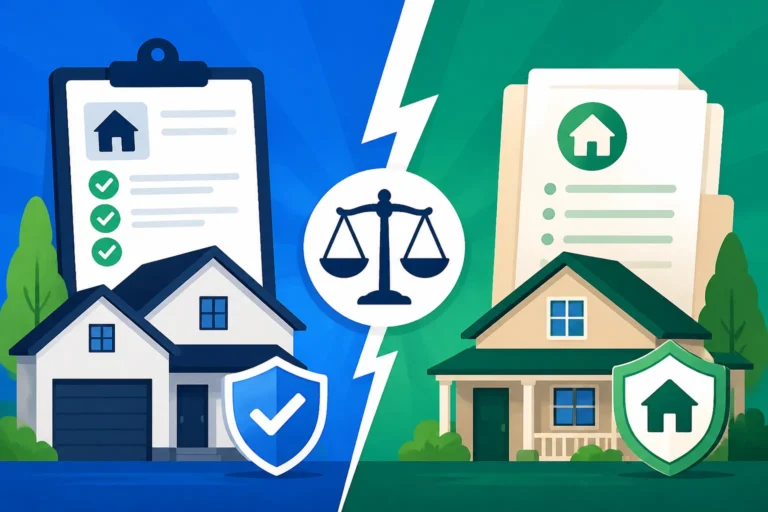
To help you decide, here’s a quick comparison:
| Feature | DIY Appeal | Professional Appeal Company |
|---|---|---|
| Cost | Free (your time is the cost) | Contingency fee (percentage of savings) or flat fee |
| Time Investment | High (research, paperwork, hearings) | Low (they handle most of the work) |
| Expertise | Limited, self-taught | Specialized knowledge of tax laws, valuation, and local rules |
| Evidence Gathering | Your responsibility, can be challenging | Handled by experts with access to proprietary data |
| Success Rate | Varies greatly based on individual effort and skill | Generally higher due to expertise and experience |
| Stress Level | Potentially high | Low to moderate (they manage the process) |
Ultimately, the decision to DIY or hire a professional depends on your comfort level with the process, the amount of time you have available, and the potential savings at stake. If your assessment increase is minor, a DIY approach might suffice. But if you're looking at a substantial hike or feeling completely out of your depth, an appeal company could be a wise investment.
Final Thoughts on Lowering Your Illinois Property Taxes
Dealing with property taxes in Illinois can be one of the most frustrating aspects of homeownership. The feeling of being unjustly burdened by a high assessment is common, but it's important to remember that you have rights and avenues for recourse. Taking the time to understand your assessment, diligently gather your evidence, and follow the established appeal process can make a real difference to your annual tax bill.
Whether you choose to tackle the appeal yourself or enlist the help of a professional, the most crucial step is to act promptly and stay organized. Don't let the complexity deter you. By empowering yourself with information and taking concrete steps, you can advocate for a fairer assessment and potentially lower your property taxes. Remember to always consult your specific county's assessor website or Board of Review for the most accurate and up-to-date forms, deadlines, and procedures, as they can vary significantly across Illinois.
Disclaimer
Please note that this guide provides general information about the property tax appeal process in Illinois and should not be considered legal or financial advice. Property tax laws and procedures can be complex and vary by county and jurisdiction. It is always recommended to consult with a qualified property tax professional, attorney, or your local assessor's office for advice tailored to your specific situation.