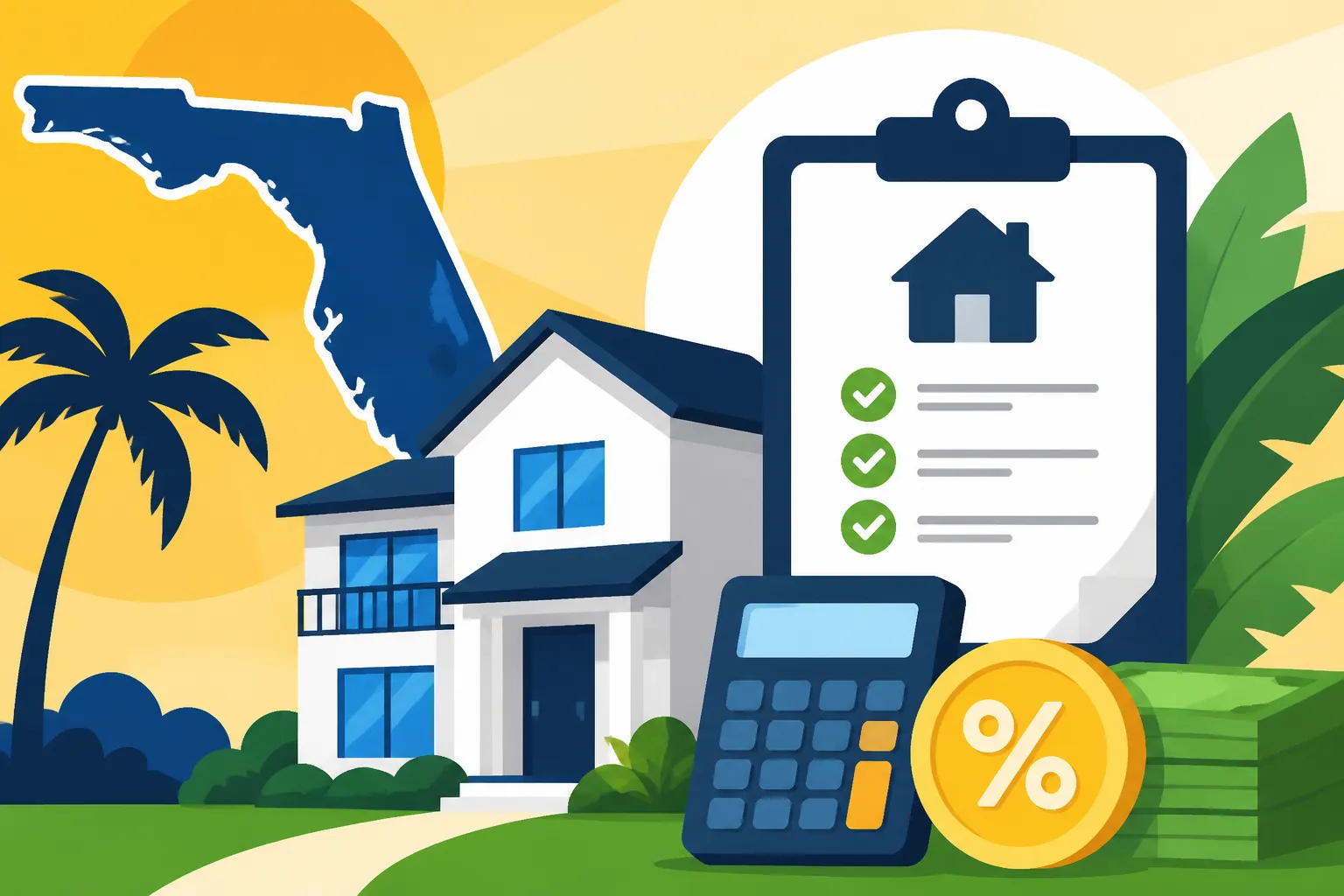
Rental Property Tax in Florida
Navigating the world of property taxes can feel like a labyrinth, especially when you're dealing with rental properties. Many landlords in Florida often find themselves scratching their heads, wondering why their tax bill looks different from a neighbor's primary residence, or how they can even begin to understand the complexities of their investment property's tax obligations. This guide aims to demystify rental property tax in Florida, providing a clear, empathetic breakdown of what you need to know to manage this significant expense effectively.
Understanding Florida Property Taxes for Rental Properties
When you own a rental property in Florida, you're not just a landlord; you're also a property taxpayer. And while the basic mechanics of property tax – the idea that a local government levies a tax based on your property's value to fund public services – are consistent across all property types, there are distinct nuances when it comes to investment properties. Florida doesn't have a state income tax, which often means local governments rely more heavily on property taxes to fund schools, infrastructure, and emergency services. This reliance makes understanding your property tax bill even more critical.
The Core Difference: Primary Residence vs. Rental
One of the biggest eye-openers for new rental property owners in Florida is the realization that their investment property won't qualify for the same exemptions as their primary home. The most significant of these is the Florida homestead exemption. For owner-occupied homes, this exemption can reduce the taxable value of your property by up to $50,000, leading to substantial savings on your annual tax bill. This is a huge benefit that simply doesn't apply to properties you rent out.
Without the homestead exemption, your rental property's taxable value starts much higher, directly impacting the amount of tax you owe. This difference alone can make your rental property tax bill significantly steeper than what you'd pay on a similarly valued primary residence. It's a fundamental distinction that every Florida landlord needs to grasp from day one. You might also find it helpful to explore the full details of the Florida Homestead Exemption (March 1 Deadline) to truly appreciate the difference.
How Rental Property Value is Assessed
The cornerstone of your property tax bill is the assessed value of your property. In Florida, property appraisers determine this value annually, aiming to reflect the property's fair market value. For rental properties, especially single-family homes or duplexes, this assessment process largely mirrors that of owner-occupied homes. Appraisers look at recent sales of comparable properties in your area, the property's size, age, condition, amenities, and location.
For larger income-producing properties, such as multi-unit apartment complexes, the appraiser might also consider an income approach, which estimates value based on the property's potential to generate rental income. This involves analyzing factors like rental rates, vacancy rates, operating expenses, and capitalization rates. Regardless of the method, the goal is to arrive at an accurate market value. However, it's not uncommon for these assessments to be higher than what you might expect, sometimes due to rapid market changes or an appraiser's lack of full understanding of a property's specific challenges. Understanding How Is Assessed Value Determined? can provide further clarity.
Key Factors Influencing Your Rental Property Tax Bill in Florida
Your rental property tax bill isn't just a random number; it's the result of a precise calculation involving your property's assessed value and the local millage rates. Understanding these components is key to anticipating and managing your tax obligations.
Millage Rates and Taxing Authorities
Once your property's assessed value is determined, local taxing authorities apply their respective millage rates. A mill is equal to $1 of tax for every $1,000 of assessed value. So, a millage rate of 10 mills means you'd pay $10 for every $1,000 of your property's taxable value. These rates are set by various entities, including the county, city, school district, and other special districts (like water management or fire protection districts). Each of these entities needs funding for their services, and they get it by levying a specific millage rate.
For instance, in Miami-Dade County, your property might be subject to a county-wide millage, a specific city millage (if it's within city limits), and various other district rates. These all add up to your total tax rate. Since rental properties often don't benefit from exemptions that reduce taxable value, the full brunt of these combined millage rates hits a higher base value, resulting in a larger tax bill. It’s a good idea to research What Is a Mill Rate? (Millage Explained) to get a deeper understanding of how these rates impact your bill.
Non-Ad Valorem Assessments
Beyond the traditional ad valorem (based on value) property taxes, rental properties in Florida can also be subject to non-ad valorem assessments. These are charges for specific services or improvements that benefit your property, regardless of its value. Common examples include solid waste collection, stormwater management, or special assessments for things like streetlights, sidewalks, or utility improvements in a particular area.
These assessments are often a fixed charge per property or based on specific metrics like frontage feet for sidewalks, rather than a percentage of value. They appear on your annual property tax bill and are just as mandatory as the ad valorem taxes. While they're not directly tied to your property's market value, they certainly contribute to the overall cost of owning and operating a rental property. When considering your overall tax burden, these non-ad valorem assessments can sometimes surprise new landlords.
Here's a simplified breakdown of how property tax is calculated for a rental property versus a homesteaded property in Florida:
| Feature/Metric | Primary Residence (with Homestead Exemption) | Rental Property (No Homestead Exemption) |
|---|---|---|
| Market Value | $300,000 | $300,000 |
| Assessed Value | $300,000 | $300,000 |
| Homestead Exemption | -$50,000 | $0 |
| Taxable Value | $250,000 | $300,000 |
| Combined Millage Rate | 20 mills ($20 per $1,000 of taxable value) | 20 mills ($20 per $1,000 of taxable value) |
| Estimated Ad Valorem Tax | ($250,000 / $1,000) * 20 = $5,000 | ($300,000 / $1,000) * 20 = $6,000 |
| Non-Ad Valorem Fees | $500 | $500 |
| Total Estimated Tax Bill | $5,500 | $6,500 |
Note: This table uses simplified figures for illustrative purposes. Actual millage rates and non-ad valorem fees vary significantly by location within Florida.
Managing Your Florida Rental Property Taxes
Dealing with property taxes for your rental can feel daunting, but with a structured approach, you can manage them efficiently and even look for opportunities to ensure you're not overpaying.
Payment Methods and Deadlines
In Florida, property tax bills are typically mailed out by county tax collectors around November 1st each year. They cover the calendar year, from January 1st to December 31st. While the full amount is due by March 31st of the following year, Florida offers incentives for early payment. You can often get a discount for paying early: 4% if paid in November, 3% in December, 2% in January, and 1% in February. This might not sound like much, but on a large property tax bill, those percentages can add up to significant savings.
Most county tax collectors offer various payment options: online via their websites, by mail, or in person. Many accept credit cards, though processing fees may apply. If you have a mortgage on your rental property, your lender might collect property taxes through an escrow account, meaning they pay the bill on your behalf. This is a common arrangement that ensures timely payment and avoids potential penalties. However, if you don't have an escrow account, keeping track of these Property Tax Due Dates by State is entirely your responsibility.
Appealing Your Property Tax Assessment
If you believe your rental property's assessed value is higher than its true market value, you have the right to appeal. This process typically starts with an informal review with your county property appraiser's office. You'll need to provide evidence to support your claim, such as comparable sales of similar properties in your area that sold for less than your assessed value, or evidence of significant physical damage or functional obsolescence that the appraiser might have missed.
If the informal review doesn't resolve the issue, you can file a formal petition with the Value Adjustment Board (VAB). This involves a hearing where you present your case and evidence before a special magistrate or the board. Success in an appeal often hinges on having strong, clear evidence. Many property owners find value in using property management software like Stessa to track all their expenses, income, and property details. This detailed record-keeping can be invaluable when building a case for an appeal, providing objective data on your property's performance and condition. You can delve into How to Appeal Property Taxes: Complete Guide for a thorough walkthrough of the process.
Tracking Expenses for Tax Purposes
While property taxes are an expense on your rental property, keeping meticulous records of all your rental property expenses is crucial for income tax purposes, especially when it comes to deductions. As a landlord, you can typically deduct property taxes paid on your rental income. But beyond that, expenses like mortgage interest, insurance, repairs, maintenance, utilities (if paid by landlord), advertising, and professional fees (property management, legal, accounting) are all deductible.
Having a robust system for tracking these expenses isn't just good business practice; it's essential for maximizing your deductions and ensuring accurate reporting to the IRS. Tools like Stessa can automate much of this, linking to your bank accounts and credit cards to categorize income and expenses, generate financial reports, and simplify tax preparation. This kind of diligent record-keeping can save you headaches and money come tax season, making sure you fully capture all eligible deductions related to your rental property.
Important Considerations for Florida Rental Property Owners
Owning rental property in Florida comes with specific advantages and challenges regarding property taxes. Being aware of these can help you plan and avoid surprises.
The Save Our Homes Cap (and why it matters less for rentals)
Florida has a constitutional amendment known as "Save Our Homes" (SOH), which caps the increase in a property's assessed value for homesteaded properties at 3% per year or the Consumer Price Index (CPI), whichever is lower. This is a powerful benefit that protects homeowners from dramatic spikes in property taxes, even if market values skyrocket. However, and this is a big "however," the Save Our Homes cap does not apply to non-homesteaded properties, which includes most rental properties.
This means your rental property's assessed value can increase by more than 3% annually, potentially much more, to fully reflect changes in market value. In a hot real estate market, this can lead to significant jumps in your property tax bill from one year to the next. Understanding that your rental properties lack this protection is crucial for financial planning. For more on this, check out Florida Save Our Homes Explained (3% Cap). This also ties into Why Do Property Taxes Increase? overall.
Impact of Renovations on Property Taxes
Many landlords invest in renovations to increase rental income and property value. While beneficial for your bottom line, these improvements can also lead to an increase in your property's assessed value, and consequently, your property taxes. Major renovations that increase square footage, add significant amenities (like a pool), or substantially upgrade kitchens and bathrooms are most likely to trigger a reassessment and a higher tax bill.
Minor repairs or routine maintenance typically do not impact assessed value. The key is whether the work adds significant market value to the property. It's smart to consider the potential property tax implications of any major renovation project before you begin. Factoring this into your investment analysis ensures you have a complete picture of the costs and benefits.
The Importance of Due Diligence Before Buying
Before purchasing any rental property in Florida, thorough due diligence on potential property tax costs is non-negotiable. Don't just rely on the seller's current tax bill, especially if they've been homesteaded. Remember, once the property transfers ownership and is no longer a primary residence, any existing homestead exemption or Save Our Homes cap benefits will be removed. This often means the property's taxable value will "reset" to its full market value at the time of sale, leading to a much higher tax bill for the new rental owner.
Always research the property's non-homesteaded assessed value and the current millage rates for the specific taxing districts it falls within. Many county property appraiser websites allow you to search for properties and view their assessment history, including "just value" which is closer to market value, and estimated taxes without exemptions. Platforms like Stessa can help you run financial projections that include these property tax costs, giving you a clearer forecast of your investment's profitability. This proactive approach helps avoid sticker shock after closing and ensures you accurately budget for property taxes. You might also be interested in Property Tax Reassessment After Buying a Home.
Final Thoughts on Florida Rental Property Taxes
Navigating property taxes for your rental properties in Florida might seem like a lot to take in, especially with the unique ways homestead exemptions and the Save Our Homes cap don't apply to investment homes. However, by understanding how assessed values are determined, knowing the millage rates set by local authorities, and diligently tracking your expenses, you can stay on top of your obligations. Remember, every dollar you save on property taxes or maximize through deductions contributes directly to your investment's profitability. Don't be afraid to appeal an assessment if you believe it's unfair, and make sure to leverage tools and resources available to you as a savvy landlord.
Disclaimer
The information provided in this guide is for general informational purposes only and does not constitute financial, legal, or tax advice. Property tax laws and regulations are complex and subject to change. It is essential to consult with a qualified financial advisor, real estate professional, or tax expert to address your specific situation.