Riverside County Property Tax Payment & Due Dates
Navigating the world of property taxes can feel like deciphering a cryptic puzzle, especially when you're trying to keep track of deadlines and payment methods in a specific area like Riverside County. It's easy to get overwhelmed by the jargon, the different dates, and the fear of missing a payment and incurring penalties. This comprehensive guide is here to demystify the Riverside County property tax process, ensuring you understand your bill, know the critical due dates, and are aware of all your payment options.
Understanding Your Riverside County Property Tax Bill
Your annual property tax bill in Riverside County isn't just a simple statement of what you owe; it's a detailed breakdown of how your local government funds essential services. For many homeowners, especially those new to California, the amount can seem significant, and understanding what contributes to that number is the first step toward managing your homeownership finances effectively.
What Information Does Your Bill Contain?
When you receive your official property tax bill from the Riverside County Treasurer-Tax Collector's office, you'll notice several key pieces of information. It starts with your Assessor's Parcel Number (APN), which is like your property's unique identifier. Then, you'll see the assessed value of your home, which is the value the county assigns to your property for tax purposes, often different from its market value. In California, Proposition 13 plays a huge role in limiting how much this assessed value can increase each year, typically to no more than 2% annually, unless there's a change in ownership or new construction.
Beyond the value, your bill details the various tax levies, which are the specific charges from different taxing entities within Riverside County. This includes funds for local schools, police and fire departments, county services, and special districts for things like parks or water. Each of these levies contributes to the overall amount you owe. You might also see any approved exemptions applied, such as a homeowner's exemption, which can slightly reduce your taxable value and, consequently, your bill. If you're looking to understand every line item on your statement, our guide on How to Read Your Property Tax Bill can offer further clarity.
How to Access Your Bill
Most Riverside County property owners receive their annual tax bills via mail, usually in September or October. However, life happens, mail gets lost, and sometimes you just need to access the information quickly. The good news is that the Riverside County Treasurer-Tax Collector's website offers an excellent online portal where you can easily look up your property tax bill using your Assessor's Parcel Number (APN) or property address. This digital access is a real lifesaver, providing you with up-to-date information, including payment status and historical data.
If you don't receive your physical bill by late October, don't just wait around. It's your responsibility as the property owner to ensure you receive and pay your taxes, regardless of whether you got a mailed statement. Missing a bill isn't an excuse for late payment penalties. Use the online portal, or contact the Treasurer-Tax Collector's office directly to request a duplicate. Financial tracking tools, like those offered by Stessa, can also help you keep all your property-related documents and payment schedules organized, giving you peace of mind that you won't miss crucial deadlines.
Key Property Tax Due Dates in Riverside County
Missing a property tax deadline can lead to unexpected penalties and added stress. Riverside County, like the rest of California, operates on a specific semi-annual payment schedule that every homeowner needs to commit to memory.
The Semi-Annual Payment Schedule
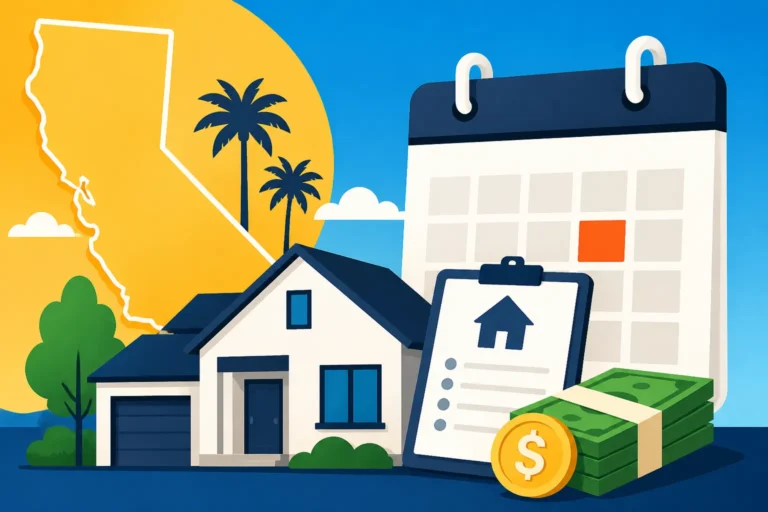
Property taxes in Riverside County are paid in two installments. This staggered approach is designed to make it a bit more manageable than one massive annual lump sum, but it also means you have two critical deadlines to remember.
- First Installment: This payment is due on November 1st of each year. However, you generally have a grace period before it's considered delinquent. The hard deadline for the first installment is typically December 10th at 5 p.m. If your payment isn't received or postmarked by this time, it's officially late.
- Second Installment: The second installment is due on February 1st of the following year. Similar to the first, there's a grace period, with the delinquency date falling on April 10th at 5 p.m. Again, if your payment isn't in hand or postmarked by this deadline, penalties will apply.
It's crucial to understand that these deadlines are strict. The date your payment is received or postmarked is what counts, not necessarily when you sent it. Planning ahead, especially if you're mailing a check, can save you a lot of hassle. For a broader perspective on how these dates compare, you might find our article on Property Tax Due Dates by State insightful.
Understanding Penalties for Late Payments
Nobody wants to pay more than they have to, and property tax penalties are certainly something to avoid. If you miss either the December 10th or April 10th deadline for your property tax installments in Riverside County, the Treasurer-Tax Collector will assess a delinquency penalty.
For each installment that is not paid by its respective deadline, a 10% penalty is added to the unpaid tax amount, along with a $25 collection fee. So, if you miss both deadlines, you're looking at two 10% penalties and two $25 fees, which can quickly add up and become a significant chunk of change you didn't budget for.
The situation can escalate further if taxes remain unpaid for an extended period. After five years of delinquency, the property may become subject to the Treasurer-Tax Collector's power to sell. While there's a redemption period involved, eventually, unpaid taxes can lead to serious consequences, including the eventual loss of your property. Our guide on What Happens If You Don't Pay Property Taxes? delves deeper into these serious ramifications. Staying on top of these deadlines is not just about saving money on penalties; it's about protecting your biggest asset.
Accepted Payment Methods for Riverside County Property Taxes
The good news is that Riverside County offers a variety of ways to pay your property taxes, accommodating different preferences and situations. While convenience is key, it's also important to be aware of any associated fees or processing times.
Online Payment Options
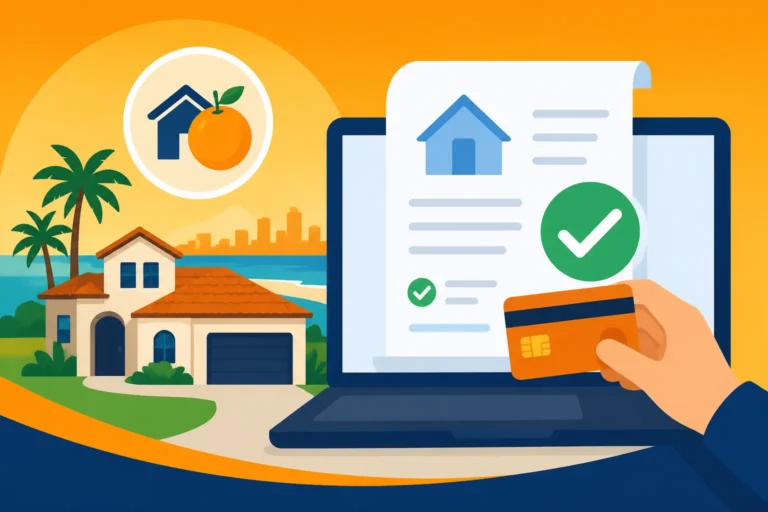
In today's digital age, paying your property taxes online is often the most convenient and fastest method. The Riverside County Treasurer-Tax Collector's website provides a secure portal for online payments.
- eCheck (Electronic Check): This is generally the most cost-effective online option. You can pay directly from your checking or savings account using your account and routing numbers. Typically, there are no transaction fees for using eCheck, making it a popular choice for many homeowners.
- Credit/Debit Card: If you prefer to use a credit or debit card, this option is also available online. However, be aware that a convenience fee is usually charged by the third-party processor for these transactions. This fee is a percentage of your total payment, so it can add up for larger tax bills. While it offers flexibility, especially if you want to earn rewards points on a credit card, factor in the fee before deciding. Always double-check the exact fee percentage on the county's payment portal before finalizing your transaction.
Regardless of the online method you choose, make sure to get a confirmation number and keep it for your records. This serves as proof of payment and can be invaluable if any discrepancies arise.
Mail, Phone, and In-Person Payments
For those who prefer traditional methods or live closer to county offices, Riverside County still offers several non-digital payment avenues.
- Payment by Mail: You can always mail a check or money order made payable to "Riverside County Treasurer-Tax Collector." It's absolutely critical that your payment is postmarked by the due date to avoid penalties. Using certified mail with a return receipt can provide additional peace of mind and proof of timely mailing. Make sure to include your Assessor's Parcel Number (APN) on your check or money order to ensure proper credit to your account.
- Payment by Phone: For some, a quick phone call is more convenient than navigating a website. Riverside County offers a phone payment option, usually through an automated system. Similar to online credit/debit card payments, this method typically incurs a convenience fee. Have your APN and credit/debit card information ready when you call.
- In-Person Payments: If you like the reassurance of a face-to-face transaction, you can pay your property taxes directly at the Riverside County Treasurer-Tax Collector's office during business hours. They generally accept checks, money orders, and sometimes cash. Always check their website for current office hours and accepted payment types before making the trip.
Mortgage Escrow Accounts
Many homeowners, especially those with a mortgage, don't directly deal with property tax payments because they're handled through an escrow account. When you have an escrow account, a portion of your monthly mortgage payment goes into this account, which your lender then uses to pay your property taxes (and often homeowner's insurance premiums) on your behalf. This is a common setup, offering convenience by rolling these expenses into one monthly payment.
While an escrow account simplifies things, it's still wise to monitor your mortgage statements and annual escrow analyses. Sometimes, a change in your property's assessed value or an increase in the tax rate can lead to an escrow shortage, meaning your lender hasn't collected enough to cover the upcoming tax bill. If you're wondering how this all works, our article on Escrow & Impound Accounts Explained offers a detailed look. Even with an escrow account, staying informed about your property tax obligations, perhaps by using a tool like Stessa to track all your homeownership expenses, is a smart move. When shopping for a mortgage, services like LendingTree can provide insights into how different lenders handle escrow and what your total monthly housing costs might look like.
Navigating Common Riverside County Property Tax Scenarios
Property taxes aren't always straightforward. Life events and changes to your property can trigger specific tax situations that require your attention. Knowing about these common scenarios can help you prepare and avoid surprises.
Supplemental Tax Bills
One of the most common surprises for new homeowners in California, including Riverside County, is the arrival of a supplemental property tax bill. This often happens after you purchase a home or complete new construction. In California, property taxes are reassessed when there's a "change in ownership" or "new construction." The supplemental bill covers the difference in taxes owed between the old assessed value and the new, higher assessed value for the remainder of the fiscal year.
For example, if you buy a home in June, and the new assessed value is higher than the previous owner's, you'll receive a supplemental bill for the period from July 1st (the start of the new tax year) to the end of the current fiscal year, which is June 30th. This bill will have its own separate due dates, completely independent of your regular semi-annual tax bill. It's a common area of confusion, but our Supplemental Property Tax Bill Explained (California) guide breaks down why these bills appear and how to handle them. When purchasing a home, your real estate agent or escrow company should ideally explain this potential bill, but it's ultimately your responsibility to be aware.
Appealing Your Property Assessment
Feeling like your property's assessed value is too high? You're not alone. Many homeowners in Riverside County choose to appeal their property tax assessment, especially if they believe the county's valuation doesn't reflect the true market value or is inconsistent with similar properties in their neighborhood. This process generally involves submitting an application to the Assessment Appeals Board.
To successfully appeal, you'll need compelling evidence. This typically includes recent comparable sales (comps) of similar homes in your area that sold for less than your assessed value, documentation of any damage to your property that wasn't reflected in the assessment, or professional appraisal reports. There are strict deadlines for filing an appeal, usually within a specific window after you receive your annual assessment notice (often from July 2 to November 30 in California). It's a process that requires some research and preparation, but a successful appeal could lead to significant savings on your property tax bill for years to come. Our detailed guide on How to Appeal Property Taxes: Complete Guide can walk you through the steps involved.
Property Tax Assistance Programs
For certain groups of homeowners, property taxes can be a heavy burden. Recognizing this, both the state of California and Riverside County offer various property tax assistance and exemption programs designed to provide relief.
- Homestead Exemption: This is one of the most common exemptions, available to homeowners who reside in their property as their primary residence. In California, the homeowner's exemption reduces your assessed value by $7,000, which translates to a small but helpful reduction in your annual tax bill. If you own and occupy your home, you should definitely apply for this. Our article on How to Apply for Property Tax Exemptions provides a general overview of the process.
- Senior & Disabled Exemptions: California and some local districts offer additional relief for seniors and homeowners with disabilities. While California doesn't have a statewide "property tax freeze" like some other states, there are programs that allow seniors (typically 65 or older) and disabled individuals with limited incomes to defer payment of property taxes on their primary residence. The deferred taxes become a lien against the property and must be repaid when the property is sold, changes ownership, or the homeowner moves.
- Veteran Exemptions: Eligible veterans and their unmarried surviving spouses may also qualify for property tax exemptions. The amount of the exemption varies based on the veteran's service-connected disability status.
It's vital to apply for these exemptions and assistance programs directly with the Riverside County Assessor's Office or Treasurer-Tax Collector's office, as they are not automatically applied. Each program has specific eligibility requirements and application deadlines, so it's always best to check with the county or state for the most current information. Being proactive about these opportunities can make a real difference in your annual property tax outlay.
| Installment | Due Date | Delinquency Date (5 p.m.) | Penalty & Fee |
|---|---|---|---|
| First | November 1 | December 10 | 10% + $25 collection fee |
| Second | February 1 | April 10 | 10% + $25 collection fee |
Disclaimer
The information provided in this guide is for general informational purposes only and does not constitute financial, legal, or tax advice. Property tax laws and regulations can be complex and subject to change. Always consult with a qualified financial advisor, tax professional, or the official Riverside County Treasurer-Tax Collector's office for advice tailored to your specific situation.