What Happens If You Don’t Pay Property Taxes in Connecticut?
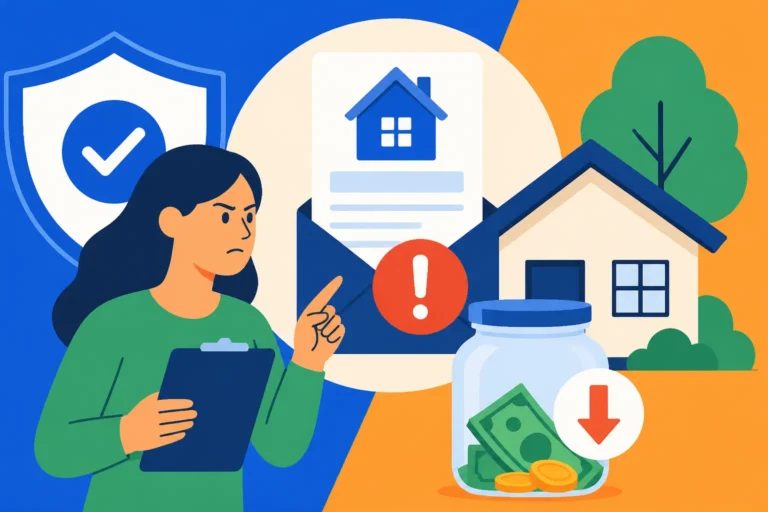
It can be absolutely terrifying to open your mailbox and find that dreaded notice about overdue property taxes, especially when life has thrown you a curveball. The thought of losing your home over something that feels so overwhelming is a fear many homeowners in Connecticut face. This guide is here to walk you through exactly what happens when property taxes go unpaid in our beautiful state, from those first missed payments to the more serious consequences, and crucially, what steps you can take to protect your home.
Understanding Connecticut's Property Tax Landscape
Connecticut's property tax system is famously local, meaning that each of the state's 169 towns and cities assesses, levies, and collects its own property taxes. This decentralization means that while the general rules are statewide, the specific dates, mill rates, and even the nuances of collection can vary from one municipality to the next. It’s not like a single statewide agency handles everything; instead, your local tax assessor and tax collector are the key players in your property tax journey.
How Property Taxes are Levied in Connecticut
Unlike some states that might have a mix of state and county property taxes, in Connecticut, property taxes are almost exclusively a local affair. Your tax bill is determined by two main factors: your property's assessed value and the local mill rate. The assessed value is typically 70% of your home's fair market value, as determined by your town's assessor. The mill rate, or millage rate, is the amount of tax payable per $1,000 of the assessed value. For example, a mill rate of 30 means you pay $30 for every $1,000 of assessed value. These funds are crucial for supporting local services like schools, police, fire departments, public works, and other municipal operations.
Knowing how these figures are derived can give you a better understanding of your bill. If you've ever wondered about the big picture, our comprehensive guide on How Are Property Taxes Calculated? can shed more light. This local control means that towns like Greenwich, Stamford, or Hartford will have different tax rates and, potentially, different specific procedures for handling delinquencies, even though the state statutes govern the overall framework.
Typical Property Tax Due Dates
In Connecticut, it’s very common for property taxes to be paid in installments, usually quarterly. While the specific due dates can vary slightly by town, a common schedule might see payments due in July, October, January, and April. However, some towns might collect taxes semi-annually. For example, many towns, including those in Fairfield County, often have their first installment due July 1st, with a grace period that typically extends into early August. The critical thing to remember is that there is a grace period. If you pay within this window, you usually won't face penalties. But once that grace period ends, typically a month after the due date, your payment is considered delinquent. It’s always best to consult your specific town's tax collector's website or your actual tax bill for precise due dates. Understanding Property Tax Due Dates by State can give you a general idea of how this compares across the country.
Initial Consequences of Missing a Payment
When you miss a property tax payment in Connecticut, even by a day past the grace period, interest immediately begins to accrue. This isn't a small, forgiving rate. State law dictates that interest is charged at 1.5% per month or any fraction thereof, from the original due date. This means if your payment was due July 1st and you pay it August 2nd, you're looking at two months' worth of interest (July and August), not just one.
Let's say your property tax installment is $1,000, and it was due on July 1st with a grace period until August 1st. If you pay on August 5th, you'll owe $1,000 + (1.5% of $1,000 for July) + (1.5% of $1,000 for August), totaling $1,030. This interest adds up quickly and can make catching up even more challenging, turning a manageable problem into a snowballing debt if not addressed promptly. The local tax collector's office will typically send out notices for delinquent payments, but ultimately, it's the homeowner's responsibility to ensure taxes are paid on time.
The Escalating Path: Liens, Collections, and Foreclosure
Missing a single payment, while stressful, isn't usually an immediate threat to your home. However, repeated missed payments and accumulating interest will eventually lead to more severe consequences. Connecticut municipalities are legally empowered to take action to collect unpaid taxes, and these steps escalate significantly over time.
What is a Property Tax Lien in Connecticut?
If property taxes remain unpaid, the town will eventually place a lien on your property. In Connecticut, this is often referred to as a "tax lien" or "certificate of lien." This isn't just a threat; it's a legal claim against your property. A property tax lien means the town has a prioritized legal right to your property over other creditors (like your mortgage lender) until the debt is satisfied. This certificate of lien is recorded on the land records in the town clerk's office, making it a public record and a clear red flag on your property's title.
The moment a lien is filed, it severely impacts your financial flexibility. You won't be able to sell or refinance your home without first clearing this lien. It effectively freezes any equity you have in the property until the outstanding taxes, interest, and any associated fees are paid in full. This critical step can occur after a certain period of delinquency, often several months or even a year, depending on the municipality's collection policy. Our guide on Property Tax Liens Explained delves deeper into how these legal claims work across different states.
The Tax Sale Process
Connecticut is primarily a "tax lien" state, meaning that rather than immediately seizing and selling your property (a "tax deed" state approach), municipalities typically sell the lien itself to private investors. This often happens at public tax sales, where the right to collect your overdue taxes (plus interest and fees) is transferred to the investor who bids the lowest interest rate or pays the highest premium. While your local town might still handle the collection for a period, many towns eventually sell these liens to private entities, sometimes known as "tax lien buyers."
When a private investor buys the tax lien, you no longer owe the town directly; you now owe the investor. The interest rate on these purchased liens can vary, but it's typically set by state law and can be substantial, adding another layer to your financial burden. The investor has a powerful incentive to see the debt repaid, as they earn significant interest on their investment. This is where things can get truly serious, as these investors have the legal right to foreclose on your property if the taxes, interest, and fees aren't paid within a specified timeframe.
Understanding the Redemption Period
After a tax lien is sold to an investor, Connecticut law provides a "redemption period" during which the homeowner can pay off the delinquent taxes, interest, and fees, thereby "redeeming" their property and clearing the lien. This period allows you a final chance to retain ownership of your home. The length of the redemption period can vary but typically ranges from six months to a year, though it can be shorter or longer depending on the specific circumstances and if the lien is being foreclosed upon by a private investor.
If you fail to redeem the property within this timeframe, the tax lien holder (the investor) can then initiate a strict foreclosure action in court. This means they can legally take ownership of your property, even if the amount of taxes owed is a small fraction of your home's total value. This is the absolute last resort and the most severe consequence of unpaid property taxes. It's a stark reminder of why it's so important to address delinquent taxes long before they reach this stage. Knowing the specifics of Redemption Periods & Tax Foreclosure is crucial for any homeowner facing this situation.
Exploring Options and Seeking Help Before It's Too Late
The good news is that there are often paths to resolve delinquent property taxes before they escalate to foreclosure. The key is proactive engagement and understanding the resources available to you. Don't wait until the last minute; the earlier you act, the more options you'll have.
Payment Plans and Deferral Programs
Many Connecticut towns offer payment plans for homeowners struggling to pay their property taxes. These plans allow you to pay your overdue taxes in smaller, more manageable installments over a set period. You'll still likely accrue interest, but it can prevent the lien from being sold or a foreclosure action from being initiated. The exact terms of these plans vary by municipality, so it's crucial to contact your local tax collector's office directly to discuss what options might be available to you. They are often more willing to work with homeowners who show an effort to pay.
Beyond payment plans, some towns or the state might offer deferral programs, particularly for seniors or those meeting specific income criteria. These programs allow eligible homeowners to postpone paying some or all of their property taxes until a later date, such as when the property is sold. While not a permanent solution, a deferral can provide significant breathing room during a tough financial period. Look into what your specific town offers, as these programs are not universal. Learning about Property Tax Installment & Deferral Plans can give you a broader perspective on these relief options.
Seeking Financial Counseling and Assistance
When facing delinquent property taxes, reaching out for professional financial advice can be incredibly helpful. Non-profit credit counseling agencies or housing counselors certified by the U.S. Department of Housing and Urban Development (HUD) can offer guidance, help you create a budget, and explore all possible avenues for assistance. They can often mediate with your local tax collector's office or even your mortgage lender if your taxes are paid through an escrow account.
These organizations can connect you to local assistance programs or charities that might offer one-time aid to homeowners in distress. Don't be afraid to ask for help; these professionals are there to guide you through complex financial situations and help you understand your rights and options.
Considering Property Tax Loans
In some desperate situations, homeowners might consider a property tax loan. These are private loans specifically designed to pay off delinquent property taxes. While they can offer a quick solution to avoid foreclosure, they come with their own set of risks and high costs. The interest rates on these loans can be substantial, and there might be significant fees involved. They essentially replace one debt (to the town or lien investor) with another (to the private lender), and if you can't repay the loan, you could still face foreclosure by the loan provider.
It’s absolutely critical to approach property tax loans with extreme caution. Research the lender thoroughly, understand all terms and conditions, and calculate the total cost of the loan before committing. While services like LendingTree might connect you to various loan products, it's vital to remember that property tax loans are a specialized, often high-risk, solution. Always consult with a financial advisor or housing counselor before considering such a loan.
Protecting Your Home and Your Future
The best defense against property tax issues is a good offense: understanding your obligations and taking proactive steps to manage your home finances.
Preventing Future Property Tax Issues
One of the most effective ways to prevent future property tax headaches is to ensure your mortgage includes an escrow or impound account. If you have a mortgage, your lender often collects an extra amount each month to cover your property taxes (and homeowner's insurance). They then pay these bills on your behalf when they're due. This method smooths out your payments and removes the burden of remembering due dates and saving up large lump sums. Our detailed article, Escrow & Impound Accounts Explained, provides a full breakdown of how these accounts work.
If you don't have an escrow account, or if you own your home outright, it's essential to set up your own system for saving and paying taxes. Consider setting aside a portion of your income each month into a separate savings account specifically for property taxes. Tools like Stessa can also be incredibly helpful, especially if you have rental properties or just want a better handle on your home finances. Stessa allows you to track income and expenses, monitor property performance, and keep tabs on important financial dates, including tax due dates, helping you budget for those big bills.
Challenging Your Assessment
Another powerful tool for managing your property tax burden is to ensure your home is assessed fairly. Property tax assessments can sometimes be inaccurate, leading to an unfairly high tax bill. If you believe your property's assessed value is higher than its true market value, or that it's unequally assessed compared to similar properties in your neighborhood, you have the right to appeal.
The appeal process typically involves filing a grievance with your local Board of Assessment Appeals. You'll need to gather evidence, such as comparable sales (recent sales of similar homes in your area), photos of any negative conditions affecting your property, or a professional appraisal. This process has strict deadlines, so pay close attention to your "Notice of Assessment" or "Notice of Appraised Value" that towns send out. Our guide on How to Appeal Property Taxes: Complete Guide offers a comprehensive walkthrough of this process, and it's a step many homeowners overlook but can yield significant savings.
| Stage of Delinquency | Action by Municipality | Potential Consequences for Homeowner |
|---|---|---|
| Initial Missed Payment | Interest starts accruing (1.5% per month, from original due date) after grace period. | Increasing debt; notification letters. |
| Continued Delinquency (Several Months) | Town files a tax lien on the property. | Lien recorded against property title; inability to sell/refinance; credit impact. |
| After Lien Filing (Varies by Town) | Town may sell the tax lien to a private investor at a public auction. | Debt transferred to investor; higher interest rates possibly; clock starts on redemption period. |
| Redemption Period Expires | Tax lien holder can initiate a strict foreclosure lawsuit in court. | Loss of home ownership; investor takes title. |
| Foreclosure Judgment | Court grants title to the tax lien holder. | Final loss of property; eviction possible. |
This table outlines the typical progression in Connecticut, though specific timelines and procedures can vary by the individual town. The crucial takeaway is that the consequences escalate, and early intervention is always the best strategy.
Disclaimer
The information provided in this guide is for general informational purposes only and does not constitute legal or financial advice. Property tax laws and procedures are complex and can change. Always consult with a qualified legal professional, financial advisor, or your local tax collector's office for advice tailored to your specific situation in Connecticut.