What Is Property Tax Used For?
It can be incredibly frustrating to open that property tax bill each year and see such a significant amount, often leaving us wondering, "Where does all that money actually go?" Many homeowners feel disconnected from the impact their hard-earned dollars have, often perceiving property taxes as a bottomless pit. This guide is here to pull back the curtain, giving you a detailed look into the essential services and community functions that your property tax contributions directly support, helping you understand the real-world value behind those numbers.
The Core Purpose of Property Taxes: Funding Local Services
Let's be real: nobody enjoys paying property taxes. But when you break down where that money goes, it becomes clear that it's the lifeblood of our local communities. Property taxes are almost exclusively a local revenue source, meaning the funds collected typically stay within your city, county, or specific taxing district to finance the everyday services that make your neighborhood function. Unlike state or federal income taxes that support broad initiatives, property taxes are hyper-local, directly influencing the quality of life right outside your front door.
Funding Public Education
One of the largest, if not the largest, beneficiaries of property tax revenue across the United States is public education. We're talking about everything from kindergarten through high school, and sometimes even local community colleges. The lion's share of your property tax bill often goes towards ensuring that schools have the resources they need to operate.
This funding is critical for a multitude of reasons. It covers the salaries of teachers, administrators, and support staff, making sure there are qualified professionals in the classroom. It also pays for school building maintenance, utilities, textbooks, educational technology, and crucial programs like special education services, arts, and athletics. The quality of local schools is often directly tied to the property values in an area, creating a cycle where well-funded schools attract families, which in turn can boost property values. Understanding how much of your tax dollar goes to your local school district, like the one serving the sprawling suburbs of Dallas County, can offer valuable insight into local educational standards and opportunities.
Supporting Local Infrastructure and Public Works
Beyond education, a significant portion of property taxes is channeled into maintaining and improving the physical backbone of your community: its infrastructure and public works. Think about the roads you drive on every day, the bridges that get you across town, and the sidewalks where your kids ride their bikes. These aren't free, and they don't maintain themselves.
Property tax dollars pay for patching potholes, repaving streets, traffic signal maintenance, and even larger projects like bridge repairs or expansions. But it's not just visible infrastructure. A substantial amount goes into underground utilities such as water treatment and distribution systems, sewer lines, and storm drains. Reliable access to clean water and efficient waste management are foundational public health services that property taxes ensure. Without these funds, our towns would quickly fall into disrepair, impacting everything from commute times to public health and safety.
Public Safety: Police, Fire, and Emergency Services
When you call 911, the swift response of police, fire, and emergency medical services is often taken for granted. But these critical public safety departments rely heavily on local property tax revenue to operate effectively. Your property taxes directly contribute to keeping your community safe.
This funding ensures that police departments, whether in a bustling city like Chicago or a quiet suburban town, have the personnel, training, and equipment necessary to respond to emergencies, investigate crimes, and maintain public order. It covers everything from patrol cars and body cameras to specialized units and community outreach programs. Similarly, fire departments receive funds for firefighters' salaries, fire trucks, rescue equipment, and vital fire prevention education. Emergency medical services (EMS), often integrated with fire departments or operating independently, also depend on these funds for ambulances, paramedics, and life-saving equipment. In essence, property taxes are an investment in the immediate safety and security of every resident and property within the jurisdiction.
Essential Community Services and Quality of Life
Property taxes contribute to a much broader spectrum of services that, while perhaps less immediately obvious than schools or emergency services, significantly enhance the quality of life in our neighborhoods. These are the elements that make a place feel like home and foster a sense of community.
Parks, Recreation, and Green Spaces
Imagine a community without parks, playgrounds, or public sports fields. These amenities are vital for physical health, mental well-being, and social interaction. Property taxes play a crucial role in funding the acquisition, development, and ongoing maintenance of these valuable green spaces.
This includes everything from mowing lawns and trimming trees in city parks to maintaining community swimming pools, tennis courts, and recreation centers. Funding also supports organized youth sports leagues, senior fitness programs, and various community events held in public spaces. Libraries, which are often grouped under recreation, also benefit from property tax dollars, providing essential resources for learning, literacy, and community gathering. The ability to enjoy a walk in a well-maintained park or check out a book from a local library is a direct outcome of these community investments.
Administrative and General Government Operations
While not as glamorous as a new fire truck or school building, the administrative wheels of local government must keep turning. This category encompasses the day-to-day operations that ensure your town or county runs smoothly, often funded by property tax revenue.
This includes the salaries and benefits for elected officials (like city council members or county commissioners) and the staff who work in departments such as planning and zoning, public records, finance, and human resources. These departments handle critical functions like issuing permits for home renovations, managing local elections, collecting other municipal fees, and maintaining all the official documents and records that keep society organized. Without this administrative backbone, the other services funded by property taxes wouldn't be able to function at all. It's the silent machinery that underpins everything else.
Social Services and Health Initiatives
Many local governments also allocate property tax funds to various social services and public health initiatives that support the most vulnerable members of the community and promote overall well-being. These programs are often tailored to specific local needs.
This can include funding for local health departments that provide vaccinations, disease surveillance, and community health education programs. Property taxes might also support senior centers that offer meals, social activities, and transportation for older adults, or contribute to programs for low-income families, homelessness prevention services, and mental health resources. In some areas, these funds also go towards animal control services, making sure pets are cared for and public safety is maintained. These services create a safety net and foster a healthier, more supportive community environment for everyone.
How Property Tax Revenue Allocation Varies by Jurisdiction
One of the most important things to understand about property taxes is that there's no single, universal formula for how the money is spent. The allocation of your property tax dollars can differ dramatically depending on where you live, even just a few miles down the road. This variability is a key reason why it's so helpful to understand your local system, including how your property taxes are calculated.
State and Local Differences
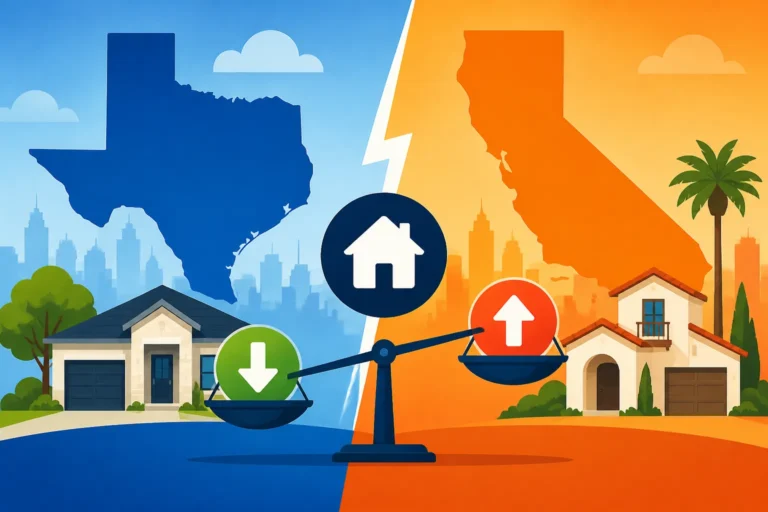
The specific services funded by property taxes, and the proportion of revenue allocated to each, are heavily influenced by state laws and local government decisions. Some states, like New Jersey, have a long history of high property taxes, with a significant portion often going towards robust local services and schools due to a lower reliance on state funding for education. In contrast, states with lower property taxes might have different funding models, perhaps relying more on state income or sales taxes for certain services, or offering fewer locally funded amenities. For example, while both California and Texas have significant property tax bills, the way that money is distributed and the caps on increases (like in California's Prop 13 or Texas's 10% cap) can lead to vastly different local spending priorities.
Moreover, county and city councils, along with school boards, make annual budgetary decisions that directly impact how your property tax money is spent. These decisions reflect local priorities, population needs, and the overall financial health of the municipality. Public meetings and budget hearings are where these allocations are debated and decided, offering citizens a chance to voice their opinions.
Impact of Local Taxing Districts
It's not just your city or county government that levies property taxes. Many areas are divided into numerous "taxing districts," each with the authority to impose its own property tax rate to fund a specific service or set of services. These districts often overlap, meaning your property might fall into several different ones. This is a crucial concept to grasp when you see your total property tax bill. If you're wondering "Who sets property tax rates?" the answer is often a complex web of these independent entities.
For instance, you might pay taxes to a general county fund, a city general fund, a specific school district, a library district, a water and sewer district, a hospital district, or even a community college district. Each of these entities sets its own budget and determines the portion of your property tax that will support its operations. This multi-layered approach explains why your neighbor in a different part of town might have a slightly different tax rate, even if they're in the same county, simply because they fall into a different combination of taxing districts. Understanding these districts is key to understanding the full scope of what your property taxes are used for.
Here’s a simplified example of how a hypothetical property tax bill might be broken down across different taxing districts:
| Taxing Authority | Approximate Percentage of Total Bill | Services Funded |
|---|---|---|
| School District | 50-70% | K-12 education, teacher salaries, facilities |
| County Government | 15-25% | Sheriff, health department, roads, general administration |
| City Government | 5-15% | Police, fire, parks, recreation, public works |
| Library District | 1-3% | Public libraries, programs, materials |
| Special District (e.g., Water/Sewer) | 1-5% | Water treatment, wastewater management, infrastructure |
| Other (e.g., Community College, Hospital) | 1-5% | Specific local institutions or services |
This table illustrates why your local school district often takes the largest share.
Understanding Your Property Tax Bill: Where to Find the Breakdown
Understanding where your property tax money goes begins with understanding your actual bill. While the thought of digging into tax documents might make your eyes glaze over, knowing how to read your property tax bill can demystify the process and connect those numbers to tangible services in your community.
Deciphering Your Assessment Notice
When you receive your annual property tax bill or "notice of assessed value," it's more than just a demand for payment. It's often a detailed summary of how your property's value was determined and which entities are levying taxes on it. While the format varies from state to state and even county to county, there are usually common elements that provide clarity. Your notice will typically show your property's assessed value, the various tax rates (often expressed as a mill rate) applied by different taxing authorities, and the total amount due to each.
You might see line items for your "County General Fund," "School District Levy," "City Services," or "Library District." Each of these indicates a specific taxing body that is receiving a portion of your payment. It's a transparent, albeit sometimes overwhelming, breakdown. If you're ever curious about why your property taxes increase, scrutinizing these line items year over year can often provide direct answers, showing shifts in local spending priorities or an increase in your assessed value.
Accessing Public Records for Specific Allocations
If your property tax bill doesn't offer enough granular detail, remember that local government finances are generally public record. This means you have the right, and the ability, to delve deeper into how your property tax dollars are ultimately spent.
Most city and county governments maintain websites where they publish their annual budgets, financial reports, and audits. For instance, if you live in a large metropolitan area like Los Angeles County, you can typically find detailed budget documents online that break down revenue sources and expenditures by department. These documents will outline the specific allocations for police and fire services, public works projects, park maintenance, and even administrative costs. Similarly, local school districts will often publish their budgets, detailing how property tax revenue is used for educational programs, facilities, and staff. Taking the time to explore these public records can give you a much clearer picture of exactly what your property tax dollars are supporting in your specific community, from a small town's street repairs to a major city's extensive public transit system.
Disclaimer
Please remember that this article provides general information about property taxes and their uses. Property tax laws, rates, and allocation methods vary significantly by state, county, and local jurisdiction. For specific advice regarding your individual property tax situation, always consult with a qualified tax professional or your local tax assessor's office.