Can I Pay My Property Taxes Monthly?
The dread of a hefty property tax bill hitting your mailbox can be truly overwhelming. Many homeowners find themselves scrambling to gather the funds for a single, large annual or semi-annual payment, leading to financial stress and budget headaches. The good news is that for most people, paying property taxes monthly is not only possible but also a common and effective way to manage this significant homeowner expense. This guide will walk you through the various ways you can break down that big bill into manageable monthly chunks.
The Most Common Way: Property Tax Escrow Accounts
For the vast majority of homeowners with a mortgage, monthly property tax payments happen almost automatically, thanks to an escrow account. If you've ever wondered why your mortgage payment seems a bit higher than just the principal and interest on the loan, it's likely because your lender is collecting extra funds each month to cover your property taxes (and often homeowner's insurance premiums) into an escrow or impound account. This system takes the burden of remembering due dates and saving up large sums off your shoulders.
How Mortgage Escrow Simplifies Payments
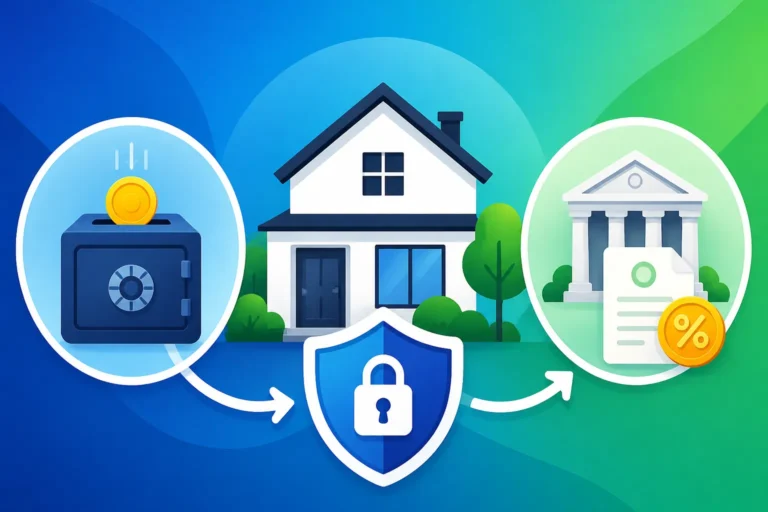
When you secure a mortgage, especially a conventional or government-backed loan like an FHA or VA loan, the lender will typically require you to set up an escrow account. This account acts like a dedicated savings fund managed by your mortgage servicer. Each month, a portion of your overall mortgage payment – referred to as PITI (Principal, Interest, Taxes, and Insurance) – is allocated to this escrow account. The amount collected is carefully calculated to ensure there's enough money accumulated by the time your property tax payments are due to the local taxing authorities.
For example, if your annual property tax bill is $3,600, your lender will add $300 ($3,600 / 12 months) to your monthly mortgage payment. They hold onto these funds, often along with your homeowner's insurance premiums, and then disburse them to the county tax collector and insurance company on your behalf when those bills come due. This means you don't have to worry about missing deadlines or facing late penalties. It’s incredibly convenient, ensuring that a large, infrequent expense is smoothed out into predictable monthly payments. You can learn more about how all these figures are put together in our comprehensive guide on How Are Property Taxes Calculated?.
The Ins and Outs of Escrow Analysis and Adjustments
While escrow accounts offer immense convenience, they aren't set-it-and-forget-it entirely. Mortgage servicers perform an "escrow analysis" at least once a year, usually around the same time your property tax assessment changes or your insurance premium is updated. This analysis compares the amount of money they’ve collected from you with the amount they've actually paid out for your taxes and insurance over the past year, and it projects the anticipated expenses for the coming year.
Sometimes, due to rising home values, increasing tax rates, or changes in local levies, your property taxes can go up. If your lender didn't collect enough money over the past year to cover these increases, you might end up with an "escrow shortage." This means your escrow account has a negative balance. To correct this, your lender will often increase your monthly escrow payment for the upcoming year and may require a one-time lump sum payment to cover the shortage, or they might spread the shortage repayment over 12 months. Conversely, if too much money was collected, you'll have an "escrow surplus," and the excess funds will usually be refunded to you. Understanding these adjustments is crucial, as they can sometimes lead to unexpected changes in your monthly housing costs. If you're grappling with this, our article on Why Did My Escrow Payment Go Up? can offer more insights.
Exploring Direct Payment Options with Your Tax Authority
While escrow is the most widespread method, not everyone has a mortgage, or some prefer to manage their own payments. In these scenarios, homeowners often wonder if they can simply pay their property taxes directly to the tax assessor's office on a monthly basis. The answer here is a bit more nuanced: true monthly direct payment plans are less common than other installment options, but they do exist in certain jurisdictions, and more frequently, quarterly or semi-annual options are available.
Jurisdictions Offering Installment Plans (Quarterly/Semi-Annual)
Many states and local municipalities understand that large, infrequent tax bills can be burdensome. As such, some offer voluntary installment plans directly through their tax collector's offices. These plans typically allow taxpayers to pay their annual bill in two, three, or four installments (semi-annually, tri-annually, or quarterly) rather than one lump sum.
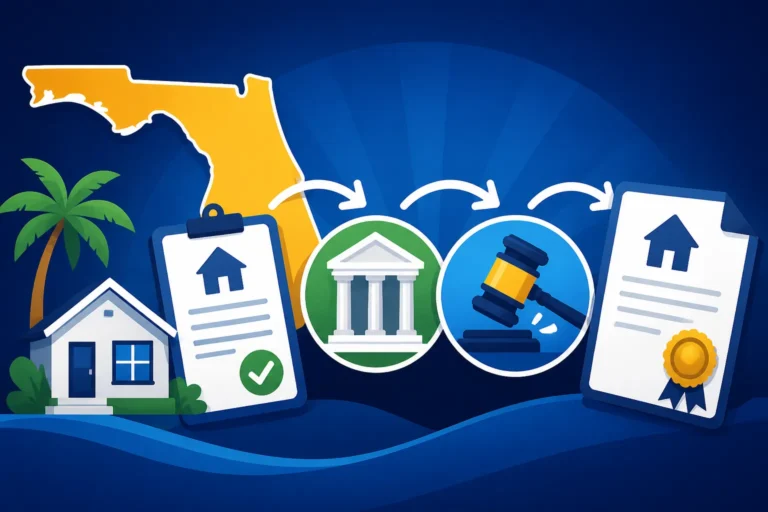
For example, in Florida, many counties offer a discount program if you pay your property taxes quarterly, typically in November, January, March, and May. While not strictly monthly, it breaks the bill into four more manageable chunks, with the added incentive of a small discount for early payments. Texas, known for its relatively high property taxes, offers some direct payment flexibility. For instance, homeowners with over-65 or disability exemptions can often pay their taxes in four equal installments without penalty. Additionally, some individual counties like Harris County or Dallas County might offer specific budget billing plans for certain taxpayers, allowing for monthly payments after an initial down payment. These programs are designed to provide relief and improve collection rates. It’s always best to check with your specific county appraisal or tax assessor's office to see what options are available where you live. You can often find this information by looking up Property Tax Due Dates by State.
Eligibility and Application for Direct Payment Plans
If your local tax authority offers installment plans, there will usually be specific eligibility criteria and an application process. Generally, these programs are available to all property owners, but sometimes they are limited to certain groups, such as seniors, disabled individuals, or those with homestead exemptions. The application often involves completing a form, agreeing to the payment schedule, and potentially making an initial payment by a specific deadline.
For instance, if a county offers a monthly budget plan, you might need to enroll by a certain date (often early in the tax year) and your first payment might be due at that time. The tax office will then calculate your estimated annual tax bill and divide it into equal monthly amounts. It's crucial to adhere strictly to these payment schedules. Missing an installment can result in penalties, interest, or even removal from the program. Always consult your official How to Read Your Property Tax Bill and contact your local tax assessor directly for the most accurate information on available programs and deadlines.
Self-Managed Monthly Budgeting and Savings
Even if your mortgage doesn't include an escrow account, or if your local tax authority doesn't offer a direct monthly payment plan, you can still achieve a "monthly payment" strategy through smart personal finance. This involves taking control and creating your own system to save up for those larger, less frequent property tax bills.
Creating Your Own Property Tax Savings Fund
Think of this as setting up your own "DIY escrow account." The first step is to accurately determine your annual property tax liability. You can usually find this information on your previous year's tax bill or by checking your county's appraisal district website. Once you have that annual total, divide it by 12 to get your target monthly savings amount.
Let's say your annual property tax bill is $4,800. That means you need to save $400 each month. Set up an automatic transfer from your primary checking account to a separate savings account specifically designated for property taxes. This segregates the funds, making it less likely you’ll accidentally spend them. Choose a high-yield savings account if possible, so your money can earn a little interest while it waits to be paid out. The key here is consistency. Treat this automatic transfer like any other bill – it's a non-negotiable expense that comes out every month. When the semi-annual or annual bill finally arrives, you'll have the full amount ready to go, avoiding any last-minute financial stress. This method gives you complete control over your money, allowing it to earn interest, unlike traditional escrow accounts.
Leveraging Financial Tools for Tracking and Planning
Managing your own property tax savings can be made even easier with the right financial tools. Many personal finance apps and budgeting software allow you to track your income and expenses, set savings goals, and monitor your progress. Services like Stessa, for instance, are popular among real estate investors for tracking property expenses and income, and while primarily aimed at landlords, their robust tracking features can be adapted by any homeowner to monitor their property tax savings and general home expenses. This type of platform can give you a clear overview of your financial health and ensure you're on track to meet your property tax obligations.
Additionally, consider linking your dedicated savings account to your budgeting app to get real-time updates on your balance. Some apps can even send you reminders as your property tax due dates approach, helping you stay organized and on top of your payments. For those who own multiple properties, or even just want a more detailed breakdown of their personal finances, these tools are invaluable. They empower you to take an active role in managing this significant household expense, rather than simply reacting to a large bill when it arrives.
When You Need a Little Extra Help: Property Tax Loans
Sometimes, despite the best budgeting efforts, life happens. Unexpected expenses can derail savings plans, or you might find yourself facing a property tax bill that’s simply too high to manage. In such situations, some homeowners turn to property tax loan companies or personal loans to bridge the gap. While these options can offer immediate relief, it's crucial to understand their implications fully.
Understanding Property Tax Lending Companies
In certain states, most notably Texas, a specific industry of property tax lending companies has emerged. These companies offer loans directly to homeowners to pay off their delinquent property taxes. The appeal is clear: they can prevent immediate foreclosure actions or the accumulation of hefty penalties and interest from the county. The property tax loan company pays your tax bill in full to the county, and you then owe the loan company, typically with monthly payments spread over a longer term, often 1 to 10 years.
However, these loans come with significant drawbacks. They often carry much higher interest rates and fees than a traditional mortgage or personal loan, sometimes ranging from 9% to 18% or even higher. While they can delay foreclosure, they replace one debt (to the county) with another (to a private lender), and failing to pay the private lender can still lead to foreclosure on your home. It’s a solution of last resort, and it’s critical to thoroughly research any property tax loan company, understand all the terms and conditions, and calculate the total cost over the life of the loan. Our article on Property Tax Loans: Should You Get One? dives deeper into this complex topic.
Navigating Personal Loan Options for Tax Payments
If property tax loans seem too risky or expensive, or if they aren't available in your state, a general personal loan might be another option for short-term financial relief. You can explore personal loan options through traditional banks, credit unions, or online lenders. Platforms like LendingTree allow you to compare loan offers from various lenders without impacting your credit score initially, making it easier to find competitive rates and terms.
Personal loans generally have lower interest rates than property tax loans, especially if you have good credit. They also offer more flexibility in terms of how you use the funds, and they aren't secured by your home (unless it's a home equity loan), which means you're not putting your property directly at risk if you default. However, like any loan, it adds to your debt burden and comes with monthly payments and interest charges. It's essential to ensure that taking on a personal loan won't strain your finances further. Only consider this if you have a clear plan for repayment and have exhausted other, less costly options, such as exploring property tax deferral programs if you meet the criteria for Property Tax Installment & Deferral Plans in your state.
Comparative Overview of Property Tax Payment Methods
To help you visualize the different ways to manage your property tax payments, here’s a quick comparison:
| Payment Method | Who Manages Payment? | How Often Payments Made? | Typical Costs/Fees? | Pros | Cons |
|---|---|---|---|---|---|
| Mortgage Escrow | Mortgage Lender | Monthly | Included in mortgage, no extra fees | Convenient, automated, no missed deadlines | Less control over funds, potential for escrow shortages |
| Direct Installment Plan | Local Tax Authority | Quarterly/Semi-annually | Varies (e.g., Florida discount, Texas no-fee for seniors) | Breaks up large bill, direct relationship with county | Not universally available, less frequent than monthly |
| Self-Managed Savings | Homeowner | Monthly | No fees, potential interest earnings | Full control, funds earn interest | Requires discipline, risk of miscalculation/undersaving |
| Property Tax Loan | Private Lender | Monthly | High interest rates, origination fees | Prevents immediate tax delinquency penalties | Very high cost, potential for foreclosure by lender |
| Personal Loan | Bank/Credit Union/Online Lender | Monthly | Interest rates, potential origination fees | More flexible than tax loans, can be lower interest | Adds to debt burden, separate monthly payment to track |
Proactive Steps to Minimize Your Property Tax Burden
Beyond managing how you pay your property taxes, there are proactive steps you can take to potentially reduce the amount you owe. Being informed about your property's assessed value and understanding available exemptions can make a significant difference in your annual bill.
Understanding Your Property's Assessment
The foundation of your property tax bill is your home's assessed value. This isn't necessarily the same as your market value, but rather the value assigned to your property by the local tax assessor for tax purposes. This assessed value, combined with the local tax rates (or mill rates), determines your total tax liability. It's crucial to regularly review your Property Tax Assessment & Reassessment Explained notice when it arrives, as errors in your property's assessment can lead to you paying more than your fair share.
If you believe your home's assessed value is too high, perhaps it doesn't reflect current market conditions accurately, or there are inaccuracies in the assessor's records about your home (e.g., incorrect square footage, fewer bathrooms than documented), you have the right to appeal. Many homeowners successfully lower their property tax bills by challenging their assessment.
Exploring Exemptions and Relief Programs
Another powerful way to reduce your property tax burden is by taking advantage of any available exemptions. These are deductions from your property's assessed value that lower your taxable amount, thereby reducing your overall tax bill. The most common is the homestead exemption, which typically applies to your primary residence. States and local jurisdictions also offer a wide array of other exemptions, including:
- Senior & Over-65 Exemptions: Many states provide special breaks for older homeowners, sometimes even freezing their assessed value.
- Veteran & Disabled Veteran Exemptions: Significant relief is often available for service members and disabled veterans.
- Disability Exemptions: Property owners with certain disabilities may qualify for reduced taxes.
- Agricultural Exemptions: For properties used for farming or agricultural purposes.
The specific exemptions, eligibility requirements, and application processes vary widely by state and even by county. It's not uncommon for homeowners to miss out on thousands of dollars in savings simply because they aren't aware of the exemptions they qualify for. Make it a point to contact your local tax assessor's office or visit their website to review all available exemptions and their application deadlines. Applying for these exemptions is a straightforward process, but it does require action on your part, often involving submitting an application and proof of eligibility. Taking the time to explore How to Lower Your Property Tax Assessment or apply for a Homestead Exemption: Complete State-by-State Guide can be one of the smartest financial moves you make as a homeowner.
Disclaimer
The information provided in this guide is for general informational purposes only and does not constitute financial, legal, or tax advice. Property tax laws and regulations are complex and vary significantly by jurisdiction. Always consult with a qualified financial advisor, tax professional, or your local tax assessor's office for advice tailored to your specific situation.