Property Tax Loans: Should You Get One?
The annual property tax bill can arrive like a punch to the gut, especially when you're already juggling household finances or unexpected expenses pop up. For many homeowners, the worry of delinquent taxes and the daunting threat of foreclosure can be incredibly stressful, pushing them to seek any available solution. This comprehensive guide aims to shed light on property tax loans, dissecting what they are, how they function, the reasons people turn to them, and the crucial advantages and disadvantages you need to understand before making such a significant financial decision.
What Exactly Are Property Tax Loans?
When you hear "loan," you usually think of mortgages, car loans, or personal loans from a bank. Property tax loans, however, are a specific type of financial product designed solely to cover your outstanding property tax bill. They’re often offered by private lenders, not traditional banks, and they come with their own unique set of terms and conditions.
Defining Property Tax Loans
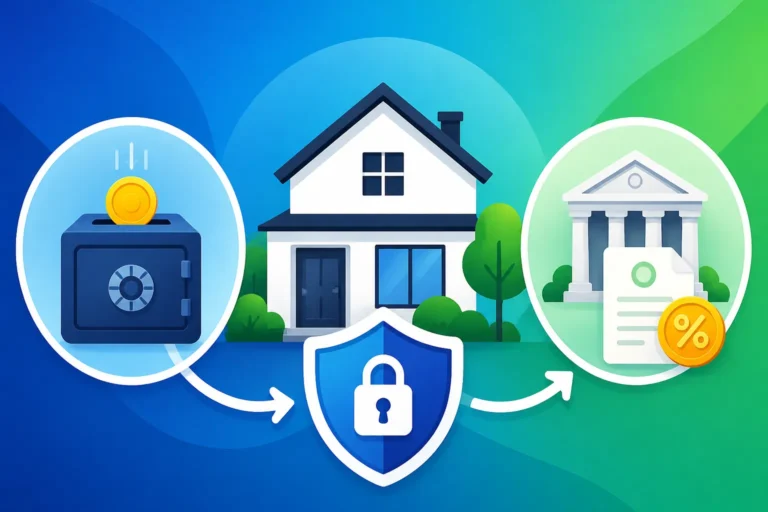
At their core, a property tax loan is an agreement where a private lender pays your property tax bill directly to the taxing authority on your behalf. In return, you agree to repay the lender over time, usually with added interest and various fees. This might sound like a lifesaver when you're staring down a looming deadline and don't have the cash on hand, offering immediate relief from the pressure of an overdue bill. Essentially, the lender steps in to prevent your property from going into default or facing more severe penalties, but at a cost. They are acting as a middleman, extending credit specifically for this purpose.
Imagine Sarah, a homeowner in Houston, Texas. She receives her property tax bill and realizes a sudden medical emergency has depleted her savings. She needs to pay the city and county property taxes, but she's short on funds. A property tax loan company could pay her Harris County property tax rate bill in full, preventing late penalties and potential legal action, and then Sarah would owe the loan company instead. It's a way to shift who you owe, and often, the immediate consequences of non-payment.
How They Differ from Traditional Loans
The primary distinction between property tax loans and traditional loans like a mortgage or personal loan lies in their specific purpose and how they are secured. A personal loan might be unsecured or secured by something like a car, and you can use the funds for anything. A mortgage is secured by your home and used for its purchase or refinancing. Property tax loans are explicitly for property taxes and are typically secured by a tax lien on your property.
This distinction is critical. If you default on a traditional loan, the consequences vary. If you default on a property tax loan, the lender holds a tax lien. This means they essentially step into the shoes of the taxing authority, and in many states, they have legal recourse that can be very aggressive, potentially leading to foreclosure more quickly than a traditional mortgage lender might. The interest rates can also be significantly higher than conventional loan products, reflecting the higher risk these private lenders often take on and the immediate, urgent need of the borrower. These loans aren't designed for home improvements or consolidating debt; they are a laser-focused solution for one specific financial obligation: your property taxes.
The Mechanics of Property Tax Loans: How They Work
Understanding the inner workings of property tax loans is crucial before considering one. They operate on a model that can provide immediate relief but also carries substantial long-term implications.
The Application Process
The application process for a property tax loan is generally designed to be relatively quick and less stringent than applying for a traditional mortgage or even some personal loans. Lenders typically focus on the property itself rather than your personal credit score or income as much as a conventional lender would. This is because the loan is primarily secured by the property tax lien, which gives them significant leverage.
Here's a typical breakdown:
- Initial Inquiry: You contact a property tax loan company, often online or by phone, providing basic information about your property and the amount of delinquent taxes.
- Property Assessment: The lender will quickly verify your property's details and the exact amount owed, including any penalties or fees that have already accumulated.
- Offer and Disclosure: If you qualify, the lender will present you with a loan offer outlining the principal amount (your taxes), interest rate, fees, and repayment schedule. This is where you need to pay very close attention to all the fine print.
- Closing: If you accept, you'll sign documents, and the lender will pay your delinquent taxes directly to the taxing authority (e.g., your county tax office or appraisal district).
- New Obligation: Your obligation shifts from the taxing authority to the private lender.
This streamlined process is one of the main appeals for homeowners in a bind. While a bank might take weeks to process a loan based on credit history and income verification, a property tax lender can often finalize the deal in a matter of days. However, this speed often comes with a higher price tag in terms of interest and fees.
Interest Rates and Fees
This is arguably the most critical aspect to scrutinize with property tax loans. Unlike a low-interest personal loan or a standard mortgage, property tax loans often come with significantly higher annual interest rates. These rates can vary widely depending on your state's regulations, the specific lender, and your property's characteristics. It’s not uncommon to see annual percentage rates (APRs) ranging from the high single digits to over 15%, or even higher in some areas, especially when you factor in all the associated fees.
Beyond the interest, you'll almost certainly encounter a range of fees, which can substantially increase the overall cost of the loan. These might include:
- Origination Fees: A charge for setting up the loan, often a percentage of the loan amount.
- Administrative Fees: For processing paperwork and managing the loan.
- Closing Costs: Various charges associated with finalizing the loan, similar to those in a mortgage.
- Servicing Fees: Ongoing fees for managing your account.
- Late Payment Fees: Penalties if you miss a payment to the loan company.
These fees, when combined with high interest, can make the total amount you repay significantly more than your original tax bill. For instance, a property tax loan in Texas might have a 12% interest rate, but with various fees, the effective cost could be much higher. It’s essential to ask for a detailed breakdown of all costs and calculate the total repayment amount over the life of the loan. Some states regulate these fees and interest rates, but it's still crucial to be an informed consumer.
Repayment Structures
Property tax loans typically come with structured repayment plans, often spread out over 1 to 10 years, though shorter terms are also common. These payments are usually made monthly, similar to a mortgage payment. The goal is to make the larger, lump-sum property tax bill manageable by breaking it into smaller, recurring installments.
Here’s a look at common structures:
- Fixed Payments: Most loans offer fixed monthly payments, meaning the amount you pay each month remains the same throughout the loan term, making budgeting easier.
- Amortization Schedule: Like a mortgage, your payments will likely follow an amortization schedule, where initially more of your payment goes towards interest, and later, more goes towards the principal.
- Balloon Payments: While less common for residential property tax loans, some agreements, especially for commercial properties or in certain states, might include a large "balloon payment" due at the end of the term. This is a significant risk if you're not prepared.
Understanding your repayment schedule and ensuring it aligns with your budget is paramount. If you fail to make these payments to the private lender, you revert to a similar—or potentially worse—situation than if you hadn't paid your taxes in the first place. The lender, holding the tax lien, can initiate their own collection processes, which can include foreclosure. You should know that if you’re using a service like LendingTree to explore options, you might find varying repayment terms depending on the lender you connect with.
| Feature | Traditional Mortgage | Property Tax Loan |
|---|---|---|
| Purpose | Purchase/Refinance home, large expenses | Pay delinquent property taxes only |
| Secured By | The property itself (mortgage lien) | A tax lien on the property |
| Lender Type | Banks, credit unions, mortgage companies | Private tax loan companies, investors |
| Interest Rates | Generally lower, market-driven | Often significantly higher |
| Fees | Origination, closing, appraisal, etc. | Origination, administrative, closing, servicing |
| Credit Impact | Strong credit often required | Less emphasis on credit; focus on property |
| Application Time | Weeks to months | Days to a couple of weeks |
| Default Risk | Foreclosure by mortgage holder | Foreclosure by tax lien holder |
Why Homeowners Consider Property Tax Loans
It's easy to look at the high interest rates and fees and wonder why anyone would opt for a property tax loan. However, for many homeowners facing dire circumstances, these loans can appear to be the only viable solution, offering a crucial lifeline when other avenues seem closed.
Avoiding Foreclosure and Penalties
The most significant driver behind seeking a property tax loan is the urgent need to avoid the severe consequences of unpaid property taxes. When taxes become delinquent, taxing authorities don't just send a polite reminder. They levy substantial penalties and interest, and eventually, they can initiate a tax lien or even a tax deed sale, which can lead to the loss of your home.
In states like Texas, for example, if you don't pay your property taxes, the county can impose penalties and interest that quickly add up. After a certain period, they can pursue a tax lien foreclosure. The idea of losing your home over a tax bill, even if it's "just" a few thousand dollars, is terrifying and can push homeowners to extreme measures. A property tax loan immediately pays off the taxing authority, stopping the accrual of government penalties and interest, and halting any potential foreclosure proceedings initiated by the county or city. It provides a temporary shield, albeit one that comes with its own costs and risks, giving homeowners breathing room they desperately need. This is a primary reason homeowners consider property Tax Lien Sales & Certificates.
Spreading Out Payments
Property tax bills are often large, lump-sum amounts due once or twice a year. For many households, especially those on fixed incomes or struggling with fluctuating finances, coming up with thousands of dollars at once can be an impossible task. This is particularly true if your property tax assessment has suddenly increased or if you live in an area with high property tax rates, like New Jersey.
Property tax loans address this pain point by converting that daunting lump sum into smaller, more manageable monthly payments. This can ease the immediate burden on a household budget, allowing them to pay off their obligation over a longer period, typically several years. It's a way to smooth out cash flow and prevent a single, large bill from completely derailing their financial stability for the year. For someone who has their finances managed through a tool like Stessa (even if it's primarily for investment properties, the principles of budgeting apply to personal residences too), spreading out a large expense can be crucial for maintaining overall financial health.
Lack of Other Options
Sometimes, a property tax loan is considered because a homeowner genuinely feels they have exhausted all other avenues. They might have tried to negotiate a payment plan with the taxing authority, but perhaps their county doesn't offer flexible terms or their application was denied. Their credit might be too poor to qualify for a traditional personal loan, or they may not have enough equity for a home equity loan or cash-out refinance.
In these situations, private property tax loan companies market themselves as the "last resort" or the "only solution." They often have less stringent credit requirements precisely because the loan is secured by the property's tax lien, making them accessible to those who are otherwise locked out of conventional lending markets. While this accessibility is a benefit for those with limited choices, it also underscores the vulnerability of the borrowers who often turn to these loans when they have nowhere else to go. This emotional state can make borrowers more susceptible to agreeing to unfavorable terms out of desperation.
The Potential Pitfalls: Risks and Downsides
While property tax loans offer a temporary solution to an urgent problem, they are far from a magic bullet. It's critical to understand the significant risks and downsides associated with them, as ignoring these can lead to even greater financial distress.
High Interest Rates and Hidden Fees
The most glaring pitfall of property tax loans is their cost. As discussed earlier, these loans often carry significantly higher interest rates than traditional loans. While a mortgage might be in the single digits, property tax loans can easily range from 10% to 18% or even more in some states. This means you end up paying substantially more than your original tax bill.
Beyond the advertised interest rate, the multitude of fees can inflate the total cost dramatically. Origination fees, administrative fees, closing costs, and sometimes even servicing fees can pile up, creating an effective annual percentage rate (APR) that is far higher than what appears on the surface. These costs eat into your hard-earned money and can trap you in a cycle of debt if you're not careful. For instance, if you take out a loan for $5,000 at 14% interest with $500 in fees, you're immediately starting behind, effectively borrowing $5,500 at that rate. This can be especially damaging if you were already struggling financially, leading to a much larger debt burden down the line. It's not uncommon for homeowners to be surprised by how much they're truly paying when they eventually look at the total repayment sum.
Risk of Losing Your Home
This is the ultimate, terrifying risk associated with property tax loans. While these loans are presented as a way to prevent foreclosure, failing to make payments to the private lender can ultimately lead to the same outcome, and sometimes even faster. When a property tax loan company pays your taxes, they effectively purchase the tax lien from the taxing authority. This lien gives them a powerful legal claim against your property.
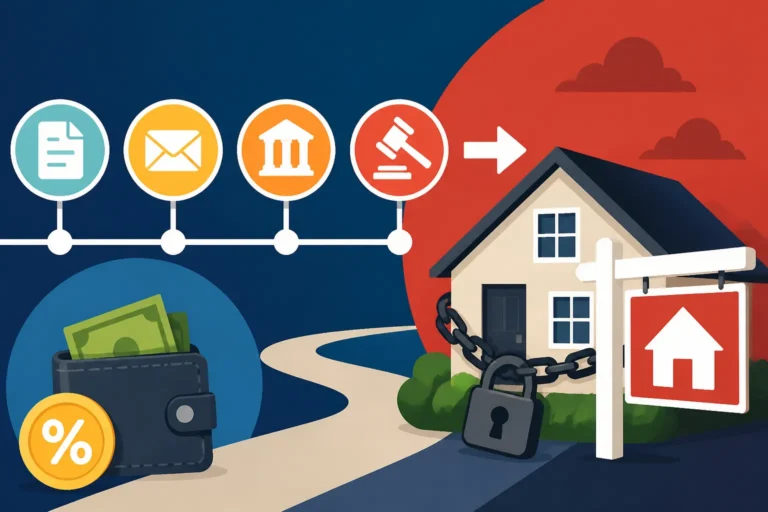
If you default on your payments to the private lender, they have the right to foreclose on your home, just as the county or city would have. In many states, the foreclosure process for a tax lien can be expedited compared to a traditional mortgage foreclosure. This means the grace periods and legal protections you might expect with a conventional lender could be much shorter. Essentially, you've traded one creditor for another, and if you can't meet the new, often more expensive, repayment schedule, your home remains at risk. This is a very real possibility, and it's why it's so important to fully understand "What Happens If You Don't Pay Property Taxes?" and how a property tax loan changes that dynamic.
Predatory Lending Concerns
Because property tax loans often target homeowners who are in financial distress and may have limited other options, there's a heightened concern about predatory lending practices. These practices exploit a borrower's vulnerability, offering seemingly easy solutions with hidden traps that benefit the lender disproportionately.
Some red flags that could indicate a predatory loan include:
- Aggressive Sales Tactics: High-pressure sales that push you to sign immediately without thoroughly reviewing the terms.
- Lack of Transparency: Vague explanations of fees, interest rates, and the total cost of the loan.
- Excessive Fees: Fees that seem unusually high or are difficult to justify.
- Unrealistic Repayment Schedules: Terms that are clearly difficult for a struggling homeowner to meet.
- No Consideration for Ability to Pay: Lenders who don't seem to care about your income or ability to repay, relying solely on the property as collateral.
While many reputable property tax loan companies exist, the industry has historically faced criticism for these practices. It’s crucial to be wary and to seek independent advice if anything feels off. Remember, if a deal sounds too good to be true, it probably is. Always compare offers and read every line of the contract.
Exploring Alternatives to Property Tax Loans
Before even considering a property tax loan, it's wise to explore other avenues. Many homeowners aren't aware of the various programs and options available that could provide relief without the high costs and risks associated with private tax loans.
Payment Plans with the Tax Assessor
This is often the first and best alternative to investigate. Many local taxing authorities—counties, cities, and school districts—understand that property tax bills can be a significant burden and offer official payment plans directly. These plans typically allow you to pay your delinquent taxes in installments over several months, often with much lower or no additional interest/penalties compared to private lenders.
For example, in many Texas counties, if you sign a payment agreement with the Appraisal District or Tax Assessor-Collector's office, you can often avoid further penalties beyond a certain point, only paying the base interest rate. This is a far more homeowner-friendly approach. The key is to be proactive: contact your local tax office as soon as you realize you'll have trouble paying. Don't wait until the bill is severely delinquent. Explain your situation and ask about available installment plans or deferral options. This approach keeps you dealing directly with the governmental entity, which usually has more flexible and less punitive terms than a private lender. You can often find details on their websites or by calling their customer service. Exploring official Property Tax Installment & Deferral Plans should always be your first step.
Property Tax Exemptions and Relief Programs
Many states and local jurisdictions offer a variety of property tax exemptions and relief programs that could significantly reduce your tax burden, or even eliminate it for certain groups. These are not loans; they are direct reductions or deferrals of your tax liability.
Common programs include:
- Homestead Exemptions: Reduce the taxable value of your primary residence. Most states offer some form of this. For example, the Texas Homestead Exemption Explained can save homeowners a substantial amount.
- Senior & Over-65 Exemptions: Many states offer freezes or significant discounts for older homeowners, recognizing they often live on fixed incomes. Researching Senior & Over-65 Property Tax Exemptions and Freezes is crucial if you qualify by age.
- Veteran & Disability Exemptions: Special provisions often exist for veterans, especially disabled veterans, and homeowners with disabilities.
- Circuit Breaker Programs: These programs cap property taxes at a certain percentage of a homeowner's income, offering relief to low-income individuals.
- Deferral Programs: Some states allow seniors or those with certain disabilities to defer property tax payments until their home is sold or inherited, with the deferred amount becoming a lien on the property.
It's critical to research what's available in your specific area. These programs can offer much greater relief than a loan, as they directly reduce what you owe rather than just changing who you owe. You might be surprised at what you qualify for, and remember, these don't come with the high interest and fees of private loans. For a comprehensive overview, check out our guide on Homestead Exemption: Complete State-by-State Guide.
Refinancing or Home Equity Options
If you have significant equity in your home and a decent credit score, using your home equity could be a much safer and more affordable alternative. This typically involves:
- Cash-Out Refinance: You refinance your existing mortgage for a higher amount than you currently owe, taking the difference in cash. This cash can then be used to pay your property taxes. This usually comes with much lower interest rates than property tax loans, as it's part of a traditional mortgage.
- Home Equity Loan (HEL): This is a second mortgage for a fixed amount, providing a lump sum.
- Home Equity Line of Credit (HELOC): This is a revolving credit line secured by your home, allowing you to borrow funds as needed up to a certain limit.
These options typically offer more favorable interest rates and terms than property tax loans because they are offered by traditional banks and credit unions, which have stricter lending criteria but also offer better consumer protections. A platform like LendingTree can be a good starting point to compare rates and terms from various lenders for these types of products. However, keep in mind that these options require good credit and sufficient home equity. If you default on a HEL or HELOC, you also risk foreclosure, but the terms are generally more transparent and less aggressive than private tax lien loans.
State Regulations and Consumer Protections
The landscape of property tax loans is heavily influenced by state-specific laws. What's permissible in one state might be illegal or highly regulated in another, and understanding these nuances is crucial for any homeowner considering this type of financing.
Varying State Laws
Not all states permit private property tax lending. Where they are allowed, regulations can vary wildly. Some states, like Texas, have a robust property tax lending industry with specific statutes governing operations, interest rate caps, and consumer disclosures. In Texas, for instance, property tax lenders can charge significant interest, but there are some rules around notice and the foreclosure process. The state aims to balance providing an option for struggling homeowners with consumer protection, though debates about the effectiveness of these protections continue.
Other states, such as Florida, primarily operate under a tax deed sale or tax lien certificate system where private investors can buy tax liens directly from the county at an auction, but the direct loan model from a private lender to the homeowner for current taxes is less common or non-existent. Instead, if taxes aren't paid, the county sells the lien, and the lienholder can eventually initiate a foreclosure process if the taxes aren't redeemed.
California, with its unique Proposition 13 and supplemental tax bills, has different mechanisms for collecting delinquent taxes and does not have a widespread private property tax loan industry in the same way Texas does. It's vital to research your specific state's laws to understand if these loans are even an option, and if so, what protections are in place. These laws dictate everything from maximum interest rates and fees to the length of redemption periods and the specifics of the foreclosure process. Ignorance of these laws can leave you vulnerable.
Understanding Your Rights
Regardless of which state you live in, if property tax loans are permitted, you still have consumer rights that should be protected. These rights often include:
- Clear Disclosure of Terms: Lenders are typically required to provide a clear, written disclosure of all loan terms, including the principal amount, interest rate, all fees, total repayment amount, and the full repayment schedule. Never sign anything you don't fully understand.
- Right to Rescind: In some cases, you might have a short "cooling-off" period (often three business days) during which you can cancel the loan without penalty after signing. This is often tied to federal truth-in-lending laws.
- Fair Collection Practices: Even if you default, lenders must adhere to fair debt collection practices. They cannot harass you, make false statements, or engage in abusive tactics.
- Foreclosure Protections: While tax lien foreclosures can be swift, there are usually still legal steps that must be followed, including proper notice and a chance to redeem your property. Understanding the Property Tax Foreclosure Timeline in your state is essential.
It's recommended to consult with a housing counselor or legal aid expert in your state, especially if you feel pressured or confused by the terms of a property tax loan. These professionals can help you understand the contract, explain your rights, and potentially identify alternatives that are better suited to your situation. Don't go it alone, especially when your home is on the line.
Making an Informed Decision
Deciding whether a property tax loan is right for you is a serious decision that requires careful consideration of your financial situation, the immediate problem, and all potential long-term impacts. There’s no one-size-fits-all answer, and what works for one person might be disastrous for another.
Weighing the Pros and Cons
To make a truly informed choice, it helps to clearly lay out the advantages and disadvantages specific to your circumstances.
Pros of Property Tax Loans:
- Immediate Relief: Stops penalties and interest from the taxing authority and prevents immediate tax foreclosure action. This can buy you crucial time when you have nowhere else to turn.
- Avoids Tax Lien: Pays off the original tax lien, albeit by creating a new one with a private lender.
- Flexible Payments: Converts a large, lump-sum tax bill into smaller, more manageable monthly installments.
- Accessible: Often easier to qualify for than traditional loans, especially for those with poor credit or limited equity.
Cons of Property Tax Loans:
- High Cost: Significantly higher interest rates and numerous fees mean you pay much more than your original tax bill.
- Risk of Foreclosure: Failure to repay the private lender still leads to the risk of losing your home, sometimes with a faster foreclosure process.
- Predatory Lending Risk: Vulnerable homeowners can be targeted by lenders offering unfavorable terms.
- Long-Term Debt: Can lead to a prolonged period of debt repayment for an expense that should ideally be paid annually.
- Loss of Future Financial Flexibility: The added monthly payment might strain your budget, limiting your ability to save or cover other unexpected costs.
Before committing, consider your ability to pay not just this loan, but all your other financial obligations. Can you truly afford the new monthly payment, including the elevated interest and fees? If not, you might simply be delaying the inevitable and incurring more debt in the process.
Seeking Professional Advice
Navigating the complexities of property taxes and financial distress is incredibly challenging, and you don't have to do it alone. Before signing any agreement for a property tax loan, it is highly recommended to seek professional advice.
Consider reaching out to:
- Housing Counselors: Non-profit organizations often provide free or low-cost housing counseling services. They can help you understand your options, review loan documents, and connect you with local resources.
- Financial Advisors: A certified financial planner can assess your overall financial health and help you determine if a property tax loan fits into your long-term goals or if better alternatives exist.
- Legal Aid Attorneys: If you're concerned about predatory lending practices, the legality of the loan terms, or the potential for foreclosure, a legal aid attorney specializing in consumer law or real estate can offer invaluable guidance and protect your rights.
- Your Local Tax Assessor's Office: As mentioned, they can inform you about official payment plans, exemptions, and deferral programs available directly from the government. You might find resources like guides on How to Read Your Property Tax Bill which can clarify initial payment options.
An independent third party can provide an objective perspective, identify potential red flags, and ensure you fully understand the commitment you are making. Their expertise can be the difference between finding a true solution and falling deeper into financial trouble. Never feel rushed into a decision that affects the roof over your head.
Disclaimer
The information provided in this guide is for general informational purposes only and does not constitute financial, legal, or tax advice. Property tax laws and loan regulations vary significantly by state and local jurisdiction. You should consult with a qualified financial advisor, legal professional, or tax expert to discuss your individual circumstances and make informed decisions.