Miami-Dade County Property Tax Payment & Due Dates
Dealing with property taxes can feel like navigating a maze, especially when you're trying to figure out exact payment schedules and deadlines. For homeowners in Miami-Dade County, understanding when your property tax bill is due, how to pay it, and what happens if you're late is crucial to avoiding penalties and unnecessary stress. This guide will walk you through everything you need to know about property tax payments and key dates in Miami-Dade County, giving you peace of mind and clarity.
The Annual Property Tax Cycle in Miami-Dade County
In Miami-Dade, like the rest of Florida, property taxes follow a very specific annual cycle, and knowing this rhythm is key to managing your finances. It's not just a one-off bill; it's a process that spans months, from valuation to actual payment deadlines, each with its own implications for homeowners.
How Your Property Tax Bill is Generated
First, let's talk about where that bill even comes from. The journey starts with the Miami-Dade Property Appraiser, who is responsible for valuing all properties in the county. This valuation process considers everything from your home's square footage, lot size, recent sales of comparable properties in your neighborhood, and any improvements you might have made. You'll typically receive your Notice of Proposed Property Taxes (also known as the TRIM notice) in August. This isn't your actual bill, but it's a critical document that shows your proposed assessed value, estimated taxes, and, most importantly, the various taxing authorities (like the county, school board, and municipalities) that will get a piece of your tax dollars. This is your first and best chance to review their numbers and consider if you need to contest anything. Understanding your tax assessment is a vital step, and you can learn more about how assessed value contrasts with other valuations in our guide to Assessed Value vs Market Value vs Taxable Value.
After the Property Appraiser sets the values, and local governments (like the Miami-Dade Board of County Commissioners, school board, and city councils) adopt their budgets and set their millage rates (the tax rate per $1,000 of assessed value), the official tax roll is certified. The actual tax bills are then mailed out by the Miami-Dade County Tax Collector's office around October 31st each year. This is the bill you need to pay, usually covering the calendar year from January 1st to December 31st.
Key Dates and Discount Periods
One of the most homeowner-friendly aspects of Florida property taxes, including those in Miami-Dade County, is the discount for early payment. The state encourages early payment by offering a staggered discount system that can save you a decent chunk of change. This is a big deal, especially when you think about how much your overall bill can be.
The official due date for all property tax payments is March 31st of the following year (so, for the 2023 tax year, the deadline is March 31st, 2024). However, if you wait until then, you'll pay the full amount.
Here's how the discount structure works:
- November Payments: If you pay your property tax bill in November, you receive a 4% discount. Imagine saving 4% on a several-thousand-dollar bill! It's a significant incentive.
- December Payments: Pay in December, and you'll get a 3% discount. Still a great saving, just a little less than November.
- January Payments: In January, the discount drops to 2%.
- February Payments: In February, you receive a 1% discount.
- March Payments: If you pay in March, you pay the full amount, with no discount.
This is a fantastic opportunity that many homeowners, especially those on a fixed income, rely on to make their property taxes more manageable. It really pays to plan ahead. You can find more general information about these schedules in our detailed article on Property Tax Due Dates by State.
How to Pay Your Miami-Dade Property Taxes
Once you have your bill in hand, or even if you're just tracking it online, you have several convenient options for making your payment to the Miami-Dade County Tax Collector. The county has made it fairly straightforward, offering methods that cater to different preferences, whether you're tech-savvy or prefer a more traditional approach.
Online Payment Options
For many, paying online is the easiest and most preferred method. The Miami-Dade County Tax Collector's website offers a secure portal where you can look up your property tax bill and submit payment. You'll usually need your property's folio number or owner's name to find your specific bill.
Typically, you can pay using:
- E-check/ACH: This often involves providing your bank account and routing number. It's usually a free or very low-cost option.
- Credit/Debit Card: Most major credit cards (Visa, MasterCard, American Express, Discover) are accepted. Be aware that credit card payments usually incur a convenience fee, often a percentage of the transaction amount, which can add up quickly. This fee is charged by the third-party payment processor, not the county, to cover their costs.
Paying online allows you to print a confirmation receipt immediately, giving you proof of payment right away. This convenience makes it a popular choice for busy homeowners.
Payment by Mail
If you prefer the old-fashioned way, you can certainly mail in your payment. Your tax bill will come with a payment coupon and instructions for where to send your check or money order. It's crucial to mail your payment well in advance of the deadline, especially if you're aiming for one of those early payment discounts.
The postmark date is generally considered the payment date for mailed payments. However, to avoid any last-minute issues, especially with the postal service, aim to send it at least a week before any discount period ends or the final March 31st deadline. Always make sure your check is made out to the Miami-Dade County Tax Collector, and include your folio number on the check's memo line to ensure it's applied correctly to your property.
In-Person Payments
For those who like to handle things face-to-face, you can typically pay your property taxes in person at the Miami-Dade County Tax Collector's office during business hours. Check their website for specific office locations and operating hours. Paying in person allows you to get a stamped receipt directly from the office, providing immediate confirmation that your payment has been received. This can be especially reassuring if you're paying a large sum or are close to a deadline.
Mortgage Escrow Accounts and Property Taxes
Many homeowners don't actually send their property tax payment directly to the county. If you have a mortgage, it's very common for your lender to include property taxes (and homeowner's insurance) in your monthly mortgage payment. This portion of your payment goes into an escrow account. The mortgage servicer then collects these funds throughout the year and, when the tax bill is issued in November, they pay it on your behalf. This is a standard practice and one of the ways that services like LendingTree help homeowners manage their financial obligations by consolidating payments.
While this takes the burden off you to remember due dates and make direct payments, it's still your responsibility to ensure your escrow account has sufficient funds. You should always review your annual escrow analysis statement from your lender to confirm they are correctly estimating and collecting for your property taxes. If your property's assessed value or tax rate changes significantly, your escrow payment might need to be adjusted, leading to potential escrow shortages.
What Happens If You Miss the Miami-Dade Property Tax Deadline?
Missing the March 31st deadline for your Miami-Dade County property taxes isn't just a minor oversight; it triggers a series of events that can lead to significant penalties, additional costs, and even the potential loss of your property. It’s definitely something you want to avoid, and understanding the consequences can motivate you to pay on time.
Penalties and Delinquency
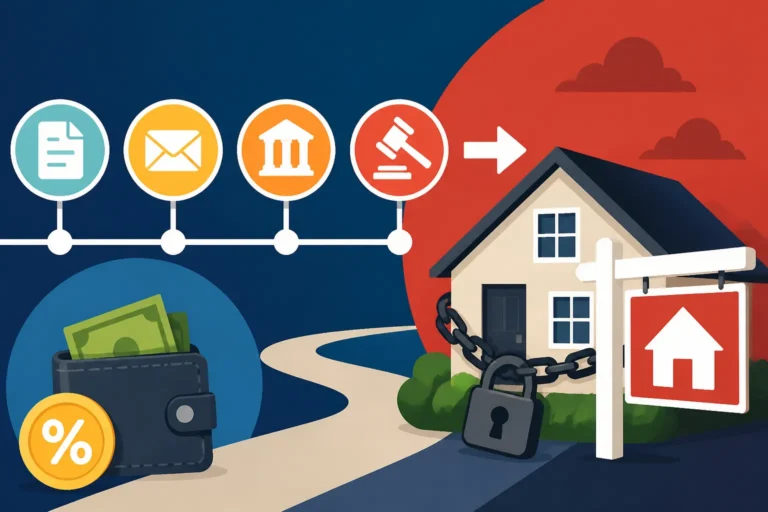
Once April 1st rolls around, any unpaid property tax bills become officially delinquent. When this happens, the Miami-Dade County Tax Collector immediately adds a penalty to your outstanding balance, usually calculated as a percentage of the unpaid tax. This penalty is often a flat 3% of the unpaid amount, plus advertising costs associated with listing delinquent properties.
The county doesn't waste time in trying to recover these funds. Delinquent taxes are a serious matter for local governments, as these funds are essential for supporting public services like schools, police, fire departments, and infrastructure.
The Tax Certificate Sale
Here's where things get really interesting and potentially complicated. If your property taxes remain unpaid, the Miami-Dade County Tax Collector is mandated by Florida law to hold a tax certificate sale, typically in late May or early June. This isn't a sale of your property directly, but rather a sale of a "tax certificate" to investors.
A tax certificate represents a lien against your property for the amount of delinquent taxes, interest, and costs. Investors bid on these certificates, essentially paying your outstanding tax bill to the county. In return, they earn interest on the amount they paid, with the interest rate typically determined by a bidding process (though there's a maximum rate set by law, often 18%). The certificate holder doesn't have any ownership rights to your property; they simply hold a lien.
This process ensures that the county still receives the funds it needs, while creating an investment opportunity. For you, the homeowner, it means your debt is now owed to the tax certificate holder, not directly to the county, and it continues to accrue interest. You can learn more about how this system works in our comprehensive guide on Property Tax Liens Explained and Tax Lien Sales & Certificates.
Tax Deed Application and Potential Foreclosure
If the tax certificate remains outstanding for a period of two years from the date it was issued (not the delinquency date), the tax certificate holder can apply to the Miami-Dade County Tax Collector for a tax deed. This is a much more serious step.
When a tax deed application is filed, it sets in motion a process that can lead to your property being sold at a public auction to satisfy the unpaid taxes and other associated costs. You will be notified throughout this process, and there will be a final redemption period before the tax deed sale actually occurs. During this redemption period, you still have the chance to pay off all delinquent taxes, interest, penalties, and fees to prevent the sale. If you fail to do so, your property can be sold to the highest bidder at the tax deed auction, and you could lose your home.
It's a stark reminder of the importance of staying current on your property taxes. Companies like Stessa, used by many property owners to manage their real estate finances, can be instrumental in helping you track these expenses and ensure you never miss a payment.
Finding Your Property Tax Information and Potential Relief
Navigating your property taxes goes beyond just knowing when and how to pay; it also involves understanding how to access your information and whether you qualify for any relief programs that can lighten the load. Miami-Dade County offers several resources and potential exemptions that every homeowner should explore.
How to Access Your Miami-Dade Property Tax Bill
The most reliable place to find your specific property tax information is the official website of the Miami-Dade County Tax Collector. You can usually perform a search using your property's street address, owner's name, or folio number. The folio number is a unique identification number assigned to your property, often found on previous tax bills or property deeds.
Once you find your property, you'll be able to view your current bill, historical tax information, payment status, and details about the assessment. This online tool is invaluable for reviewing your property's assessed value, checking if your homestead exemption has been applied correctly, and seeing the breakdown of how your tax dollars are allocated to different taxing authorities. We've put together a specific guide on Miami-Dade County Property Tax Search & Lookup to help you navigate this process.
Property Tax Exemptions and Relief Programs
Florida, and consequently Miami-Dade County, offers several programs designed to provide property tax relief to eligible homeowners. These exemptions reduce your property's taxable value, which in turn lowers your overall tax bill. It’s absolutely worth checking if you qualify, as these savings can be substantial.
Here are some of the most common exemptions:
- Homestead Exemption: This is perhaps the most significant exemption for Florida residents. If you own a home and it is your permanent residence (your "homestead"), you can qualify for an exemption of up to $50,000 on your home's assessed value. This applies to the first $25,000 of assessed value and an additional $25,000 for values between $50,000 and $75,000, excluding school taxes on the latter portion. The deadline to apply for a new Homestead Exemption is March 1st each year. If you recently purchased a home in Miami-Dade, make sure to apply! You can read more about this in our detailed article on the Florida Homestead Exemption (March 1 Deadline).
- Senior Citizen Exemptions: Miami-Dade County may offer additional exemptions for seniors who meet specific age and income criteria. For instance, there's often an additional homestead exemption for persons 65 and older who meet certain income limitations, providing an extra reduction in taxable value. These vary by county and municipality, so it's essential to check with the Miami-Dade Property Appraiser's office for the most current requirements.
- Veteran and Disabled Persons Exemptions: Florida provides significant property tax exemptions for qualifying veterans, especially those with service-connected disabilities. Depending on the disability rating, veterans could qualify for a partial or even a 100% exemption on their property taxes. Similar exemptions are available for non-veteran disabled individuals who meet specific criteria.
- Widow/Widower Exemption: A $500 exemption is often available for widows and widowers residing in Florida.
Applying for exemptions usually involves submitting an application to the Miami-Dade Property Appraiser's office. Many exemptions, once granted, automatically renew each year, but it's always wise to verify they are still active on your TRIM notice or tax bill. These programs are designed to help you, so don't leave money on the table! Our guide on Homestead Exemption: Complete State-by-State Guide provides a broader overview of these critical relief programs.
Planning for Your Miami-Dade Property Tax Payments
Effective financial planning is crucial when it comes to property taxes. The annual nature of the bill, coupled with the early payment discounts, means that a little foresight can go a long way in managing this significant homeowner expense.
Budgeting and Saving for Your Tax Bill
Whether you pay through an escrow account or directly, it's smart to plan for your property tax liability throughout the year. If you don't have an escrow account, consider setting aside a portion of your income each month into a separate savings account specifically for property taxes. This way, when the bill arrives in October, you'll have the funds ready to take advantage of those sweet early payment discounts.
For landlords or those with investment properties in Miami-Dade, budgeting becomes even more critical. Tools like Stessa can be incredibly helpful for tracking income and expenses across multiple properties, ensuring you have enough reserves for your tax obligations. They can simplify expense tracking, making it easier to see how much you need to set aside. Similarly, if you’re exploring mortgage options, understanding the full cost of homeownership, including property taxes, is where resources like LendingTree come in handy. They can help you factor in all these costs when looking at loan estimates.
Understanding Tax Roll Changes
It's important to remember that property values, and therefore your property taxes, are not static. Market conditions, property improvements, and reassessment cycles can all influence your bill. The Miami-Dade Property Appraiser regularly reassesses properties to reflect current market values. While Florida has some caps on how much your assessed value can increase each year (e.g., the Save Our Homes assessment limitation for homesteaded properties, which caps increases at 3% or the Consumer Price Index, whichever is lower), non-homesteaded properties might see larger fluctuations.
Stay informed by reviewing your TRIM notice every August. If you believe the assessed value is too high or inaccurate, this is your opportunity to appeal it. Many homeowners successfully reduce their tax burden by understanding the assessment process and filing an appeal when warranted. You can learn more about this in our guide on Property Tax Assessment & Reassessment Explained.
Key Payment and Due Dates for Miami-Dade Property Taxes
Here's a quick summary of the important dates and discounts we've covered, specifically for Miami-Dade County property taxes. This table offers a handy reference you can bookmark!
| Event | Typical Date / Period | Action for Homeowner | Discount/Penalty |
|---|---|---|---|
| TRIM Notices Mailed | Mid-August | Review proposed value & tax; consider protest. | N/A |
| Tax Bills Mailed by Collector | October 31st | Locate your bill online or in mail. | N/A |
| Early Payment Discount (4%) | November 1st – 30th | Pay your bill in full. | 4% Discount |
| Early Payment Discount (3%) | December 1st – 31st | Pay your bill in full. | 3% Discount |
| Early Payment Discount (2%) | January 1st – 31st | Pay your bill in full. | 2% Discount |
| Early Payment Discount (1%) | February 1st – 28th/29th | Pay your bill in full. | 1% Discount |
| Final Due Date (No Discount) | March 1st – 31st | Pay your bill in full. | Full amount |
| Delinquency Date | April 1st | Unpaid bills become delinquent. | Penalties begin |
| Tax Certificate Sale | Late May / Early June | Unpaid taxes become a lien sold to investors. | Interest accrues |
| Tax Deed Application (Minimum) | 2 years after cert. issue | Tax certificate holder may apply for tax deed. | Potential sale |
Understanding these dates and options for How to Pay Property Taxes: Complete Guide is paramount for any homeowner in Miami-Dade County. By staying organized and informed, you can avoid penalties and potentially save money on your annual tax bill.
Disclaimer
Please note that property tax laws and regulations can change, and while this guide provides current information for Miami-Dade County, it should not be considered legal or financial advice. Always consult with the official Miami-Dade County Tax Collector's office, the Miami-Dade Property Appraiser's office, or a qualified professional for the most accurate and up-to-date information regarding your specific property tax situation.