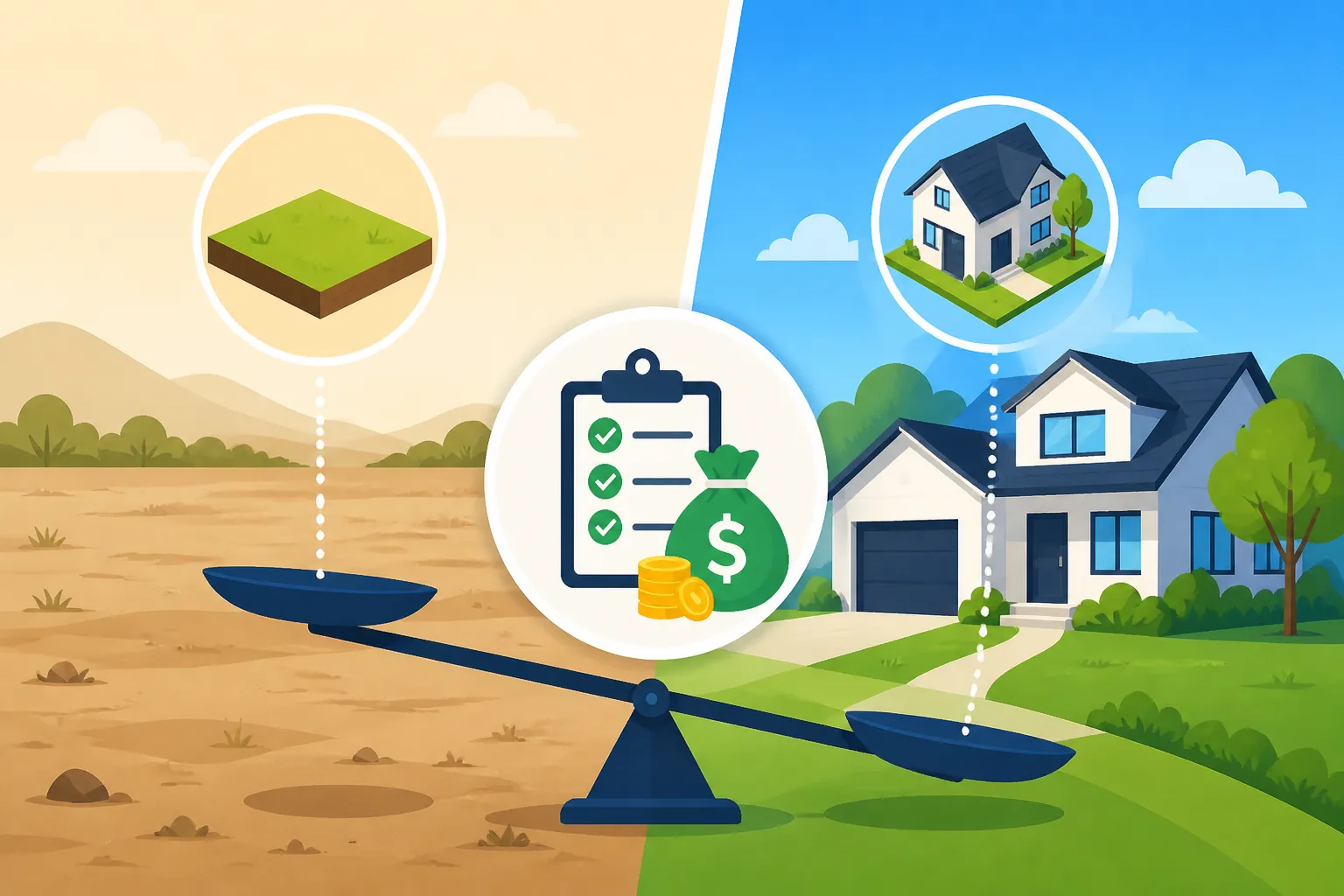
Property Tax on Raw Land vs Improved Land
It’s a tale as old as time, or at least as old as property ownership: you get that property tax bill in the mail, and whether you own a sprawling homestead or a quiet plot of undeveloped land, a common question immediately springs to mind: "Why this amount?" The confusion only compounds when you start comparing your tax burden to others, especially when one property has a house and another is just, well, dirt. It can be incredibly frustrating to receive a property tax bill that feels disproportionate or to simply not understand the logic behind the numbers. This guide is here to help demystify the distinct ways property taxes are calculated for raw land versus improved land, giving you a clearer picture of what you’re paying for and why.
Understanding the Core Distinction Between Raw and Improved Land
Before we dive into the nitty-gritty of how your tax bill is determined, it’s crucial to grasp the fundamental differences between raw land and improved land from the perspective of property tax assessors. These distinctions aren't just semantic; they directly influence how a property is valued and, consequently, how much you'll pay in taxes. Many landowners struggle to understand why their tax bill keeps climbing, and often, it comes down to how their property's "type" is perceived.
Defining Raw Land in the Eyes of the Assessor
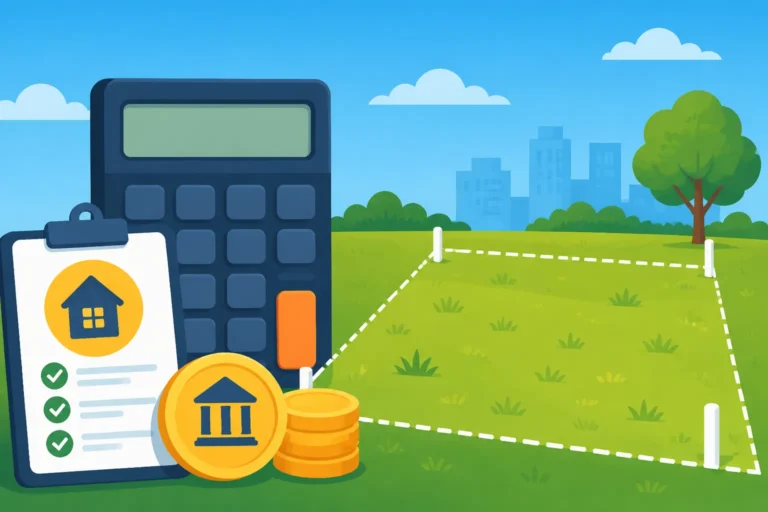
Raw land, also often referred to as undeveloped land or vacant land, is pretty much what it sounds like: a parcel of real estate that has not been significantly altered by human activity. Think of it as a blank canvas. When an assessor looks at raw land, they are seeing a property without any structures, such as homes, commercial buildings, barns, or even paved driveways. It typically lacks essential utilities like municipal water, sewer, or sometimes even easy access to electricity. The land is in its natural or unimproved state, whether it’s a wooded area, a grassy field, or a rocky outcrop.
Assessors view raw land primarily by its potential rather than its current use. While an untouched forest might seem like it has little immediate value beyond timber, its potential for future development — if zoning allows it and infrastructure is accessible — can drive its assessed value significantly higher. This potential is a critical factor, even if the current owner has no immediate plans to build. For instance, a large tract of untouched land just outside a rapidly expanding city like Charlotte, North Carolina, will likely be assessed much differently than a similar plot in a remote, rural area of Montana, purely because of its speculative development value.
What Constitutes Improved Land for Tax Purposes?
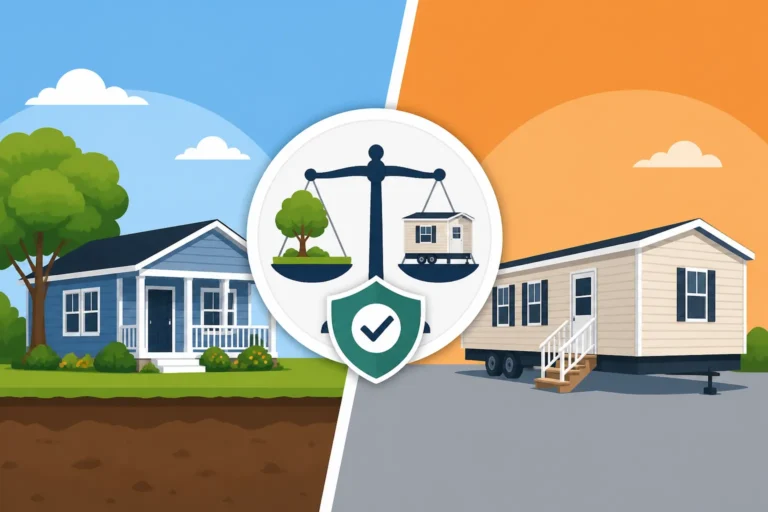
In stark contrast, improved land is any parcel that has undergone human modification to enhance its utility or value. This typically means there are structures built upon it. The most common example is a residential home with its accompanying yard, garage, and landscaping. But improved land also encompasses commercial properties with office buildings, retail spaces, or industrial warehouses, all connected to utilities and often featuring paved parking lots and accessibility. Even a farm with barns, fences, and irrigation systems, while perhaps still considered "open space," has been "improved" for agricultural use.
The key here is the added value derived from these human interventions. Not only do the structures themselves add considerable value, but so does the infrastructure that supports them. Think about a quaint bungalow in a historic district of Savannah, Georgia. Its value comes not just from the land it sits on but from the house itself, the established garden, the sidewalks, and access to all city services. For tax purposes, assessors must account for the land and all the improvements, making the valuation process inherently more complex and typically resulting in a higher overall assessed value and, therefore, a higher tax bill.
The Assessment Process for Raw Land
Understanding how raw land is valued for property tax is crucial, especially for investors or those holding undeveloped parcels. It’s not as simple as just looking at square footage; many factors contribute to the final assessment.
Valuation Methods for Undeveloped Parcels
When it comes to raw land, assessors primarily rely on the sales comparison approach. This method involves looking at recent sales of similar vacant land parcels in the same or comparable areas. The idea is that if a piece of land with similar characteristics (size, location, zoning) sold for a certain amount, then your parcel should be valued similarly. This is where getting hyper-local data becomes incredibly important. What did that 10-acre parcel down the road sell for last year? Was it zoned the same as yours? Did it have road frontage? These details matter immensely.
Beyond direct comparable sales, the development potential plays an enormous role. An assessor isn't just seeing a field; they're seeing what could be built there. This means zoning regulations are paramount. A parcel zoned for high-density residential housing or commercial use will inevitably carry a higher assessed value than an identical parcel zoned for strictly agricultural or conservation purposes, even if neither has a structure on it today. For example, a 2-acre plot zoned for multi-family residential development near a growing suburb of Dallas, Texas, will likely have a much higher assessed value than a 2-acre plot in a remote, rural part of the state, regardless of whether a single building exists on either. Access to utilities, like water lines, sewer hookups, and electricity grids, also significantly inflates the perceived development potential and, therefore, the value. If you're wondering How Are Property Taxes Calculated?, understanding these foundational valuation principles is a great start.
Factors That Elevate or Depress Raw Land Value
Several factors can dramatically swing the assessed value of raw land, leading to unexpected fluctuations in your property tax bill. It's not uncommon for landowners to feel caught off guard when a remote parcel suddenly sees a spike in its valuation.
- Location, Location, Location: This real estate adage holds absolute truth for raw land. Proximity to urban centers, major highways, desirable school districts, or even popular recreational areas like lakes or mountains can significantly boost a parcel's value. A small plot with ocean views in Laguna Beach, California, will naturally have an astronomical value compared to a much larger plot in an inland, less developed area.
- Zoning and Permitting: As mentioned, what can be built on the land is critical. A parcel allowing for commercial development will be valued far higher than one restricted to a single residential home per 50 acres. Changes in zoning laws can cause dramatic shifts in assessed value, even if the physical land remains unchanged. Understanding your local zoning ordinances is vital for anticipating your tax burden.
- Topography and Environmental Factors: The physical characteristics of the land matter. Is it flat and easily buildable? Or is it steeply sloped, heavily wooded, rocky, or prone to flooding? Wetlands, protected habitats, or significant portions of unbuildable land (due to easements or environmental regulations) can significantly depress value. Conversely, a beautiful view or unique natural features might enhance it.
- Accessibility: Does the land have direct road frontage? Is it easily accessible by existing infrastructure, or does it require extensive and costly road construction? Easements or shared access agreements can also impact value, sometimes positively if they provide access, sometimes negatively if they impose restrictions.
- Market Dynamics: The overall real estate market, including demand for land, interest rates, and economic growth, will always influence values. In booming areas, even raw land can see rapid appreciation, pushing tax assessments higher.
Assessing Improved Land: A More Complex Calculation
If valuing raw land has its complexities, assessing improved land can feel like deciphering a cryptic message. You’re not just dealing with the inherent value of the dirt, but everything that has been added to it, often over many years.
Components of Improved Property Assessment
For improved properties, the assessor essentially breaks the property down into two primary components: the value of the land and the value of the improvements (the structures). While these are often presented together on your assessment notice, understanding their individual contributions is key. The assessor might use a combination of approaches:
- Land Value + Improvement Value: This is the foundational method. The assessor first determines the value of the land as if it were vacant, using comparable sales of raw land. Then, they estimate the value of all structures and enhancements on that land. This is where it can get tricky, as structures depreciate over time, but the land itself often appreciates.
- Cost Approach: This method is often used for newer construction or unique properties where comparable sales are scarce, such as a custom-built home or a specialized industrial facility. It estimates the cost to replace the structure new, subtracts depreciation, and then adds the land value. It considers current construction costs, which can fluctuate.
- Income Approach: Primarily used for commercial properties or rental investment properties, this approach estimates value based on the income the property is expected to generate. It considers factors like rental income, operating expenses, and capitalization rates. For someone managing a portfolio of rental properties, understanding this approach is critical for assessing true investment value. Tools like Stessa can be incredibly helpful here, allowing investors to track income and expenses meticulously, providing data that can be used to compare against assessed values.
- Sales Comparison Approach: While more complex for improved properties, this remains a powerful tool. Assessors look at recent sales of properties that are as similar as possible to yours in terms of location, size, age, condition, and features. They then make adjustments for any differences. This method helps to determine the Assessed Value vs Market Value vs Taxable Value and is a common source of contention during property tax appeals.
Impact of Structures and Amenities on Tax Bills
The presence and quality of structures and amenities are the biggest drivers of value for improved land, directly translating into higher tax bills. It's why that brand-new home with all the bells and whistles costs significantly more in property taxes than a fixer-upper down the street, even on a similar sized lot.
- Size, Age, and Condition of Buildings: Larger homes generally have higher assessed values. Newer homes, all else being equal, are valued higher than older ones due to modern construction standards and amenities. The overall condition – whether it's meticulously maintained or in disrepair – also plays a significant role. A well-kept Victorian home in San Francisco will command a different tax assessment than a similar-sized property that needs a complete overhaul.
- Quality of Construction and Specific Features: High-end finishes, custom cabinetry, granite countertops, energy-efficient windows, and state-of-the-art HVAC systems all add value. The number of bedrooms and bathrooms, the presence of a finished basement, an attached garage, a swimming pool, or a detached workshop are all considered "improvements" that increase the property's overall worth in the eyes of the assessor. This is why you often hear the question, Does Renovating Increase Property Taxes?.
- Utilities and Infrastructure: The availability and quality of utilities like municipal water, sewer, natural gas, reliable electricity, and high-speed internet access are fundamental to an improved property's value. Access to paved roads and sidewalks also adds to convenience and appeal, reflecting in the assessment.
- Depreciation of Improvements: While structures add significant value, they also age and depreciate over time. Assessors account for this, meaning an older home might have a lower improvement value than a newer one, even if it's been well-maintained. However, the land underneath usually appreciates, offsetting some of that depreciation.
Comparing Property Tax Bills: Raw vs. Improved
The stark difference in property tax bills between raw land and improved land often surprises first-time landowners. While there are exceptions, the general rule of thumb is that improved land comes with a significantly higher tax burden.
Why Improved Land Generally Costs More in Taxes
The reason improved land typically carries a heftier tax bill is quite straightforward: value. Structures and the accompanying infrastructure (utilities, driveways, landscaping) represent a substantial investment and significantly boost a property's overall assessed value. If you recall, property taxes are almost always calculated by multiplying the assessed value by the local property tax rate, or mill rate. A higher assessed value, therefore, almost always means a higher tax payment. You can learn more about this by exploring What Is a Mill Rate? (Millage Explained).
Beyond the raw value, improved residential and commercial properties benefit directly from a wider array of public services, which are funded by property taxes. Think about it: homes require schools, more frequent police patrols, consistent fire department coverage, trash collection, and often more extensive road maintenance in residential neighborhoods. Commercial properties benefit from infrastructure that supports businesses and customers. Raw land, while it might benefit from some general public safety or road access, typically doesn't draw upon the same intensity of services as a bustling neighborhood or business park. This direct correlation between services used and taxes paid often leads to higher effective tax rates or additional levies specifically applied to developed areas.
Let's look at a hypothetical comparison:
| Feature | Raw Land (1 acre, suburban potential) | Improved Land (1 acre, single-family home) |
|---|---|---|
| Assessed Land Value | $100,000 | $100,000 |
| Improvements Value | $0 | $300,000 (home, garage, landscaping) |
| Total Assessed Value | $100,000 | $400,000 |
| Local Tax Rate (e.g., 1.5%) | 0.015 | 0.015 |
| Annual Property Tax | $1,500 | $6,000 |
As you can see, even with the same land value, the improvements dramatically increase the tax obligation.
Exceptions and Nuances: When Raw Land Taxes Can Surprise You
While the general trend is that improved land leads to higher taxes, there are certainly scenarios where raw land property taxes can be surprisingly high or suddenly increase. These situations often catch landowners off guard.
One major factor is high development potential. A seemingly ordinary raw parcel of land, if it's located in a rapidly growing area and zoned for high-value development (e.g., luxury condos, a large shopping center), can have an incredibly high assessed value, even without a single stick of construction. Land speculators might pay a premium for such parcels, and these sales can become comparable sales for your property, pushing your assessment skyward. Imagine a small, otherwise unremarkable raw lot situated in a bustling urban core like downtown Miami. Its value, purely for its footprint and potential, could easily eclipse a large, older home in a less desirable suburban area.
Another nuance is speculative value. If a region is experiencing a real estate boom, or if there are rumors of major infrastructure projects (like a new highway interchange or a large employer moving in), raw land values can surge purely on the expectation of future gains. Assessors are generally tasked with valuing property at its highest and best use, and if the market is dictating a high speculative value, that will be reflected in the assessment.
Finally, raw land might not qualify for certain property tax exemptions that homeowners take for granted. Homestead exemptions, for instance, are typically reserved for primary residences, not vacant land. While some raw land may qualify for Agricultural & Farm Property Tax Exemptions if it’s actively farmed, not all undeveloped parcels meet these strict criteria. This means owners of raw land often pay the full, unmitigated tax rate on their assessed value, without the benefit of deductions that reduce the taxable portion of the property.
Strategies for Managing Property Taxes on Both Land Types
Regardless of whether you own raw or improved land, managing property taxes is an ongoing responsibility that can significantly impact your financial well-being and investment returns. It’s not just about paying the bill; it's about understanding and, where possible, influencing it.
Appealing Assessments and Utilizing Exemptions
One of the most powerful tools in a landowner's arsenal is the right to appeal their property tax assessment. This is especially true if you suspect your property has been overvalued or inequitably assessed compared to similar properties.
For owners of raw land, appealing an assessment often involves demonstrating that the assessor's valuation is too high given current market conditions, specific physical limitations of the land (e.g., wetlands, unbuildable slopes), or unfavorable zoning restrictions that limit its development potential. You might need to provide recent sales of truly comparable vacant parcels that sold for less than your assessment suggests. Showing that the assessor has overestimated the "highest and best use" or overlooked significant negative features can be key.
For owners of improved land, appeals frequently center on demonstrating that the improvements have been overvalued. This could mean pointing out discrepancies in the property records (e.g., incorrect square footage, miscounted bathrooms), highlighting significant deferred maintenance or structural issues not accounted for, or providing comparable sales of similar improved properties that sold for less than your assessed value. A common strategy for homes is to gather evidence of Unequal Appraisal vs Market Value Arguments if you can show your home is assessed higher than truly similar homes in your neighborhood. Regardless of your property type, preparing a strong case often requires diligent record-keeping. This comprehensive process is outlined in our guide on How to Appeal Property Taxes: Complete Guide and further clarified in Property Tax Assessment & Reassessment Explained.
Beyond appeals, actively seeking out and utilizing any eligible exemptions is critical. For homeowners, this often means applying for a homestead exemption on their primary residence, which can reduce the taxable value of their property. Seniors, veterans, and individuals with disabilities may qualify for additional exemptions or freezes, depending on the state and locality. Even for raw land, as mentioned, agricultural exemptions can provide significant relief if the land is used for farming or timber production. These exemptions don't happen automatically; you usually have to apply for them. Keeping all your property financials organized, whether it's for a single home or multiple land parcels, can make identifying and applying for these exemptions much easier. Tools like Stessa can help you track expenses, income, and key property details, ensuring you have the data needed for appeals or exemption applications readily available.
Understanding Long-Term Tax Implications for Investment
For property investors, whether they're buying raw land for future development or improved properties for rental income, understanding the long-term tax implications is paramount. Property taxes are a significant "holding cost" that directly impacts profitability.
When investing in raw land, you're often looking at a long-term play. The challenge is that while you're holding the land, you're usually incurring annual property tax expenses without generating any income from the property itself. This can eat into your potential returns, especially if assessments rise due to increasing development pressure in the area. Keeping track of these ongoing costs is essential for accurate financial planning, as detailed in our guide Property Tax on Vacant Land.
For improved land that generates income, like a rental property or a commercial building, property taxes are a major operating expense. A sudden increase in property taxes can significantly reduce your net operating income and cash flow. Savvy investors constantly monitor their tax assessments and factor potential increases into their financial models. This is where a robust property management system becomes invaluable. Using a platform like Stessa allows landlords to centralize all their property financial data—rents, maintenance costs, and, crucially, property tax payments. By having a clear, real-time picture of their income and expenses, investors can quickly identify when property taxes are becoming an outsized burden and decide whether to appeal the assessment or adjust their rental rates. This careful financial management is a core component of successful Rental & Investment Property Tax Guide strategies.
Navigating the Future of Your Property Tax Burden
The landscape of property taxation is rarely static. Economic shifts, population growth, and legislative changes can all impact how your property is valued and taxed in the future. Proactive awareness can save you from unpleasant surprises.
Anticipating Changes in Valuation and Legislation
One of the most frustrating aspects for many property owners is the seemingly arbitrary way their property taxes can increase year after year. Often, these increases are driven by larger economic forces or policy decisions. For instance, in areas experiencing rapid population growth, like many cities in Florida or Texas, demand for both raw land and improved housing drives up market values. Assessors are obligated to reflect these market values, leading to higher assessments. Our article Why Do Property Taxes Increase? delves deeper into these dynamics.
New infrastructure projects, such as the construction of a major highway, a new public park, or an expansion of utility services, can dramatically increase the value of nearby properties, both raw and improved. A raw parcel that suddenly gains access to municipal sewer lines will see a significant jump in value because its development potential has increased exponentially. Similarly, a residential home located near a newly opened commuter rail station might experience a boost in market value that translates into a higher tax assessment.
Legislative changes can also play a major role. States or local municipalities might pass new bond measures for school funding or public safety, which can directly lead to an increase in the property tax rate (mill rate). Changes to property tax assessment caps or exemptions, while less frequent, can also have a profound impact on your tax bill. Staying informed about local government plans and proposals can give you a heads-up on potential future changes to your property's valuation or the tax rates applied.
Proactive Steps for Landowners
Taking a proactive approach to your property taxes is key to managing this significant expense effectively, regardless of whether you own raw or improved land. Don't wait until the bill arrives to start thinking about it.
First and foremost, regularly review your assessment notices. These notices are not just a heads-up about your upcoming bill; they detail how the assessor has valued your property. Check for any factual errors in the property's characteristics, such as square footage, lot size, or number of bedrooms. Even a small error can inflate your assessment.
Secondly, understand your local tax rates and how they are set. Property tax rates can vary significantly between counties, cities, and even specific taxing districts within the same area. A portion of your property tax might go to the school district, another to the county, and another to the city or specific improvement districts. Knowing How to Find My Property Tax Rate for each component allows you to understand the full picture.
Finally, consider the long-term implications of any changes or improvements you plan to make. If you own raw land and are considering developing it, understand that once you break ground and add improvements, your property's assessed value will likely skyrocket, as will your tax liability. Similarly, for improved properties, major renovations or additions can trigger a reassessment and a higher tax bill. Planning for these increases is crucial. Utilizing a property management platform like Stessa can help you organize all your property-related documents, from assessment notices to renovation invoices, and keep a running tally of your property tax liabilities, making it easier to track and anticipate future costs for both raw land you might be holding for development and any improved rental properties in your portfolio.
Disclaimer
Please remember that the information provided in this article is for general informational purposes only and does not constitute financial, legal, or tax advice. Property tax laws and regulations are complex and vary significantly by state, county, and even local municipality. Always consult with a qualified professional, such as a tax advisor, real estate attorney, or local assessor's office, for advice tailored to your specific situation.