Texas Property Tax Rate Explained
Texas property tax rates, appraisal processes, local taxing units, and homestead exemptions determine your final annual tax bill.

Texas property tax rates, appraisal processes, local taxing units, and homestead exemptions determine your final annual tax bill.

New Jersey property taxes explain effective tax rates, home rule impacts, county disparities, relief programs, and assessment appeal processes.
Property tax trends in 2026 explain climbing assessments, local budget shortfalls, regional shifts, and new legislative relief measures for homeowners.

Elected school boards, county commissioners, city councils, and special district boards set local property tax rates and manage annual budgets.

Tax assessed value and professional appraised value differ due to calculation methods, property inspections, assessment caps, and local tax policies.

Property reassessment frequency varies widely by state, ranging from annual updates to multi-year cycles, ownership changes, or physical renovations.
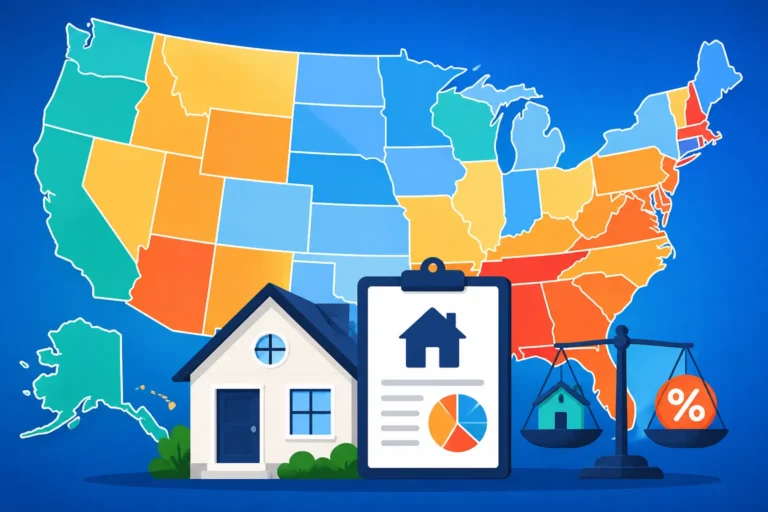
Property tax assessment ratios determine how state and local governments calculate your home’s taxable value using market value and mill rates.

The Texas Homestead 10% Cap restricts annual property valuation increases for primary residents, shielding homeowners from massive tax spikes.

The Save Our Homes amendment limits annual homestead property assessment increases to 3 percent or the Consumer Price Index.

California Proposition 13 limits annual property tax assessment increases to two percent, protecting long-term homeowners from skyrocketing costs.