How Long Can You Go Without Paying Property Taxes?
It’s a situation many homeowners dread: you open that annual property tax bill, and your heart sinks. Maybe the amount is higher than expected, or perhaps life has thrown a curveball, making it tough to make ends meet. The thought immediately pops into your head: "What if I can't pay this on time? How long can I really go without paying property taxes before something serious happens?" It's a valid and deeply concerning question, steeped in fear and uncertainty. This guide is here to break down exactly what unfolds when property taxes go unpaid, from initial penalties to the potential loss of your home, and crucially, what steps you can take to prevent that worst-case scenario.
The Initial Grace Period: Penalties and Interest Accumulation
When you first miss a property tax payment, it's not like the authorities immediately swoop in. There's a process, but it quickly moves from annoying to financially painful. Understanding these initial stages is key to preventing a small problem from spiraling into a monumental one.
Understanding Your Property Tax Due Dates
First things first, property tax due dates are not universal across the United States. They vary significantly by state, county, and even individual taxing jurisdiction. In some areas, like much of California, property taxes are typically paid in two installments: one due around November 1st with a delinquency date in December, and another due February 1st with a delinquency date in April. Miss either of those, and the clock starts ticking.
In other states, like Texas, you might have one main due date, usually January 31st for the previous year's taxes. If you own property in a fast-growing area like Travis County, you might even receive an assessment notice in the summer and then the actual bill later in the year. Knowing your specific local deadlines is paramount. These dates are usually clearly printed on your property tax bill or can be easily found on your county appraisal district or tax collector's website. It's truly a matter of checking local specifics, not relying on a one-size-fits-all answer.
The Immediate Repercussions: Penalties and Interest
Once you miss that initial due date, the first thing you'll experience is the immediate imposition of penalties and interest. This isn't a friendly reminder; it's a financial consequence that starts to inflate your original tax bill. These rates are also set locally and can vary. For instance, in many Texas counties, a 6% penalty and 1% interest might be added in February if the January 31st deadline is missed. This can then increase to a total of 12% in penalty plus interest over the year if the taxes remain unpaid.
Imagine your property tax bill for your home in suburban Houston was $4,500, due January 31st. If you miss that, by February 1st, a 6% penalty is added, making it $4,770. Then, a 1% interest starts accruing each month on the new delinquent balance. So, by March, it's $4,770 plus 1% interest on that amount, and so on. This might seem small at first, but it compounds, turning an already hefty bill into an even more formidable one. The longer you wait, the more this additional cost erodes your equity.
Notification Process from Local Authorities
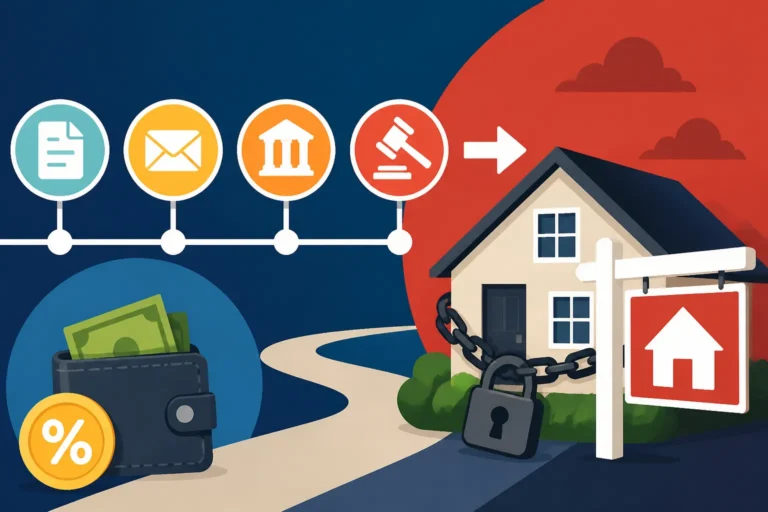
You won't be left in the dark about your overdue taxes. Local tax collection offices are typically quite diligent about sending out notices. After missing a payment, you'll likely receive several letters in the mail, reminding you of the delinquency and outlining the penalties and interest that have been added. These notices will also often warn about further actions that could be taken if the taxes remain unpaid, such as the placement of a tax lien on your property.
These aren't just scare tactics; they're official communications designed to inform you of your obligation and the escalating stakes. Ignoring these notices is one of the most dangerous things a homeowner can do, as it means missing crucial deadlines and opportunities to resolve the issue before it becomes much more severe. These letters are your first, and often clearest, warning that you need to take action.
Escalating Consequences: Liens and Sales
If those initial penalties and interest don't prompt payment, the situation progresses to more serious measures. The next significant step is typically the placement of a property tax lien, which is a powerful legal claim against your home.
What Is a Property Tax Lien?
A Property Tax Liens Explained is essentially a legal claim or attachment placed on your property by the local government due to unpaid taxes. It signifies that the government has a right to your property as security for the debt you owe. This lien takes precedence over almost all other liens, including mortgages. This means that if your property were to be sold, the outstanding property taxes would be paid first, even before your mortgage lender gets their money.
When a tax lien is placed, it becomes a public record, effectively clouding the title to your home. This can make it impossible to sell or refinance your property until the lien is satisfied. It’s not just a mark on a piece of paper; it's a significant encumbrance that legally ties your home to the unpaid debt. For any homeowner, understanding the gravity of a tax lien is crucial, as it fundamentally changes the legal status of your most valuable asset.
When Does a Lien Get Placed?
The exact timeline for when a tax lien is placed can vary widely depending on state and local laws. Generally, if property taxes remain unpaid for a significant period – often ranging from six months to two years after the initial delinquency – the taxing authority will file a lien against the property. For example, in New Jersey, if property taxes are delinquent for more than six months, the municipality may sell a tax lien certificate. In some parts of Florida, if taxes aren't paid by April 1st of the year following the assessment, a tax certificate will be issued and sold to an investor by June 1st.
This means that while you might think you have a lot of time, these administrative processes move faster than many expect. Once a lien is in place, the options for repayment usually become more complicated and expensive, as you'll also owe the fees associated with filing the lien, in addition to the original taxes, penalties, and interest. This is a critical point where the government transitions from merely collecting taxes to enforcing its claim.
Tax Lien Sales vs. Tax Deed Sales
When taxes remain unpaid and a lien is in place, many states will eventually move to either a tax lien sale or a tax deed sale to recover the funds. It's important to understand the difference because they impact how ownership can be lost or regained.
In a tax lien state, like Florida or New Jersey, the local government sells the lien itself to a private investor. The investor pays the delinquent taxes to the county, and in return, they receive a tax lien certificate. This certificate gives the investor the right to collect the original tax amount plus a high interest rate from the homeowner. The homeowner typically has a Redemption Periods & Tax Foreclosure – a specific period (e.g., two years in Florida, varying in New Jersey) – to pay back the investor the delinquent taxes, penalties, interest, and any associated fees. If the homeowner fails to redeem the property within this period, the investor can then initiate foreclosure proceedings to take ownership.
In a tax deed state, like California or Texas, the government directly sells the property itself at an auction to recover the unpaid taxes. The original homeowner typically has a shorter redemption period, or sometimes none at all, after the tax deed sale. The goal here is a more direct path to transfer ownership if the taxes aren't paid. Understanding whether your state operates as a tax lien or tax deed state is crucial for homeowners facing delinquency, as it dictates the specific path your property might take toward foreclosure. This is a complex area, and understanding Tax Lien Sales & Certificates or Tax Deed Sales Explained can provide more detailed insight.
The Road to Foreclosure: Losing Your Home
The ultimate consequence of prolonged unpaid property taxes is the loss of your home through a tax foreclosure. This is the stage where the government or the tax lien holder takes legal action to seize and sell your property to satisfy the outstanding tax debt.
Redemption Periods: A Window to Save Your Home
Even after a tax lien or tax deed sale, many states offer a "redemption period." This is a crucial window of time during which the original homeowner can reclaim their property by paying all delinquent taxes, penalties, accrued interest, and any additional fees incurred by the tax lien holder or the government. The length of these redemption periods varies widely. For example, in Texas, homeowners might have a two-year redemption period after a tax deed sale for homestead properties, while in some other states, it could be as short as six months or even nonexistent in certain scenarios.
During this period, the homeowner retains the right to live in the property, but they must act decisively to gather the funds needed to "redeem" it. This period is a lifeline, offering a last chance to prevent the permanent loss of your home. It’s designed to protect homeowners, but it also comes with added financial burdens due to the accumulating interest and fees, which can make a difficult situation even harder to resolve.
The Final Act: Tax Foreclosure
If the redemption period expires and the homeowner has not paid all the outstanding amounts, the process moves to its final, irreversible stage: tax foreclosure. At this point, the tax lien holder or the local government can move forward with legal proceedings to formally transfer ownership of the property. This typically involves a court process that culminates in a public auction where the property is sold to the highest bidder.
Once the foreclosure is complete, the previous homeowner loses all rights and ownership to the property. This is a devastating outcome, and it's why understanding the property tax system and acting early to prevent delinquency is so incredibly important. The funds from the sale are used to cover the delinquent taxes, penalties, interest, and administrative costs, with any remaining surplus typically going back to the former homeowner, though this is not always a given, and the amounts can be significantly reduced by the process.
State-Specific Variations in Foreclosure Timelines
There's no single answer to "how long" you can go without paying before facing foreclosure, precisely because the timelines are so heavily dictated by state and local laws. Some states are very aggressive, with shorter delinquency periods before a lien is sold and shorter redemption periods. Others provide more leeway. For instance, in a state like New York, the foreclosure process can be quite lengthy, often stretching over several years of non-payment. In contrast, other states might move much more quickly.
The table below offers a generalized overview, but it’s crucial to consult your local county tax assessor or treasurer's office for precise details in your area. This variability underscores the importance of local research when dealing with property tax issues. What might be true in Maricopa County, Arizona, could be completely different in Cook County, Illinois.
| State (Example) | Delinquency to Lien Sale (Approx.) | Redemption Period (Approx.) | Type of Sale |
|---|---|---|---|
| California | 1-3 years | Varies, often 1-5 years | Tax Deed |
| Texas | 6 months – 1 year | 6 months – 2 years | Tax Deed |
| Florida | 6-12 months | 2 years | Tax Lien |
| New Jersey | 6 months – 1 year | Up to 2 years | Tax Lien |
| New York | 2-3 years | Varies, often 1-2 years | Tax Deed |
| Illinois | 2-3 years | 2-3 years | Tax Lien |
Note: These are general approximations and can vary greatly by county, specific circumstances, and changes in local law. Always check with your local tax authority.
Strategies to Avoid Losing Your Home
Facing delinquent property taxes can feel overwhelming, but you're not powerless. There are proactive steps and resources available that can help you navigate this challenging situation and protect your home.
Communication is Key: Contacting Your Tax Assessor
This cannot be stressed enough: if you foresee difficulty paying your property taxes, or if you've already missed a payment, contact your local tax assessor's office immediately. Many homeowners, out of embarrassment or fear, avoid this crucial step. However, these offices are often willing to work with homeowners who show a genuine effort to resolve the issue. They might be able to inform you about Property Tax Installment & Deferral Plans or other programs specific to your locality.
For instance, in some counties, you might be eligible to set up a payment plan to pay off the delinquent amount over time, or they might even have temporary deferral programs available under certain hardship conditions. The key is to be upfront, explain your situation, and explore all available avenues. A phone call or an in-person visit can make a world of difference, potentially stopping the escalation of penalties and preventing a lien from being placed on your home. It’s far better to ask for help than to let the situation fester.
Exploring Property Tax Relief Programs
Beyond payment plans, many states and local jurisdictions offer various Homestead Exemption Complete State by State Guide and relief programs that could significantly reduce your tax burden, making future payments more manageable. These can include:
- Homestead Exemptions: These generally reduce the taxable value of your primary residence. For example, a homeowner in Florida might qualify for a substantial homestead exemption that lowers their property's assessed value by up to $50,000, directly reducing their tax bill.
- Senior Citizen Exemptions and Freezes: Many states offer breaks for older homeowners, sometimes freezing the taxable value of their home or providing a significant exemption.
- Veteran and Disability Exemptions: Veterans, especially those with service-connected disabilities, often qualify for considerable property tax relief, up to and including full exemption in some cases.
- Circuit Breaker Programs: These are income-based programs that provide a property tax credit or rebate if your property taxes exceed a certain percentage of your income.
It's vital to research what's available in your specific area. A quick search on your county tax collector's website or a call to their office will usually provide a comprehensive list of all applicable programs. Don't leave money on the table – these exemptions can save you hundreds or even thousands of dollars annually. To find out more about what might apply to you, you can delve into resources like Senior & Over-65 Property Tax Exemptions and Freezes or Property Tax Disability Exemptions.
Seeking Professional Guidance
When facing complex financial challenges like delinquent property taxes, sometimes the best course of action is to seek professional guidance. This could involve consulting with a financial advisor, a property tax consultant, or even a local housing counseling agency. These professionals can help you understand your options, navigate the local tax laws, and even assist in appealing your property tax assessment if you believe it's too high.
If you’re juggling multiple financial obligations, tools from companies like Stessa can help property owners track income and expenses, providing a clearer picture of their financial health, which can be essential in managing property tax payments. For those considering loans or other financing options to cover delinquent taxes, exploring reputable platforms like LendingTree can provide insights into potential solutions. They can help you compare personal loans, lines of credit, or even refinancing options that might allow you to pay off your tax debt and avoid foreclosure. Remember, these professionals and tools exist to help you make informed decisions and find the most sustainable path forward, protecting your home and your financial well-being. Knowing How to Pay Property Taxes Complete Guide can be a crucial first step.
Disclaimer
The information provided in this article is for general informational purposes only and does not constitute legal, financial, or tax advice. Property tax laws and procedures vary significantly by state and local jurisdiction and are subject to change. Always consult with a qualified legal, financial, or tax professional regarding your specific circumstances.