Pay Broward County Property Tax Online
Paying your property taxes can often feel like navigating a maze, especially when you're trying to make sure everything is handled correctly and on time, all while avoiding those sneaky late fees. For homeowners in Broward County, Florida, understanding the local system for online payments is key to a smooth experience and peace of mind. This guide will walk you through everything you need to know to confidently pay your Broward County property taxes online, from understanding your bill to leveraging official resources.
Understanding Your Broward County Property Tax Bill
Receiving that property tax bill in the mail can sometimes feel like a pop quiz you didn't study for. It's a dense document, full of numbers and codes, but it holds crucial information about one of your biggest annual homeownership expenses. Taking a moment to actually understand what you're looking at can demystify the process and help you plan your finances more effectively. After all, knowledge is power when it comes to managing your home budget.
What Information Your Bill Contains
Your Broward County property tax bill isn't just a number you owe; it's a breakdown of how that number was calculated, reflecting various factors unique to your property and the local taxing authorities. At the top, you'll typically find your property's Parcel ID (a unique identifier), the property's address, and the owner's name. This ensures you're looking at the right bill! Below that, you'll see the property's assessed value, which is the value the Broward County Property Appraiser has placed on your home for tax purposes. It's important to remember that this assessed value isn't necessarily the same as what your home would sell for on the open market, often referred to as its market value. For a deeper dive into these distinctions, you might want to read our article on Assessed Value vs Market Value vs Taxable Value to understand how these figures play a role in your final bill.
Further down, your bill will detail the various taxing authorities that are collecting funds, such as the county, school board, cities, and special districts (like water management or fire rescue). Each of these entities has its own millage rate, which is the tax rate applied per $1,000 of your property's assessed value. So, if your assessed value is $200,000 and the millage rate for the school board is 6 mills, that portion would be $1,200. Understanding What Is a Mill Rate? (Millage Explained) can really help you decipher these individual line items. You'll also see any exemptions that have been applied, such as the Florida Homestead Exemption, which can significantly reduce your taxable value. The net effect of these exemptions is crucial for lowering your overall tax burden. Finally, the bill will clearly state the total amount due and, critically, the various due dates and potential discounts for early payment.
Key Dates and Discount Periods in Broward County
Florida operates on a specific timeline for property tax collection, and Broward County follows suit, offering incentives for early payment. Generally, property tax bills are mailed out around November 1st each year. This is your cue to start planning your payment, especially if you want to take advantage of the discounts. The earlier you pay, the more you save, which is a nice little bonus!
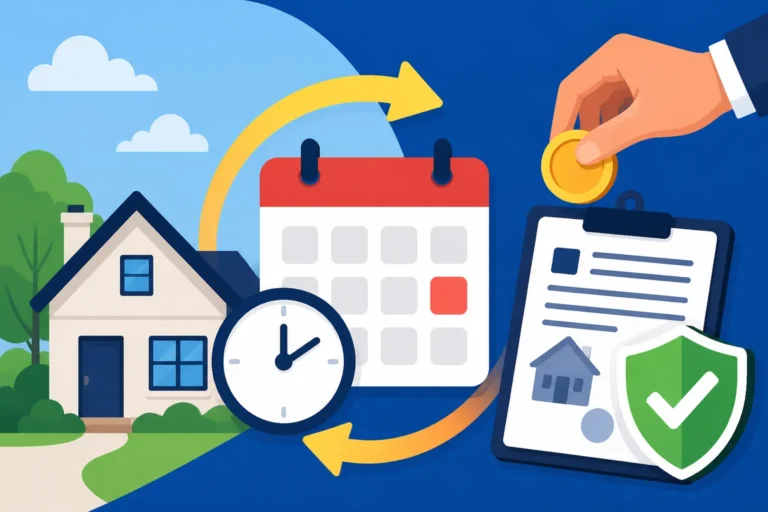
The discount schedule is structured as follows: a 4% discount if you pay in November, 3% in December, 2% in January, and 1% in February. By March, the full amount is due without any discount. The absolute deadline to pay your property taxes in Broward County is March 31st of the following year. If you miss this date, your taxes become delinquent, and penalties and interest start accruing immediately. For many, managing these deadlines is a key part of their annual financial planning, and resources like LendingTree can offer tools and advice on budgeting for these significant costs. It's a good idea to mark these dates on your calendar, set reminders, or even refer to our guide on Property Tax Due Dates by State to keep track of these crucial timelines.
Here's a quick look at the Broward County discount schedule for property tax payments:
| Payment Month | Discount Applied | Status |
|---|---|---|
| November | 4% | Discounted Payment |
| December | 3% | Discounted Payment |
| January | 2% | Discounted Payment |
| February | 1% | Discounted Payment |
| March | 0% | Full Payment Due |
| April Onward | Penalties + Fees | Delinquent |
Step-by-Step Guide to Paying Online in Broward County
Gone are the days when paying your property taxes meant standing in long lines or meticulously mailing a check. In Broward County, the online payment system has streamlined this annual chore, making it quicker and often more convenient for residents. However, like any online financial transaction, it's essential to follow the right steps to ensure your payment is processed accurately and securely. Let's break down how to get this done without a hitch.
Navigating the Official Broward County Tax Collector's Website
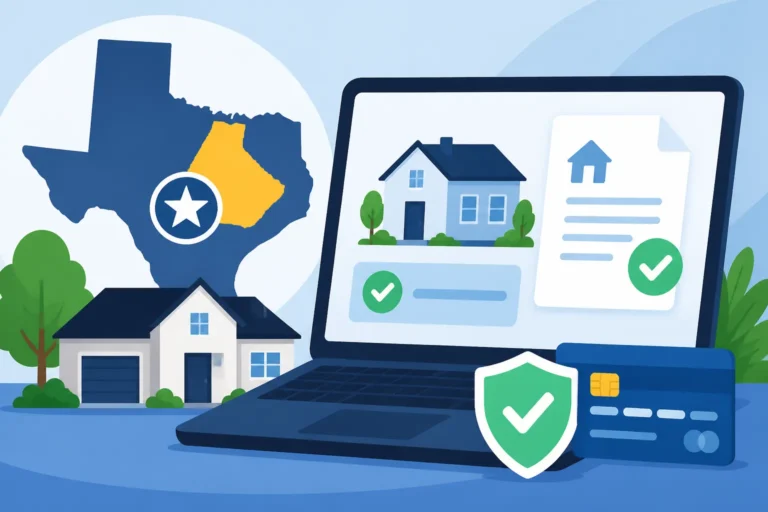
The first and most critical step is to make sure you're on the official website for the Broward County Tax Collector. In Florida, property taxes are typically handled by the local Tax Collector's office. For Broward County, you'll want to visit the website of the Broward County Tax Collector or the Broward County Records, Taxes and Treasury Division. A quick search for "Broward County Property Tax Collector" should lead you to the correct portal. Always double-check the URL to avoid any phishing scams or unofficial sites. The official site will have clear branding and a secure connection.
Once you're on the main page, look for a section typically labeled "Property Tax Search & Pay," "Real Estate Taxes," or something similar. This is where you'll initiate your search for your specific property bill. You'll usually have a few options to look up your property: by Parcel ID number (found on your previous tax bills or deeds), by property address, or sometimes by owner's name. Using the Parcel ID is often the most direct and accurate method, as it's a unique identifier. Input the required information carefully and click "Search." The system should then display your property's details and the current tax bill. If you've never done this before, it's surprisingly user-friendly, much like checking a utility bill online.
Choosing Your Online Payment Method
After successfully locating your property tax bill, the next step is to select your preferred payment method. Broward County, like many jurisdictions, offers a couple of popular options, each with its own advantages and potential fees. The most common choices are electronic check (eCheck or ACH) and credit/debit card. It's important to understand the distinctions here, as they can impact the total amount you pay.
An eCheck or ACH payment involves directly linking your bank account (checking or savings) to authorize a payment. This method is often the most cost-effective, as many counties, including Broward, either offer it for free or charge a minimal flat fee. It's essentially an electronic version of writing a check. You'll need your bank account number and routing number. On the other hand, paying with a credit or debit card offers convenience and can sometimes allow you to earn rewards points, but it almost always comes with a convenience fee. This fee is typically a percentage of the transaction amount, charged by the third-party payment processor (like ACI Payments Inc., a common provider for Florida government payments), not by the county itself. For instance, a 2.5% fee on a $3,000 tax bill would add an extra $75 to your payment. Weighing these fees against the benefits, like earning credit card points or the simplicity of using a card, is a personal financial decision. If you're managing multiple properties, using a financial tracking tool like Stessa might help you keep tabs on these varying payment methods and fees across your portfolio.
Confirming Your Payment and Receiving Proof
Once you've selected your payment method and entered all the necessary details, you'll usually be prompted to review your transaction one last time before finalizing it. This is a crucial moment for a quick double-check. Confirm that the amount is correct, your banking or card information is accurate, and the property details match. A tiny typo could lead to delays or, worse, your payment not being applied correctly. Once you're confident, hit that "Submit" or "Confirm Payment" button.
After submission, you should immediately receive a confirmation number or a digital receipt. This usually appears on the screen and is often followed by an email confirmation. It’s absolutely vital to save this confirmation. Print it, screenshot it, or file the email away – however you prefer to keep records. This serves as your proof of payment and can be invaluable if any questions or discrepancies arise later. While the Broward County Tax Collector's office strives for seamless processing, having your own record protects you. If you don't receive a confirmation email within a few minutes, check your spam folder. If it's still missing, you may need to go back to the payment portal to check your transaction status or contact the Tax Collector's office directly to ensure the payment went through. Paying your taxes online should be a secure and transparent process, and your confirmation is the final step in securing that peace of mind.
Common Questions and Troubleshooting for Online Payments
Even with the convenience of online property tax payments, questions and small hiccups can sometimes arise. It's completely normal to encounter a minor issue or need clarification, especially when dealing with financial matters. Being prepared for these common scenarios can help you navigate them smoothly and ensure your tax payment is processed correctly and on time.
What if I Can't Find My Bill Online?
This can be a common source of frustration. You log in, ready to pay, and your property bill just isn't showing up. There are a few reasons why this might happen. Sometimes, it's as simple as a recent property sale, where the records haven't fully updated to reflect the new ownership. If you've recently purchased a home in Broward County, there might be a lag in the system showing your name, or the bill might still be associated with the previous owner's name or a slightly different address variation. New construction properties can also experience delays in being added to the tax roll.
Another frequent culprit is a simple data entry error. Double-check that you've entered the Parcel ID, address, or owner's name exactly as it appears on official documents. Even a missing hyphen or an incorrect street abbreviation can prevent the system from finding your record. If all else fails, the best course of action is to contact the Broward County Tax Collector's office directly. They can assist you in locating your bill and clarifying any issues. Remember, even if you don't receive a physical bill or can't find it online, the responsibility to pay your property taxes by the deadline remains. Ignoring it can lead to significant penalties, as detailed in our guide on What Happens If You Don't Pay Property Taxes?.
Dealing with Convenience Fees and Saving Money
Convenience fees, especially those associated with credit card payments, can add an unexpected cost to your property tax bill. It's a valid point of irritation for many homeowners. These fees are usually charged by the third-party processor to cover their operational costs, and local governments are often prohibited from absorbing them. If you're looking to avoid these extra charges, the eCheck or ACH payment method is almost always your best bet. As mentioned earlier, Broward County typically offers eCheck payments for free or at a very low flat rate, making it the most cost-effective online option.
For those who prefer the flexibility or rewards of using a credit card, you'll need to factor in the convenience fee when budgeting for your property taxes. Calculate the fee beforehand so there are no surprises. Some homeowners strategically use credit cards for large payments like property taxes to hit spending bonuses or accrue points for travel, viewing the fee as an acceptable trade-off. However, if that's not your strategy, prioritizing the eCheck option is a smart financial move. Financial planning tools and services, including those offered by LendingTree, can help you manage these large annual payments and understand the best strategies for your personal financial situation. It’s all about making informed choices that align with your overall financial goals.
Understanding Delinquent Taxes and Avoiding Penalties
Missing the property tax deadline is something every homeowner wants to avoid, but sometimes life happens. In Broward County, as in the rest of Florida, property taxes become delinquent on April 1st of the year following the assessment. This means if your bill was due for the 2023 tax year, and you haven't paid by March 31, 2024, it becomes delinquent. Once your taxes are delinquent, significant penalties and interest begin to accrue immediately, adding to your financial burden.
Beyond the accumulating interest and penalties, delinquent property taxes lead to what's known as a tax certificate sale. This is where the county sells a tax certificate on the unpaid taxes to an investor. The investor pays your delinquent tax bill, and in return, they earn interest on the amount until you pay it back. While this prevents immediate foreclosure, it means you're now dealing with an investor, and the interest rates can be substantial. If the tax certificate isn't redeemed (paid off) within a certain period, it can eventually lead to a tax deed sale, which could result in your property being sold to satisfy the unpaid taxes. This is a severe consequence, highlighting why understanding Property Tax Liens Explained is so important. If you anticipate difficulty paying your taxes, the absolute best thing to do is contact the Broward County Tax Collector's office before the delinquency date. They may be able to discuss payment plans or other options to help you avoid these harsh penalties. Proactive communication is always key to mitigating potential financial distress.
Other Payment Options and Resources in Broward County
While paying online offers undeniable convenience, it's certainly not the only way to handle your property tax obligations in Broward County. Different people have different preferences or circumstances, and thankfully, the county provides several alternative methods to ensure everyone can fulfill their tax responsibilities. Knowing all your options can give you flexibility, especially if you face internet issues or prefer a more traditional approach.
Alternative Payment Methods
Beyond the digital realm, you have a few other reliable ways to pay your Broward County property taxes. The most traditional method is paying by mail. You simply detach the payment coupon from your original tax bill, write a check or money order payable to the Broward County Tax Collector, and send it off via postal service. Always ensure you mail it well in advance of the deadline, especially if you're aiming for those early payment discounts, to account for potential mail delays. A postmark is usually considered the payment date, but why risk it?
For those who prefer a face-to-face interaction or need to handle other tax-related business, in-person payments are available at various Broward County Tax Collector branch locations. Check their official website for the most up-to-date list of offices and their operating hours. Paying in person allows you to get a receipt instantly and can be helpful if you have questions or need to clarify anything with a representative. Finally, some counties offer phone payments, which typically involve using a credit card through an automated system or speaking with an agent. Like online credit card payments, these often incur a convenience fee. Each of these methods serves a purpose, offering flexibility to suit different needs and preferences.
Resources for Property Tax Assistance and Information
Navigating property taxes can sometimes feel like a solo journey, but there are numerous resources available in Broward County to help homeowners. Your first and most comprehensive resource should always be the official Broward County Tax Collector website. This site is a treasure trove of information, providing details on how to read your bill, payment options, frequently asked questions, and contact information for their offices. It's designed to be your primary point of reference for all things related to property tax payments.
Beyond just payments, the county also offers various exemption and relief programs that can significantly lower your tax burden. The most common is the Florida Homestead Exemption, which provides a substantial reduction in your property's taxable value if it's your primary residence. There are also exemptions for seniors, disabled persons, and veterans. The application for the Florida Homestead Exemption (March 1 Deadline) is usually due by March 1st, so it’s critical to apply on time if you qualify. You can find detailed eligibility requirements and application forms on the Property Appraiser's website. We've also put together a comprehensive guide on How to Apply for Property Tax Exemptions that can walk you through the process step-by-step. Staying informed about these programs and utilizing them when eligible can be one of the most effective ways to manage your property tax costs in Broward County.
Disclaimer
The information provided in this guide is for general informational purposes only and does not constitute financial, legal, or tax advice. Property tax laws and procedures can change, and specific situations may vary. Always consult with a qualified professional or the official Broward County Tax Collector's office for personalized advice and the most current information regarding your property tax obligations.