Los Angeles County Property Tax Payment & Due Dates
Paying property taxes in a vast, bustling county like Los Angeles can feel like navigating a maze blindfolded. You get that official-looking envelope, packed with dense jargon and numbers, and it’s easy to feel overwhelmed, wondering if you're missing a crucial deadline or misunderstanding how much you actually owe. This comprehensive guide is designed to demystify the Los Angeles County property tax payment process, breaking down your bill, outlining critical due dates, and walking you through your payment options.
Understanding Your Los Angeles County Property Tax Bill
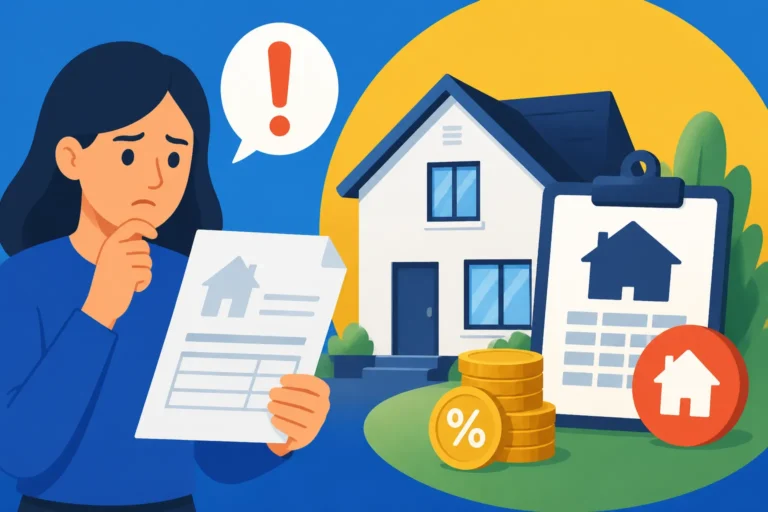
When that annual property tax bill arrives from the Los Angeles County Treasurer and Tax Collector, it’s not just a request for payment; it’s a detailed summary of how your property contributes to local services. Deciphering it is the first step toward understanding your financial obligations and ensuring you pay on time.
What's on Your Property Tax Bill?
Your Los Angeles County property tax bill is a multi-faceted document, packed with important information. At its heart, you'll find your property's assessed value, which isn't necessarily the same as its market value but is the figure upon which your taxes are calculated. Then there’s the actual tax amount, broken down into two equal installments. You'll also see a list of various taxing agencies and the portion of your taxes allocated to each, which can include school districts, cities, flood control, and other special districts that benefit your community.
It’s crucial to look for any exemptions that might be applied, such as a homeowner’s exemption, which can reduce your taxable value and, consequently, your overall bill. If you believe you qualify for an exemption and don't see it listed, that's a red flag you'll want to address promptly with the Assessor's office. The bill also clearly states the important due dates and the penalties for late payment, which we'll delve into shortly. Knowing How to Read Your Property Tax Bill is a skill every homeowner in Los Angeles County needs.
How Your Property Tax is Calculated in Los Angeles County
The way property taxes are calculated in Los Angeles County, and indeed across California, is largely governed by Proposition 13. This landmark proposition limits the base year value of your property and caps annual increases to that value at a maximum of 2% per year, unless there's a change in ownership or new construction. When you first buy a home in Los Angeles County, the purchase price often sets your new base year value. From there, the county Assessor applies the 2% inflation factor, along with any approved local levies for specific services.
This assessed value is then multiplied by the combined tax rate from all applicable taxing entities in your area. While the statewide base property tax rate is 1% of the assessed value, various local bonds, assessments, and special district levies are added on top of this, pushing the effective rate higher. This is how the county ensures funding for essential services like police, fire departments, parks, and schools. Understanding How Are Property Taxes Calculated? provides a deeper dive into this often-complex system, especially with the unique rules set by California Prop 13 Explained (2% Cap).
Key Property Tax Payment Due Dates in Los Angeles County
Missing a property tax deadline can lead to frustrating penalties, so keeping track of when your payments are due is absolutely vital. Los Angeles County, like many other jurisdictions, operates on a specific schedule that homeowners must adhere to.
The Annual Secured Property Tax Deadlines
For most homeowners in Los Angeles County, your property taxes are considered "secured" because they are secured by the value of your real estate. These taxes are paid in two main installments each year. The first installment is due on November 1st and becomes delinquent if not paid by 5:00 p.m. on December 10th. If you miss that December 10th deadline, a 10% penalty plus a $30 collection fee is immediately assessed.
The second installment is due on February 1st of the following calendar year and becomes delinquent if not paid by 5:00 p.m. on April 10th. Similarly, if you miss the April 10th deadline, another 10% penalty plus an additional $30 fee is applied. It’s important to remember that these are strict deadlines; postmarks typically count, but it’s always safest to mail payments well in advance or use an online method that provides immediate confirmation. Many homeowners find it helpful to mark these dates on their calendars or set up automatic reminders. For a broader perspective on deadlines, you can consult Property Tax Due Dates by State.
Supplemental Tax Bills and Other Special Cases
While the annual secured property tax bill follows a predictable schedule, Los Angeles County homeowners sometimes encounter supplemental tax bills. These usually pop up when there's a "change in ownership" (like when you purchase a new home) or "new construction" on an existing property. Because California's property tax system revalues your property at its full market value when either of these events occurs, a supplemental bill covers the difference between the old assessed value and the new one for the remaining portion of the fiscal year.
The tricky part about supplemental bills is that their due dates aren't fixed like the annual bill. Instead, they depend on when the Assessor determines the new value and issues the bill. Generally, you’ll have two installments, with due dates varying. It’s crucial to open and review these bills immediately, as their payment windows can be shorter. For businesses, "unsecured property taxes" (taxes on business personal property, like equipment) have a different payment schedule, usually due by August 31st. Navigating these additional bills can be confusing, so learning more about Supplemental Property Tax Bill Explained (California) is highly recommended to avoid any surprises.
Convenient Ways to Pay Your Los Angeles County Property Taxes
The good news is that Los Angeles County offers several straightforward ways to pay your property taxes, making it easier to meet those critical deadlines and avoid penalties. You can choose the method that best suits your comfort level and schedule.
Online Payment Options
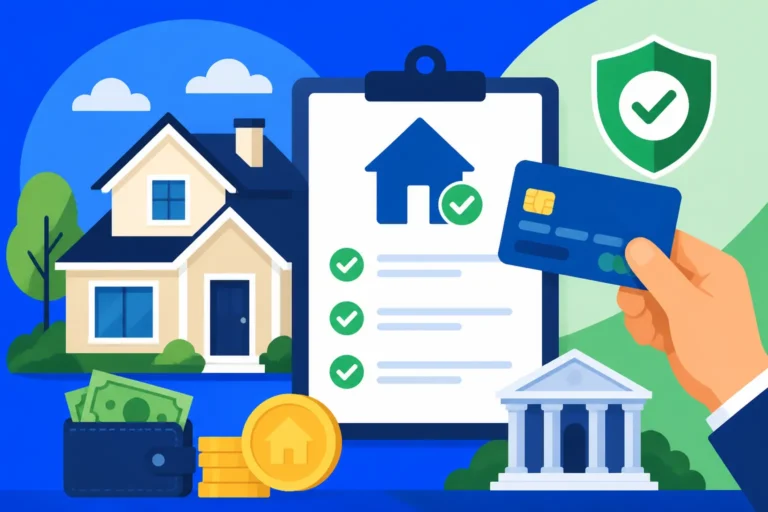
For many, paying online is the most convenient and fastest way to handle their property tax obligations. The Los Angeles County Treasurer and Tax Collector's website is the official portal for online payments. You typically have two main options:
- E-check (Electronic Check/ACH): This method allows you to pay directly from your checking or savings account. It's usually free of charge and provides an immediate confirmation of your transaction. You'll just need your bank account and routing numbers. This is often the preferred method for its simplicity and cost-effectiveness.
- Credit or Debit Card: You can also use major credit or debit cards to pay your property taxes online. While convenient, be aware that third-party processing fees usually apply. These fees can vary, so always check the exact amount before completing your transaction. For some, the ability to earn rewards points on a credit card might outweigh the fee, but it's important to do the math.
No matter which online method you choose, always double-check the property parcel number and the amount before submitting payment to prevent errors. Confirmations are key to your peace of mind.
Traditional and Alternative Payment Methods
If online payments aren’t your preference, or you just like having options, Los Angeles County still supports several traditional and alternative ways to pay your property taxes:
- Mail: You can always mail a check or money order directly to the Los Angeles County Treasurer and Tax Collector's office. Make sure your check is made payable to "County of Los Angeles" and includes your parcel number for proper credit. It's vital to mail your payment several days before the deadline to ensure it is postmarked on or before the due date, as a late postmark will incur penalties. Consider using certified mail for extra security.
- In-Person: If you prefer a face-to-face transaction, you can pay in person at the Treasurer and Tax Collector’s office. They typically accept checks, money orders, and sometimes even cash. Check their website for current office hours and locations, especially around peak payment deadlines, as wait times can be longer.
- Bank Payment: While less common for direct tax payments, some homeowners manage their property taxes through their mortgage lender via an escrow account. If you have an escrow account, your property taxes are typically included in your monthly mortgage payment, and your lender pays them on your behalf. It’s always a good idea to periodically check with your mortgage servicer to confirm that your property tax payments are being made accurately and on time, especially if you see any changes in your mortgage statement. Services like Stessa can help property owners, especially those with investment properties, keep track of all their expenses, including property tax payments, ensuring nothing falls through the cracks. If you're looking to compare mortgage options, including those with robust escrow services, resources like LendingTree can be helpful.
What Happens If You Miss a Payment Deadline?
Missing a property tax payment deadline in Los Angeles County isn't just a minor oversight; it triggers a series of actions that can significantly increase your financial burden and, in extreme cases, jeopardize your homeownership.
Penalties and Interest for Late Payments
As we touched upon, Los Angeles County has a very clear penalty structure for delinquent property taxes. If you miss the December 10th deadline for the first installment, a 10% penalty is immediately added to that installment, along with a $30 collection fee. Miss the April 10th deadline for the second installment, and you'll face another 10% penalty and an additional $30 fee on that portion.
These penalties are not negligible and can quickly add up, turning an already substantial bill into a much larger one. For example, if your annual property tax bill is $6,000 ($3,000 per installment) and you miss both deadlines, you're looking at an extra $600 in penalties ($300 per installment) plus $60 in collection fees, totaling an additional $660. The county is quite strict on these dates, and the penalties are legally mandated, leaving very little room for negotiation once they are incurred. It's a tough lesson to learn, but understanding the financial ramifications ahead of time can be a strong motivator to pay on time.
Understanding Property Tax Liens and Foreclosure
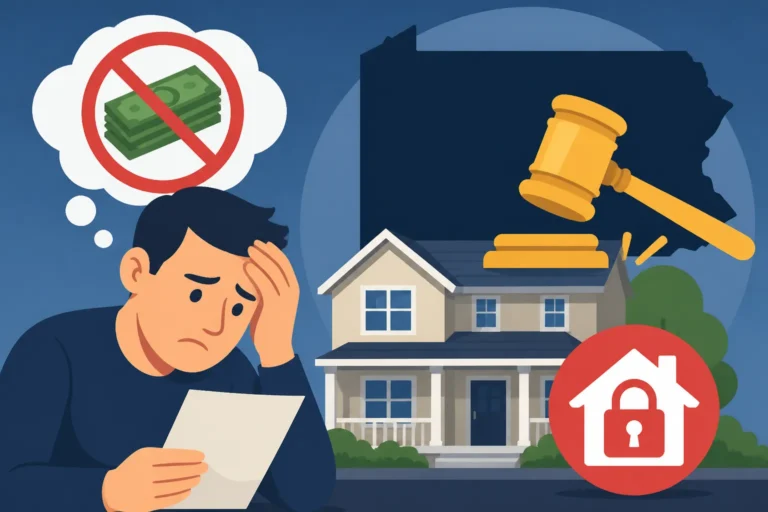
If your property taxes remain unpaid for an extended period, the consequences become far more severe than just penalties and fees. In California, if your property taxes are delinquent for five years, your property becomes subject to the Treasurer and Tax Collector’s power to sell. This process begins with the county placing a property tax lien against your property. A tax lien essentially means the county has a legal claim to your property as security for the unpaid taxes.
After five years of continuous delinquency, the county can initiate the tax sale process, which can lead to a tax deed sale. During a tax deed sale, the county auctions off the property to recover the unpaid taxes. While homeowners usually have a period to redeem their property by paying off all delinquent taxes, penalties, and interest before the sale is finalized, losing a home due to unpaid taxes is a real and devastating possibility. This is why understanding What Happens If You Don't Pay Property Taxes? and the implications of Property Tax Liens Explained is so critical. If you find yourself in a difficult financial situation, it's always best to contact the Los Angeles County Treasurer and Tax Collector's office directly to explore options like Property Tax Installment & Deferral Plans before your situation escalates.
Here’s a quick overview of the typical secured property tax payment schedule in Los Angeles County:
| Action | Due Date | Delinquent Date | Penalty for Delinquency (per installment) |
|---|---|---|---|
| First Installment Due | November 1st | December 10th | 10% + $30 |
| Second Installment Due | February 1st | April 10th | 10% + $30 |
| Becomes Tax-Defaulted | July 1st (of next fiscal year if not paid) | N/A | Additional penalties and fees accrue |
| Subject to Tax Sale | After 5 years of continuous tax-default | N/A | Loss of property via tax deed sale |
Remember, these dates apply to secured property taxes. Supplemental and unsecured tax bills will have their own specific due dates, so always refer to the bill itself.
Disclaimer
The information provided in this guide is for general informational purposes only and should not be considered legal or financial advice. Property tax laws and regulations can be complex and may change. Always consult with a qualified professional or the official Los Angeles County Treasurer and Tax Collector's office for advice tailored to your specific situation.